Industrial Shop Dust Collector Systems - Advanced Air Quality Solutions for Manufacturing

Get a Free Quote

Our representative will contact you soon.
Email
Name
Company Name
Message
0/1000

industrial shop dust collector

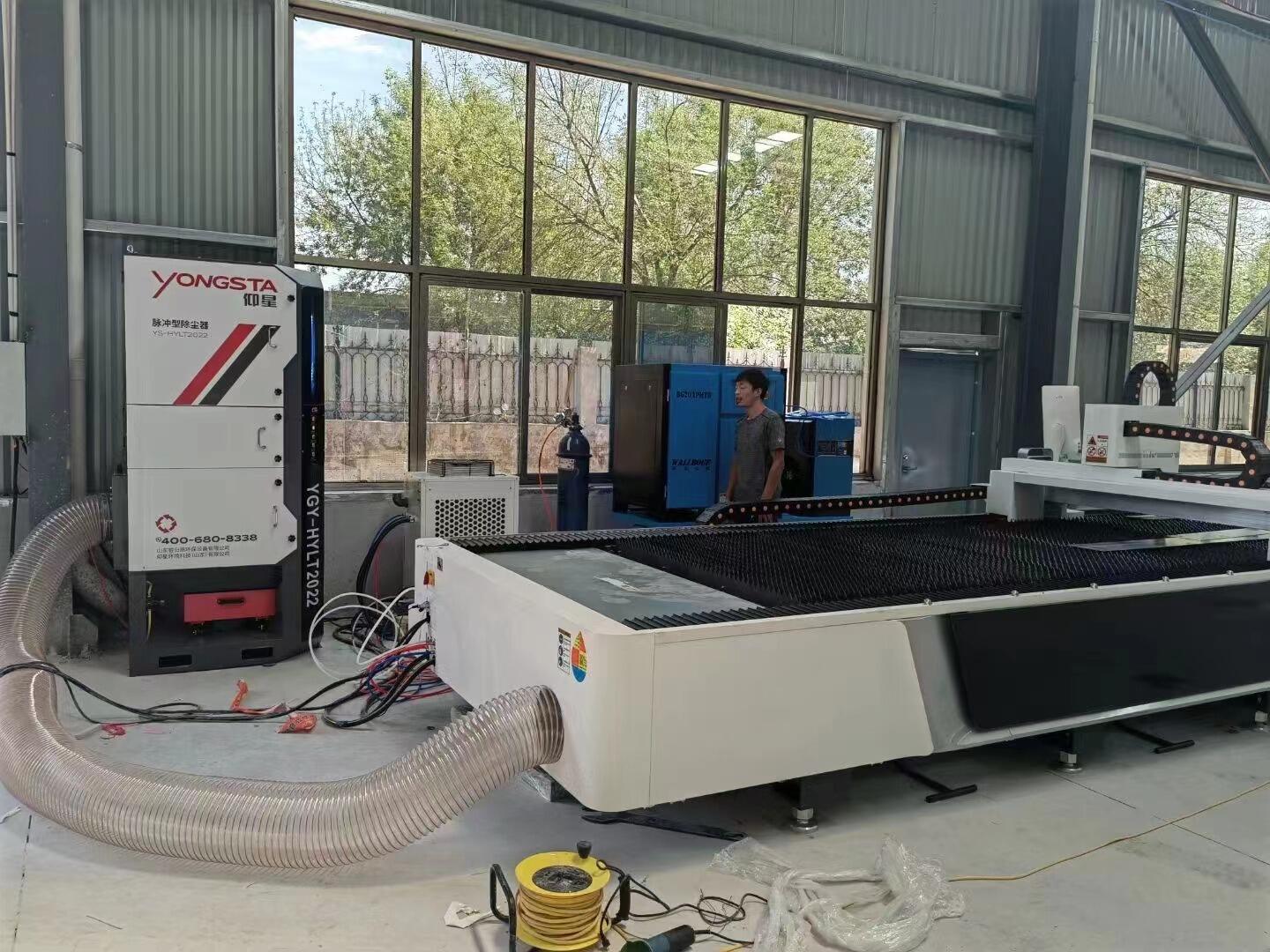
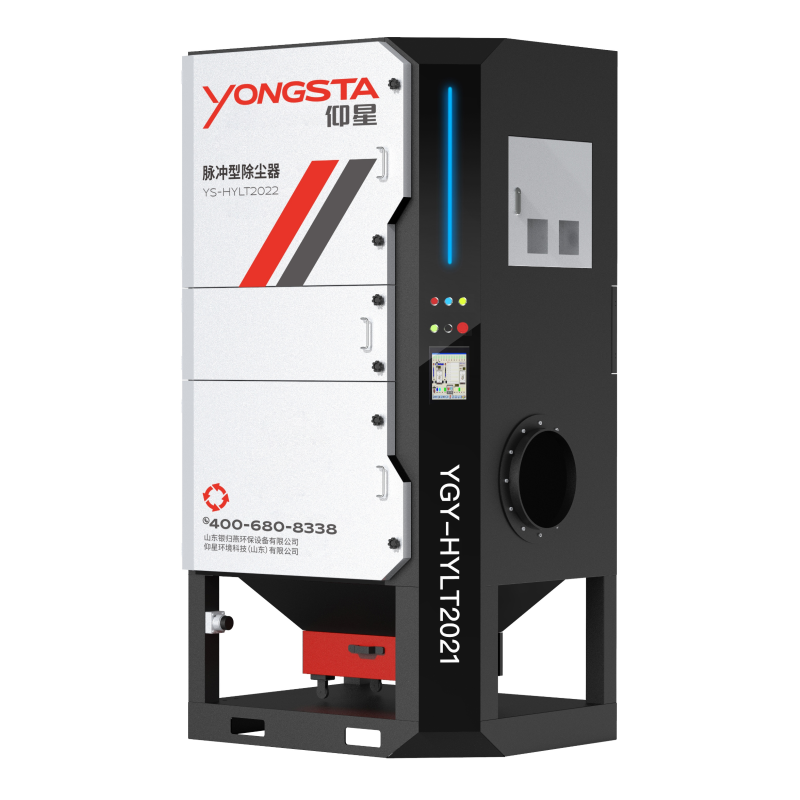
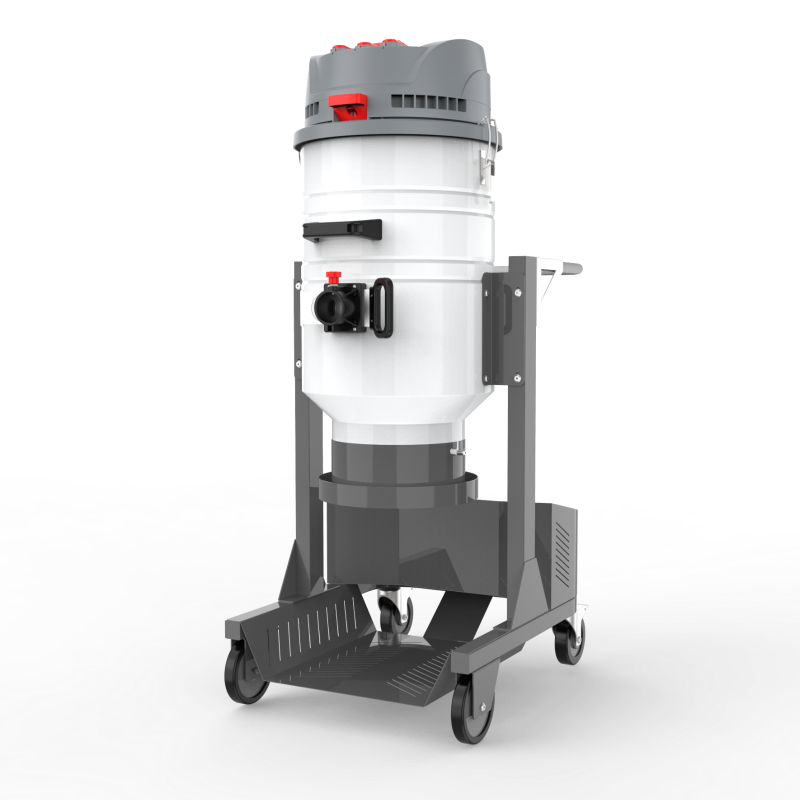
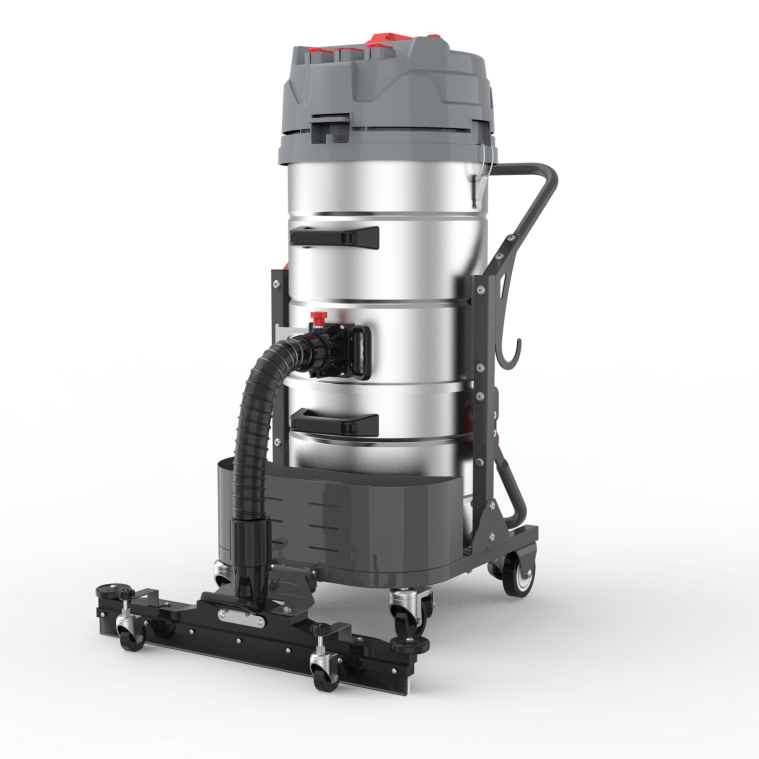
An industrial shop dust collector serves as a critical air quality management system designed to capture, filter, and remove airborne particles generated during manufacturing, woodworking, metalworking, and various production processes. This specialized equipment protects workers from harmful dust exposure while maintaining clean workshop environments that comply with occupational safety standards. The primary function of an industrial shop dust collector involves drawing contaminated air through powerful suction mechanisms, trapping particulate matter within filtration media, and returning purified air back into the workspace or exhausting it outdoors. Modern systems incorporate advanced cyclonic separation technology that uses centrifugal force to remove larger particles before fine filtration stages, significantly extending filter life and maintaining consistent airflow performance. The technological features of contemporary industrial shop dust collectors include variable frequency drives that adjust motor speeds based on real-time demand, reducing energy consumption during periods of lower production activity. Automated filter cleaning mechanisms employ compressed air pulse-jet systems that dislodge accumulated dust from filter surfaces without interrupting operation, ensuring continuous performance throughout extended work shifts. Digital monitoring interfaces provide operators with instant feedback regarding airflow rates, filter pressure differentials, and maintenance requirements, enabling proactive system management that prevents unexpected downtime. Applications for industrial shop dust collectors span numerous sectors including furniture manufacturing facilities where wood dust poses both health hazards and fire risks, metal fabrication shops generating fine metallic particles during grinding and cutting operations, pharmaceutical production environments requiring stringent contamination control, and automotive repair facilities managing paint overspray and body filler dust. These systems adapt to diverse operational scales, from compact single-machine collectors serving individual workstations to centralized installations with extensive ductwork networks serving entire production floors. The versatility of industrial shop dust collectors extends to handling various particle types including combustible dusts that require explosion-proof designs, toxic materials necessitating specialized filtration media, and mixed waste streams combining different particle sizes and compositions. Proper selection and installation of an industrial shop dust collector directly impacts workplace safety, regulatory compliance, equipment longevity, and overall operational efficiency within industrial environments.

Popular Products

Investing in an industrial shop dust collector delivers immediate improvements to workplace safety by removing hazardous airborne particles that cause respiratory problems, allergic reactions, and long-term health complications among employees. Workers breathing cleaner air experience fewer sick days, higher productivity levels, and improved job satisfaction, directly benefiting your bottom line through reduced healthcare costs and lower employee turnover rates. These systems prevent dust accumulation on machinery and equipment surfaces, eliminating a major cause of premature wear, overheating, and mechanical failures that lead to expensive repairs and production interruptions. Clean work environments also reduce fire and explosion risks associated with combustible dust buildup, protecting your facility from catastrophic incidents that could destroy property, harm personnel, and permanently damage your business reputation. Regulatory compliance becomes straightforward when you install an industrial shop dust collector that meets or exceeds standards set by occupational safety agencies, helping you avoid costly fines, legal liabilities, and potential facility shutdowns resulting from violations. The financial advantages extend beyond risk mitigation, as modern dust collection technology recovers valuable materials from waste streams, allowing you to recycle metal filings, wood chips, and other particles back into production processes or sell them as secondary raw materials. Energy efficiency features built into contemporary systems minimize operating costs through intelligent motor controls that reduce power consumption during low-demand periods while maintaining optimal capture velocity when production intensifies. Maintenance requirements remain manageable thanks to automated cleaning cycles that extend filter life and user-friendly designs that simplify routine inspections and component replacements, reducing the specialized labor costs associated with system upkeep. Product quality improvements represent another significant advantage, as dust-free environments prevent contamination of finished goods, reducing defect rates and customer complaints that damage brand reputation and erode profit margins. The positive impact on employee morale should not be underestimated, as workers appreciate employers who prioritize their health and comfort, leading to stronger workplace culture and easier recruitment of skilled personnel in competitive labor markets. Installation flexibility allows industrial shop dust collectors to integrate seamlessly with existing production layouts, whether you need portable units that move between workstations or permanent installations with custom ductwork configurations. The return on investment typically materializes within months as reduced maintenance costs, lower insurance premiums, decreased material waste, and improved operational efficiency combine to offset the initial equipment expenditure. Long-term durability ensures these systems continue delivering value for decades when properly maintained, making them sound capital investments that protect and enhance your manufacturing capabilities while supporting sustainable business practices that appeal to environmentally conscious customers and stakeholders.

Practical Tips

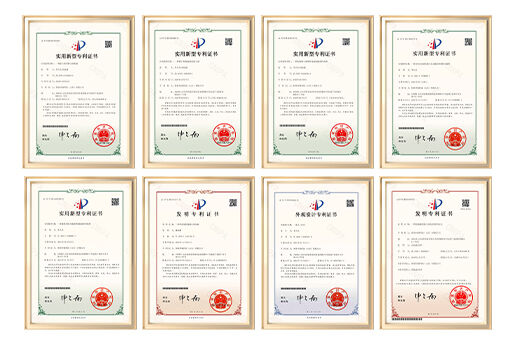
Yongsta R&D Team Wins 3 Dust Removal Technology Patents, Leading Industry Innovation

09

Apr

Yongsta R&D Team Wins 3 Dust Removal Technology Patents, Leading Industry Innovation

View More
Yongsta Cooperates with TUV for ATEX Explosion-Proof Certification, Explosion-Proof Dust Collector to Be Launched Soon

09

Apr

Yongsta Cooperates with TUV for ATEX Explosion-Proof Certification, Explosion-Proof Dust Collector to Be Launched Soon

View More
Empowering Benchmark Manufacturing! Yongsta Cartridge Dust Collector Aids Siemens Transformer China Factory's Dust Removal Renovation and Gains High Recognition

09

Apr

Empowering Benchmark Manufacturing! Yongsta Cartridge Dust Collector Aids Siemens Transformer China Factory's Dust Removal Renovation and Gains High Recognition

View More

Get a Free Quote

Our representative will contact you soon.
Email
Name
Company Name
Message
0/1000

industrial shop dust collector

Advanced Filtration Technology That Captures 99.9 Percent of Airborne Particles

Advanced Filtration Technology That Captures 99.9 Percent of Airborne Particles

The filtration capabilities of a modern industrial shop dust collector represent a quantum leap beyond basic ventilation systems, employing multi-stage separation processes that remove particles ranging from visible debris down to submicron contaminants invisible to the naked eye. The first stage typically utilizes cyclonic separation chambers where incoming air streams spin at high velocity, forcing heavier particles outward against chamber walls where gravity pulls them downward into collection bins, removing up to 90 percent of larger debris before air reaches primary filters. This pre-separation dramatically extends filter life by preventing rapid loading that would otherwise require frequent replacements and system shutdowns. The heart of the system consists of pleated filter cartridges constructed from specialized synthetic media with precise pore structures that trap fine particles while maintaining high airflow rates, achieving filtration efficiencies exceeding 99.9 percent for particles as small as 0.3 microns. These filters incorporate hydrophobic treatments that repel moisture, preventing the caking and blinding that occurs when humid air contacts untreated media, ensuring consistent performance across varying environmental conditions. Advanced industrial shop dust collector models feature HEPA-grade final filtration stages for applications requiring absolute air purity, such as pharmaceutical manufacturing or electronics assembly where even microscopic contamination causes product failures. The filter cleaning mechanism deserves special attention, as pulse-jet systems fire compressed air bursts in precisely timed sequences that flex filter media and dislodge accumulated dust cakes without damaging delicate filter structures. This automated cleaning occurs while the system continues operating, eliminating the productivity losses associated with manual filter maintenance or system shutdowns. Pressure differential sensors continuously monitor the resistance across filter banks, triggering cleaning cycles only when necessary rather than on arbitrary schedules, optimizing compressed air usage and minimizing wear on system components. The collected dust falls into sealed hoppers equipped with level sensors that alert operators when disposal becomes necessary, preventing overflow situations that could compromise system performance. Some industrial shop dust collector configurations include spark detection and suppression systems that identify incandescent particles entering ductwork and extinguish them before they reach filters, providing critical protection when processing materials that generate sparks during grinding or cutting operations. Filter media selection varies based on application requirements, with options including cellulose blends for general dust, synthetic polyester for moisture resistance, antistatic treatments for combustible dust applications, and membrane-coated variants for sticky or oily particles that would blind standard media. The modular filter design allows capacity expansion by adding filter cartridges as production volumes increase, protecting your initial investment while accommodating business growth without requiring complete system replacement.
Intelligent Control Systems That Optimize Performance and Reduce Operating Costs

Intelligent Control Systems That Optimize Performance and Reduce Operating Costs

Modern industrial shop dust collector systems incorporate sophisticated control technologies that transform these units from simple extraction fans into intelligent air quality management platforms capable of adapting to changing production conditions while minimizing energy consumption and maintenance requirements. Variable frequency drives represent the cornerstone of this intelligence, continuously adjusting motor speeds to match real-time airflow demands rather than running at full capacity regardless of actual need. When production lines slow or stop, the system automatically reduces fan speeds, cutting energy consumption by up to 50 percent during these periods while maintaining sufficient airflow to prevent dust settlement in ductwork. Pressure sensors throughout the collection network provide constant feedback regarding system resistance, allowing the controller to compensate for filter loading by gradually increasing fan speed to maintain target capture velocities at dust generation points. This dynamic response ensures consistent collection performance throughout the interval between filter changes, eliminating the performance degradation that occurs with fixed-speed systems as filters accumulate dust. The control interface displays real-time operational data including airflow rates, filter pressure drops, motor current draw, and runtime hours, giving maintenance personnel the information needed to schedule service activities before problems impact production. Predictive maintenance algorithms analyze operational trends to forecast filter replacement timing, bearing wear, and other service needs, shifting maintenance philosophy from reactive repairs to proactive interventions that prevent unexpected failures. Remote monitoring capabilities allow facility managers to check industrial shop dust collector status from smartphones or computers, receiving instant alerts when parameters exceed normal ranges or maintenance becomes due. Integration with building management systems enables coordinated operation with HVAC equipment, preventing negative pressure situations that could draw unconditioned outdoor air into climate-controlled spaces and increase heating or cooling costs. Automated startup and shutdown sequences coordinate with production equipment, ensuring the dust collector activates before machining operations begin and continues running after they stop to clear residual dust from the system. Some advanced controllers incorporate machine learning algorithms that optimize cleaning cycles based on dust characteristics and loading patterns specific to your operation, fine-tuning performance beyond factory default settings. Energy monitoring functions track power consumption and calculate operating costs, providing the data needed to justify system upgrades or demonstrate compliance with corporate sustainability initiatives. The control system also manages safety interlocks that prevent equipment operation when access doors open or when fire suppression systems activate, protecting personnel and preventing damage during emergency situations. Touchscreen interfaces with intuitive graphics replace cryptic button panels and indicator lights, reducing training requirements and enabling operators to quickly understand system status and respond to alerts. Data logging capabilities record operational history for regulatory compliance documentation, troubleshooting support, and performance analysis that identifies opportunities for process improvements. The intelligence built into contemporary industrial shop dust collector controls transforms these systems from passive extraction devices into active partners in production management, delivering measurable improvements in efficiency, reliability, and cost-effectiveness that compound over the equipment lifecycle.
Flexible Configuration Options That Adapt to Diverse Industrial Applications

Flexible Configuration Options That Adapt to Diverse Industrial Applications

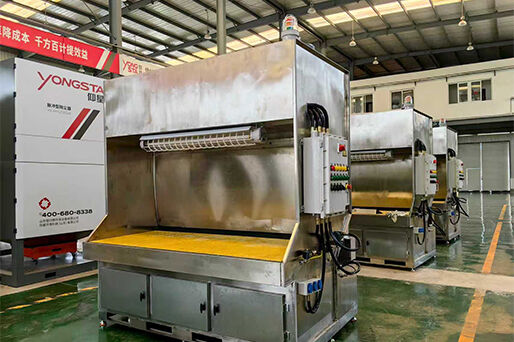
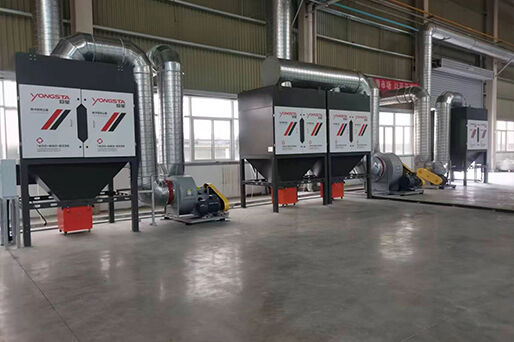
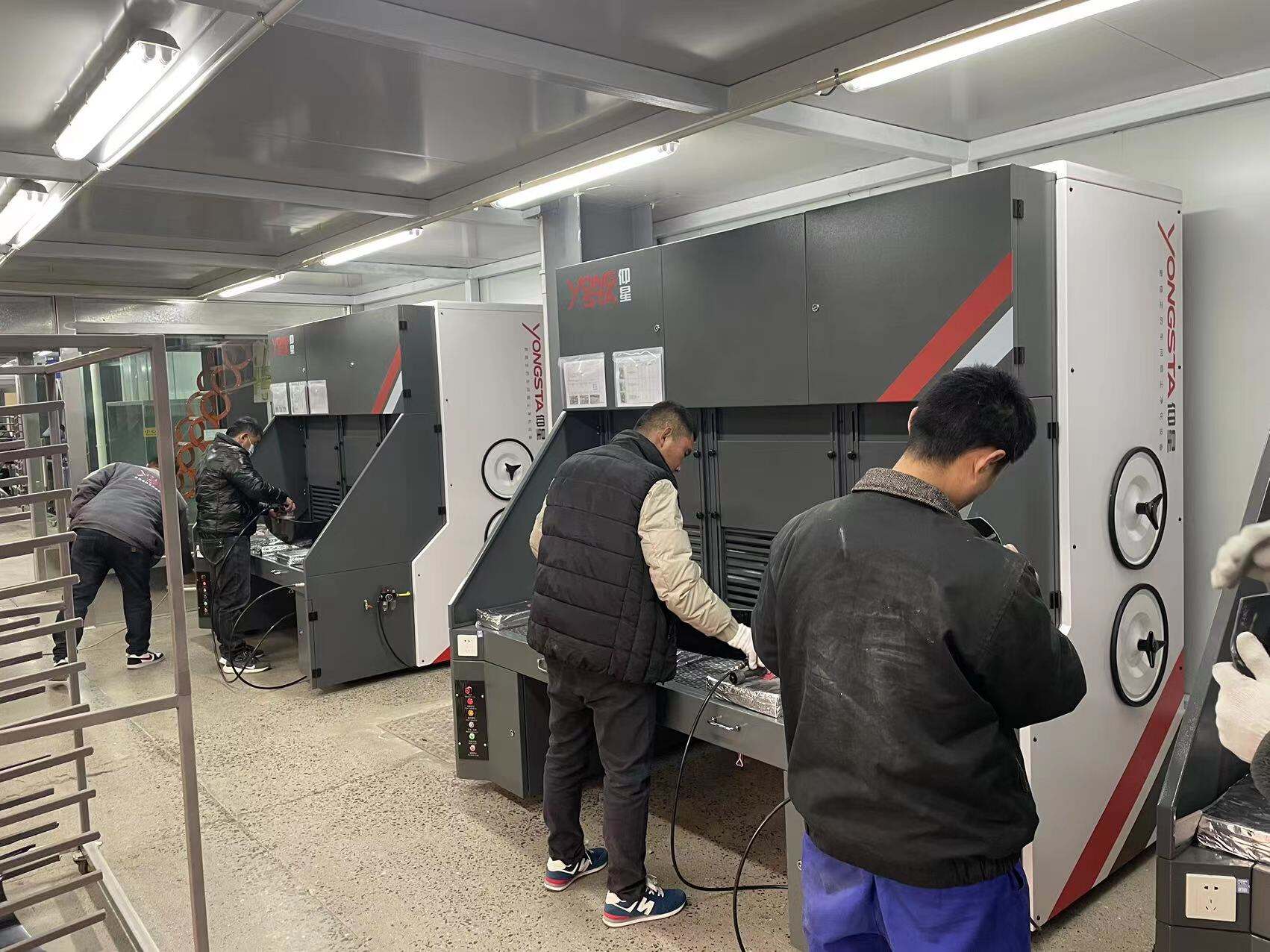
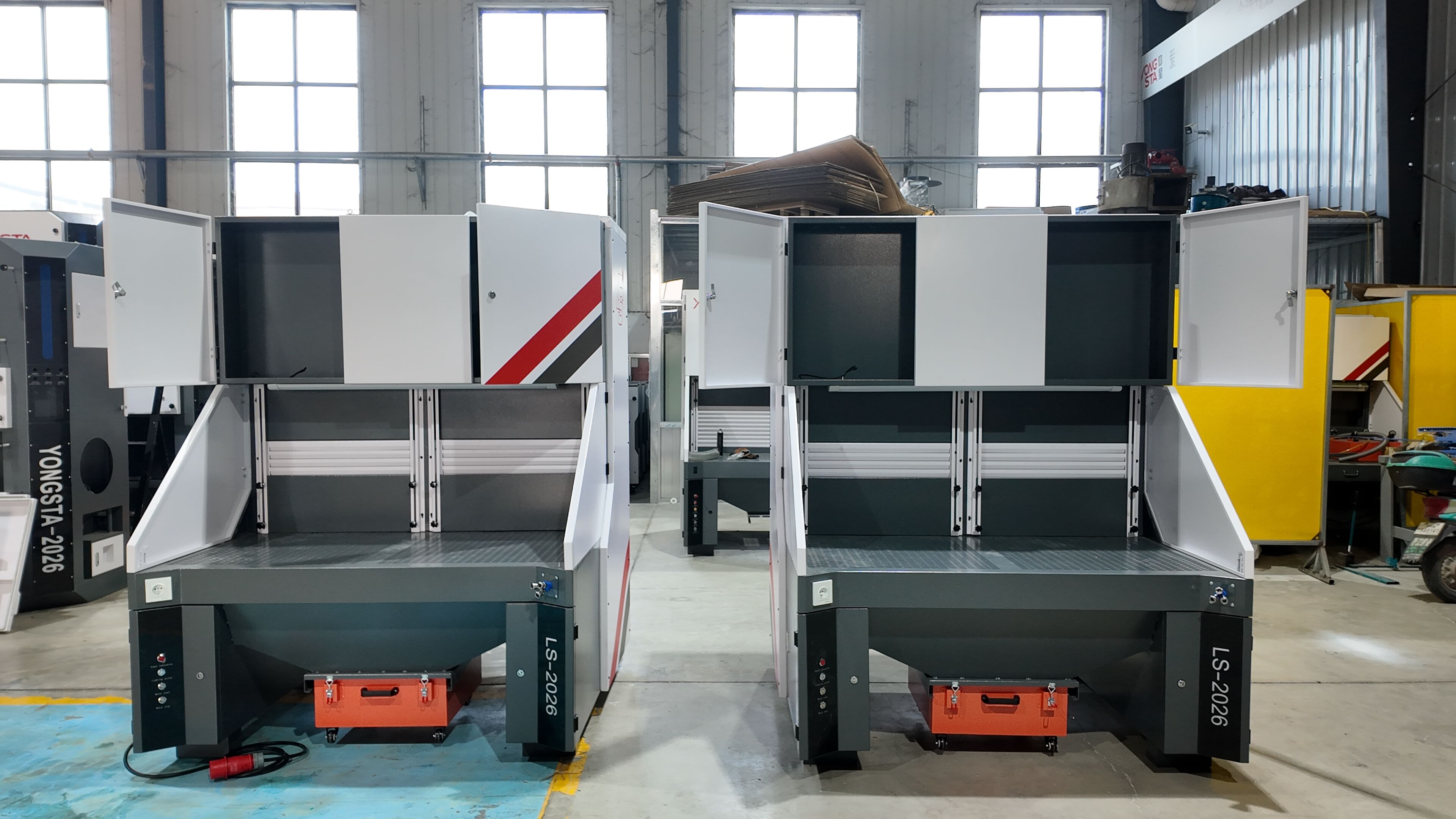
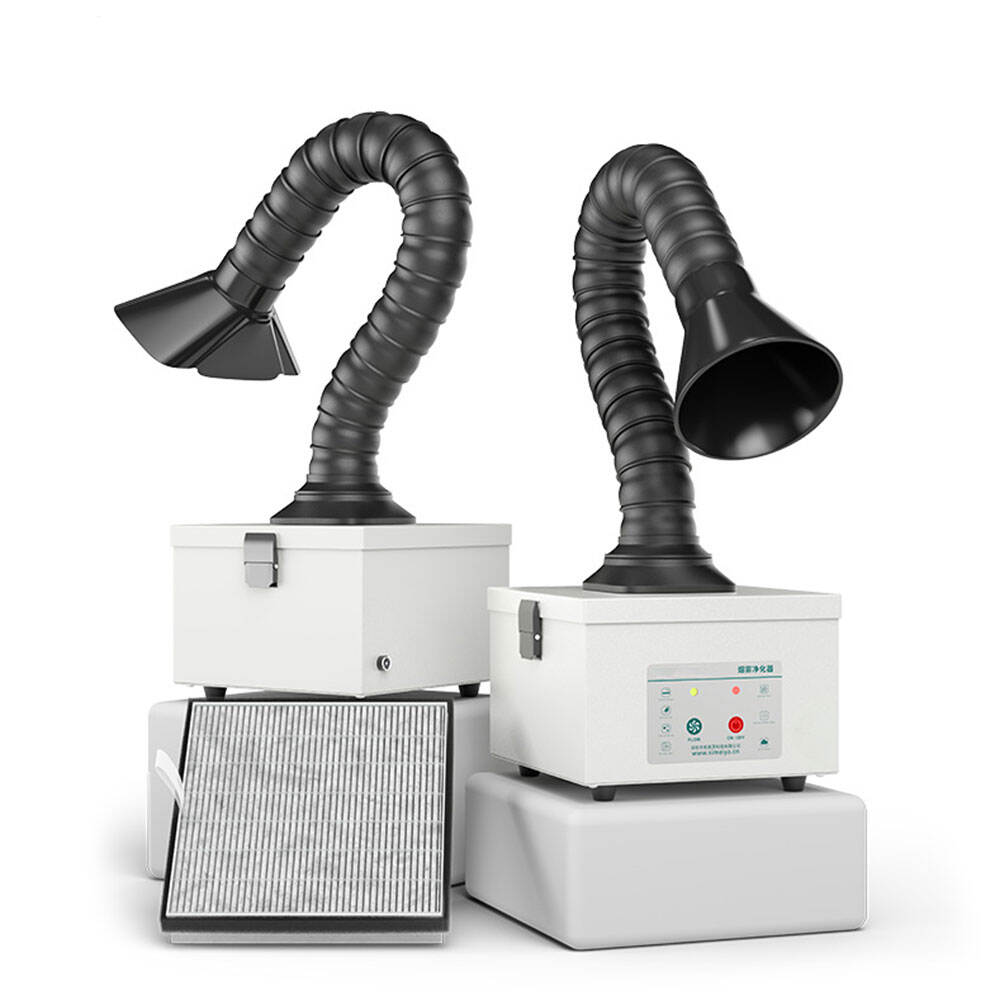
The versatility of industrial shop dust collector systems stems from modular designs and extensive configuration options that allow precise matching of equipment capabilities to specific application requirements, ensuring optimal performance across vastly different operational contexts. Portable units mounted on casters serve individual workstations or move between multiple locations, providing dedicated dust control for welding stations, grinding operations, or sanding areas without requiring permanent ductwork installation. These mobile collectors typically feature compact footprints that fit into crowded shop floors while delivering sufficient airflow to capture dust at the source, making them ideal for job shops, maintenance facilities, and operations with frequently changing layouts. Centralized systems represent the opposite end of the spectrum, with large collector units positioned outdoors or in dedicated equipment rooms, connected to extensive ductwork networks that serve dozens of dust generation points throughout a facility. This approach consolidates filtration and fan equipment into a single location, simplifying maintenance access and reducing noise levels in production areas while efficiently managing dust from multiple processes through one integrated system. Ductwork design plays a crucial role in system effectiveness, with proper sizing ensuring adequate transport velocities that prevent particle settlement while minimizing pressure losses that waste energy. Branch connections incorporate blast gates or automated dampers that allow operators to isolate inactive workstations, concentrating airflow where needed and reducing energy consumption when portions of the facility operate at reduced capacity. Hood designs vary dramatically based on dust generation characteristics, from simple flanged openings positioned near grinding wheels to elaborate enclosures that completely surround cutting operations, capturing particles before they escape into the general workspace. Downdraft tables integrate dust collection directly into work surfaces, pulling particles downward through perforated tops as workers sand, grind, or finish parts positioned on the table, providing highly effective capture without obstructing access or visibility. The industrial shop dust collector market offers specialized configurations for unique challenges, including explosion-proof models with spark-resistant construction and deflagration venting for combustible dust applications, corrosion-resistant stainless steel units for chemical processing environments, and high-temperature designs that handle hot particles from thermal cutting or foundry operations. Filtration media selection expands configuration possibilities, with standard efficiency filters for general dust, high-efficiency options for fine particles, and specialty media for sticky, fibrous, or hygroscopic materials that challenge conventional filters. Collection container options range from small bins requiring frequent emptying to large hoppers with rotary valves that discharge into drums or bulk containers, matching disposal convenience to dust generation rates. Some systems incorporate material recovery features such as magnetic separators that extract ferrous particles from mixed waste streams or screening equipment that sorts particles by size for recycling or disposal optimization. Noise reduction packages with insulated housings and silencers address applications where standard equipment would create unacceptable sound levels in occupied spaces. Explosion isolation systems with fast-acting valves protect facilities when collectors handle combustible dusts, preventing flame propagation back through ductwork into production areas. The configuration flexibility inherent in industrial shop dust collector technology ensures that whether you operate a small cabinet shop, a large metal fabrication facility, or a specialized manufacturing operation with unique requirements, appropriate solutions exist to deliver effective dust control that integrates seamlessly with your processes, space constraints, and budget parameters while providing room for future expansion as your business grows.

Get a Free Quote

Our representative will contact you soon.
Email
Name
Company Name
Message
0/1000
email goToTop