Industrial Metal Dust Collector Systems - Advanced Filtration Solutions for Metalworking Facilities

Get a Free Quote

Our representative will contact you soon.
Email
Name
Company Name
Message
0/1000

industrial metal dust collector

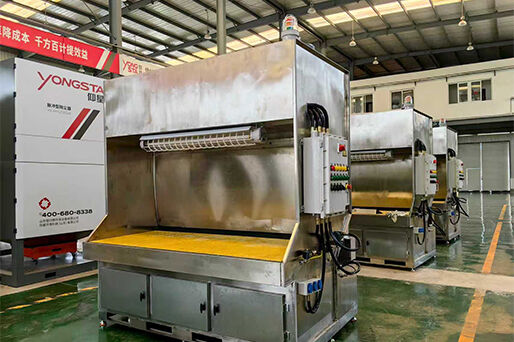
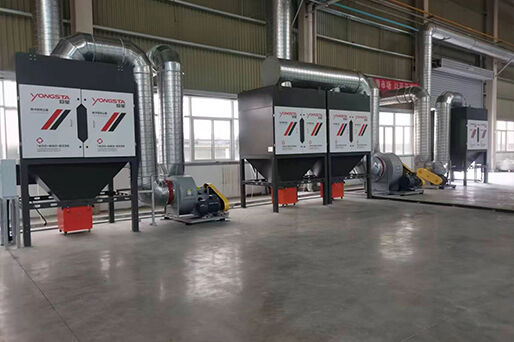
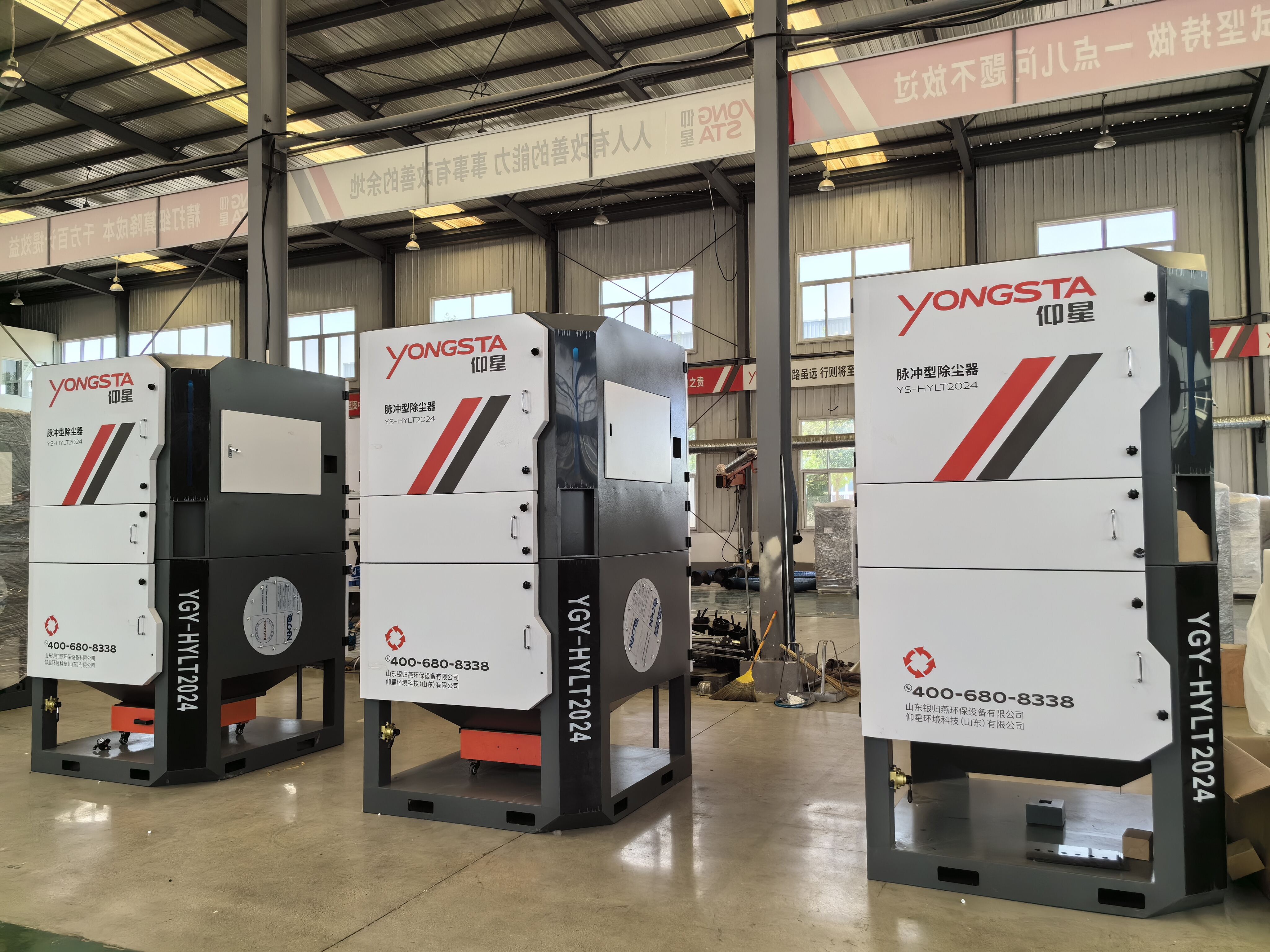
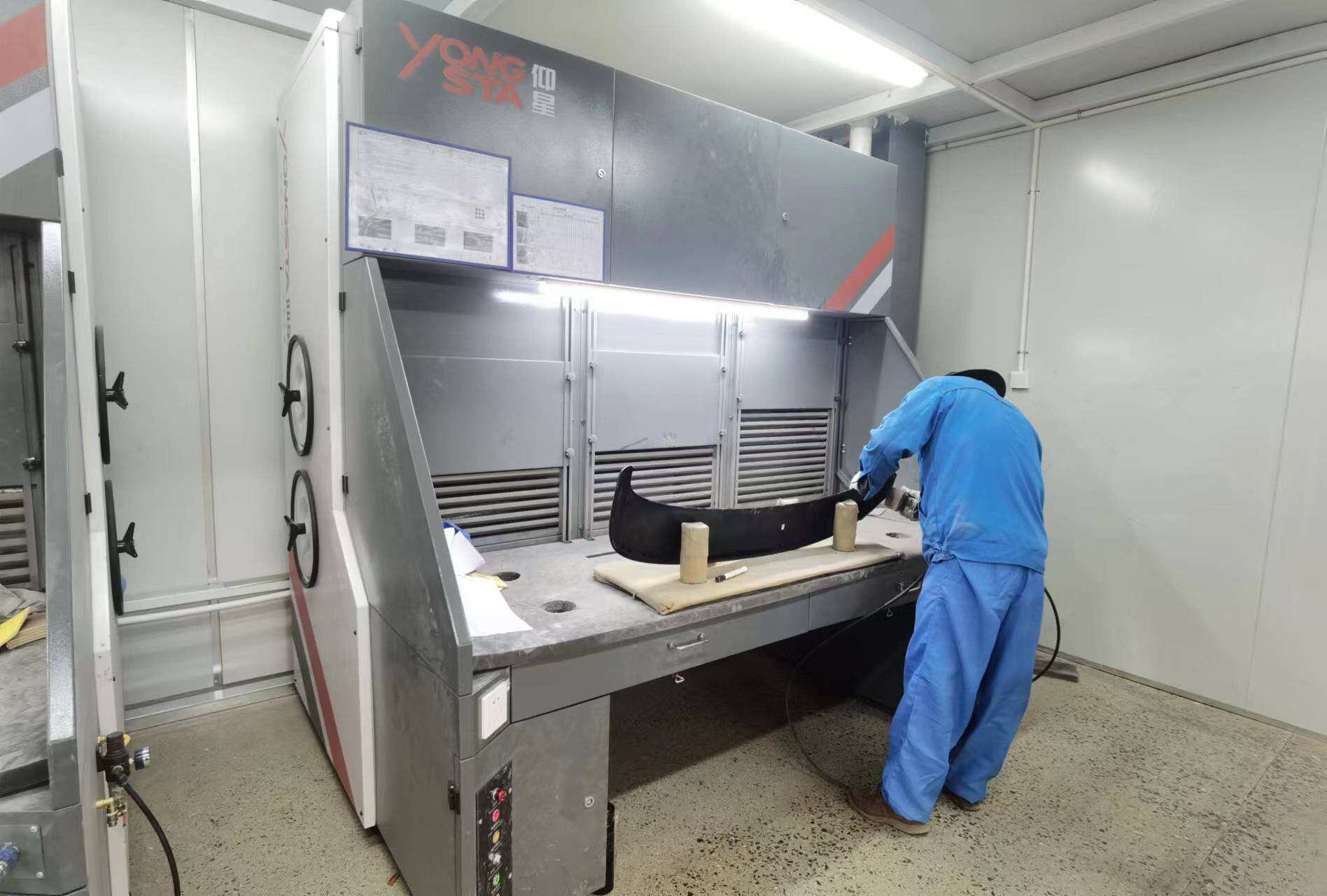
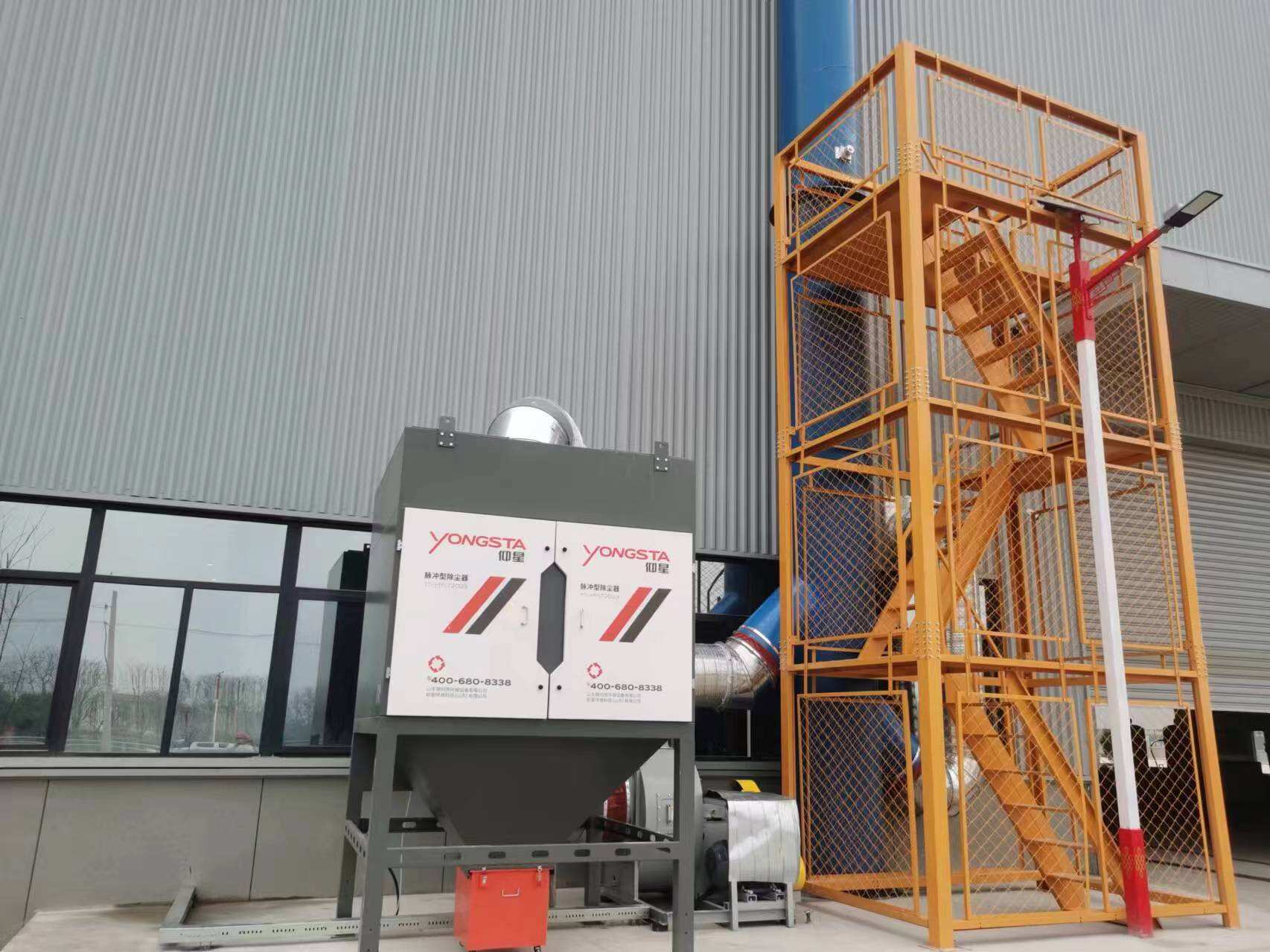
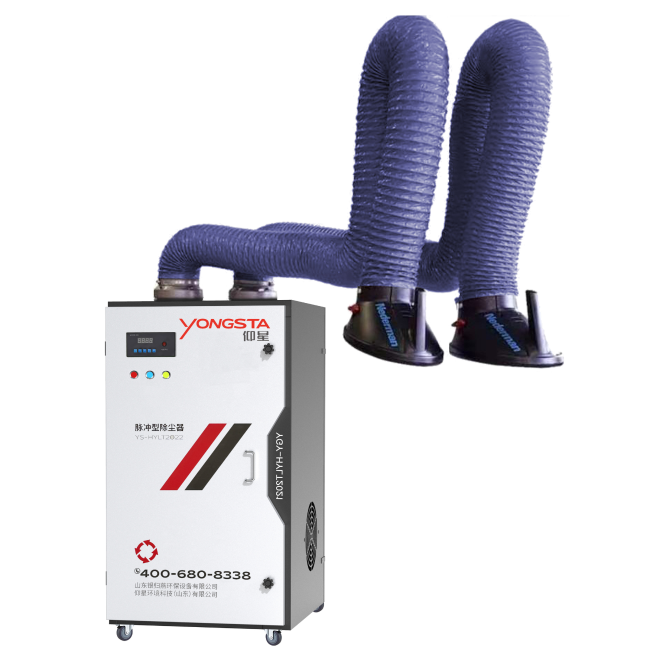
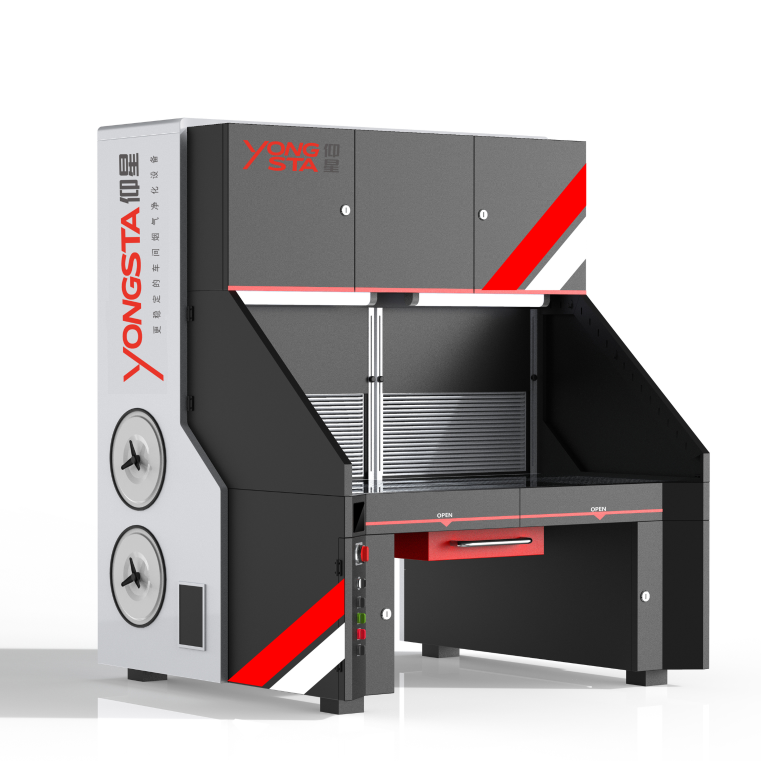
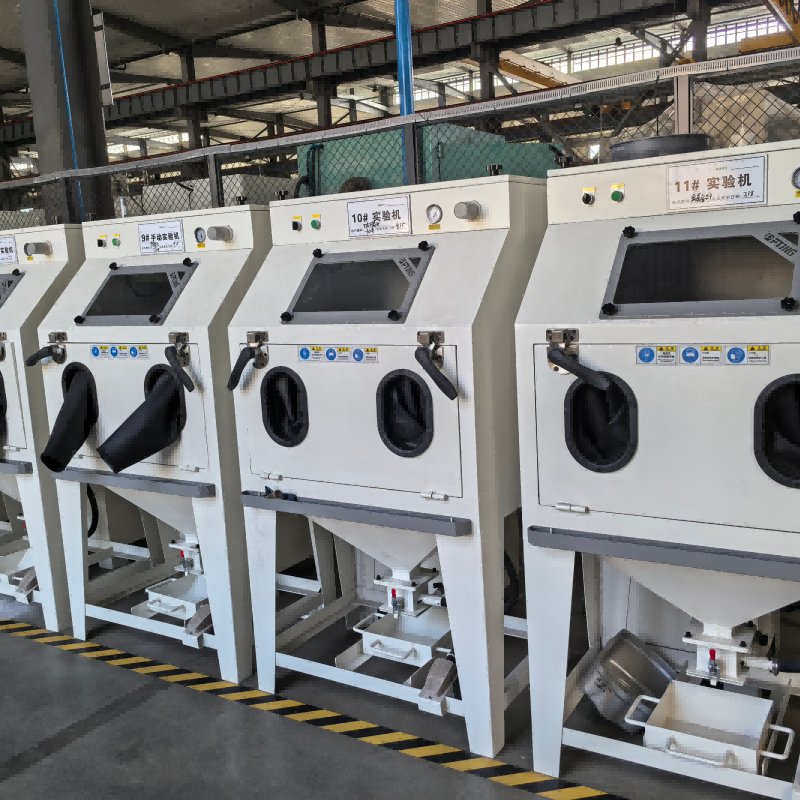
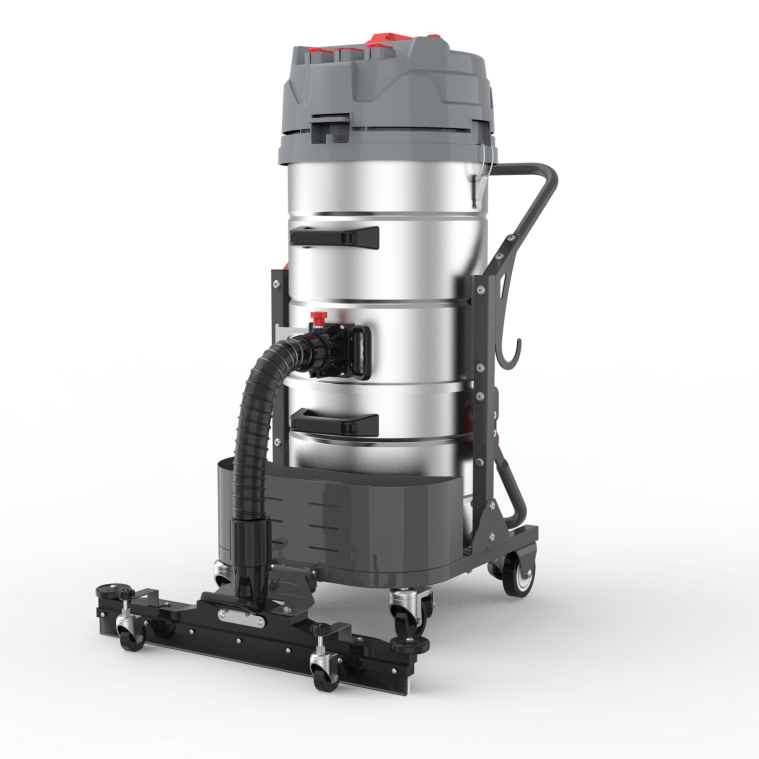
An industrial metal dust collector represents a critical piece of equipment designed to capture and remove airborne metal particles, shavings, and fine dust generated during metalworking operations. These specialized systems play an essential role in maintaining clean air quality within manufacturing facilities while protecting workers from harmful metal particulates. The primary function of an industrial metal dust collector involves drawing contaminated air through a filtration system that separates metal debris from the airstream before releasing purified air back into the workspace or exhausting it outdoors. Modern industrial metal dust collectors utilize advanced filtration technologies including cartridge filters, baghouse systems, or cyclonic separation methods to achieve high collection efficiency rates. The technological features of these systems include powerful suction capabilities measured in cubic feet per minute, automated filter cleaning mechanisms such as pulse-jet technology, and spark detection systems that prevent fire hazards when collecting combustible metal dusts like aluminum or magnesium. Many industrial metal dust collector units incorporate variable frequency drives that allow operators to adjust airflow based on production demands, optimizing energy consumption while maintaining effective dust capture. Applications for industrial metal dust collectors span numerous metalworking processes including grinding, cutting, welding, plasma cutting, laser cutting, polishing, and deburring operations. These systems prove invaluable in fabrication shops, automotive manufacturing plants, aerospace facilities, metal recycling centers, and any environment where metal processing generates airborne contaminants. The industrial metal dust collector serves not only as a compliance tool for meeting occupational safety regulations but also as a productivity enhancer by keeping machinery clean and reducing maintenance requirements. By implementing an effective industrial metal dust collector, facilities can significantly reduce housekeeping costs, minimize equipment downtime caused by dust accumulation, and create a safer working environment that protects employee health while demonstrating corporate responsibility toward environmental stewardship and workplace safety standards.

New Product Releases

Investing in an industrial metal dust collector delivers substantial practical benefits that directly impact your bottom line and operational efficiency. First and foremost, these systems dramatically improve air quality throughout your facility by capturing metal particles before they can circulate and settle on equipment, products, or work surfaces. This cleaner environment means your workers breathe easier and face fewer health risks associated with prolonged exposure to metal dust, which can cause respiratory issues and other serious health conditions. When you install an industrial metal dust collector, you immediately notice reduced cleanup time because the system captures debris at the source rather than allowing it to spread across your shop floor. This translates to lower labor costs for housekeeping and more time your team can dedicate to productive work. The industrial metal dust collector also protects your expensive machinery and equipment from premature wear caused by abrasive metal particles that can infiltrate moving parts, electronics, and control systems. By keeping these contaminants out of your equipment, you extend service life and reduce costly repairs and unexpected downtime. Another significant advantage comes from regulatory compliance, as an industrial metal dust collector helps you meet OSHA standards and environmental regulations without the stress of potential fines or shutdown orders. Many facilities discover that their industrial metal dust collector pays for itself through energy savings, especially models with efficient motors and smart controls that adjust power consumption based on actual demand. The fire safety benefits cannot be overstated, particularly when working with reactive metals like aluminum, magnesium, or titanium, as a properly designed industrial metal dust collector includes spark detection and suppression features that prevent potentially catastrophic fires or explosions. You will also find that product quality improves when an industrial metal dust collector removes contaminants from the air, reducing defects caused by dust settling on freshly painted, coated, or machined surfaces. Employee morale and retention benefit significantly because workers appreciate a clean, safe environment, and you demonstrate that you value their health and wellbeing by providing proper dust collection. The industrial metal dust collector contributes to a more professional appearance when clients or inspectors visit your facility, showing that you operate a modern, well-maintained operation. Additionally, these systems can recover valuable metal dust and chips that might otherwise be swept up and discarded, allowing you to recycle or sell this material for additional revenue. The noise reduction provided by enclosed industrial metal dust collector systems creates a more comfortable work environment compared to open collection methods, and the centralized collection simplifies waste disposal by consolidating metal dust in designated containers rather than having it scattered throughout your facility.

Latest News

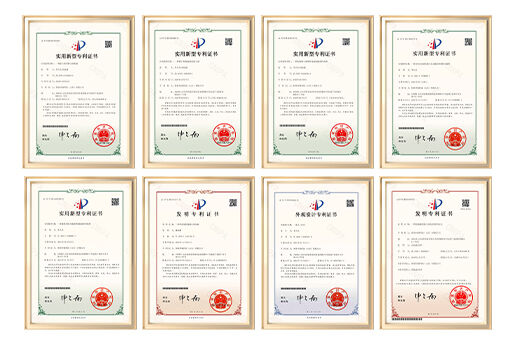
Yongsta R&D Team Wins 3 Dust Removal Technology Patents, Leading Industry Innovation

09

Apr

Yongsta R&D Team Wins 3 Dust Removal Technology Patents, Leading Industry Innovation

View More
Yongsta Cooperates with TUV for ATEX Explosion-Proof Certification, Explosion-Proof Dust Collector to Be Launched Soon

09

Apr

Yongsta Cooperates with TUV for ATEX Explosion-Proof Certification, Explosion-Proof Dust Collector to Be Launched Soon

View More
Empowering Benchmark Manufacturing! Yongsta Cartridge Dust Collector Aids Siemens Transformer China Factory's Dust Removal Renovation and Gains High Recognition

09

Apr

Empowering Benchmark Manufacturing! Yongsta Cartridge Dust Collector Aids Siemens Transformer China Factory's Dust Removal Renovation and Gains High Recognition

View More

Get a Free Quote

Our representative will contact you soon.
Email
Name
Company Name
Message
0/1000

industrial metal dust collector

Advanced Filtration Technology That Maximizes Capture Efficiency

Advanced Filtration Technology That Maximizes Capture Efficiency

The filtration technology employed in a modern industrial metal dust collector represents a sophisticated engineering achievement that balances high capture efficiency with practical operational considerations. At the heart of these systems lies a carefully designed filter media that can trap metal particles as small as 0.3 microns while maintaining sufficient airflow to effectively capture dust at its source. The industrial metal dust collector typically utilizes either pleated cartridge filters with large surface areas or fabric filter bags arranged in a baghouse configuration, each approach offering distinct advantages depending on the application. Cartridge-style industrial metal dust collector units provide compact designs with easy filter replacement and excellent filtration efficiency, making them ideal for facilities with limited floor space or those processing fine metal dusts that require submicron filtration. The pleated design of these cartridges maximizes the filtration surface area within a relatively small footprint, allowing the industrial metal dust collector to process large volumes of air without requiring excessive physical space. Baghouse-style systems excel in heavy-duty applications where large volumes of coarser metal particles need collection, and the industrial metal dust collector can be scaled to accommodate multiple workstations or entire production lines. What truly sets advanced industrial metal dust collector systems apart is the automated filter cleaning mechanism that maintains consistent performance without manual intervention. Pulse-jet cleaning technology delivers short bursts of compressed air in reverse flow through the filters, dislodging accumulated metal dust and dropping it into collection hoppers while the system continues operating. This continuous cleaning capability means your industrial metal dust collector maintains optimal airflow and suction power throughout the workday rather than experiencing gradual performance degradation as filters load with dust. The filter media itself incorporates specialized treatments that enhance performance, including antistatic properties that prevent dust from clinging to filter surfaces, flame-retardant coatings that improve safety when collecting combustible metal dusts, and moisture-resistant finishes that prevent filter degradation in humid environments. Many industrial metal dust collector models now include differential pressure monitoring that tracks the pressure drop across filters, alerting operators when filters require replacement and preventing system damage from excessive restriction. This intelligent monitoring transforms the industrial metal dust collector from a passive collection device into an active system that communicates its operational status and maintenance needs, reducing the risk of unexpected failures and optimizing filter life by preventing premature replacement or delayed changes that could damage the system.
Powerful Suction and Airflow Management for Complete Dust Capture

Powerful Suction and Airflow Management for Complete Dust Capture

The effectiveness of an industrial metal dust collector fundamentally depends on its ability to generate sufficient airflow and suction to capture metal particles at their point of generation before they can escape into the surrounding workspace. This capability requires careful engineering of the fan system, ductwork design, and hood placement to create the negative pressure necessary to overcome the momentum of particles ejected from grinding wheels, cutting tools, or welding operations. A properly sized industrial metal dust collector delivers airflow measured in thousands of cubic feet per minute, with the exact requirement determined by the number of collection points, the distance from the collector to each workstation, and the characteristics of the dust being generated. The fan assembly in an industrial metal dust collector represents a critical component that must balance high static pressure capability with energy efficiency, typically utilizing backward-inclined or radial blade designs that can handle the demands of moving dust-laden air through filters and ductwork. Modern industrial metal dust collector systems incorporate variable frequency drives that allow precise control of fan speed, enabling operators to adjust suction power based on whether one workstation or multiple stations are operating simultaneously. This intelligent airflow management reduces energy consumption during periods of lower demand while ensuring adequate capture velocity when all connected equipment runs at full capacity. The industrial metal dust collector achieves optimal performance when the ductwork system is properly designed with appropriate diameter pipes, minimal bends, and smooth transitions that minimize pressure losses and maintain transport velocity sufficient to prevent dust settling in horizontal runs. Strategic placement of blast gates allows operators to direct full suction to active workstations while closing off unused collection points, maximizing capture efficiency where needed. The hood design at each collection point plays an equally important role, as the industrial metal dust collector can only capture particles that enter the ductwork, making properly positioned and sized hoods essential for effective dust control. Enclosed hoods that surround the dust generation point provide the most efficient capture, while open hoods require higher airflow rates to create the capture velocity needed to overcome the dispersive forces of the metalworking process. Some industrial metal dust collector installations incorporate flexible hose connections that allow workers to position collection hoods close to the work area, adapting to different part sizes and machining operations. The system's ability to maintain consistent suction across multiple collection points, even as filters accumulate dust, distinguishes a well-engineered industrial metal dust collector from inadequate systems that lose effectiveness as they operate.
Comprehensive Safety Features That Protect Workers and Facilities

Comprehensive Safety Features That Protect Workers and Facilities

Safety considerations drive many design decisions in an industrial metal dust collector, as these systems must not only remove hazardous dust from the air but also prevent the collected material from creating secondary hazards such as fires, explosions, or structural failures. The most critical safety feature in any industrial metal dust collector handling combustible metal dusts is spark detection and suppression technology that identifies incandescent particles entering the ductwork and either extinguishes them or diverts them to a safe containment area before they can ignite accumulated dust in filters or collection bins. These spark detection systems use infrared sensors positioned in the ductwork that continuously monitor for heat signatures characteristic of sparks or hot particles, triggering suppression mechanisms within milliseconds of detection. When the industrial metal dust collector identifies a spark, it may activate water spray nozzles, chemical suppression agents, or diverter gates that redirect the dangerous particle away from the main filter chamber. This rapid response capability prevents the catastrophic filter fires that can occur when grinding sparks or cutting debris ignite the layer of fine metal dust accumulated on filter surfaces. Beyond spark detection, the industrial metal dust collector incorporates explosion venting panels that provide a controlled failure point if combustion does occur within the unit, directing the pressure wave and flames away from occupied areas rather than allowing pressure to rupture the main housing in an uncontrolled manner. Grounding and bonding of all metal components in the industrial metal dust collector prevents static electricity accumulation that could provide an ignition source for combustible dusts, with continuous monitoring systems that alert operators if electrical continuity is lost. The structural design of the industrial metal dust collector housing must withstand the negative pressure created by the fan system without collapsing, requiring robust construction with properly reinforced panels and adequate support structures. Safety interlocks prevent the industrial metal dust collector from operating when access doors are open, protecting maintenance personnel from contact with moving fan components or exposure to dust-laden air under negative pressure. Proper labeling and warning signs on the industrial metal dust collector alert workers to potential hazards including rotating equipment, electrical components, and areas where combustible dust may accumulate. The collection bin design incorporates features that minimize dust exposure during emptying operations, with some industrial metal dust collector models offering sealed drum filling systems that contain dust as workers remove full containers. Pressure relief valves protect the industrial metal dust collector from over-pressurization during filter cleaning cycles, while differential pressure switches prevent fan operation if filters become completely blocked, avoiding motor damage from excessive load. Regular inspection ports allow maintenance personnel to visually assess filter condition and internal cleanliness without requiring complete disassembly of the industrial metal dust collector, supporting proactive maintenance that identifies potential problems before they cause failures or safety incidents.

Get a Free Quote

Our representative will contact you soon.
Email
Name
Company Name
Message
0/1000
email goToTop