Industrial Grinding Suction Table: Precision Vacuum Workholding for Enhanced Manufacturing Efficiency

Get a Free Quote

Our representative will contact you soon.
Email
Name
Company Name
Message
0/1000

industrial grinding suction table

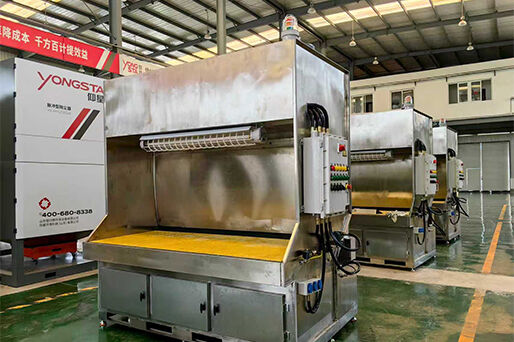
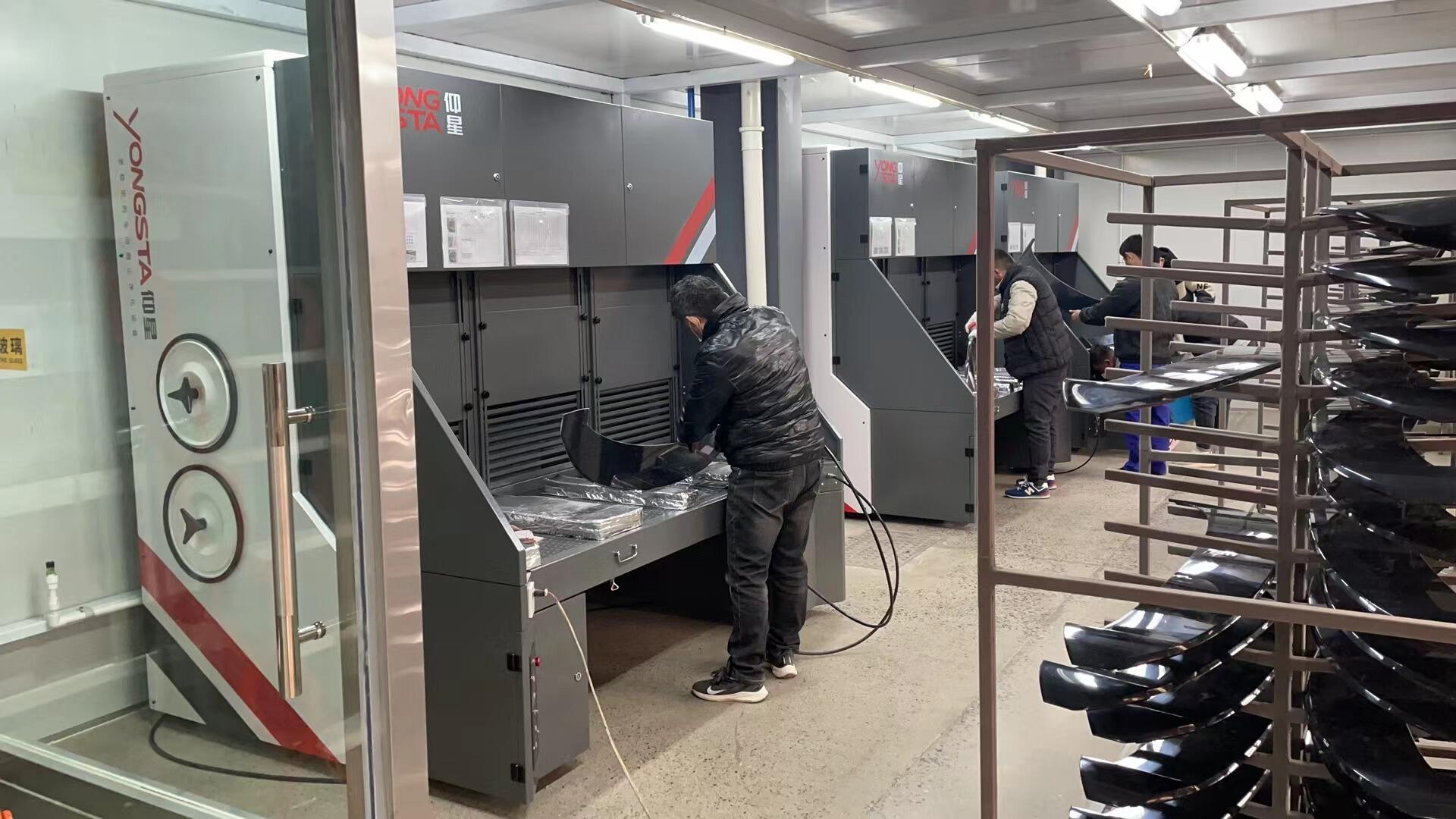
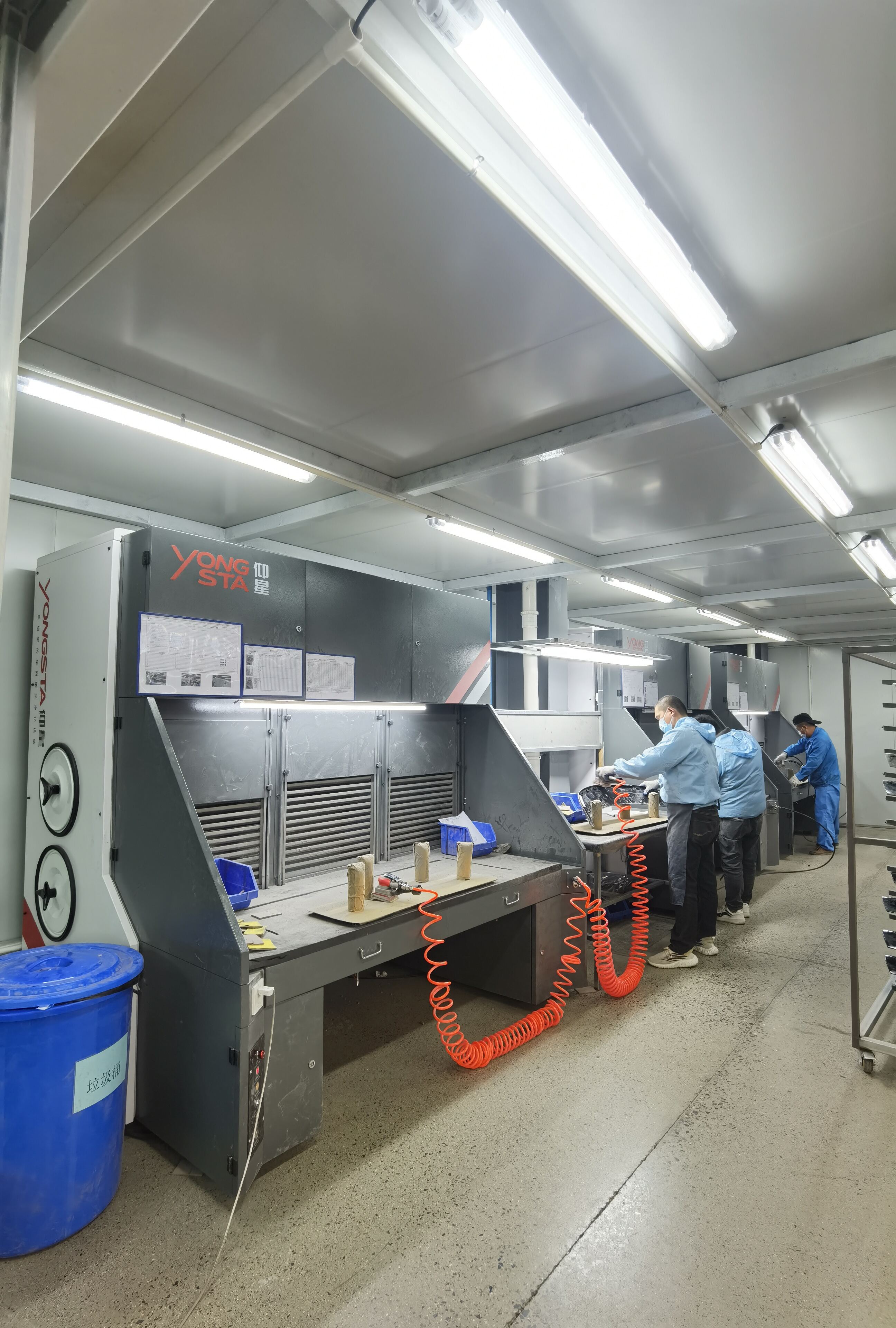
An industrial grinding suction table represents a specialized workholding solution designed to secure workpieces during precision grinding operations. This equipment combines vacuum technology with a flat, precisely machined surface to hold materials firmly in place without mechanical clamping devices. The primary function of an industrial grinding suction table is to provide stable, distortion-free workholding that enables accurate material removal while maintaining dimensional tolerances. These tables utilize powerful vacuum pumps that create negative pressure across the work surface, drawing the workpiece down against the table with consistent force distribution. The technological features of modern industrial grinding suction tables include precision-ground cast iron or steel construction, integrated vacuum channels, adjustable suction zones, and compatibility with various grinding machines. Many models incorporate magnetic assistance for ferrous materials, enhancing holding power and operational safety. The surface flatness of these tables typically meets strict specifications, often within microns, ensuring that workpieces remain perfectly level throughout the grinding process. Industrial grinding suction tables find applications across diverse manufacturing sectors including aerospace component production, automotive parts fabrication, tool and die making, precision instrument manufacturing, and general metalworking operations. They prove particularly valuable when processing thin materials, delicate components, or irregularly shaped workpieces that would deform under traditional clamping pressure. The vacuum holding method eliminates the risk of workpiece distortion caused by mechanical clamps, making these tables essential for achieving tight tolerances in surface grinding, cylindrical grinding, and flat grinding applications. Modern industrial grinding suction tables often feature quick-release mechanisms, allowing operators to load and unload workpieces efficiently, thereby reducing cycle times and increasing productivity. The versatility of these tables extends to handling various materials including metals, composites, ceramics, and certain plastics, making them indispensable tools in contemporary precision manufacturing environments where quality, accuracy, and efficiency remain paramount considerations.

Popular Products

The industrial grinding suction table delivers substantial benefits that directly impact your production efficiency and product quality. First, this equipment eliminates workpiece distortion during machining operations. Traditional clamping methods apply localized pressure that can bend or warp thin materials, compromising dimensional accuracy. The vacuum system distributes holding force evenly across the entire contact surface, maintaining the workpiece in its natural state throughout the grinding process. This uniform pressure distribution means you achieve consistent results across every part you produce. Second, setup time decreases dramatically compared to conventional fixturing methods. Operators simply place the workpiece on the table surface and activate the vacuum system, securing the part in seconds. No time-consuming alignment of clamps, no searching for appropriate fixtures, and no risk of damaging delicate surfaces with mechanical fasteners. This speed advantage translates directly into higher throughput and lower labor costs per part. Third, the industrial grinding suction table enhances workplace safety by eliminating flying clamps or loose fixtures that could become projectiles during high-speed grinding operations. The secure vacuum hold prevents workpiece movement or ejection, protecting operators from potential injuries. Fourth, these tables accommodate irregular shapes and sizes that would challenge traditional workholding solutions. Whether processing small precision components or larger flat stock, the flexible vacuum zones adapt to your specific requirements. Fifth, surface finish quality improves because the grinding process encounters no mechanical obstructions. Clamps and fixtures create shadows or restricted areas that grinding wheels cannot reach, forcing secondary operations or hand finishing. The open surface of a suction table provides complete access to the workpiece, enabling single-setup completion of grinding tasks. Sixth, tool life extends because grinding wheels maintain consistent contact with the workpiece without encountering hard clamp surfaces that could damage abrasive materials. Seventh, the industrial grinding suction table reduces scrap rates by preventing workpiece movement during cutting. Even slight shifting during grinding creates dimensional errors that render parts unusable. The powerful vacuum hold maintains absolute positioning stability, ensuring every part meets specifications. Eighth, these tables support lights-out manufacturing operations. Once programmed, automated grinding systems can load, process, and unload workpieces without operator intervention, maximizing machine utilization during off-shifts. The reliability of vacuum workholding makes this automation possible, giving you competitive advantages through extended production hours and reduced labor dependency.

Tips And Tricks

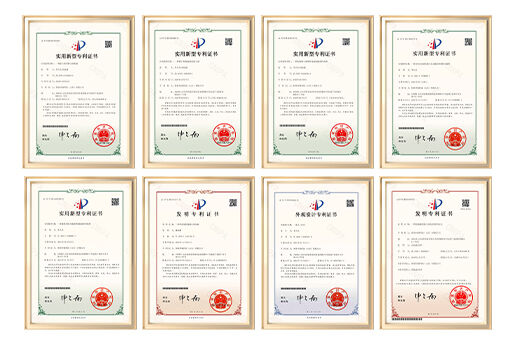
Yongsta R&D Team Wins 3 Dust Removal Technology Patents, Leading Industry Innovation

09

Apr

Yongsta R&D Team Wins 3 Dust Removal Technology Patents, Leading Industry Innovation

View More
Yongsta Cooperates with TUV for ATEX Explosion-Proof Certification, Explosion-Proof Dust Collector to Be Launched Soon

09

Apr

Yongsta Cooperates with TUV for ATEX Explosion-Proof Certification, Explosion-Proof Dust Collector to Be Launched Soon

View More
Empowering Benchmark Manufacturing! Yongsta Cartridge Dust Collector Aids Siemens Transformer China Factory's Dust Removal Renovation and Gains High Recognition

09

Apr

Empowering Benchmark Manufacturing! Yongsta Cartridge Dust Collector Aids Siemens Transformer China Factory's Dust Removal Renovation and Gains High Recognition

View More

Get a Free Quote

Our representative will contact you soon.
Email
Name
Company Name
Message
0/1000

industrial grinding suction table

Precision Flatness for Uncompromising Accuracy

Precision Flatness for Uncompromising Accuracy

The foundation of any industrial grinding suction table lies in its precision-machined flat surface, which serves as the reference plane for all grinding operations. Manufacturers produce these tables using high-grade cast iron or steel alloys selected for dimensional stability and vibration damping properties. The machining process involves multiple grinding and lapping stages that progressively refine the surface to achieve flatness tolerances typically within 0.0002 inches per foot, with premium models reaching even tighter specifications. This exceptional flatness ensures that workpieces rest on a true plane, eliminating the angular errors that would otherwise transfer into the finished part geometry. When you place a workpiece on an industrial grinding suction table, you establish a reliable datum that remains consistent across production runs, enabling repeatable results that meet stringent quality standards. The precision flatness becomes particularly critical when grinding thin materials or producing parts with tight parallelism requirements between opposing surfaces. Any deviation in the table surface would directly translate into geometric errors in the finished workpiece, potentially causing assembly problems or functional failures in the final application. Beyond initial manufacturing precision, these tables maintain their flatness through proper maintenance and periodic resurfacing. The robust construction resists wear from repeated workpiece loading and the occasional contact with grinding wheels, ensuring long-term dimensional stability. Many industrial grinding suction tables incorporate ribbed or honeycomb internal structures that provide rigidity while minimizing weight, preventing deflection under workpiece loads or vacuum pressure. The surface treatment often includes hardening processes that increase wear resistance without sacrificing flatness, extending the service life between resurfacing intervals. Temperature stability represents another crucial aspect of precision flatness. Quality tables use materials with low thermal expansion coefficients and may include temperature compensation features that maintain accuracy across varying shop floor conditions. This thermal stability prevents dimensional drift during extended grinding sessions when friction generates heat. The investment in a precision-flat industrial grinding suction table pays dividends through reduced rework, lower scrap rates, and the ability to hold tighter tolerances than competitors using inferior workholding solutions. For manufacturers pursuing certifications or serving industries with demanding quality requirements, the precision flatness of these tables provides the foundation for demonstrating process capability and maintaining customer confidence in delivered products.
Versatile Vacuum Zone Configuration for Maximum Flexibility

Versatile Vacuum Zone Configuration for Maximum Flexibility

Modern industrial grinding suction tables feature sophisticated vacuum zone configurations that adapt to diverse workpiece geometries and sizes, providing manufacturers with unprecedented flexibility in their grinding operations. Unlike simple single-zone systems that apply uniform suction across the entire table surface, advanced models divide the work area into multiple independently controllable zones. This segmentation allows operators to activate only the zones beneath the workpiece, concentrating vacuum power where needed while preventing air leaks around the workpiece perimeter. The practical benefit becomes immediately apparent when processing small parts on a large table surface. Activating unnecessary zones wastes vacuum pump capacity and reduces the holding force available to secure the workpiece. Selective zone activation optimizes system performance, ensuring maximum holding power regardless of workpiece size. The industrial grinding suction table typically incorporates vacuum channels machined into the surface or embedded within the table structure, connecting to individual zone control valves. Operators can quickly configure the active zones using manual valves, pneumatic controls, or electronic interfaces depending on the system sophistication. Some advanced tables feature programmable zone control that automatically adjusts based on workpiece dimensions entered into the machine control system, eliminating manual setup steps and reducing the potential for operator error. The vacuum distribution pattern within each zone receives careful engineering attention to ensure uniform holding force across the entire workpiece contact area. Manufacturers employ various approaches including grid patterns, spiral configurations, or concentric circles of vacuum ports, each design optimized for specific applications. The port density and diameter balance airflow requirements against surface integrity, providing adequate holding force without creating visible marks on finished workpiece surfaces. Adjustable vacuum intensity represents another valuable feature found in premium industrial grinding suction tables. Different materials and workpiece thicknesses require varying levels of holding force. Thin, flexible materials need gentler suction to prevent distortion, while heavy or rigid workpieces demand maximum vacuum power. Variable intensity control lets operators dial in the optimal holding force for each application, protecting delicate parts while ensuring secure retention of challenging workpieces. The versatility extends to accommodating workpieces with through-holes, slots, or other features that would normally break the vacuum seal. Specialized sealing compounds, flexible gaskets, or auxiliary sealing plates allow the industrial grinding suction table to maintain holding force even with interrupted contact surfaces. This capability expands the range of parts that can benefit from vacuum workholding, eliminating the need for custom fixtures or alternative holding methods that would increase setup complexity and cost.
Rapid Workpiece Loading and Unloading for Enhanced Productivity

Rapid Workpiece Loading and Unloading for Enhanced Productivity

The industrial grinding suction table revolutionizes production efficiency through its rapid workpiece loading and unloading capabilities, directly addressing one of the most significant bottlenecks in precision grinding operations. Traditional mechanical clamping systems require operators to position multiple clamps, verify alignment, tighten fasteners to appropriate torque levels, and then reverse this entire process for workpiece removal. This labor-intensive procedure consumes valuable production time and introduces variability based on operator technique and experience. The vacuum-based approach transforms this workflow into a streamlined process that takes mere seconds. Operators simply place the workpiece on the table surface, ensuring adequate contact area, and activate the vacuum system through a conveniently located control. The industrial grinding suction table immediately draws the workpiece down with powerful, evenly distributed force, securing it firmly in position without any manual adjustment or verification steps. This simplicity reduces the skill level required for workpiece setup, enabling less experienced operators to achieve consistent results while freeing skilled personnel for more complex tasks. The time savings multiply across production volumes, with high-mix manufacturing environments benefiting particularly from the elimination of fixture changeovers. When transitioning between different part numbers, operators avoid the delays associated with removing one set of clamps and installing another configuration. The industrial grinding suction table accommodates various workpiece sizes and shapes without physical reconfiguration, supporting agile manufacturing strategies and quick response to changing production demands. Quick-release mechanisms enhance the speed advantage further by allowing instant vacuum disengagement. A simple valve actuation or button press releases the workpiece immediately, eliminating the gradual pressure bleed-down that would otherwise delay part removal. Some systems incorporate automatic workpiece ejection features that slightly pressurize the vacuum channels upon release, creating a small air cushion that lifts the workpiece fractionally above the table surface for effortless removal. This automation proves especially valuable in high-volume production where every second of cycle time reduction contributes to competitive advantage. The ergonomic benefits of rapid loading and unloading extend beyond pure speed considerations. Operators experience less physical strain because they avoid the repetitive motions of tightening and loosening clamps, reducing the risk of repetitive stress injuries and improving workplace satisfaction. The simplified workflow also decreases mental fatigue by eliminating the decision-making and verification steps associated with mechanical clamping, allowing operators to maintain focus and attention throughout extended production shifts. For automated grinding cells, the industrial grinding suction table enables reliable robotic workpiece handling. Robots can quickly position parts on the table surface with simple pick-and-place motions, and the vacuum system provides the secure holding force necessary for unattended operation. This compatibility with automation supports lights-out manufacturing strategies that maximize equipment utilization and production output without proportional increases in labor costs, delivering substantial return on investment for manufacturers pursuing competitive excellence in precision grinding operations.

Get a Free Quote

Our representative will contact you soon.
Email
Name
Company Name
Message
0/1000
email goToTop