Carga y descarga rápidas de piezas de trabajo para mejorar la productividad
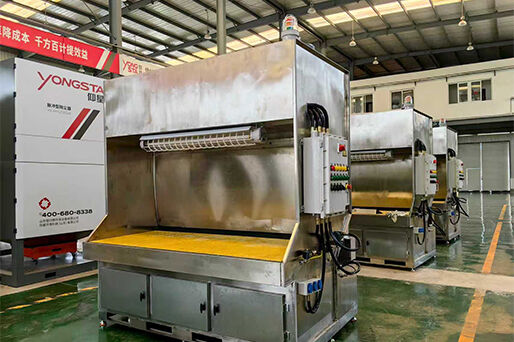
La mesa de succión industrial para rectificado revoluciona la eficiencia productiva gracias a sus capacidades de carga y descarga rápidas de las piezas de trabajo, abordando directamente uno de los cuellos de botella más significativos en las operaciones de rectificado de precisión. Los sistemas tradicionales de sujeción mecánica exigen que los operarios posicionen múltiples abrazaderas, verifiquen el alineamiento, aprieten los elementos de fijación a los niveles de par adecuados y, posteriormente, inviertan todo este proceso para retirar la pieza de trabajo. Este procedimiento intensivo en mano de obra consume un tiempo productivo valioso e introduce variabilidad según la técnica y la experiencia del operario. El enfoque basado en vacío transforma este flujo de trabajo en un proceso optimizado que dura apenas unos segundos. El operario simplemente coloca la pieza de trabajo sobre la superficie de la mesa, asegurando un área de contacto suficiente, y activa el sistema de vacío mediante un control ubicado de forma conveniente. La mesa de succión industrial para rectificado atrae inmediatamente la pieza de trabajo hacia abajo con una fuerza potente y uniformemente distribuida, fijándola firmemente en su posición sin necesidad de ajustes manuales ni pasos de verificación. Esta simplicidad reduce el nivel de habilidad requerido para la preparación de la pieza de trabajo, permitiendo que operarios con menos experiencia obtengan resultados consistentes, mientras se libera al personal cualificado para tareas más complejas. Los ahorros de tiempo se multiplican a lo largo de los volúmenes de producción, beneficiando especialmente a los entornos de fabricación de alta variedad gracias a la eliminación de los cambios de accesorios. Al pasar de un número de pieza a otro, los operarios evitan los retrasos asociados con la retirada de un conjunto de abrazaderas y la instalación de otra configuración. La mesa de succión industrial para rectificado admite distintos tamaños y formas de piezas de trabajo sin necesidad de reconfiguración física, apoyando estrategias de fabricación ágil y una respuesta rápida ante demandas cambiantes de producción. Los mecanismos de liberación rápida potencian aún más la ventaja de velocidad al permitir la desactivación instantánea del vacío. Una simple actuación de válvula o pulsación de un botón libera inmediatamente la pieza de trabajo, eliminando la pérdida gradual de presión que, de otro modo, retrasaría su extracción. Algunos sistemas incorporan funciones automáticas de expulsión de la pieza de trabajo que, al liberarse, presurizan ligeramente los canales de vacío, generando un pequeño cojín de aire que eleva levemente la pieza por encima de la superficie de la mesa para facilitar su retirada. Esta automatización resulta especialmente valiosa en la producción en grandes volúmenes, donde cada segundo de reducción del tiempo de ciclo contribuye a la ventaja competitiva. Los beneficios ergonómicos derivados de la carga y descarga rápidas van más allá de consideraciones puramente relacionadas con la velocidad. Los operarios experimentan menor esfuerzo físico, ya que evitan los movimientos repetitivos de apretar y aflojar abrazaderas, reduciendo así el riesgo de lesiones por esfuerzo repetitivo y mejorando la satisfacción laboral. El flujo de trabajo simplificado también disminuye la fatiga mental al eliminar los pasos de toma de decisiones y verificación asociados con la sujeción mecánica, permitiendo que los operarios mantengan la concentración y la atención durante turnos productivos prolongados. Para células de rectificado automatizadas, la mesa de succión industrial para rectificado posibilita una manipulación fiable de las piezas de trabajo por robots. Estos pueden colocar rápidamente las piezas sobre la superficie de la mesa mediante simples movimientos de agarre y colocación, y el sistema de vacío proporciona la fuerza de sujeción segura necesaria para su funcionamiento sin supervisión. Esta compatibilidad con la automatización respalda estrategias de fabricación «sin luces» (lights-out) que maximizan la utilización de los equipos y la producción sin incrementos proporcionales en los costes laborales, ofreciendo un retorno de la inversión sustancial para los fabricantes que buscan la excelencia competitiva en operaciones de rectificado de precisión.
 ×
×



 EN
EN