high voltage electrostatic precipitator
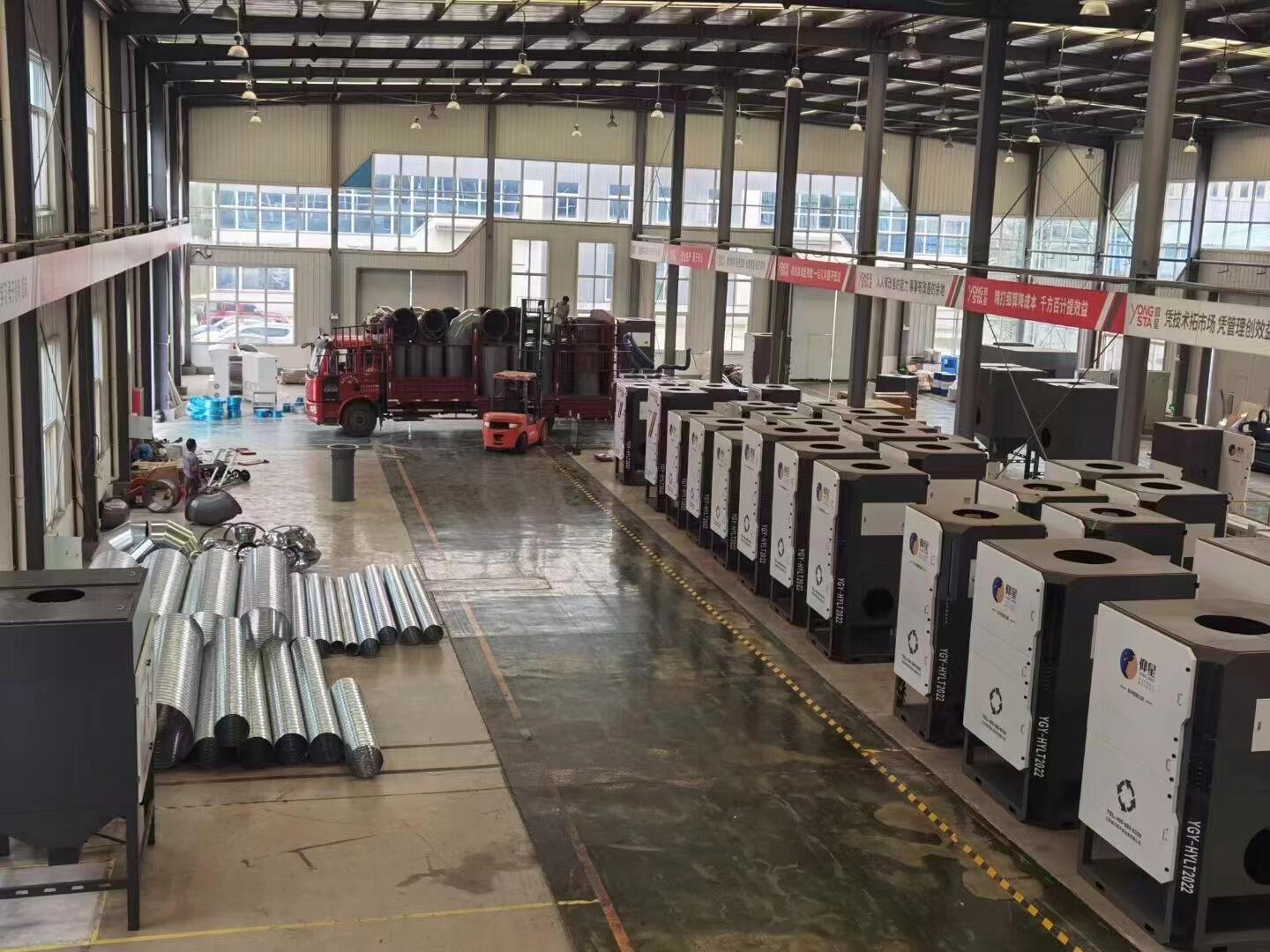
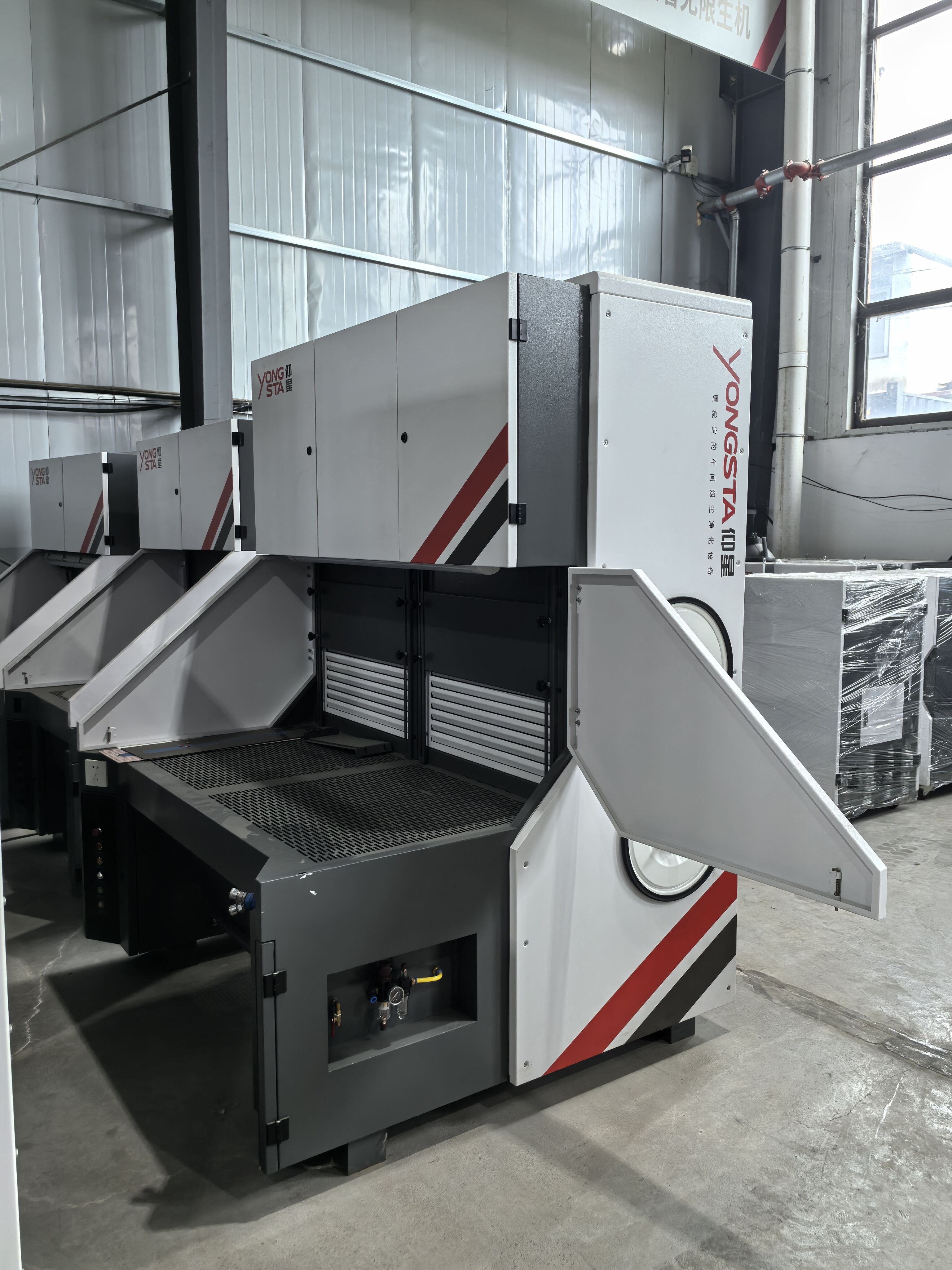
A high voltage electrostatic precipitator represents an advanced air pollution control device that removes particulate matter from industrial exhaust gases and emissions. This sophisticated equipment operates by applying a high voltage electrical charge to particles suspended in gas streams, causing them to migrate toward collection plates where they accumulate and can be removed. The technology has become essential in modern industrial facilities, power plants, cement manufacturing operations, steel mills, and chemical processing plants where controlling airborne pollutants is critical for environmental compliance and worker safety. The high voltage electrostatic precipitator functions through a multi-stage process that begins with ionization, where corona discharge electrodes generate ions that attach to particles passing through the system. These charged particles then move through an electric field created between discharge and collection electrodes, with the strength of this field determining collection efficiency. The main functions include capturing fine particulate matter as small as 0.01 microns, reducing visible emissions, meeting stringent environmental regulations, and protecting downstream equipment from particle buildup. Technological features of the high voltage electrostatic precipitator include automated voltage control systems that optimize performance based on gas conditions, rapper systems that periodically clean collection plates, and sophisticated monitoring equipment that tracks operational parameters. Modern units incorporate microprocessor-based controls, allowing operators to adjust settings remotely and receive real-time performance data. The applications span numerous industries, with power generation facilities using these systems to capture fly ash from coal combustion, cement plants employing them to control kiln dust, and metal processing operations relying on them to capture metallic fumes and particles. The versatility of the high voltage electrostatic precipitator makes it suitable for handling various gas volumes, temperatures, and particle characteristics, providing reliable performance across diverse operating conditions while maintaining low pressure drop and energy consumption compared to alternative filtration technologies.
 ×
×



 EN
EN