Downdraft Tables Grinding Dust - Industrial Dust Collection Systems for Safe Metal Grinding Operations

Get a Free Quote

Our representative will contact you soon.
Email
Name
Company Name
Message
0/1000

downdraft tables grinding dust

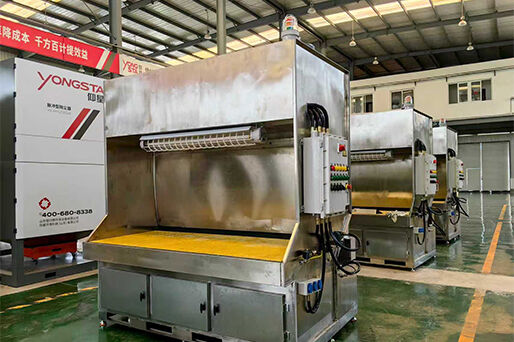
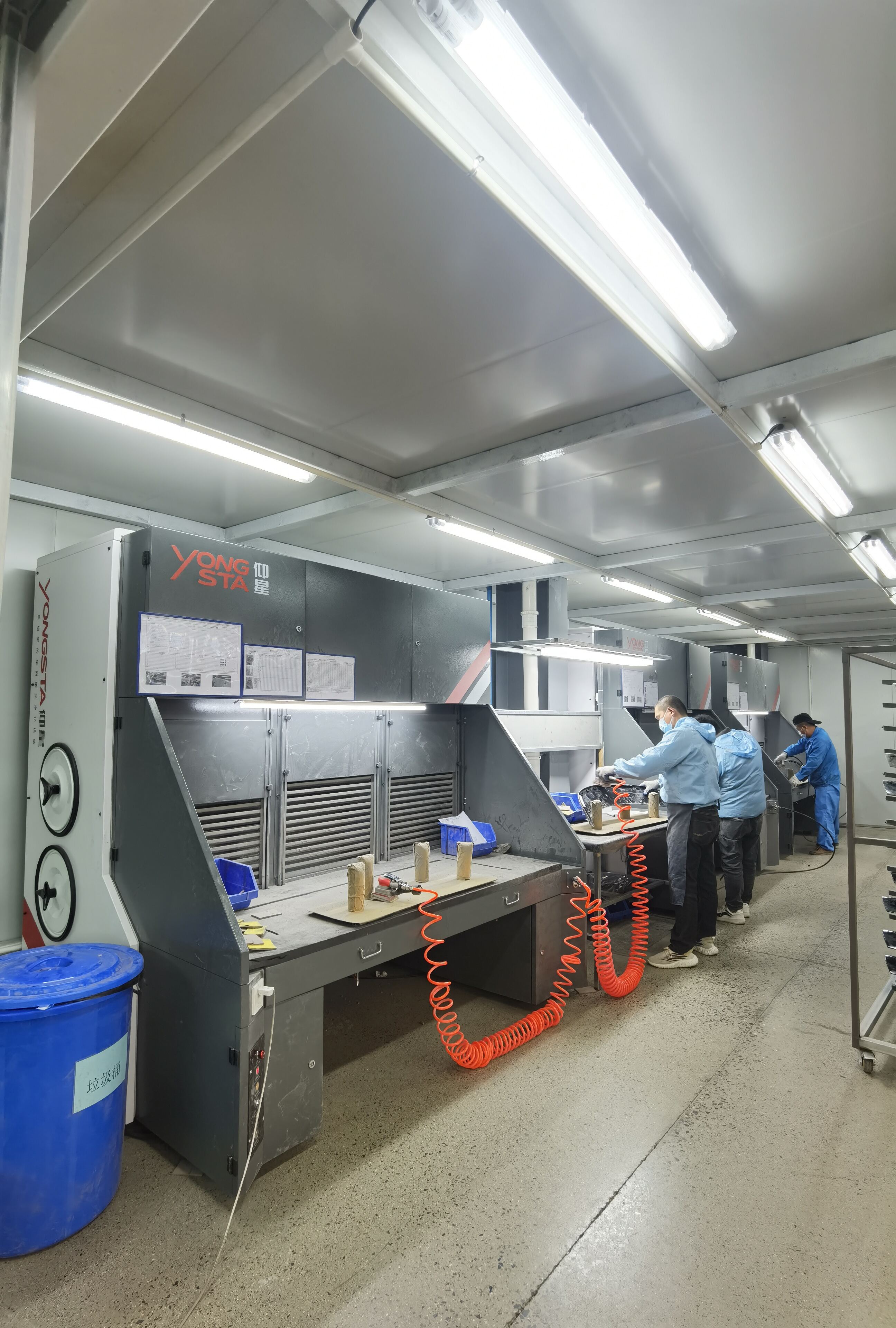
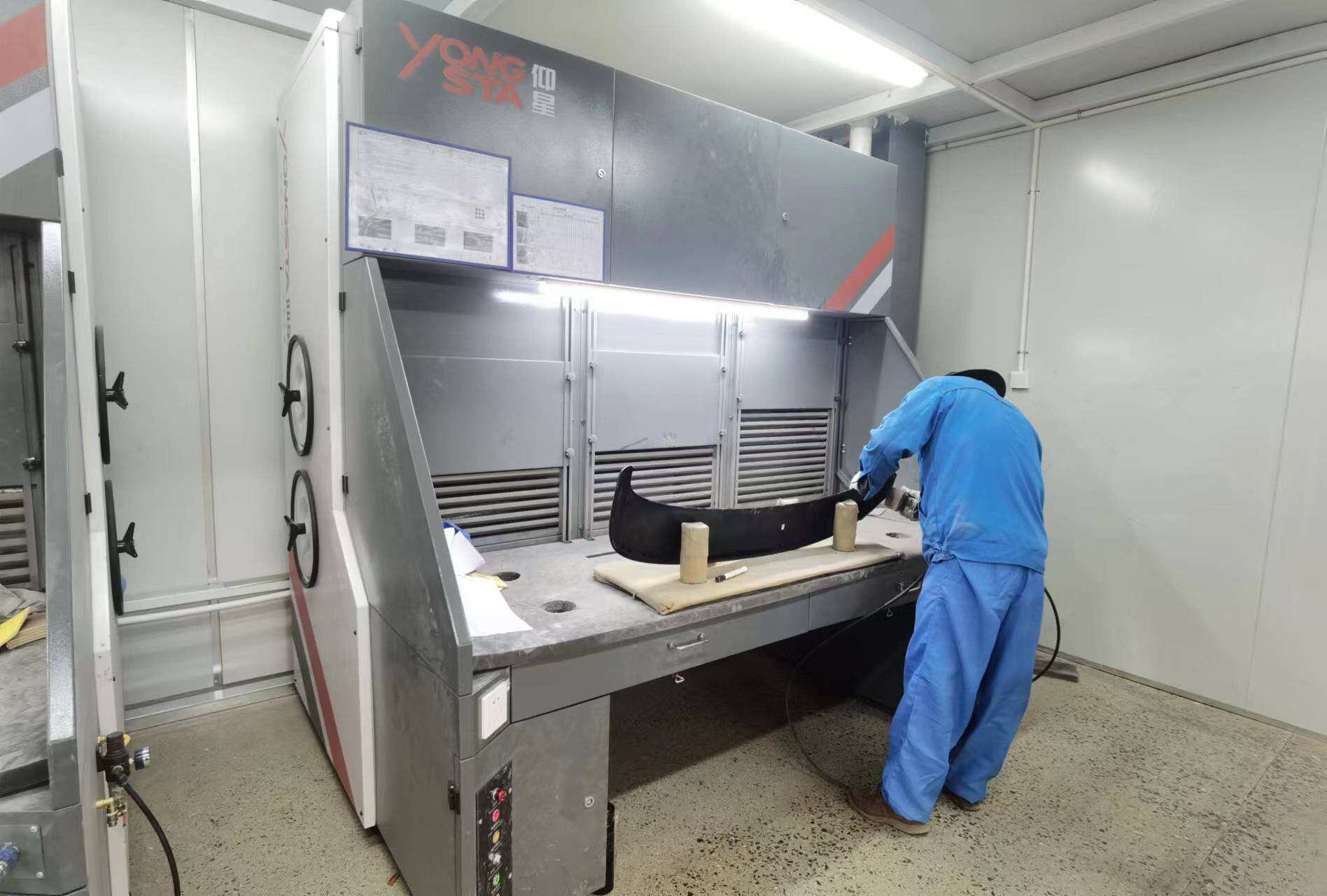
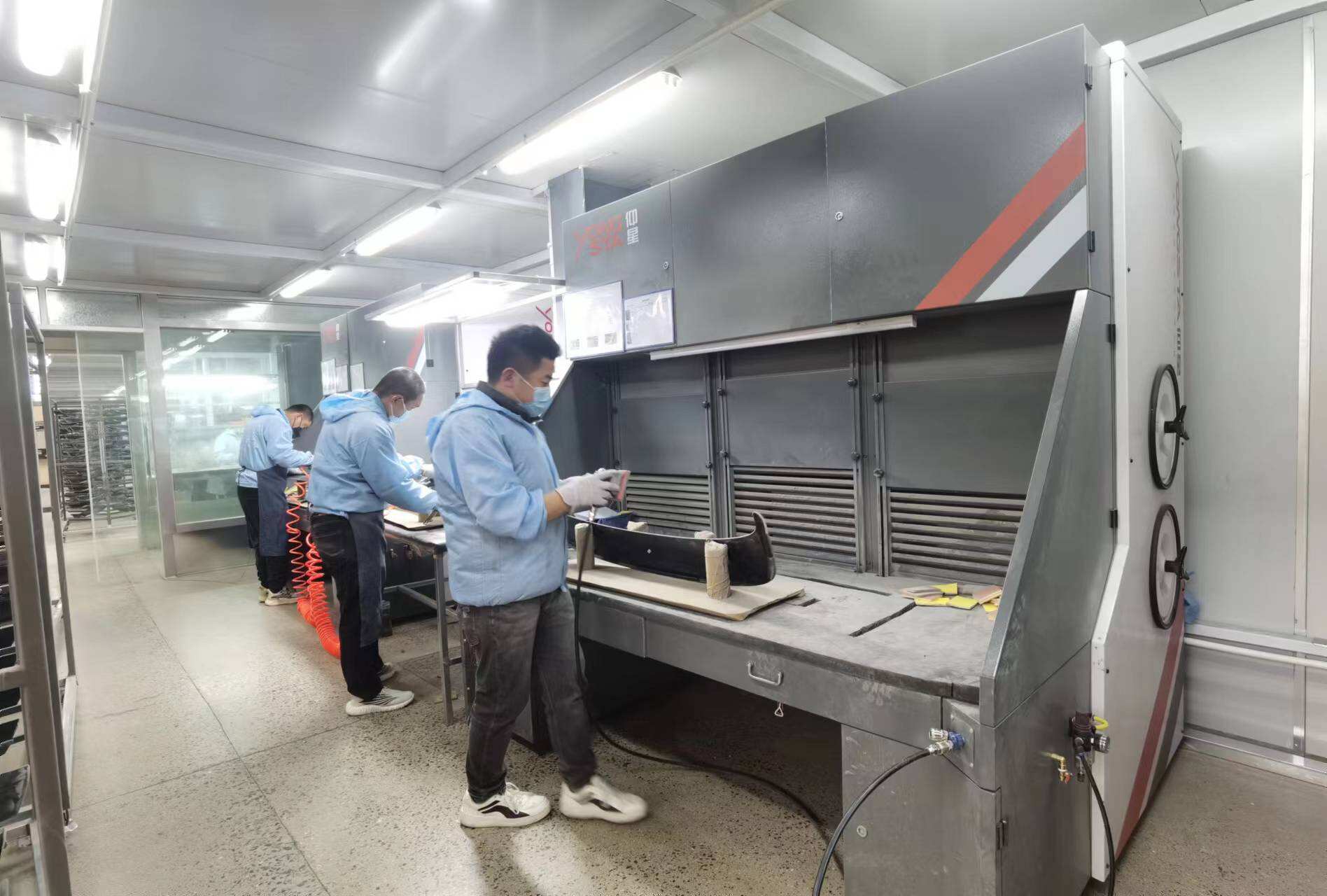
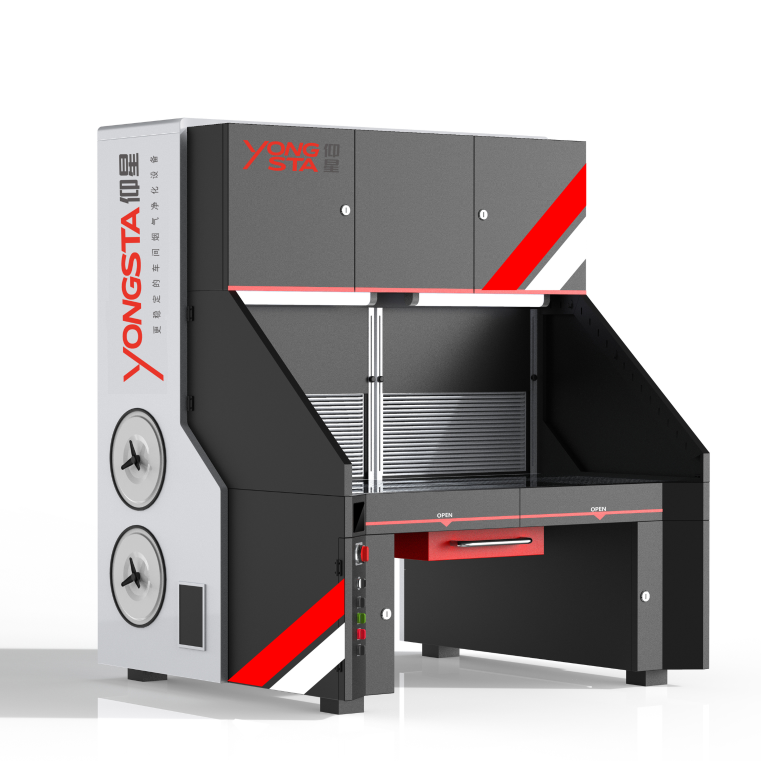
Downdraft tables grinding dust represent a specialized industrial ventilation solution designed to capture and contain airborne particles generated during grinding, sanding, polishing, and other metalworking operations. These systems function by drawing contaminated air downward through a perforated work surface, effectively removing hazardous dust and debris at the source before it can disperse into the surrounding workspace. The fundamental principle behind downdraft tables grinding dust involves creating negative pressure beneath the work surface, which pulls airborne contaminants away from the operator's breathing zone and channels them into an integrated filtration system. Modern downdraft tables grinding dust incorporate advanced filtration technology, typically featuring multi-stage filtration processes that include pre-filters for larger particles and high-efficiency particulate air filters for fine dust capture. The work surface itself consists of a robust steel grid or perforated plate that supports workpieces while allowing maximum airflow penetration. These tables come in various configurations, from compact benchtop models suitable for small workshops to large industrial units capable of handling heavy fabrication work. The technological features of downdraft tables grinding dust include variable speed fans that allow operators to adjust suction power based on the specific grinding operation, ensuring optimal dust capture without excessive energy consumption. Many systems incorporate automatic filter cleaning mechanisms that extend filter life and maintain consistent performance. The construction typically involves heavy-gauge steel frames designed to withstand industrial environments and vibration from grinding equipment. Applications for downdraft tables grinding dust span numerous industries including automotive repair, aerospace manufacturing, metal fabrication, woodworking, composite material processing, and general manufacturing facilities. These systems prove particularly valuable in operations involving aluminum, steel, stainless steel, titanium, and other metals that produce fine particulate matter during grinding. The tables effectively manage dust from angle grinders, belt sanders, disc sanders, and various hand-held grinding tools, making them indispensable for maintaining clean, compliant, and safe working environments in modern manufacturing facilities.

New Product Recommendations

Downdraft tables grinding dust deliver substantial workplace safety improvements by actively removing harmful particulates from the breathing zone of operators, significantly reducing exposure to metal dust, silica, and other hazardous materials that can cause respiratory illnesses and long-term health complications. Workers experience immediate benefits through cleaner air quality, which translates to fewer respiratory irritations, reduced eye discomfort, and overall improved comfort during extended grinding operations. These systems help facilities achieve compliance with occupational safety regulations, including OSHA standards for permissible exposure limits, avoiding costly fines and potential legal liabilities associated with inadequate dust control measures. The operational efficiency gains from downdraft tables grinding dust extend beyond safety, as cleaner work environments result in better visibility during precision grinding tasks, allowing operators to maintain tighter tolerances and produce higher quality finished products. Maintenance costs decrease substantially because airborne dust no longer settles on machinery, electrical equipment, and facility infrastructure, reducing the frequency of equipment cleaning and preventing premature wear on sensitive components. Facilities experience lower housekeeping expenses since dust capture occurs at the source rather than allowing particles to spread throughout the workspace, eliminating the need for constant sweeping and reducing overall cleaning time. The contained dust collection simplifies waste disposal processes, as concentrated particulate matter can be efficiently removed from filter systems and properly disposed of according to environmental regulations. Energy efficiency represents another significant advantage, as modern downdraft tables grinding dust utilize optimized airflow designs and variable speed controls that minimize power consumption while maintaining effective dust capture rates. These systems operate quietly compared to traditional overhead ventilation solutions, creating a more pleasant work environment that supports better concentration and reduces operator fatigue. The modular design of many downdraft tables grinding dust allows for easy integration into existing workflows without requiring extensive facility modifications or expensive installation procedures. Return on investment materializes quickly through reduced health insurance claims, lower absenteeism rates, improved worker productivity, and extended equipment lifespan. Facilities also benefit from enhanced professional image when clients or inspectors visit, as clean, well-maintained workspaces demonstrate commitment to quality and safety standards. The flexibility of downdraft tables grinding dust accommodates various workpiece sizes and grinding operations, from small precision components to larger fabrication projects, making them versatile solutions for diverse manufacturing needs. Environmental benefits include reduced facility emissions and better containment of potentially hazardous materials, supporting corporate sustainability initiatives and community relations.

Latest News

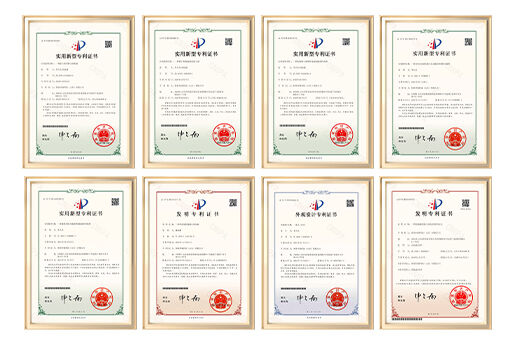
Yongsta R&D Team Wins 3 Dust Removal Technology Patents, Leading Industry Innovation

09

Apr

Yongsta R&D Team Wins 3 Dust Removal Technology Patents, Leading Industry Innovation

View More
Yongsta Cooperates with TUV for ATEX Explosion-Proof Certification, Explosion-Proof Dust Collector to Be Launched Soon

09

Apr

Yongsta Cooperates with TUV for ATEX Explosion-Proof Certification, Explosion-Proof Dust Collector to Be Launched Soon

View More
Empowering Benchmark Manufacturing! Yongsta Cartridge Dust Collector Aids Siemens Transformer China Factory's Dust Removal Renovation and Gains High Recognition

09

Apr

Empowering Benchmark Manufacturing! Yongsta Cartridge Dust Collector Aids Siemens Transformer China Factory's Dust Removal Renovation and Gains High Recognition

View More

Get a Free Quote

Our representative will contact you soon.
Email
Name
Company Name
Message
0/1000

downdraft tables grinding dust

Superior Dust Capture Technology for Maximum Operator Protection

Superior Dust Capture Technology for Maximum Operator Protection

Downdraft tables grinding dust employ sophisticated engineering principles that prioritize operator safety through highly efficient particulate capture mechanisms positioned directly at the point of generation. The downward airflow pattern creates a protective barrier that intercepts grinding dust before it can rise into the operator's breathing zone, fundamentally different from overhead ventilation systems that often allow contaminants to pass through the worker's space before capture. This source capture methodology proves significantly more effective because it works with natural particle behavior rather than against it, as grinding operations naturally propel particles in multiple directions, and the downdraft system immediately redirects them downward regardless of initial trajectory. The perforated work surface design maximizes capture efficiency by distributing suction evenly across the entire work area, eliminating dead zones where dust might escape and ensuring consistent performance regardless of where grinding occurs on the table. Advanced downdraft tables grinding dust incorporate computational fluid dynamics optimization in their design, creating uniform velocity profiles that maintain effective capture even when operators work at various positions around the table perimeter. The multi-stage filtration systems integrated into these tables provide exceptional particle retention, with primary filters capturing larger debris and secondary high-efficiency filters trapping particles down to submicron sizes, including the most dangerous respirable dust fractions that pose the greatest health risks. This comprehensive filtration approach ensures that exhaust air meets or exceeds air quality standards, allowing for safe recirculation in temperature-controlled facilities where exhausting conditioned air would be economically wasteful. The sealed construction of quality downdraft tables grinding dust prevents bypass leakage, ensuring that all captured air passes through the filtration system rather than escaping through gaps or seams. Operators benefit from adjustable suction controls that allow them to match airflow velocity to specific grinding operations, providing stronger capture for aggressive grinding that generates high dust volumes while conserving energy during lighter finishing work. The immediate dust removal provided by downdraft tables grinding dust also improves work quality by maintaining clear visibility of the workpiece and grinding area, enabling operators to monitor their progress accurately and achieve precise results consistently. Long-term health protection represents the most valuable benefit, as chronic exposure to metal grinding dust has been linked to serious respiratory conditions, and downdraft tables grinding dust serve as the primary defense against these occupational hazards.
Robust Construction and Operational Reliability for Demanding Industrial Environments

Robust Construction and Operational Reliability for Demanding Industrial Environments

Downdraft tables grinding dust feature industrial-grade construction designed to withstand the rigorous demands of continuous manufacturing operations, incorporating heavy-duty materials and engineering principles that ensure long service life even in the harshest working conditions. The work surface typically consists of thick steel grating or perforated plate capable of supporting substantial workpiece weights while maintaining structural integrity under the impact and vibration generated by grinding operations. This robust surface design resists warping, denting, and wear that would compromise both functionality and safety in lighter-duty alternatives. The frame construction utilizes heavy-gauge steel with reinforced corners and cross-members that provide exceptional stability, preventing movement or vibration that could affect grinding precision or create safety hazards. Powder-coated or specially treated finishes protect against corrosion from metal particles, grinding fluids, and environmental moisture, ensuring that downdraft tables grinding dust maintain their appearance and structural integrity throughout years of service. The fan systems powering these tables incorporate industrial-grade motors with sealed bearings designed for continuous duty cycles, eliminating the frequent failures associated with inadequate motor specifications. These motors typically feature thermal overload protection and are sized with appropriate safety margins to handle the static pressure created by loaded filters without strain. The filter housings employ tool-free access designs that simplify maintenance procedures, allowing operators to inspect and change filters quickly without specialized equipment or extensive downtime. Downdraft tables grinding dust often incorporate filter pressure monitoring systems that provide visual or electronic alerts when filters require service, preventing performance degradation and ensuring consistent dust capture efficiency. The electrical components meet industrial standards for dust and moisture resistance, with properly rated enclosures that protect sensitive controls from the harsh particulate environment. Quality manufacturers design downdraft tables grinding dust with serviceability in mind, using standard components that are readily available and providing clear documentation for maintenance procedures. The modular construction approach allows facilities to expand capacity by adding additional tables or upgrading components as production requirements evolve. Vibration isolation features in premium downdraft tables grinding dust minimize noise transmission to the facility structure and reduce operator fatigue during extended use. The combination of durable construction and thoughtful engineering results in systems that deliver reliable performance with minimal maintenance requirements, maximizing uptime and protecting the substantial investment these systems represent.
Versatile Applications and Seamless Workflow Integration Across Industries

Versatile Applications and Seamless Workflow Integration Across Industries

Downdraft tables grinding dust demonstrate remarkable versatility in accommodating diverse grinding operations across multiple industries, from precision aerospace component finishing to heavy fabrication in structural steel shops. The adaptable nature of these systems allows them to handle various materials including ferrous and non-ferrous metals, composites, plastics, and wood products, making them valuable assets in facilities with diverse production requirements. In automotive repair and customization shops, downdraft tables grinding dust provide essential protection when grinding body filler, removing paint, or preparing metal surfaces for welding, operations that generate particularly hazardous dust containing heavy metals and chemical compounds. Aerospace manufacturers rely on these systems when working with exotic alloys like titanium and Inconel, materials that produce extremely fine, reactive dust particles requiring exceptional capture efficiency to prevent both health hazards and fire risks. Metal fabrication facilities utilize downdraft tables grinding dust for deburring, weld grinding, and surface preparation tasks that occur throughout the production process, integrating these tables into workflow stations where they become natural extensions of the manufacturing sequence. The pharmaceutical and food processing industries employ downdraft tables grinding dust when maintaining stainless steel equipment, ensuring that metal particles do not contaminate production environments where cleanliness standards are paramount. Educational institutions and vocational training centers incorporate these systems into metalworking curricula, teaching students proper dust control practices while protecting them during skill development. The physical footprint options available in downdraft tables grinding dust range from compact benchtop units suitable for small repair shops to large walk-around tables that accommodate oversized workpieces in heavy industrial settings. This size flexibility ensures that facilities can implement appropriate dust control regardless of space constraints or production scale. Many downdraft tables grinding dust feature mobile configurations with locking casters, allowing operators to position dust capture exactly where needed and reconfigure workspace layouts as production demands change. The open work surface design accommodates grinding tools of various sizes and configurations, from small die grinders to large angle grinders, without restricting operator movement or tool positioning. Facilities can integrate downdraft tables grinding dust with existing dust collection infrastructure or operate them as standalone units with self-contained filtration, providing implementation flexibility that suits different facility configurations and budgets. The universal appeal of downdraft tables grinding dust stems from their ability to solve the fundamental challenge of grinding dust control in a practical, effective manner that enhances rather than complicates existing workflows.

Get a Free Quote

Our representative will contact you soon.
Email
Name
Company Name
Message
0/1000
email goToTop