mesas de extracción descendente para polvo de amolado
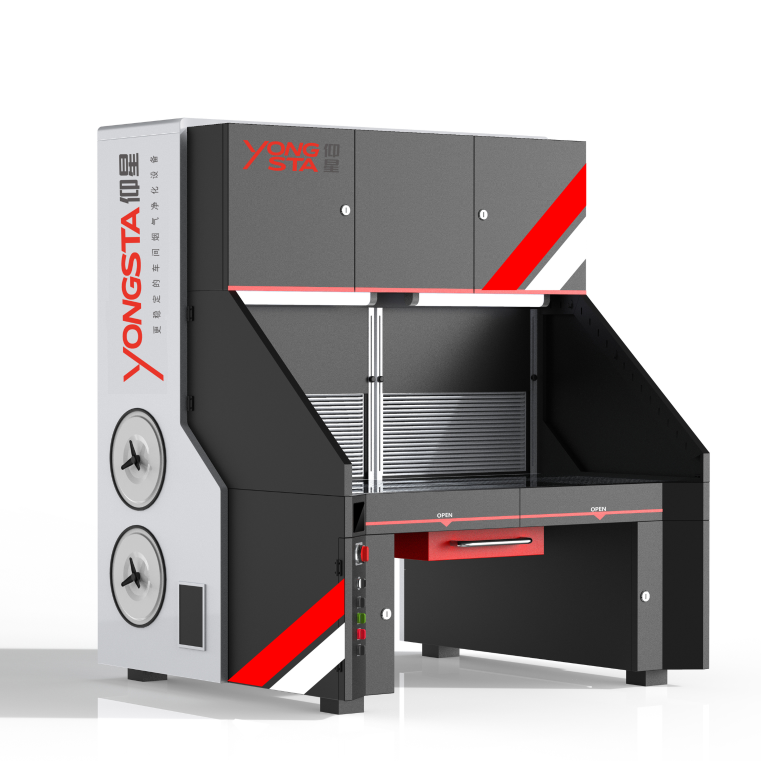
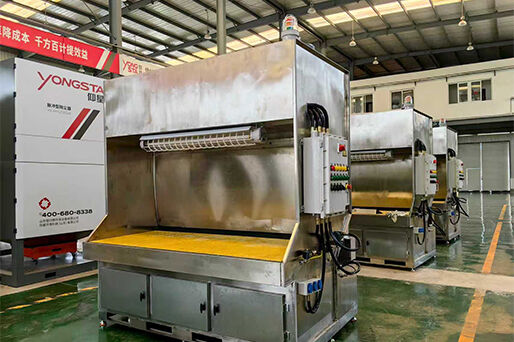
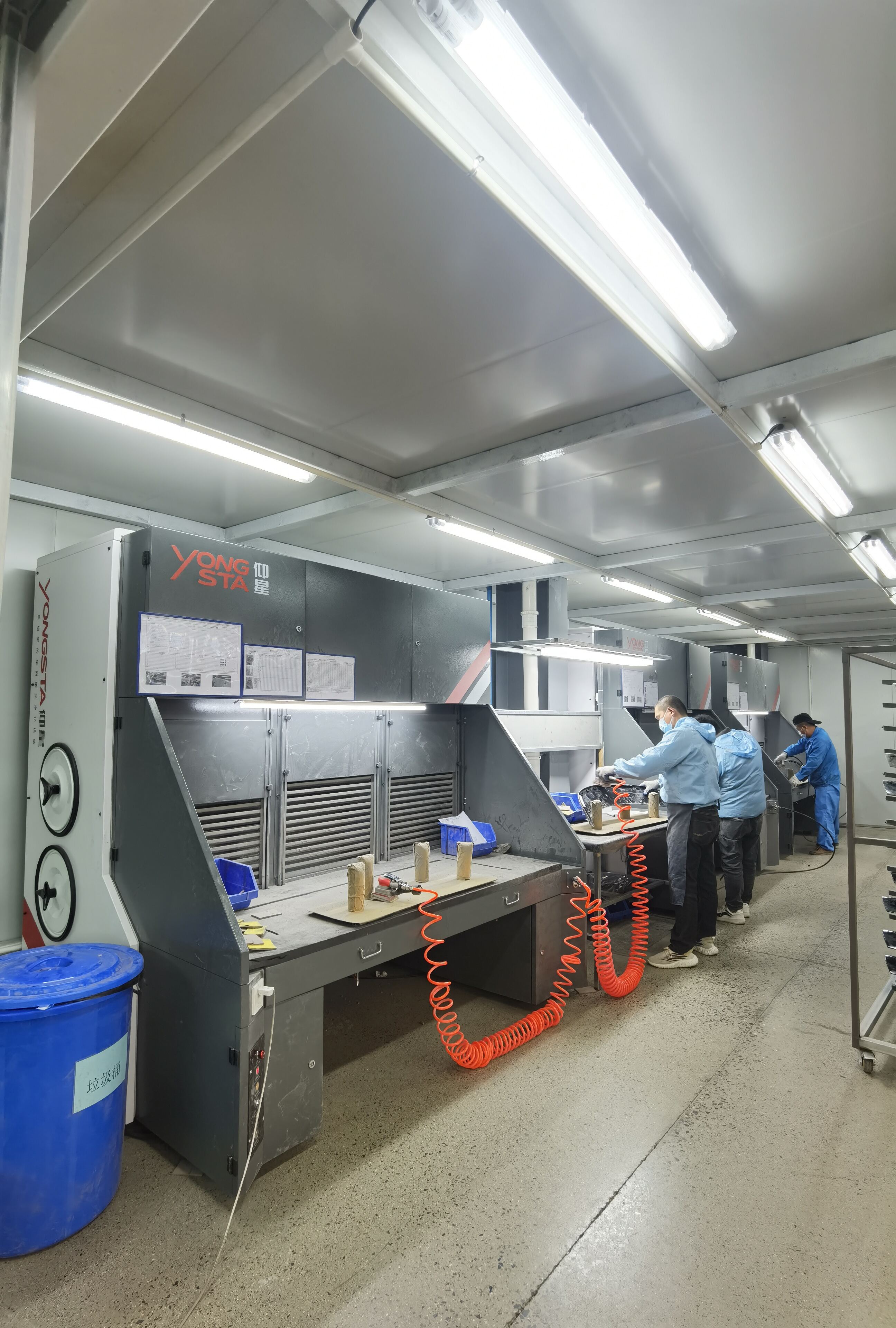
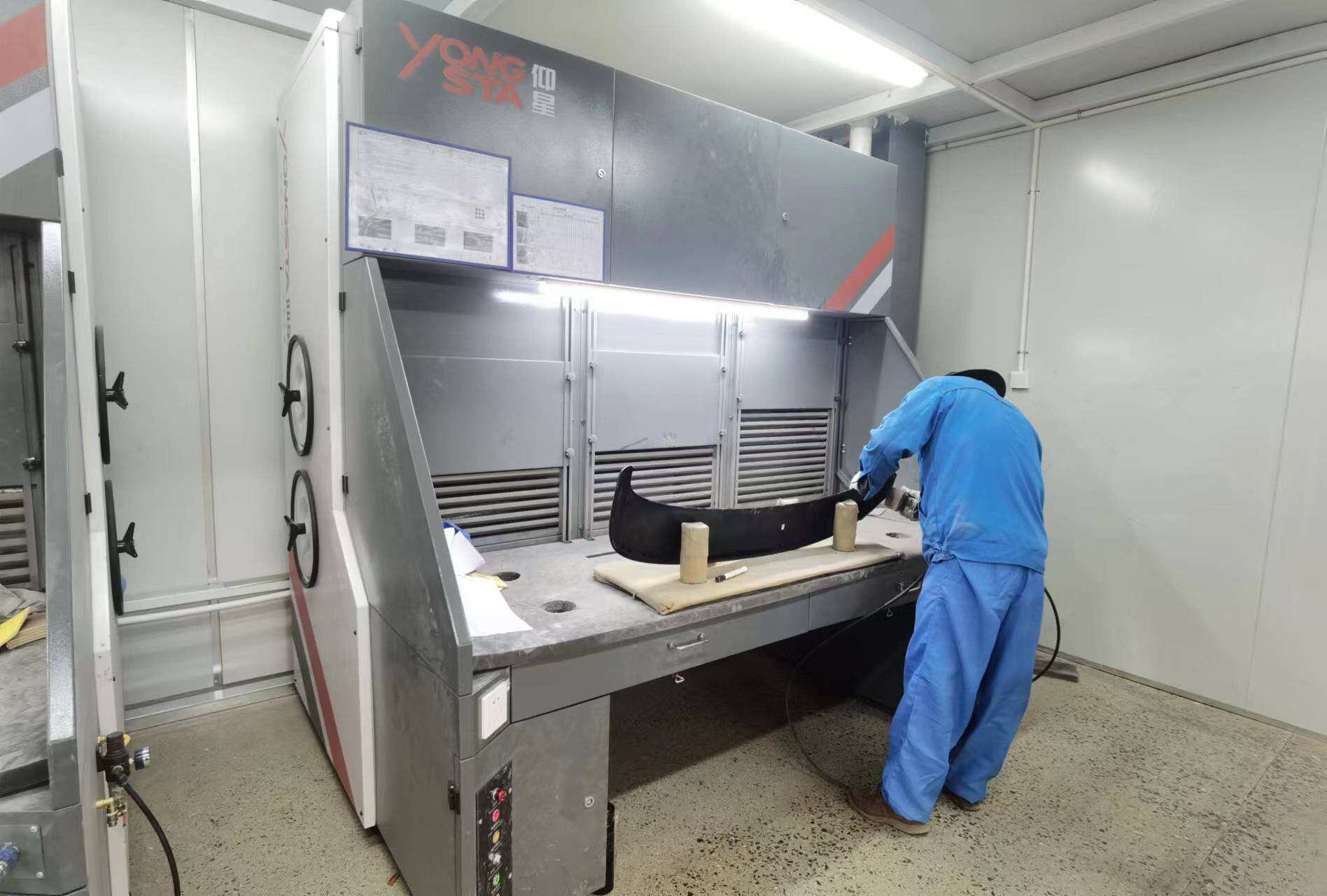
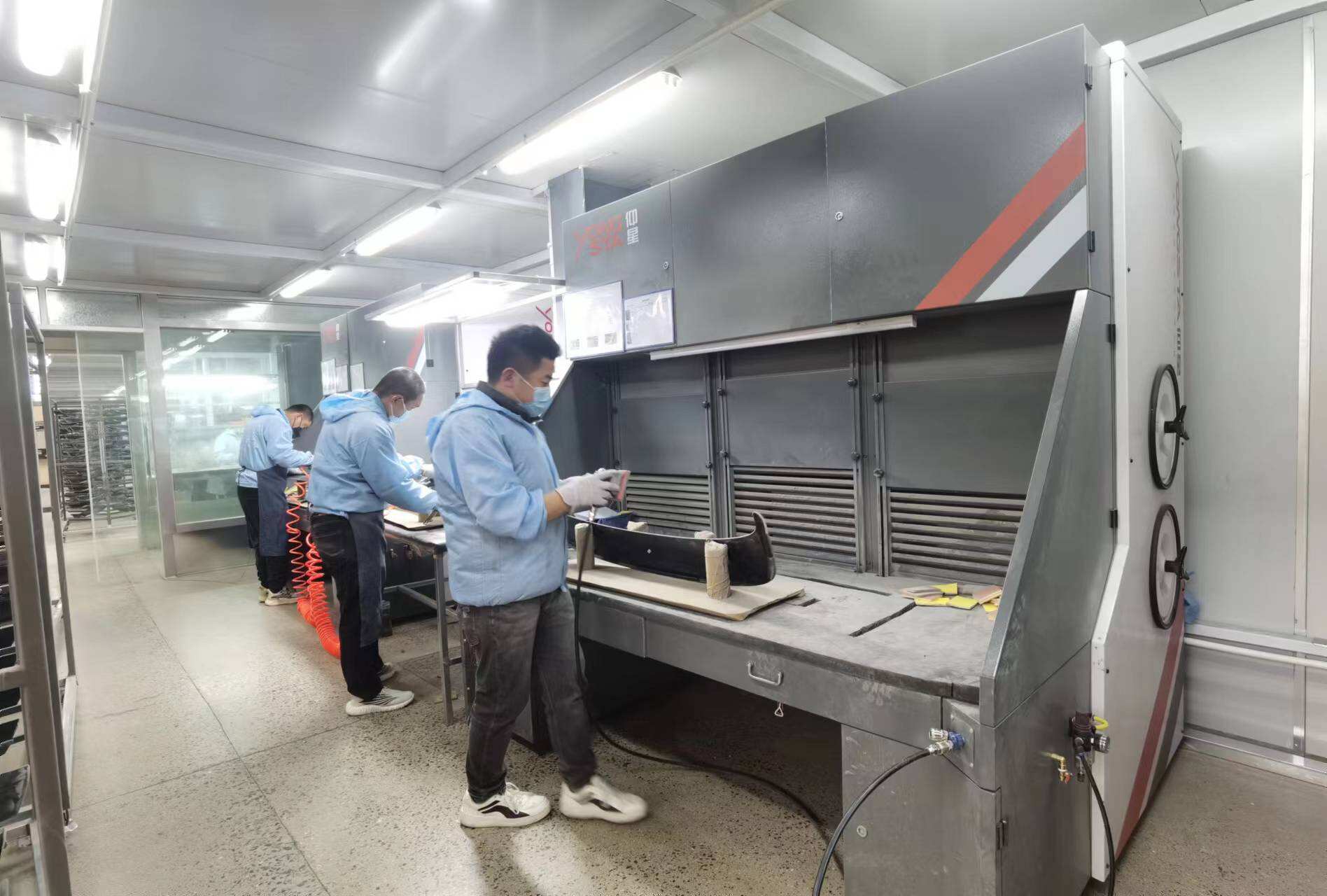
Las mesas de extracción descendente para polvo de rectificado representan una solución especializada de ventilación industrial diseñada para capturar y contener las partículas en suspensión generadas durante operaciones de rectificado, lijado, pulido y otras actividades de mecanizado de metales. Estos sistemas funcionan aspirando el aire contaminado hacia abajo a través de una superficie de trabajo perforada, eliminando eficazmente el polvo y los residuos peligrosos en su origen, antes de que puedan dispersarse en el entorno laboral circundante. El principio fundamental que rige las mesas de extracción descendente para polvo de rectificado consiste en crear una presión negativa debajo de la superficie de trabajo, lo que extrae los contaminantes en suspensión lejos de la zona respiratoria del operario y los canaliza hacia un sistema de filtración integrado. Las mesas de extracción descendente para polvo de rectificado modernas incorporan tecnología avanzada de filtración, normalmente con procesos de filtración multicapa que incluyen prefiltros para partículas más grandes y filtros de aire de partículas de alta eficiencia (HEPA) para la captura de polvo fino. La superficie de trabajo está compuesta por una rejilla de acero robusta o una placa perforada que soporta las piezas mientras permite una penetración máxima del flujo de aire. Estas mesas están disponibles en diversas configuraciones, desde modelos compactos de banco adecuados para talleres pequeños hasta unidades industriales de gran tamaño capaces de manejar trabajos pesados de fabricación. Entre sus características tecnológicas destacan ventiladores de velocidad variable que permiten a los operarios ajustar la potencia de succión según la operación específica de rectificado, garantizando una captura óptima del polvo sin un consumo excesivo de energía. Muchos sistemas incorporan mecanismos automáticos de limpieza de filtros que prolongan su vida útil y mantienen un rendimiento constante. Su construcción suele basarse en estructuras de acero de calibre grueso, diseñadas para resistir entornos industriales y las vibraciones provocadas por los equipos de rectificado. Las aplicaciones de las mesas de extracción descendente para polvo de rectificado abarcan numerosos sectores, entre ellos la reparación automotriz, la fabricación aeroespacial, la fabricación de metales, la carpintería, el procesamiento de materiales compuestos y las instalaciones generales de fabricación. Estos sistemas resultan especialmente valiosos en operaciones que implican aluminio, acero, acero inoxidable, titanio y otros metales que generan partículas finas durante el rectificado. Asimismo, gestionan eficazmente el polvo procedente de amoladoras angulares, lijadoras de cinta, lijadoras de disco y diversas herramientas portátiles de rectificado, convirtiéndolas en elementos indispensables para mantener entornos laborales limpios, conformes a la normativa y seguros en las instalaciones modernas de fabricación.
 ×
×



 EN
EN