Industrial Dust Filtration Systems - Advanced Air Quality Solutions for Manufacturing

Get a Free Quote

Our representative will contact you soon.
Email
Name
Company Name
Message
0/1000

dust filtration system

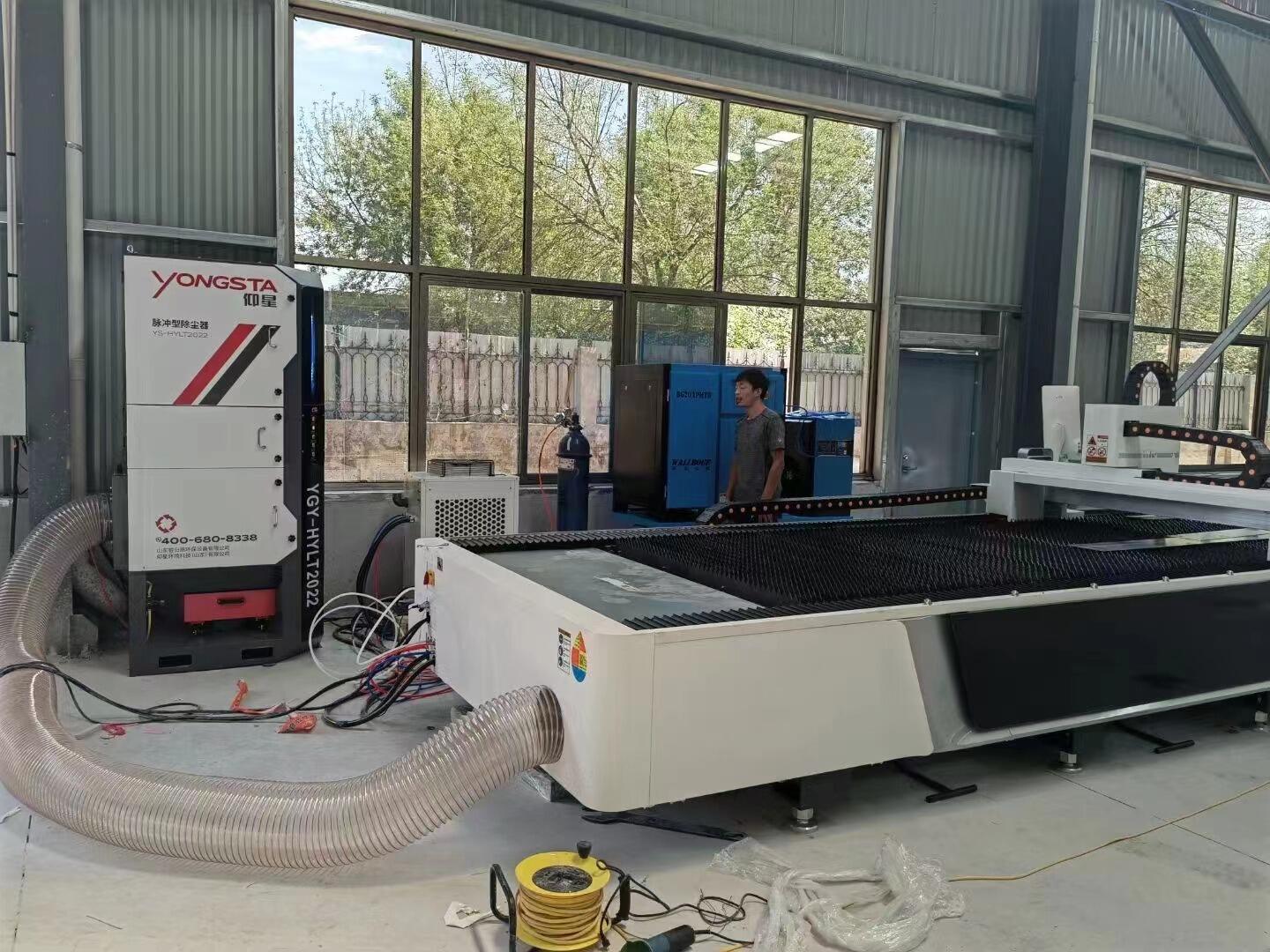
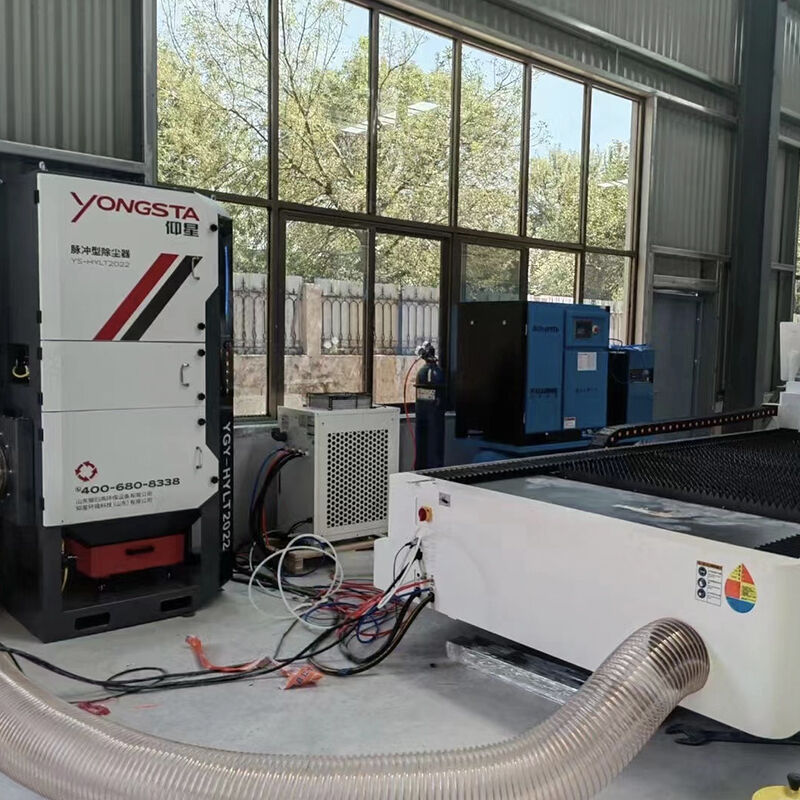
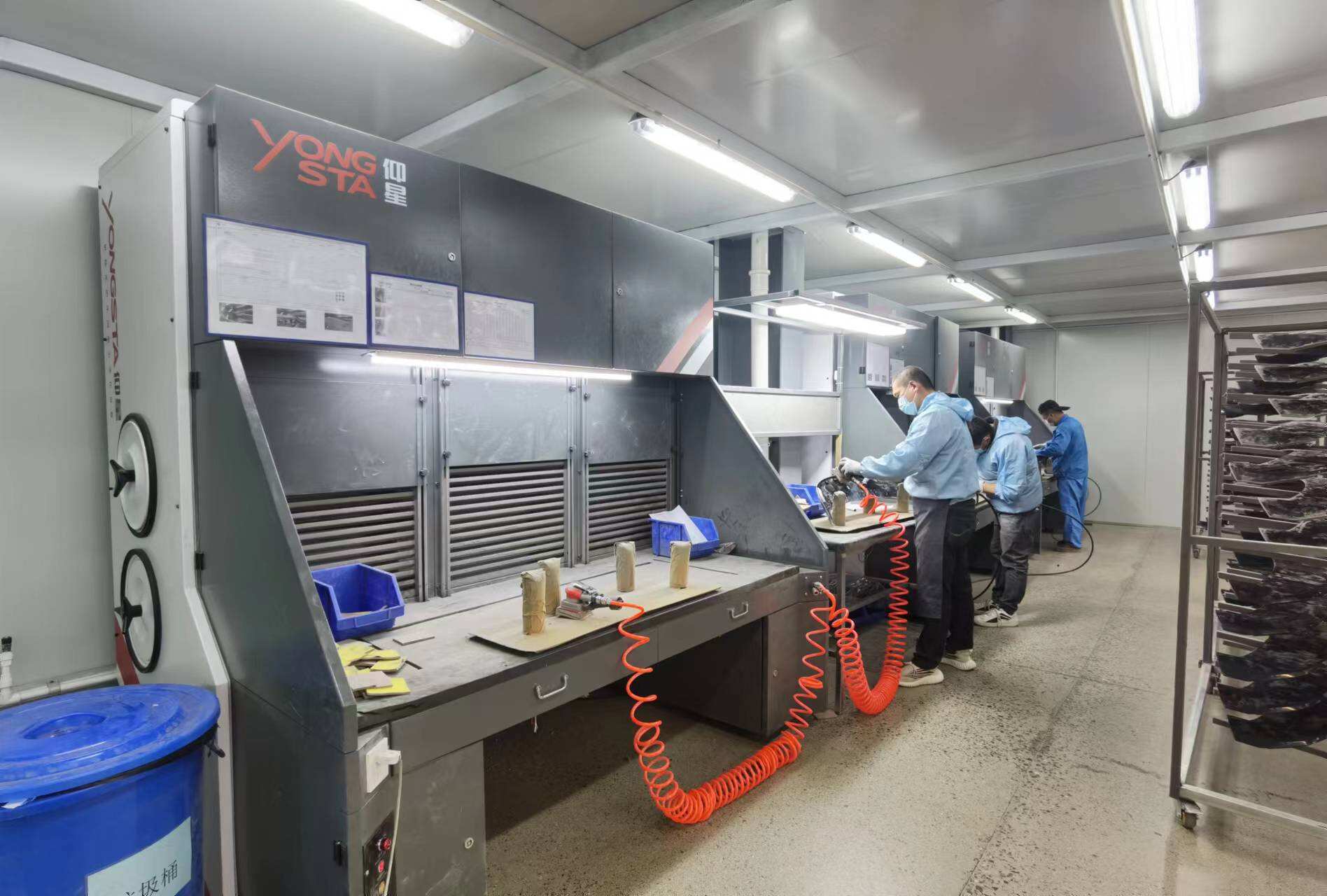
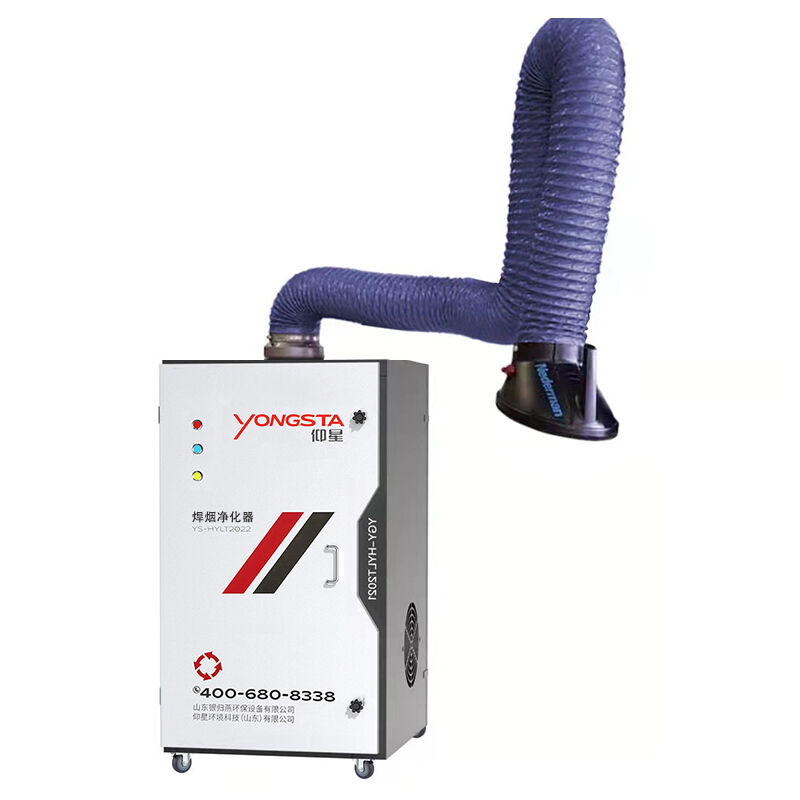
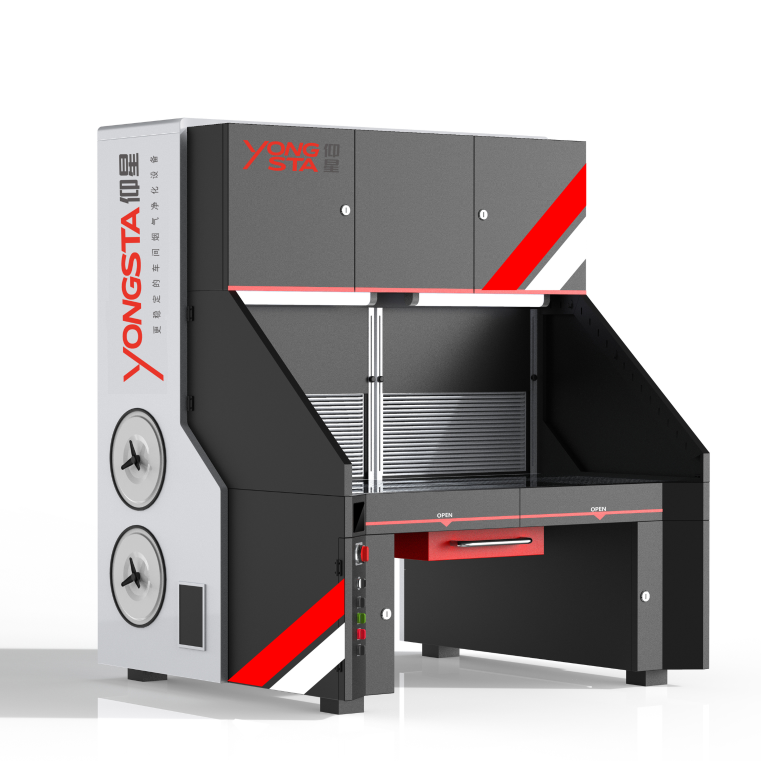
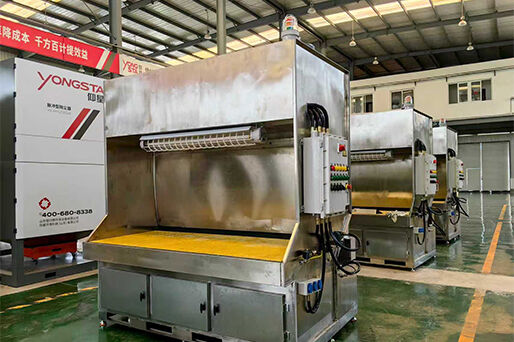
A dust filtration system represents a critical component in modern industrial and commercial environments where air quality management is essential. These sophisticated systems are designed to capture, contain, and remove airborne particulate matter from various spaces, ensuring cleaner air for workers, protecting sensitive equipment, and maintaining compliance with environmental regulations. The primary function of a dust filtration system involves drawing contaminated air through specialized filter media that traps particles of varying sizes, from large debris to microscopic dust particles measuring just a few microns. The filtered air is then returned to the workspace or exhausted outside, depending on the specific application requirements. Technologically, these systems incorporate multiple stages of filtration, often combining pre-filters for larger particles with high-efficiency particulate air filters for finer dust capture. Advanced models feature automated cleaning mechanisms such as pulse-jet technology, which uses compressed air bursts to dislodge accumulated dust from filter surfaces, extending filter life and maintaining consistent airflow. Modern dust filtration systems also integrate smart monitoring capabilities, including differential pressure sensors that track filter loading and alert operators when maintenance is needed. Applications span numerous industries including woodworking shops, metalworking facilities, pharmaceutical manufacturing, food processing plants, cement production, mining operations, and general manufacturing environments. In woodworking applications, these systems capture sawdust and wood chips generated during cutting and sanding operations. Metalworking facilities rely on dust filtration systems to control metal dust, grinding particles, and welding fumes. The pharmaceutical and food industries utilize these systems to maintain sterile environments and prevent cross-contamination. Construction sites employ portable dust filtration systems to manage silica dust and other hazardous particles. The versatility of dust filtration systems makes them indispensable across sectors where airborne particulate control is necessary for health, safety, product quality, and regulatory compliance.

Popular Products

Implementing a dust filtration system delivers substantial benefits that directly impact your bottom line and workplace environment. First and foremost, these systems dramatically improve air quality by removing harmful particles that workers would otherwise breathe throughout their shifts. Cleaner air means healthier employees, which translates to fewer sick days, reduced healthcare costs, and improved productivity. Workers in environments with effective dust control report better respiratory health, fewer allergies, and greater overall comfort during their workday. Beyond health benefits, dust filtration systems protect your valuable equipment and machinery from premature wear and damage. Airborne particles that settle on motors, electronics, and precision instruments can cause overheating, short circuits, and accelerated deterioration. By capturing these particles before they settle, filtration systems extend equipment lifespan and reduce maintenance expenses. The financial savings from avoided repairs and replacements often justify the initial investment within the first few years of operation. Regulatory compliance represents another significant advantage. Occupational safety agencies worldwide enforce strict limits on workplace dust exposure, and failure to meet these standards can result in hefty fines, work stoppages, and legal liability. A properly designed dust filtration system helps you meet or exceed these requirements, providing documentation and peace of mind during inspections. Many systems include monitoring features that automatically record air quality data, simplifying compliance reporting. Product quality improvements also result from effective dust control. In manufacturing environments, airborne contamination can compromise product integrity, leading to defects, customer complaints, and costly rework. Industries producing electronics, pharmaceuticals, food products, and precision components particularly benefit from the contamination control that dust filtration systems provide. Cleaner production environments yield higher quality outputs and fewer rejected batches. Housekeeping becomes significantly easier with a dust filtration system in place. Rather than dust settling on every surface requiring constant cleaning, the system captures particles at their source. This reduction in settled dust means less time spent on cleanup, lower janitorial costs, and a more professional appearance for your facility. Visitors and customers notice the difference, which enhances your company image. Energy efficiency is another practical advantage. Modern dust filtration systems are engineered to move large volumes of air while consuming minimal electricity. Variable frequency drives adjust fan speeds based on actual demand, reducing energy waste during periods of lower production activity. The cost savings on utility bills accumulate month after month, contributing to the system's return on investment. Finally, these systems offer operational flexibility. Modular designs allow you to scale capacity as your business grows, and portable units can be relocated to different work areas as needs change. This adaptability ensures your investment continues delivering value even as your operations evolve.

Latest News

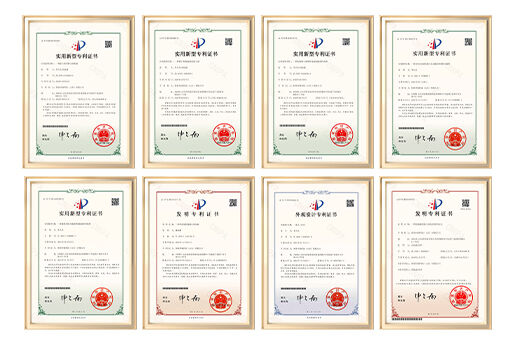
Yongsta R&D Team Wins 3 Dust Removal Technology Patents, Leading Industry Innovation

09

Apr

Yongsta R&D Team Wins 3 Dust Removal Technology Patents, Leading Industry Innovation

View More
Yongsta Cooperates with TUV for ATEX Explosion-Proof Certification, Explosion-Proof Dust Collector to Be Launched Soon

09

Apr

Yongsta Cooperates with TUV for ATEX Explosion-Proof Certification, Explosion-Proof Dust Collector to Be Launched Soon

View More
Empowering Benchmark Manufacturing! Yongsta Cartridge Dust Collector Aids Siemens Transformer China Factory's Dust Removal Renovation and Gains High Recognition

09

Apr

Empowering Benchmark Manufacturing! Yongsta Cartridge Dust Collector Aids Siemens Transformer China Factory's Dust Removal Renovation and Gains High Recognition

View More

Get a Free Quote

Our representative will contact you soon.
Email
Name
Company Name
Message
0/1000

dust filtration system

Advanced Multi-Stage Filtration Technology Ensures Maximum Particle Capture

Advanced Multi-Stage Filtration Technology Ensures Maximum Particle Capture

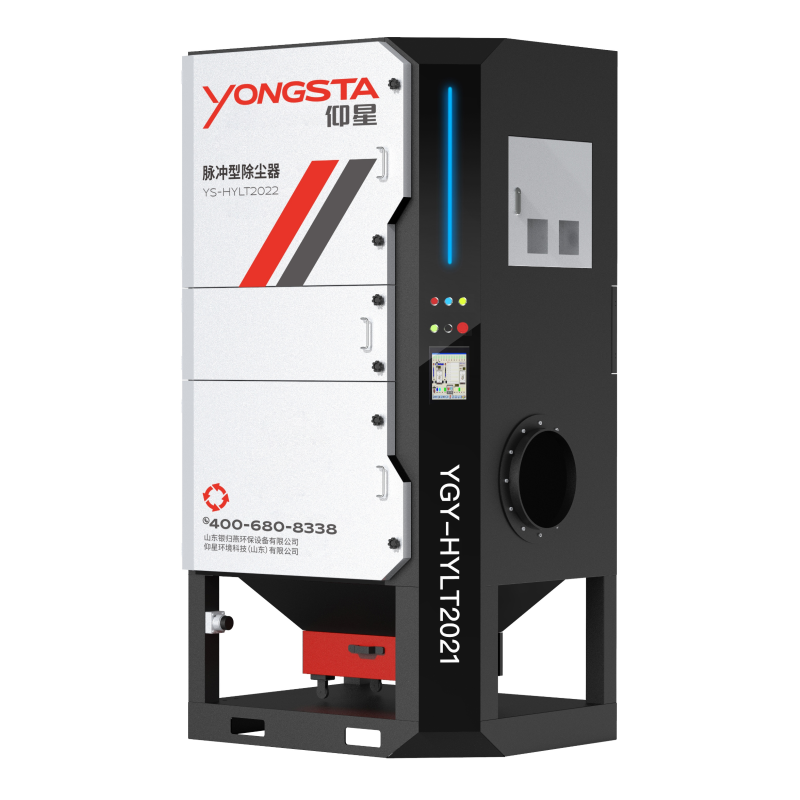
The cornerstone of any effective dust filtration system lies in its filtration technology, and modern systems employ sophisticated multi-stage approaches that capture particles across the entire size spectrum. The first stage typically consists of a pre-filter or cyclonic separator that removes larger particles through centrifugal force or mechanical screening. This initial separation is crucial because it prevents oversized debris from reaching and potentially damaging the primary filters while also reducing the overall particulate load on downstream filtration stages. By removing these larger particles early in the process, the system operates more efficiently and filter elements last significantly longer. The primary filtration stage utilizes high-efficiency filter cartridges or bags constructed from specialized media engineered to trap particles as small as 0.3 microns with efficiency ratings often exceeding 99.9 percent. These filters employ a combination of mechanical interception, inertial impaction, and diffusion to capture particles. The filter media itself features a complex three-dimensional structure with varying fiber densities that create a tortuous path for airborne particles. As contaminated air passes through this media, particles collide with fibers and become trapped, while clean air continues through to the outlet side. The surface area of these filters is maximized through pleating or other geometric configurations, providing substantial dust-holding capacity before requiring maintenance. Many advanced dust filtration systems incorporate automated cleaning mechanisms that dramatically extend filter life and maintain consistent performance. Pulse-jet cleaning represents the most common technology, where brief bursts of compressed air are directed into individual filter elements in a programmed sequence. These air pulses create a shockwave that dislodges accumulated dust from the filter surface, causing it to fall into a collection hopper below. This cleaning occurs while the system continues operating, eliminating downtime and ensuring uninterrupted air filtration. The frequency and intensity of cleaning cycles can be adjusted based on dust loading conditions, optimizing performance for specific applications. Some systems also feature mechanical shaking mechanisms or reverse-flow cleaning for applications where compressed air is unavailable. The final stage in premium dust filtration systems may include an after-filter or HEPA filter for applications requiring the highest air purity levels. These ultra-fine filters capture any particles that escaped earlier stages, delivering air quality suitable for cleanroom environments or sensitive processes. The multi-stage approach provides redundancy and ensures that even if one stage experiences reduced efficiency, overall system performance remains acceptable. This layered defense against airborne contamination gives facility managers confidence that their air quality standards will be consistently met regardless of production variations or dust characteristics.
Smart Monitoring and Control Systems Optimize Performance and Reduce Operating Costs

Smart Monitoring and Control Systems Optimize Performance and Reduce Operating Costs

Contemporary dust filtration systems integrate intelligent monitoring and control technologies that transform them from passive filtration devices into active air quality management systems. At the heart of these smart systems are differential pressure sensors that continuously measure the pressure drop across filter elements. As filters accumulate dust, airflow resistance increases, which manifests as higher differential pressure. The control system tracks this pressure rise and uses it to determine optimal cleaning intervals, triggering automated cleaning cycles precisely when needed rather than on arbitrary time schedules. This data-driven approach maximizes filter life by avoiding unnecessary cleaning that can accelerate filter wear, while also preventing excessive dust buildup that would compromise filtration efficiency and increase energy consumption. The intelligence extends beyond simple pressure monitoring to encompass comprehensive system diagnostics. Advanced controllers track fan motor current, airflow rates, cleaning cycle frequency, and filter element service hours. This wealth of operational data enables predictive maintenance strategies where potential issues are identified and addressed before they cause system failures or performance degradation. For example, if a particular filter cartridge shows abnormally rapid pressure increase compared to others in the same collector, the system can alert maintenance personnel to inspect that specific element for damage or improper installation. This targeted approach to maintenance reduces downtime and labor costs compared to traditional calendar-based service schedules. Many modern dust filtration systems offer connectivity options that integrate them into broader facility management systems. Ethernet, Wi-Fi, or industrial protocol connections allow real-time monitoring from central control rooms or even remote locations via cloud-based platforms. Facility managers can view system status, receive alerts, and analyze performance trends from their smartphones or computers without physically visiting the equipment. This remote visibility is particularly valuable for organizations operating multiple facilities or for systems located in difficult-to-access areas. Historical data logging provides insights into dust generation patterns, helping identify process improvements that could reduce dust at the source. Energy management features represent another dimension of smart control in dust filtration systems. Variable frequency drives adjust fan speeds based on actual demand, measured through pressure sensors or production activity signals. During periods of low dust generation, the system automatically reduces airflow, cutting energy consumption proportionally. Some systems incorporate occupancy sensors or integrate with production equipment controls to enter standby mode when the facility is unoccupied or production lines are idle. These energy-saving strategies can reduce operating costs by thirty to fifty percent compared to constant-speed operation, with the savings accumulating substantially over the system's lifespan. User interfaces have evolved to provide intuitive operation even for personnel without specialized training. Touchscreen displays present system status in clear graphical formats with color-coded indicators for normal operation, warnings, and alarms. Troubleshooting guides built into the interface help operators quickly diagnose and resolve common issues. Multilingual support ensures that diverse workforces can effectively interact with the system. The combination of automated operation and user-friendly interfaces minimizes the training burden and reduces the likelihood of operational errors that could compromise air quality or damage equipment.
Flexible Design Options Accommodate Diverse Applications and Facility Constraints

Flexible Design Options Accommodate Diverse Applications and Facility Constraints

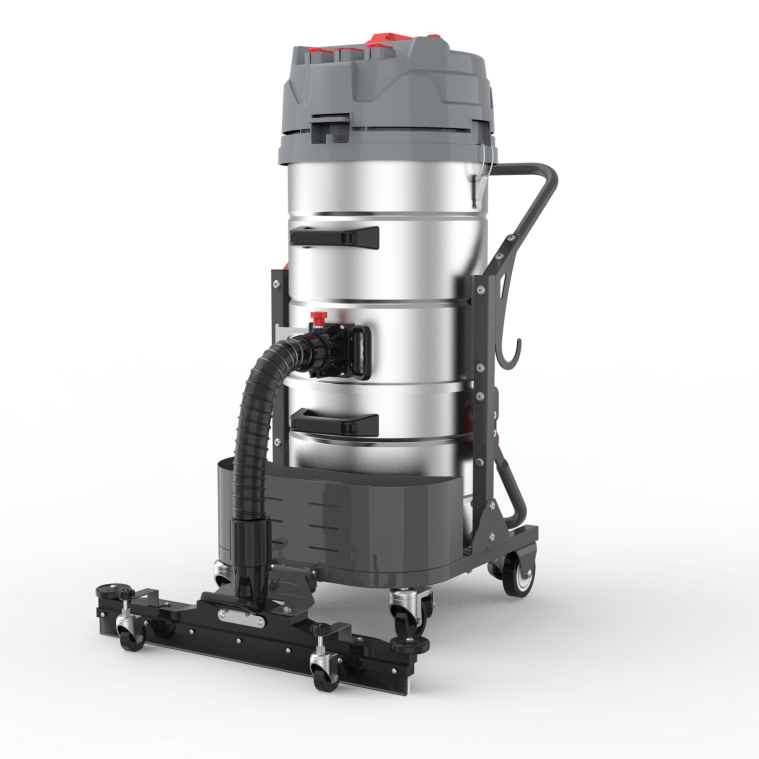
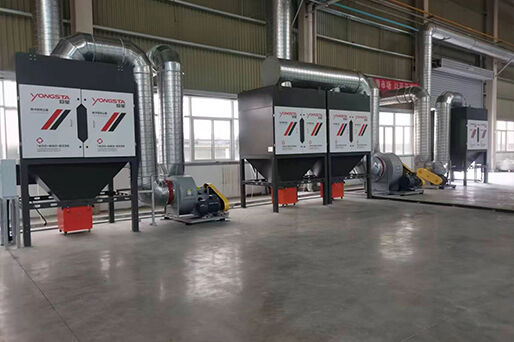
The versatility of modern dust filtration systems stems from their modular design philosophy and the wide range of configuration options available to match specific application requirements and facility constraints. Capacity scaling represents a fundamental aspect of this flexibility, with systems available from compact single-cartridge units handling a few hundred cubic feet per minute for small workshops, to massive multi-module installations processing hundreds of thousands of cubic feet per minute for large industrial facilities. This scalability ensures that businesses of any size can implement appropriate dust control without over-investing in excessive capacity or compromising performance with undersized equipment. Modular construction allows systems to grow alongside business expansion, with additional filter modules, fans, or collection hoppers added as production increases. Mounting and installation options provide solutions for virtually any facility layout or space constraint. Freestanding floor-mounted units offer the simplest installation, requiring only electrical connection and ductwork routing. These units work well in facilities with adequate floor space and can be relocated if production layouts change. Wall-mounted configurations save valuable floor space in crowded facilities, suspending the filtration equipment above work areas or along perimeter walls. Outdoor installations are accommodated through weather-resistant enclosures that protect components from rain, snow, and temperature extremes while maintaining full functionality. Rooftop mounting represents another space-saving option, particularly popular in urban facilities where ground-level space commands premium value. For applications requiring maximum flexibility, portable dust filtration systems mounted on casters can be moved between different work areas as needed, providing dust control wherever current operations demand it. Filtration media selection allows customization for specific dust characteristics and performance requirements. Standard cellulose-polyester blend filters suit general dust applications in woodworking, metalworking, and light manufacturing. Spunbond polyester media offers enhanced durability and moisture resistance for more demanding environments. PTFE-coated filters provide superior release characteristics for sticky or hygroscopic dusts that tend to cake on filter surfaces. Nanofiber technology delivers HEPA-level filtration efficiency for applications requiring the highest air purity. Antistatic filters prevent spark generation in environments handling combustible dusts, addressing critical safety concerns in industries like grain handling, pharmaceutical manufacturing, and chemical processing. The ability to specify appropriate filter media ensures optimal performance and longevity for each unique application. Dust collection and disposal methods can be tailored to material handling requirements and facility workflows. Standard collection hoppers with manual dump valves suit operations generating moderate dust volumes where periodic manual disposal is acceptable. Rotary airlock valves enable continuous dust discharge into drums, bags, or conveyors, supporting high-volume operations or automated material handling systems. Some systems incorporate dust compaction mechanisms that reduce disposal volumes and associated costs. For valuable materials like metal dust or pharmaceutical powders, specialized collection systems enable material recovery and recycling. Explosion-venting options and spark detection systems can be integrated for applications involving combustible dusts, ensuring compliance with safety standards and protecting personnel and facilities from deflagration hazards. Control integration capabilities allow dust filtration systems to coordinate with other facility equipment and processes. Interlock circuits can automatically start the filtration system when production equipment operates and shut it down during idle periods. Emergency stop integration ensures that dust collectors respond appropriately to facility-wide safety events. Building management system connectivity enables centralized monitoring and control alongside HVAC, lighting, and other building systems. This integration streamlines operations and ensures that dust control functions harmoniously within the broader facility ecosystem.

Get a Free Quote

Our representative will contact you soon.
Email
Name
Company Name
Message
0/1000
email goToTop