Industrial Dust Filtration System - Advanced Air Quality Solutions for Manufacturing

Get a Free Quote

Our representative will contact you soon.
Email
Name
Company Name
Message
0/1000

industrial dust filtration system

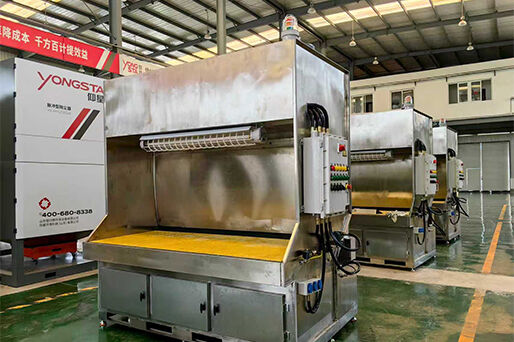
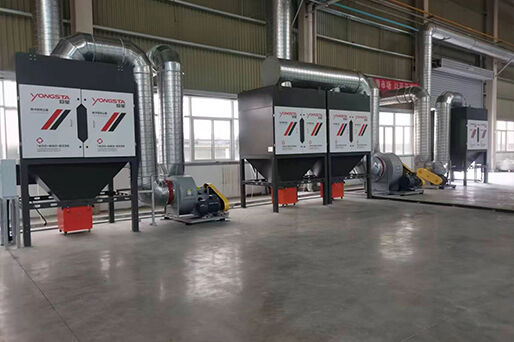
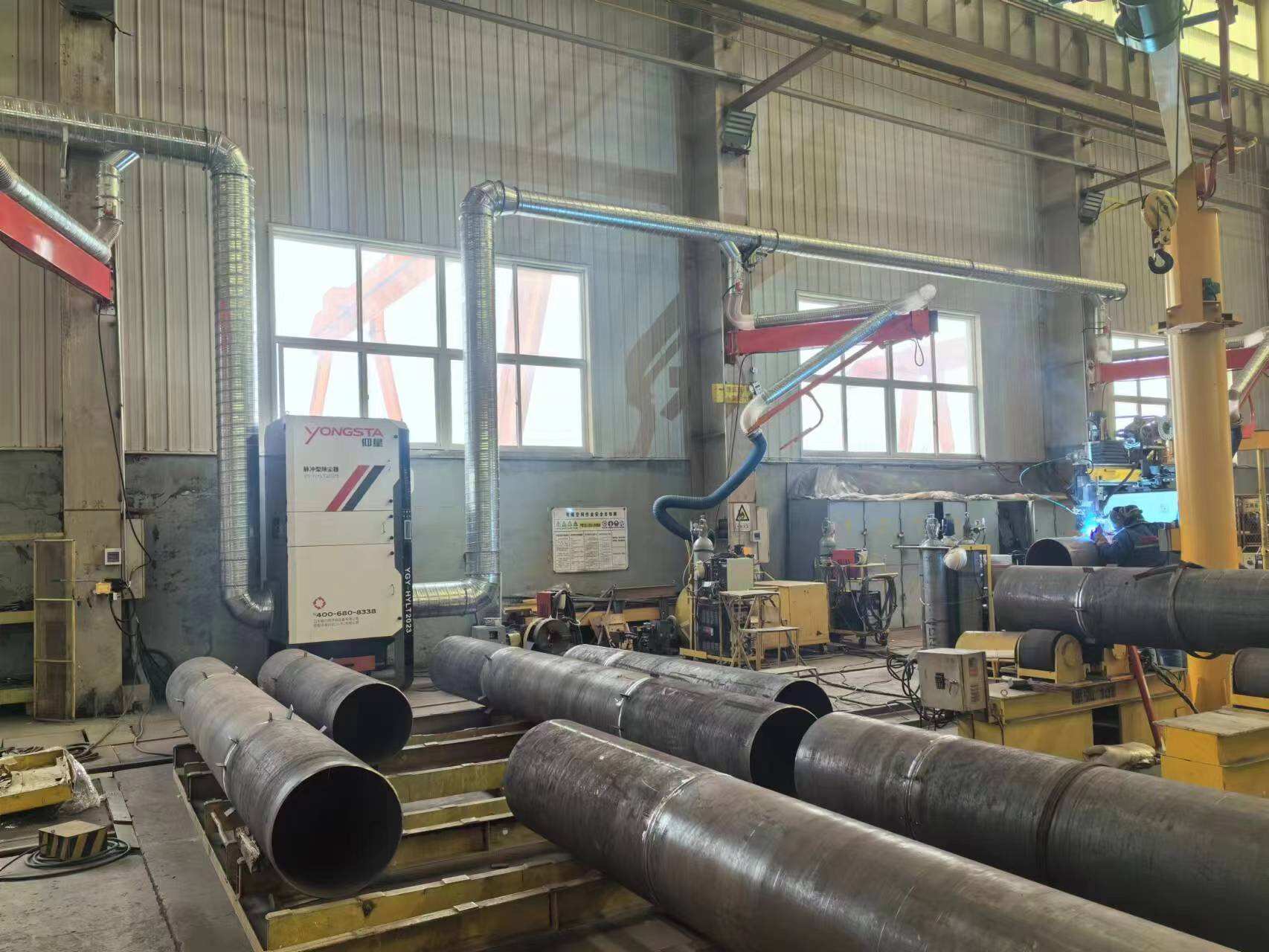
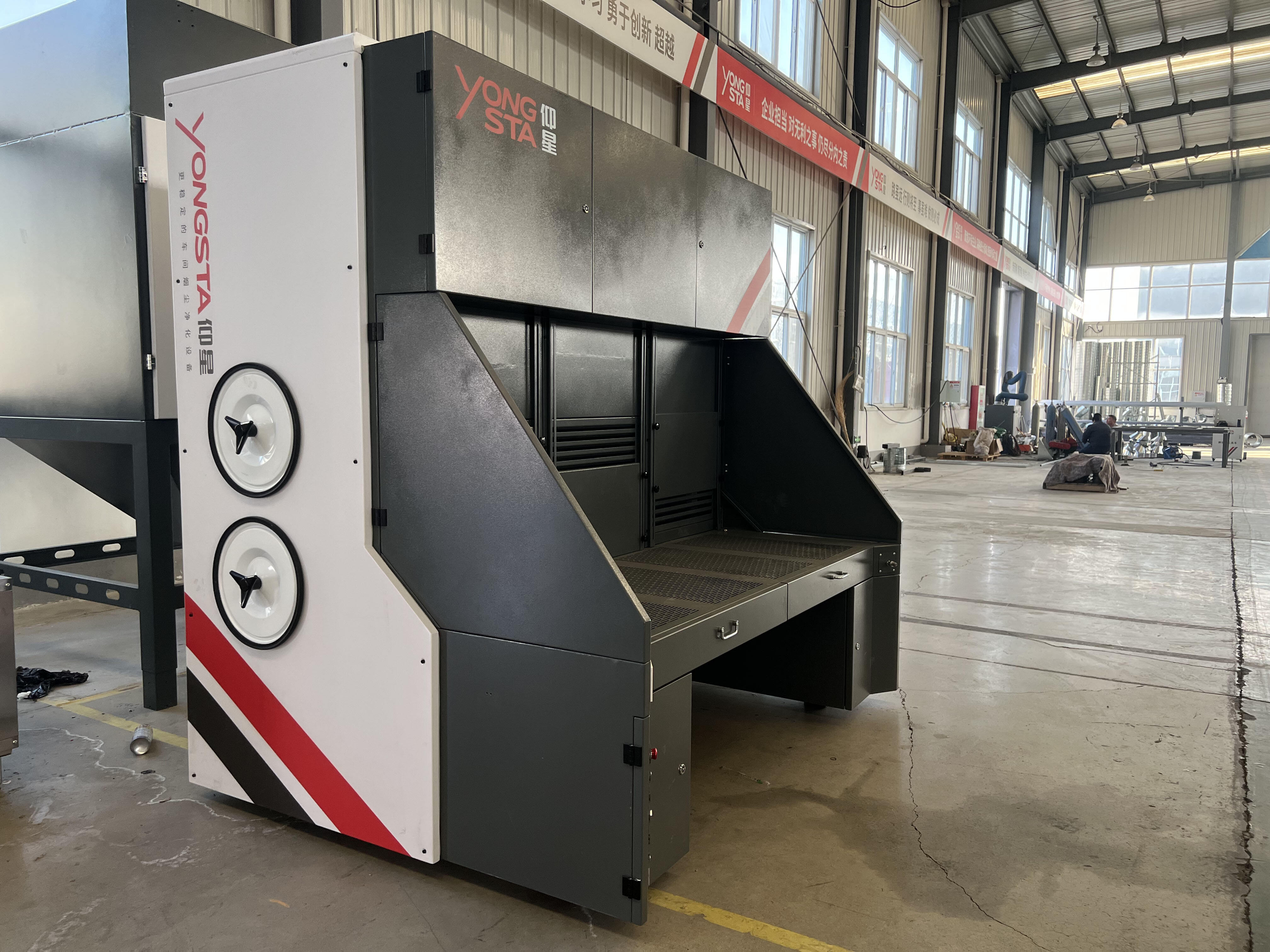
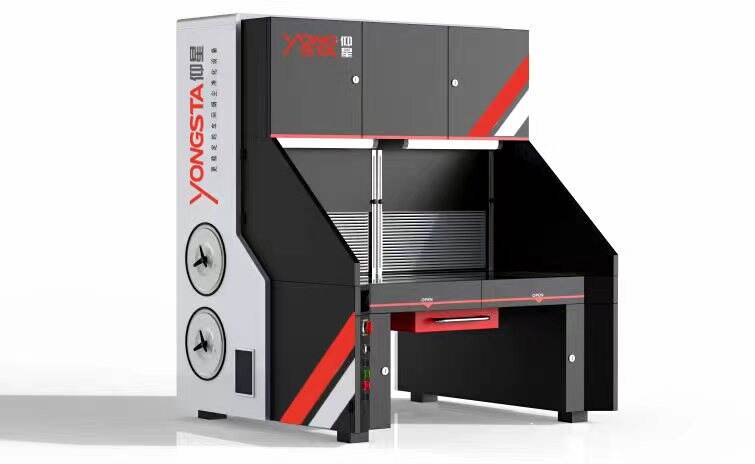
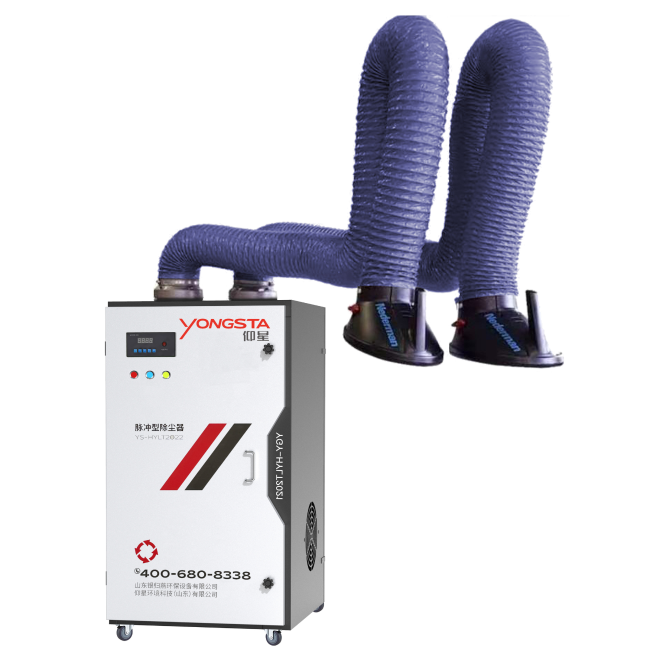
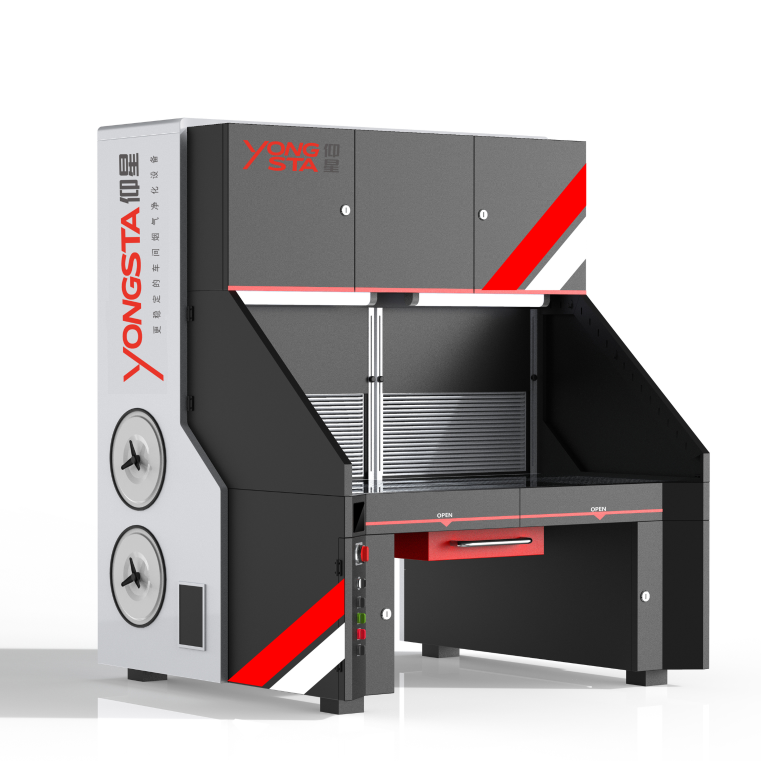
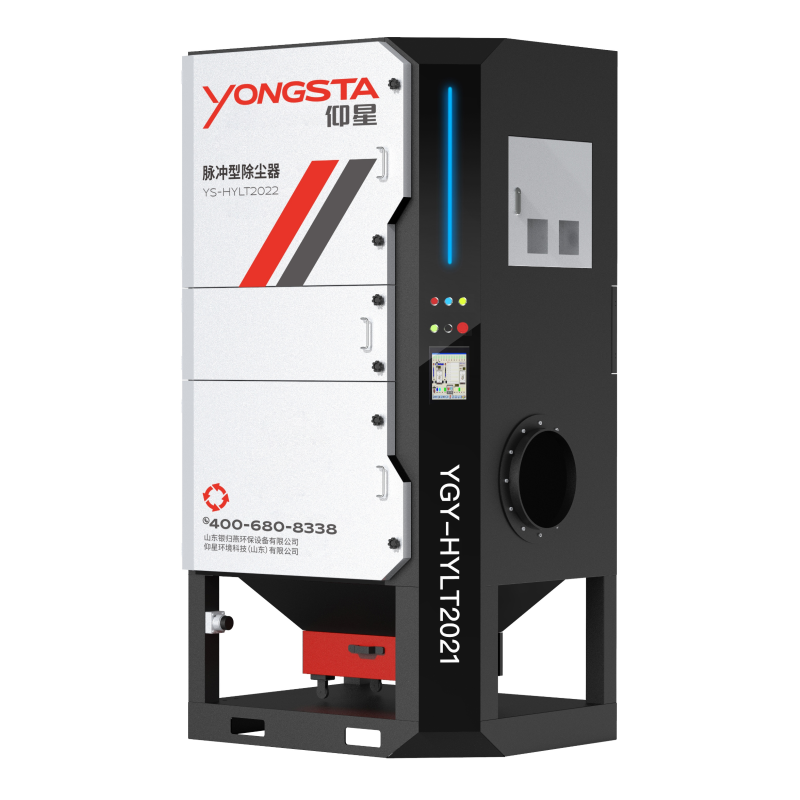
An industrial dust filtration system represents a critical component in modern manufacturing and processing facilities, designed to capture, contain, and remove airborne particulate matter generated during various production operations. These sophisticated systems protect worker health, maintain equipment longevity, ensure regulatory compliance, and preserve product quality across diverse industrial sectors. The primary function of an industrial dust filtration system centers on extracting contaminated air from work areas, processing it through specialized filtration media, and returning clean air to the environment or recirculating it within the facility. This process involves multiple stages, beginning with dust collection at the source through strategically positioned hoods, arms, or enclosures that capture particles before they disperse throughout the workspace. The collected air then travels through ductwork to the filtration unit, where particles are separated from the air stream using various mechanical and physical principles. Modern industrial dust filtration systems incorporate advanced technological features that enhance performance and operational efficiency. High-efficiency particulate air filters, pulse-jet cleaning mechanisms, and automated monitoring systems work together to maintain optimal filtration performance while minimizing maintenance requirements. Variable frequency drives adjust fan speeds based on real-time demand, reducing energy consumption during periods of lower production activity. Intelligent control systems monitor differential pressure across filters, triggering cleaning cycles precisely when needed rather than on fixed schedules, extending filter life and reducing operational costs. Applications for industrial dust filtration systems span numerous industries, including metalworking facilities where grinding, cutting, and welding operations generate metal dust and fumes; woodworking shops producing sawdust and wood particles; pharmaceutical manufacturing requiring stringent air quality standards; food processing plants maintaining hygiene requirements; chemical production facilities handling potentially hazardous powders; and cement plants managing large volumes of mineral dust. Each application demands specific filtration capabilities tailored to particle size, chemical composition, combustibility characteristics, and regulatory requirements governing that particular industry sector.

New Product Recommendations

Implementing an industrial dust filtration system delivers substantial benefits that directly impact your bottom line and operational success. First and foremost, these systems create healthier work environments by removing harmful airborne particles that workers would otherwise inhale during their shifts. Cleaner air means fewer respiratory issues, reduced sick days, and improved employee morale, translating to higher productivity and lower healthcare costs for your organization. When your team breathes easier, they work better and stay with your company longer, reducing expensive turnover and training costs. Equipment protection represents another significant advantage that saves money over time. Dust accumulation on machinery causes premature wear, overheating, and unexpected breakdowns that halt production and require costly emergency repairs. An industrial dust filtration system prevents these particles from settling on sensitive components, motors, and control systems, extending equipment lifespan and reducing maintenance expenses. Your machines run smoother, last longer, and require fewer interventions, keeping production lines moving and meeting delivery schedules consistently. Product quality improvements occur naturally when dust contamination is eliminated from manufacturing environments. Particles settling on work surfaces, raw materials, or finished goods create defects, requiring rework or scrapping of products that fail quality standards. By maintaining clean production areas, an industrial dust filtration system helps you deliver consistent quality that satisfies customers and protects your reputation in the marketplace. Fewer rejected products mean better material utilization and higher profit margins on every production run. Regulatory compliance becomes straightforward with properly designed filtration systems that meet or exceed air quality standards established by occupational safety and environmental agencies. Avoiding citations, fines, and potential facility shutdowns protects your business from financial penalties and legal complications that damage company standing. Documentation of air quality monitoring demonstrates your commitment to responsible operations, strengthening relationships with regulators, customers, and community stakeholders. Energy efficiency gains emerge from modern filtration systems that recirculate conditioned air rather than exhausting it outdoors. During winter months, heated air remains inside the facility instead of being replaced with cold outdoor air requiring additional heating. Summer cooling costs decrease similarly when air-conditioned air stays within the building. These energy savings accumulate substantially over years of operation, offsetting initial system investment while reducing your environmental footprint. Housekeeping requirements diminish dramatically when dust is captured at the source rather than settling throughout the facility. Less time spent cleaning floors, equipment, and overhead structures means more productive hours devoted to core manufacturing activities. Reduced cleaning also means fewer cleaning supplies purchased and less waste generated, contributing to overall operational efficiency and sustainability goals that increasingly matter to customers and investors alike.

Tips And Tricks

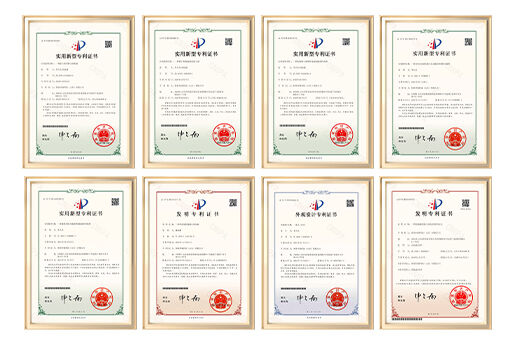
Yongsta R&D Team Wins 3 Dust Removal Technology Patents, Leading Industry Innovation

09

Apr

Yongsta R&D Team Wins 3 Dust Removal Technology Patents, Leading Industry Innovation

View More
Yongsta Cooperates with TUV for ATEX Explosion-Proof Certification, Explosion-Proof Dust Collector to Be Launched Soon

09

Apr

Yongsta Cooperates with TUV for ATEX Explosion-Proof Certification, Explosion-Proof Dust Collector to Be Launched Soon

View More
Empowering Benchmark Manufacturing! Yongsta Cartridge Dust Collector Aids Siemens Transformer China Factory's Dust Removal Renovation and Gains High Recognition

09

Apr

Empowering Benchmark Manufacturing! Yongsta Cartridge Dust Collector Aids Siemens Transformer China Factory's Dust Removal Renovation and Gains High Recognition

View More

Get a Free Quote

Our representative will contact you soon.
Email
Name
Company Name
Message
0/1000

industrial dust filtration system

Advanced Filtration Technology That Captures Even the Smallest Particles

Advanced Filtration Technology That Captures Even the Smallest Particles

The heart of any effective industrial dust filtration system lies in its ability to capture particles across a wide size range, from large visible chips down to submicron particles invisible to the naked eye. Modern systems employ multi-stage filtration approaches that address different particle sizes through complementary mechanisms, ensuring comprehensive air cleaning that protects both workers and equipment. Pre-filters handle larger particles through inertial separation, where heavier particles cannot follow the air stream through directional changes and fall into collection hoppers. This initial stage removes the bulk of material, preventing premature loading of downstream filters and extending their service life significantly. The main filtration stage typically utilizes pleated filter cartridges or bag filters constructed from specialized media engineered to capture fine particles while maintaining adequate airflow. These filters employ a combination of mechanical sieving, where particles larger than pore spaces are physically blocked, and depth loading, where smaller particles penetrate into the filter matrix and are held by tortuous pathways and electrostatic attraction. High-efficiency filters can achieve capture rates exceeding 99.9 percent for particles down to 0.3 microns, the most penetrating particle size that poses the greatest challenge for filtration systems. This level of performance ensures that even the finest dust generated by grinding, polishing, or powder handling operations is effectively removed from the air stream. Advanced filter media incorporates treatments that enhance performance characteristics beyond basic particle capture. Hydrophobic coatings prevent moisture absorption that would cause filter blinding and pressure drop increases in humid environments or applications involving wet processes. Oleophobic treatments repel oil mists that might otherwise saturate filters in metalworking applications using cutting fluids or lubricants. Anti-static treatments dissipate electrical charges that could cause spark generation in systems handling combustible dusts, reducing fire and explosion risks. These specialized treatments extend filter life, maintain consistent performance across varying conditions, and enhance safety in challenging applications. Pulse-jet cleaning systems integrated into modern industrial dust filtration systems automatically remove accumulated dust from filter surfaces without interrupting system operation. Compressed air pulses directed into filter elements create brief reverse flow that dislodges dust cakes, allowing them to fall into collection containers while the filter immediately returns to service. This continuous cleaning maintains low pressure drop across the filtration system, reducing fan energy consumption and ensuring consistent airflow to capture hoods throughout the facility. Automated cleaning cycles triggered by differential pressure sensors optimize cleaning frequency, pulsing only when needed rather than on arbitrary schedules, minimizing compressed air consumption and mechanical wear on system components.
Customizable Design That Adapts to Your Specific Production Requirements

Customizable Design That Adapts to Your Specific Production Requirements

Every manufacturing facility presents unique challenges regarding dust generation rates, particle characteristics, available space, and operational patterns, making one-size-fits-all solutions inadequate for optimal performance. An industrial dust filtration system designed specifically for your application delivers superior results compared to generic equipment that compromises on critical parameters. Professional system design begins with thorough assessment of your dust generation sources, including the types of materials processed, production rates, particle size distributions, and chemical properties that influence filtration requirements. Metalworking operations generating sparks require spark arrestors and explosion venting that would be unnecessary in woodworking applications, while pharmaceutical manufacturing demands sanitary designs with validation documentation that industrial welding shops do not need. This application-specific approach ensures that every system component is appropriately specified for the actual operating conditions it will encounter. Modular construction allows industrial dust filtration systems to scale with your business growth and changing production needs. Initial installations can be sized for current requirements with provisions for adding filter modules, increasing fan capacity, or extending ductwork to new production areas as your operations expand. This scalability protects your capital investment by avoiding oversized systems that waste energy and floor space while ensuring adequate capacity for future needs without complete system replacement. Adding capacity becomes a straightforward process of installing additional modules and adjusting control parameters rather than disruptive facility modifications. Flexible placement options accommodate the space constraints and layout considerations unique to each facility. Outdoor installations with weatherproof enclosures free up valuable indoor floor space for production equipment, while indoor units can be positioned to minimize ductwork runs and associated pressure losses. Rooftop mounting eliminates ground-level footprint entirely, and basement installations in multi-story buildings centralize dust collection away from production floors. Each placement strategy offers distinct advantages depending on your facility configuration, climate conditions, and operational preferences. Integration with existing production equipment and facility systems ensures seamless operation without disrupting established workflows. An industrial dust filtration system can be interlocked with machine controls so that dust collection activates automatically when equipment starts and continues running briefly after shutdown to clear residual dust from ductwork. Connection to building management systems enables coordinated operation with heating, ventilation, and air conditioning systems, optimizing overall facility air balance and energy consumption. Remote monitoring capabilities allow maintenance staff to track system performance, receive alerts about filter changes or operational issues, and access historical data for troubleshooting and optimization, all from centralized control rooms or even off-site locations through secure internet connections.
Long-Term Cost Savings Through Efficient Operation and Minimal Maintenance

Long-Term Cost Savings Through Efficient Operation and Minimal Maintenance

While the initial investment in an industrial dust filtration system represents a significant capital expenditure, the long-term financial benefits far exceed upfront costs through reduced operating expenses, extended equipment life, and avoided costs associated with poor air quality. Understanding these economic advantages helps justify the investment and demonstrates the value these systems deliver throughout their operational lifespan, typically spanning fifteen to twenty years with proper maintenance. Energy efficiency stands as a primary source of ongoing savings, with modern systems incorporating variable frequency drives that adjust fan speeds to match actual demand rather than running continuously at full capacity. During periods of reduced production or when fewer dust-generating machines operate simultaneously, the system automatically decreases airflow, reducing electrical consumption proportionally. Over a year of operation, these adjustments can reduce energy costs by thirty to fifty percent compared to constant-speed systems, with savings accumulating substantially over the system's lifetime. High-efficiency motors and optimized ductwork design further minimize energy waste, ensuring that every kilowatt-hour consumed contributes to effective dust capture rather than overcoming unnecessary resistance. Filter longevity directly impacts operating costs, as replacement filters represent a recurring expense that varies significantly based on filter quality and cleaning effectiveness. Premium filter media with durable construction and effective pulse-jet cleaning systems can operate for two to three years before requiring replacement, compared to six to twelve months for lower-quality alternatives. This extended service life reduces not only the cost of replacement filters but also the labor expenses associated with system shutdown, filter changeout, and restart procedures. Fewer filter changes mean less production downtime and reduced disposal costs for spent filters, particularly important when handling hazardous materials requiring special waste management procedures. Automated monitoring and diagnostics built into modern industrial dust filtration systems reduce maintenance labor requirements while improving reliability through early problem detection. Sensors continuously track key performance indicators including differential pressure, airflow rates, and cleaning cycle frequency, alerting maintenance personnel to developing issues before they cause system failures or performance degradation. Predictive maintenance approaches based on actual operating data replace time-based maintenance schedules, performing interventions only when needed rather than on arbitrary calendars. This condition-based strategy reduces unnecessary maintenance activities while preventing unexpected breakdowns that halt production and require expensive emergency repairs. Recovered material value provides an often-overlooked revenue stream in applications where collected dust has commercial value or can be reintroduced into production processes. Metal dust from machining operations can be sold to recyclers, wood dust can fuel biomass boilers or be processed into composite products, and pharmaceutical powders can be recovered and reprocessed rather than discarded as waste. Even when collected material lacks resale value, proper dust collection reduces disposal costs by concentrating material into manageable volumes rather than dispersing it throughout the facility where it requires extensive cleanup and generates larger waste streams. An industrial dust filtration system transforms dust from a disposal liability into a manageable byproduct or potential asset, improving overall process economics while supporting sustainability initiatives that enhance corporate reputation and stakeholder relationships.

Get a Free Quote

Our representative will contact you soon.
Email
Name
Company Name
Message
0/1000
email goToTop