Industrial Downdraft Grinding Workbench - Professional Dust Collection Systems for Metalworking Safety

Get a Free Quote

Our representative will contact you soon.
Email
Name
Company Name
Message
0/1000

industrial downdraft grinding workbench

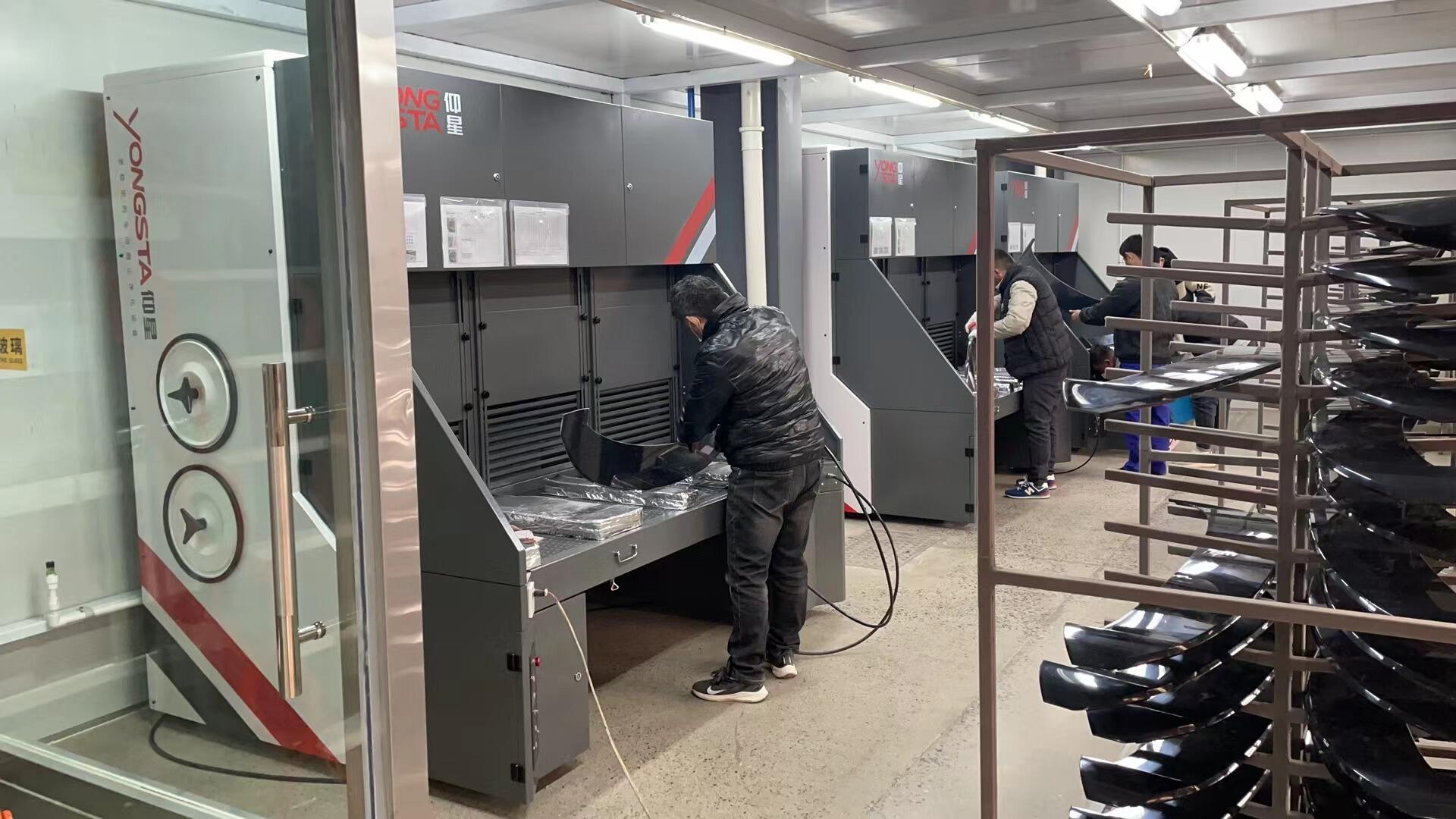
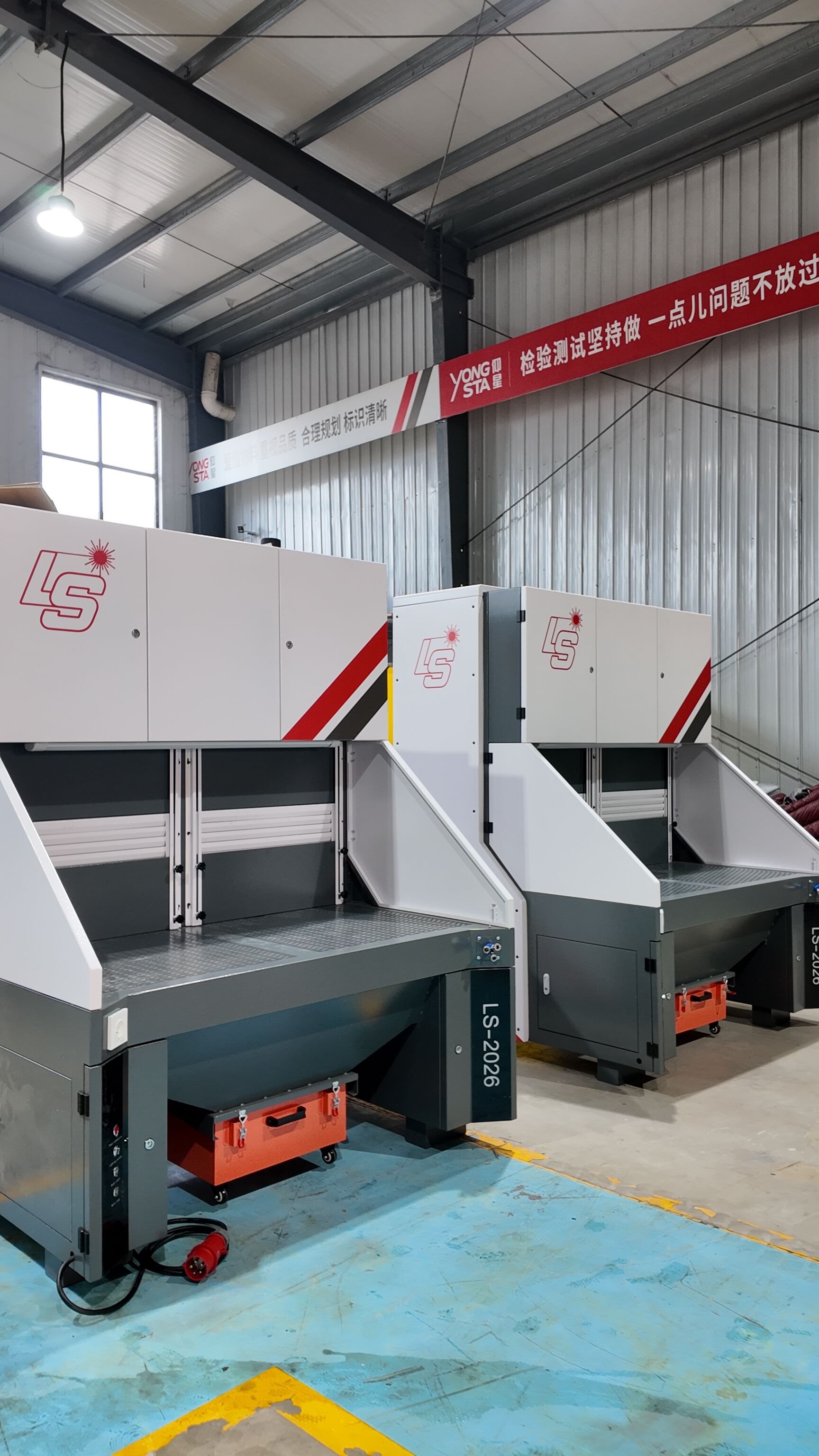
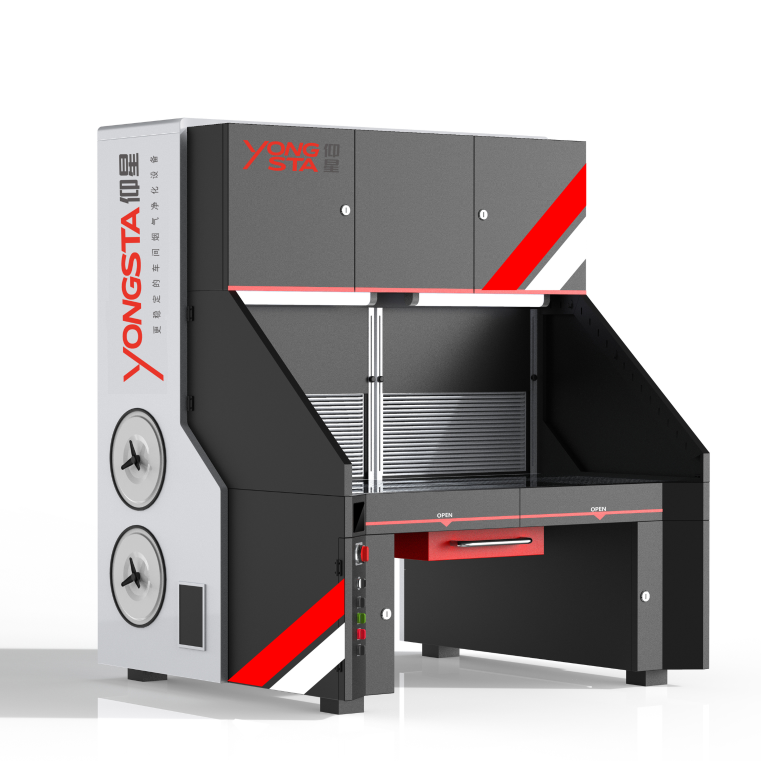
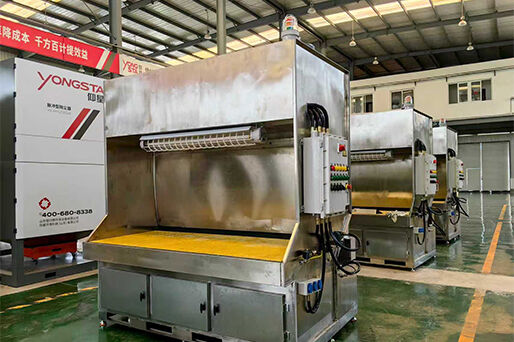
The industrial downdraft grinding workbench represents a sophisticated solution designed to address the critical challenges of dust and particle management in metalworking and fabrication environments. This specialized equipment combines a robust work surface with an integrated ventilation system that draws contaminated air downward through the work area, effectively capturing grinding dust, metal particles, and hazardous fumes at their source. The primary function of an industrial downdraft grinding workbench is to create a safer, cleaner workspace by removing airborne contaminants before they can spread throughout the facility or be inhaled by workers. The technological foundation of these workbenches centers on powerful suction mechanisms positioned beneath perforated or slotted work surfaces, creating a consistent downward airflow that pulls particles away from the operator's breathing zone. Modern industrial downdraft grinding workbenches incorporate advanced filtration systems capable of capturing particles as small as 0.3 microns, ensuring compliance with occupational health and safety regulations while protecting both workers and equipment from harmful exposure. These workstations find extensive applications across diverse industries including automotive repair shops, metal fabrication facilities, aerospace manufacturing plants, tool and die operations, and general metalworking workshops where grinding, sanding, polishing, and cutting operations generate significant amounts of airborne debris. The versatility of the industrial downdraft grinding workbench makes it suitable for processing various materials such as steel, aluminum, stainless steel, titanium, and composite materials. Beyond basic dust collection, these workbenches often feature adjustable airflow controls, allowing operators to customize suction power based on the specific task and material being processed. The integration of spark arrestor systems in many models provides additional safety when working with materials that generate sparks during grinding operations. The industrial downdraft grinding workbench has become an essential component of modern manufacturing facilities, contributing to improved air quality, enhanced worker safety, reduced cleanup time, and better overall operational efficiency in environments where precision metalworking and surface preparation are routine activities.

Popular Products

Investing in an industrial downdraft grinding workbench delivers immediate and long-term benefits that transform your workspace into a healthier, more productive environment. The most significant advantage lies in worker protection, as these workbenches actively remove harmful dust and particles from the air before they reach the operator's breathing zone, dramatically reducing the risk of respiratory issues and long-term health complications associated with prolonged exposure to metal dust and grinding particles. This proactive approach to air quality management means your team can work with confidence, knowing their health is being protected with every operation. The efficiency gains are equally impressive, as the industrial downdraft grinding workbench eliminates the constant interruption of manual cleanup that typically follows grinding operations. Instead of spending valuable time sweeping floors and wiping down surfaces, your workers can maintain focus on productive tasks while the ventilation system continuously removes debris. This translates directly into increased output and better use of labor hours. The contained dust collection also protects your other equipment and machinery from contamination, extending the lifespan of precision tools and reducing maintenance costs across your facility. Compliance with workplace safety regulations becomes straightforward when you implement an industrial downdraft grinding workbench, as these systems are specifically designed to meet or exceed OSHA standards for air quality and particulate exposure limits. This compliance protection shields your business from potential fines, legal liabilities, and the reputational damage that can result from workplace safety violations. The improved visibility during grinding operations represents another practical advantage, as the constant removal of airborne dust means operators can clearly see their work without the obscuring cloud of particles that typically accompanies grinding tasks. This enhanced visibility leads to better quality control, fewer errors, and reduced material waste. The versatility of the industrial downdraft grinding workbench accommodates various workpiece sizes and grinding operations, from small precision components to larger fabrication projects, making it a flexible solution that adapts to your changing production needs. The noise reduction achieved through proper ventilation design creates a more comfortable work environment, reducing operator fatigue and improving concentration during detailed tasks. Energy efficiency has improved significantly in modern industrial downdraft grinding workbench designs, with variable speed motors and smart controls that adjust suction power based on actual demand, lowering operational costs while maintaining effective dust capture. The professional appearance of a clean, well-organized workspace equipped with an industrial downdraft grinding workbench also makes a positive impression on clients and inspectors, demonstrating your commitment to quality and safety standards that can differentiate your business in competitive markets.

Practical Tips

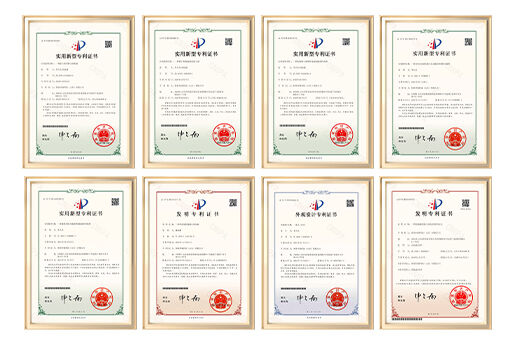
Yongsta R&D Team Wins 3 Dust Removal Technology Patents, Leading Industry Innovation

09

Apr

Yongsta R&D Team Wins 3 Dust Removal Technology Patents, Leading Industry Innovation

View More
Yongsta Cooperates with TUV for ATEX Explosion-Proof Certification, Explosion-Proof Dust Collector to Be Launched Soon

09

Apr

Yongsta Cooperates with TUV for ATEX Explosion-Proof Certification, Explosion-Proof Dust Collector to Be Launched Soon

View More
Empowering Benchmark Manufacturing! Yongsta Cartridge Dust Collector Aids Siemens Transformer China Factory's Dust Removal Renovation and Gains High Recognition

09

Apr

Empowering Benchmark Manufacturing! Yongsta Cartridge Dust Collector Aids Siemens Transformer China Factory's Dust Removal Renovation and Gains High Recognition

View More

Get a Free Quote

Our representative will contact you soon.
Email
Name
Company Name
Message
0/1000

industrial downdraft grinding workbench

Advanced Filtration Technology That Protects Your Investment and Your People

Advanced Filtration Technology That Protects Your Investment and Your People

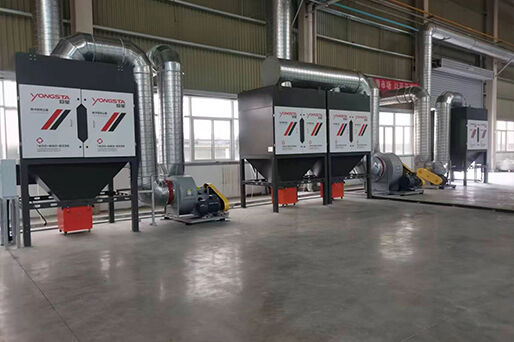
The filtration system integrated into an industrial downdraft grinding workbench represents the critical barrier between harmful airborne contaminants and the health of your workforce, making it one of the most important features to understand when evaluating these systems. Modern industrial downdraft grinding workbench units employ multi-stage filtration approaches that begin with pre-filters designed to capture larger particles and debris, extending the life of the more expensive primary filters while maintaining consistent airflow throughout the system. The primary filtration stage typically utilizes high-efficiency particulate air filters or cartridge-style filters with surface areas measured in hundreds of square feet, providing the capacity to handle the substantial dust loads generated by continuous grinding operations without frequent replacement or performance degradation. These filters are engineered specifically for the metalworking environment, constructed from materials that resist moisture, sparks, and the abrasive nature of metal particles that would quickly destroy standard filtration media. The filter efficiency ratings of quality industrial downdraft grinding workbench systems reach 99.9 percent for particles down to sub-micron sizes, ensuring that even the finest dust particles are captured rather than recirculated into your facility or exhausted into the surrounding environment. Automatic filter cleaning mechanisms have become standard in premium industrial downdraft grinding workbench models, using pulse-jet technology or mechanical shakers to dislodge accumulated dust from filter surfaces, restoring airflow capacity and extending filter life by factors of ten or more compared to passive filtration systems. The economic impact of this advanced filtration technology extends beyond worker health to include substantial cost savings through reduced filter replacement frequency, lower energy consumption due to maintained airflow efficiency, and decreased facility cleaning requirements. The monitoring systems integrated with modern industrial downdraft grinding workbench filtration packages provide real-time feedback on filter condition, airflow rates, and system performance, allowing maintenance teams to schedule filter service based on actual condition rather than arbitrary time intervals, optimizing both performance and cost. The environmental responsibility demonstrated by effective filtration cannot be overstated, as proper capture and containment of metal dust prevents contamination of soil and water systems while ensuring your facility operates as a responsible corporate citizen within your community.
Ergonomic Design That Enhances Productivity and Reduces Worker Fatigue

Ergonomic Design That Enhances Productivity and Reduces Worker Fatigue

The ergonomic considerations built into a well-designed industrial downdraft grinding workbench directly impact worker comfort, productivity, and long-term health outcomes, making these features essential rather than optional in modern manufacturing environments. The work surface height of an industrial downdraft grinding workbench is carefully engineered to position grinding operations at the optimal level that minimizes back strain and shoulder fatigue, allowing operators to maintain proper posture throughout extended work sessions without the hunching or reaching that leads to musculoskeletal disorders. Adjustable height options available in premium industrial downdraft grinding workbench models accommodate different operator heights and preferences, ensuring that every member of your team can configure the workspace to their individual ergonomic needs. The perforated or slotted work surface design serves the dual purpose of facilitating airflow while providing a stable, level platform that prevents workpieces from shifting during grinding operations, reducing the physical effort required to secure and manipulate parts. The strategic placement of controls and adjustments within easy reach eliminates the need for operators to interrupt their workflow or adopt awkward positions to modify system settings, maintaining the natural rhythm of productive work. The reduced physical demand of working at an industrial downdraft grinding workbench compared to traditional grinding setups translates into measurable improvements in worker endurance, allowing your team to maintain consistent quality and output throughout full shifts rather than experiencing the performance decline that accompanies fatigue. The psychological benefits of working in a clean, well-ventilated environment provided by an industrial downdraft grinding workbench contribute to improved morale and job satisfaction, factors that directly influence retention rates and the overall quality of your workforce. The accessibility features incorporated into modern industrial downdraft grinding workbench designs ensure that workers of varying physical abilities can operate the equipment safely and effectively, supporting diversity initiatives while expanding your available talent pool. The integration of tool storage and organization features into many industrial downdraft grinding workbench configurations keeps frequently used items within arm's reach, eliminating unnecessary movement and the cumulative physical strain of repeatedly walking to retrieve tools and supplies. The vibration dampening properties of quality industrial downdraft grinding workbench construction reduce the transmission of grinding vibrations to the operator's hands and arms, minimizing the risk of vibration-related injuries that can develop over years of exposure to poorly isolated equipment.
Customizable Airflow Control That Adapts to Your Specific Applications

Customizable Airflow Control That Adapts to Your Specific Applications

The ability to precisely control and adjust airflow characteristics distinguishes a professional-grade industrial downdraft grinding workbench from basic dust collection solutions, providing the flexibility needed to optimize performance across diverse grinding applications and materials. Variable speed drive systems integrated into advanced industrial downdraft grinding workbench models allow operators to dial in the exact suction power required for each specific task, from light sanding operations that generate minimal dust to aggressive grinding that produces substantial volumes of particles and requires maximum airflow capacity. This adjustability prevents the waste of energy and unnecessary filter loading that occurs when systems operate at full power regardless of actual demand, extending component life while reducing operational costs. The zoned airflow design available in larger industrial downdraft grinding workbench configurations enables selective activation of different work surface areas, concentrating suction power exactly where grinding is occurring rather than drawing air uniformly across the entire table, resulting in more effective capture with lower total airflow requirements. The real-time airflow monitoring capabilities built into sophisticated industrial downdraft grinding workbench systems provide operators with immediate feedback on system performance, alerting them to filter loading conditions or airflow restrictions before they compromise dust capture effectiveness. The programmable control interfaces found in premium industrial downdraft grinding workbench models allow you to create and store custom airflow profiles for different materials and operations, ensuring consistent performance and eliminating the guesswork of manual adjustments when switching between tasks. The integration capabilities of modern industrial downdraft grinding workbench control systems enable connection to facility management networks, providing production managers with data on equipment utilization, maintenance needs, and operational efficiency that supports informed decision-making and continuous improvement initiatives. The safety interlocks available in advanced industrial downdraft grinding workbench designs can prevent grinding operations from commencing unless adequate airflow is confirmed, eliminating the risk of worker exposure due to system malfunctions or operator oversight. The seasonal adjustment capabilities of quality industrial downdraft grinding workbench systems account for temperature and humidity variations that affect air density and filtration performance, automatically compensating to maintain consistent dust capture throughout changing environmental conditions. The noise optimization achieved through intelligent airflow control reduces the acoustic impact of ventilation systems, creating a more comfortable work environment without compromising the dust capture effectiveness that makes the industrial downdraft grinding workbench essential safety equipment.

Get a Free Quote

Our representative will contact you soon.
Email
Name
Company Name
Message
0/1000
email goToTop