Industrial Grinding Dust Collection Systems - Efficient Air Filtration Solutions

Get a Free Quote

Our representative will contact you soon.
Email
Name
Company Name
Message
0/1000

grinding dust collection system

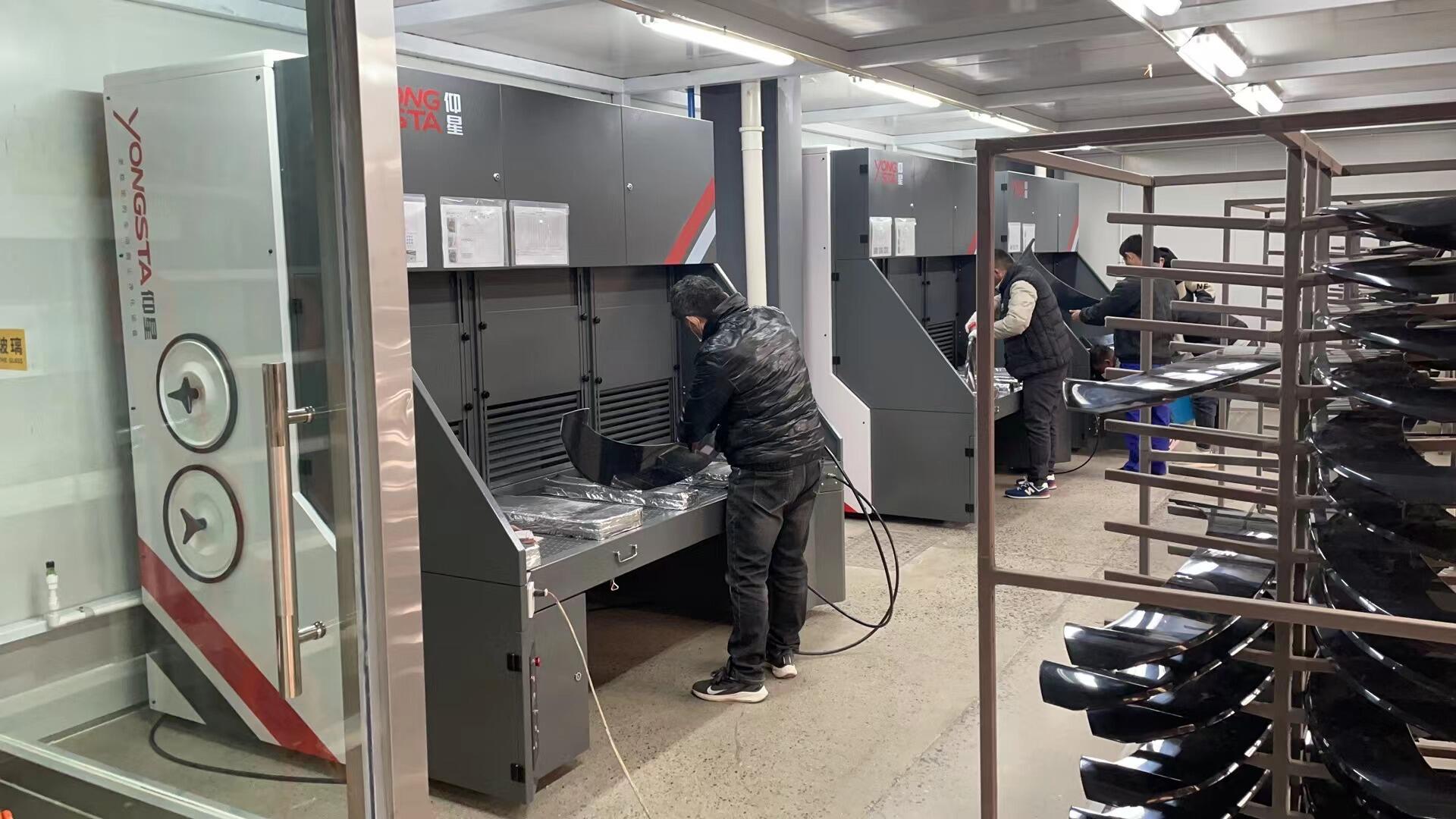
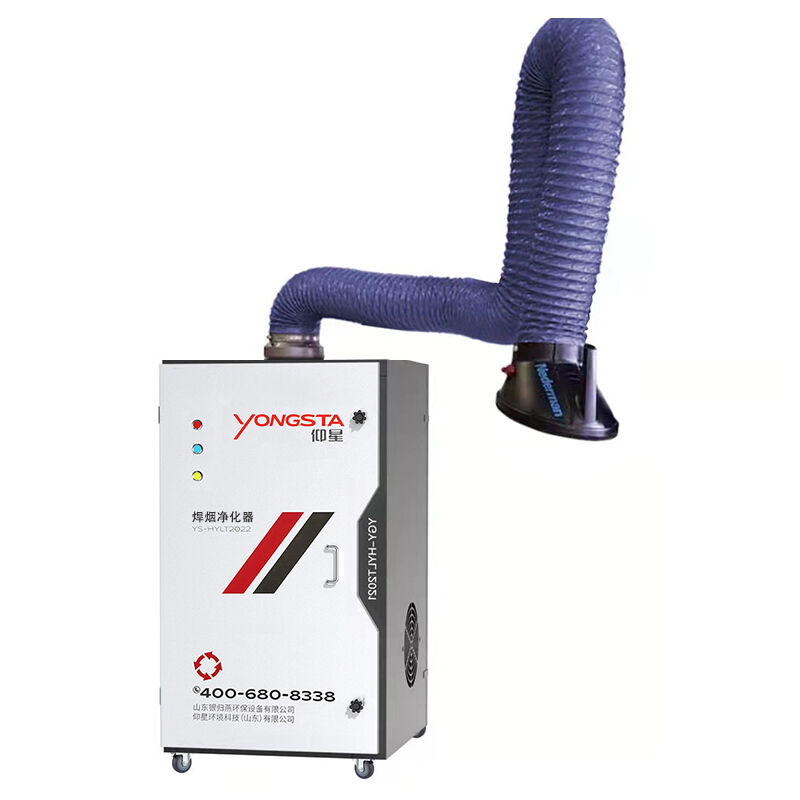
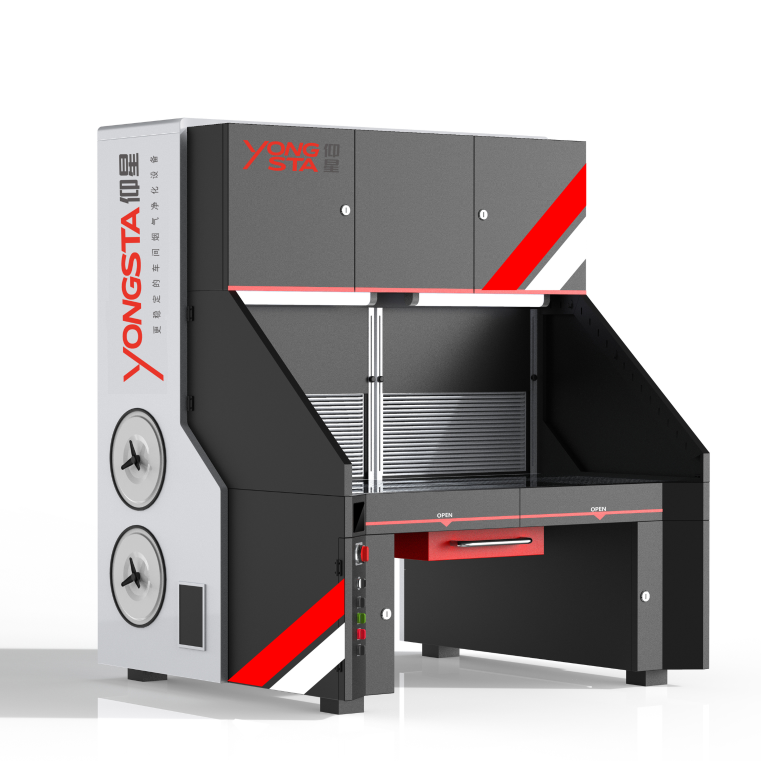
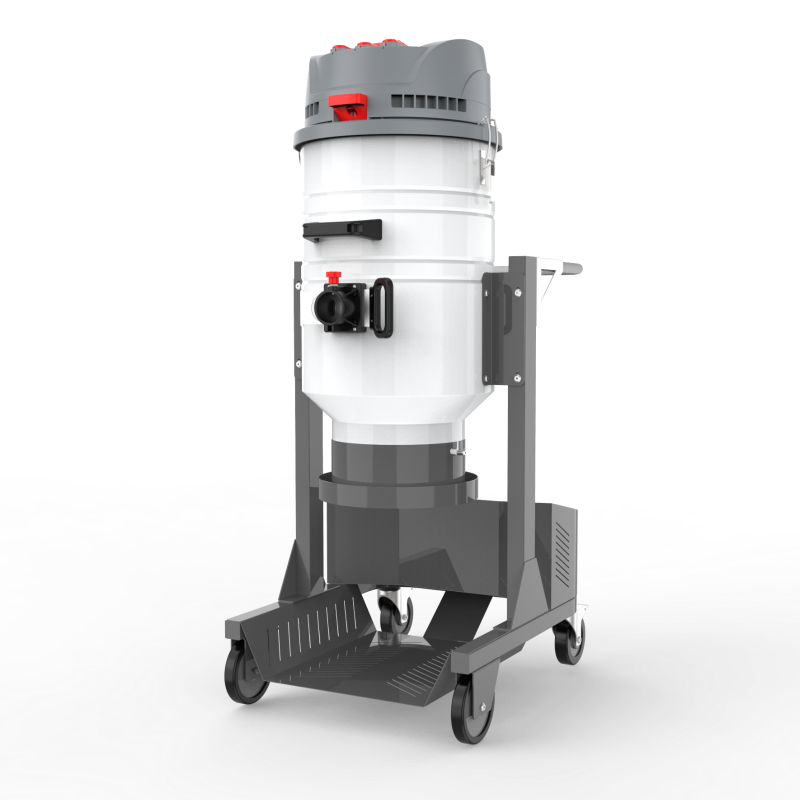
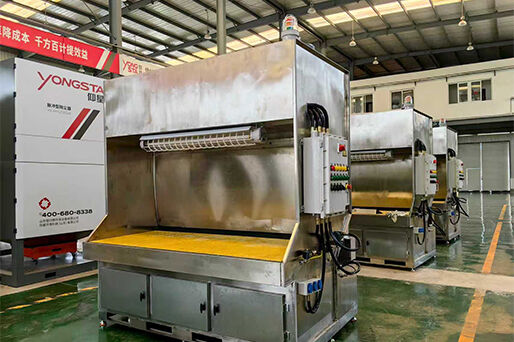
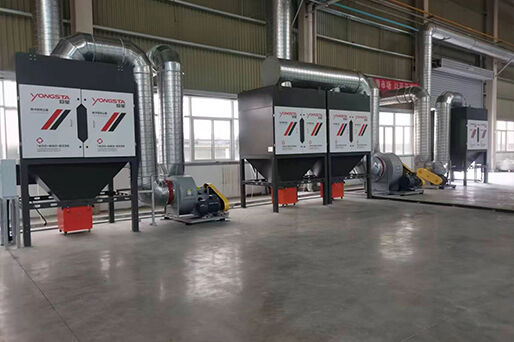
A grinding dust collection system represents an essential industrial solution designed to capture and filter airborne particles generated during grinding operations. These systems protect workers from harmful dust exposure while maintaining clean production environments. Modern grinding dust collection systems integrate advanced filtration technology with powerful suction capabilities to remove dust at its source. The primary function involves drawing contaminated air through strategically positioned collection points, filtering out particulate matter, and returning clean air to the workspace or exhausting it safely outdoors. These systems typically consist of several key components including collection hoods or enclosures positioned near grinding equipment, ductwork that transports dust-laden air, high-efficiency filters that trap particles, and fans or blowers that generate necessary airflow. The technological features of contemporary grinding dust collection systems include variable speed controls that adjust suction power based on operational demands, automatic filter cleaning mechanisms that maintain optimal performance, and monitoring systems that alert operators to maintenance needs. Many systems incorporate HEPA filtration capable of capturing particles as small as 0.3 microns, ensuring compliance with stringent air quality regulations. Applications span numerous industries including metalworking facilities where steel, aluminum, and other metals are ground, woodworking shops processing various timber products, automotive manufacturing plants performing precision grinding operations, aerospace facilities maintaining exacting surface finish standards, and construction sites where concrete and masonry grinding occurs. The versatility of grinding dust collection systems allows customization for specific materials and production volumes. Whether handling fine metal dust from precision grinding or coarser particles from rough grinding operations, these systems adapt to diverse requirements. Investment in a grinding dust collection system demonstrates commitment to workplace safety, environmental responsibility, and operational efficiency, making it an indispensable component of modern manufacturing and fabrication facilities.

Popular Products

Implementing a grinding dust collection system delivers substantial benefits that directly impact your bottom line and workplace quality. First and foremost, these systems dramatically improve air quality by removing harmful dust particles before workers can inhale them. This protection reduces respiratory health risks and creates a safer environment where employees can work confidently without exposure to dangerous airborne contaminants. Cleaner air means fewer sick days, lower healthcare costs, and improved employee morale. Beyond health benefits, grinding dust collection systems enhance visibility throughout your facility. When dust clouds no longer obscure workspaces, operators can see their work more clearly, leading to better precision and fewer errors. This improved visibility also makes facilities safer by reducing trip hazards and allowing workers to spot potential dangers more quickly. Equipment longevity increases significantly when dust accumulation is controlled. Grinding dust that settles on machinery can cause premature wear, interfere with moving parts, and lead to costly breakdowns. By capturing dust at the source, collection systems prevent these particles from damaging expensive equipment, extending service life and reducing maintenance expenses. Your facility stays cleaner with less time spent on housekeeping. Without effective dust collection, particles settle on floors, walls, and surfaces throughout the building, requiring constant cleaning. A proper system eliminates this burden, freeing staff to focus on productive tasks rather than endless sweeping and wiping. Regulatory compliance becomes straightforward when you install a grinding dust collection system. Occupational safety agencies enforce strict limits on workplace dust exposure, and failure to comply results in fines, work stoppages, and legal liability. These systems help you meet or exceed regulatory standards, protecting your business from penalties and demonstrating your commitment to responsible operations. Product quality improves when dust contamination is eliminated. In precision manufacturing, even small amounts of dust can compromise surface finishes, cause defects, or interfere with assembly processes. Collection systems ensure that your products meet quality standards consistently. Energy efficiency is another advantage, as modern systems use variable speed drives and smart controls to minimize power consumption while maintaining effective dust capture. This efficiency translates to lower utility bills and reduced environmental impact. Finally, these systems protect your reputation by showing customers, employees, and community members that you prioritize safety and environmental stewardship, which can lead to increased business opportunities and easier recruitment of skilled workers.

Practical Tips

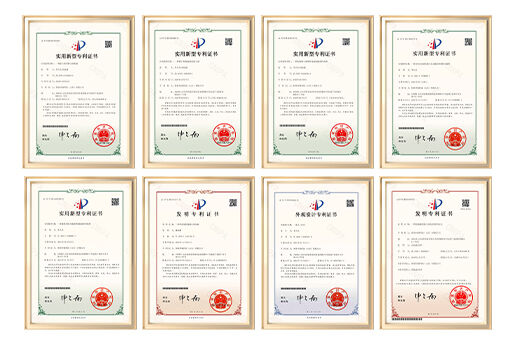
Yongsta R&D Team Wins 3 Dust Removal Technology Patents, Leading Industry Innovation

09

Apr

Yongsta R&D Team Wins 3 Dust Removal Technology Patents, Leading Industry Innovation

View More
Yongsta Cooperates with TUV for ATEX Explosion-Proof Certification, Explosion-Proof Dust Collector to Be Launched Soon

09

Apr

Yongsta Cooperates with TUV for ATEX Explosion-Proof Certification, Explosion-Proof Dust Collector to Be Launched Soon

View More
Empowering Benchmark Manufacturing! Yongsta Cartridge Dust Collector Aids Siemens Transformer China Factory's Dust Removal Renovation and Gains High Recognition

09

Apr

Empowering Benchmark Manufacturing! Yongsta Cartridge Dust Collector Aids Siemens Transformer China Factory's Dust Removal Renovation and Gains High Recognition

View More

Get a Free Quote

Our representative will contact you soon.
Email
Name
Company Name
Message
0/1000

grinding dust collection system

Advanced Filtration Technology Ensures Maximum Particle Capture

Advanced Filtration Technology Ensures Maximum Particle Capture

The filtration technology employed in modern grinding dust collection systems represents a quantum leap forward in air purification capabilities. At the heart of these systems lies multi-stage filtration that progressively removes particles of varying sizes, ensuring that even the finest dust cannot escape back into your workspace. The first stage typically involves a pre-filter or cyclonic separator that removes larger particles through centrifugal force, preventing these heavier materials from reaching and potentially damaging the primary filters. This initial separation extends filter life and maintains system efficiency over time. The primary filtration stage utilizes high-efficiency filter media specifically engineered to capture the microscopic particles generated during grinding operations. These filters often achieve efficiency ratings of 99.97 percent or higher for particles down to 0.3 microns, which is crucial because the most dangerous dust particles are those small enough to penetrate deep into lung tissue. The filter media itself incorporates advanced materials such as pleated synthetic fibers, nanofiber layers, or electrostatically charged materials that attract and hold particles through multiple mechanisms including mechanical interception, inertial impaction, and electrostatic attraction. Many grinding dust collection systems feature automatic filter cleaning mechanisms that use compressed air pulses to dislodge accumulated dust from filter surfaces, allowing it to fall into collection bins while the system continues operating. This pulse-jet cleaning occurs at programmed intervals or when differential pressure sensors detect that filters are becoming loaded, ensuring consistent airflow and suction power without manual intervention. The ability to clean filters automatically means your system maintains peak performance throughout the workday, eliminating the productivity losses associated with declining suction as filters load up. Some advanced systems incorporate HEPA afterfilters as a final polishing stage, guaranteeing that the air returned to your facility or exhausted outdoors meets the most stringent purity standards. This level of filtration is particularly important when grinding materials that produce toxic dust, such as metals containing chromium, nickel, or other hazardous elements. The filter housing design also contributes to system effectiveness, with features like gasket seals that prevent bypass, easy access panels for maintenance, and pressure monitoring that alerts operators when filter replacement is needed. Investing in a grinding dust collection system with advanced filtration technology means you are not just meeting minimum requirements but exceeding them, providing maximum protection for your workers while ensuring compliance with current and future regulations.
Customizable Design Adapts to Your Specific Grinding Operations

Customizable Design Adapts to Your Specific Grinding Operations

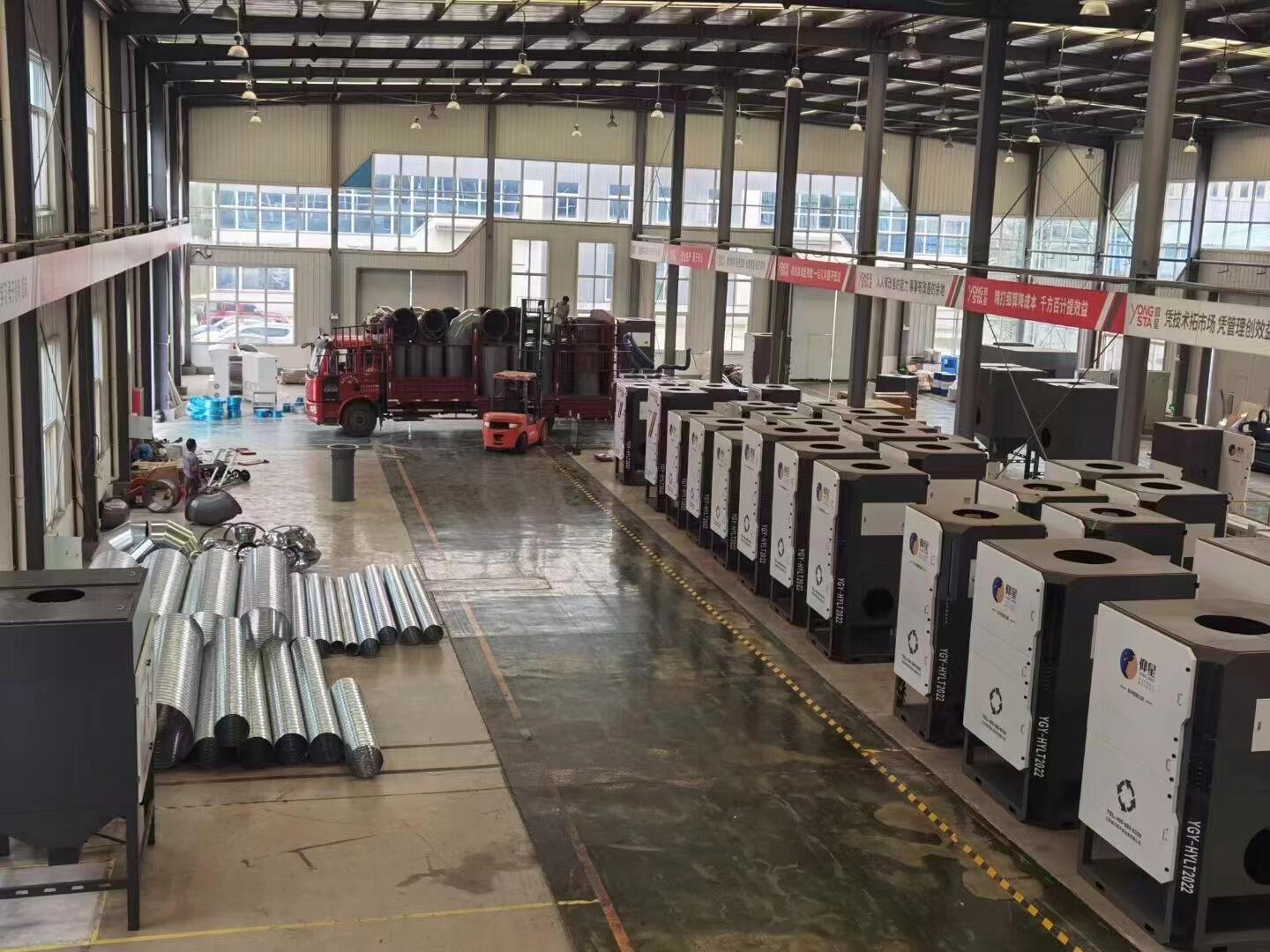
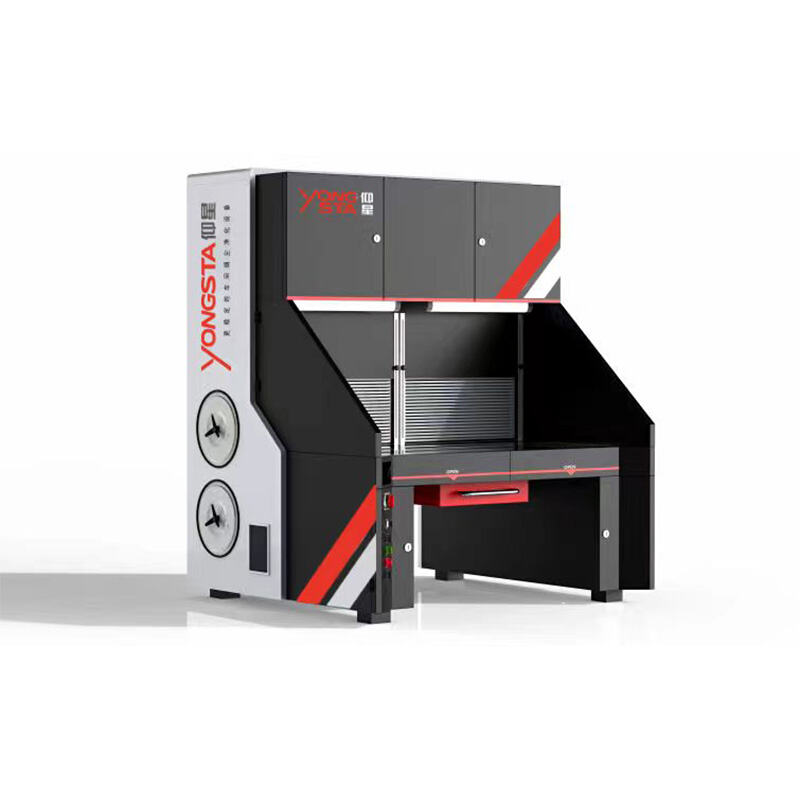
One of the most valuable aspects of grinding dust collection systems is their adaptability to diverse operational requirements and facility configurations. Unlike one-size-fits-all solutions, these systems can be precisely tailored to match your specific grinding processes, workspace layout, and production volume. This customization begins with a thorough assessment of your dust generation points, including the number of grinding stations, types of materials being processed, and the volume of dust produced during typical operations. Engineers can then design a collection network that positions capture hoods or enclosures at optimal locations to intercept dust at its source before it disperses into the general workspace. The capture hood design itself varies based on the grinding application, with options including downdraft tables that pull dust downward away from the operator's breathing zone, side-draft hoods that capture dust moving laterally from grinding wheels, and full enclosures that surround the grinding operation for maximum containment. Each configuration is engineered to create airflow patterns that effectively capture dust while minimizing interference with the operator's work. Ductwork sizing and routing represents another critical customization element, as proper duct diameter and layout ensure adequate transport velocity to prevent dust from settling inside pipes while minimizing energy consumption. The system designer calculates the minimum velocity needed to keep your specific dust particles suspended in the airstream, then sizes ducts accordingly. Strategic placement of blast gates allows operators to direct suction to active grinding stations while closing off unused collection points, optimizing airflow distribution and reducing energy waste. The central collection unit itself scales to match your needs, with options ranging from compact single-station collectors suitable for small shops to large industrial systems serving dozens of grinding stations across expansive facilities. Fan sizing is calculated based on total airflow requirements and static pressure losses throughout the ductwork network, ensuring sufficient suction at every collection point. Control systems can be as simple as manual on-off switches or as sophisticated as fully automated systems that activate collection when grinding equipment starts, adjust fan speed based on the number of active stations, and provide real-time monitoring of system performance through digital interfaces. This automation reduces energy consumption by running the system only when needed and at the minimum speed necessary for effective collection. Modular design allows systems to grow with your business, with provisions for adding collection points or increasing capacity as production expands. Whether you operate a small fabrication shop with a single grinder or a large manufacturing facility with multiple grinding cells, a properly customized grinding dust collection system integrates seamlessly into your operations, providing effective dust control without disrupting workflow or requiring excessive floor space.
Significant Cost Savings Through Reduced Maintenance and Compliance

Significant Cost Savings Through Reduced Maintenance and Compliance

While the initial investment in a grinding dust collection system requires careful budgeting, the long-term financial benefits far outweigh the upfront costs, delivering substantial savings across multiple operational areas. The most immediate cost benefit comes from reduced equipment maintenance and extended machinery life. Grinding dust is highly abrasive and when allowed to accumulate on and around equipment, it accelerates wear on moving parts, clogs lubrication systems, and causes premature failure of bearings, seals, and electrical components. By capturing this dust before it settles on machinery, collection systems prevent this damage, extending the service intervals for grinding equipment and reducing the frequency of costly repairs. Manufacturing facilities that implement effective dust collection often report 30 to 50 percent reductions in maintenance costs for grinding equipment and surrounding machinery. The savings extend to facility maintenance as well, since dust that escapes collection must be cleaned from floors, walls, overhead structures, and ventilation systems. This cleaning requires labor hours that could be spent on productive tasks, and in facilities without adequate collection, housekeeping can consume significant portions of maintenance budgets. A properly functioning grinding dust collection system eliminates most of this burden, freeing maintenance staff to focus on value-adding activities rather than endless dust removal. Healthcare costs decrease when workers are protected from dust exposure, as respiratory conditions, allergies, and other dust-related health issues become less common. Lower injury and illness rates translate directly to reduced workers' compensation insurance premiums, fewer lost workdays, and decreased costs for temporary replacement workers. Some facilities report that improved air quality leads to measurable increases in productivity as workers feel better and can focus more effectively on their tasks. Regulatory compliance represents another significant cost consideration, as violations of air quality standards can result in substantial fines, mandatory work stoppages, and expensive remediation requirements. A grinding dust collection system that meets or exceeds regulatory standards protects your business from these penalties while demonstrating due diligence in protecting worker health. This compliance also shields your company from potential liability in worker health claims, as documented dust control measures show that you took reasonable steps to provide a safe workplace. Energy efficiency in modern systems contributes to cost savings through reduced electricity consumption compared to older collection technology or inadequate systems that must run at maximum capacity continuously. Variable frequency drives adjust fan speed to match actual demand, and smart controls shut down the system when grinding operations cease, eliminating the energy waste of running collection equipment unnecessarily. Some facilities recover heat from exhaust air during cold months, further reducing energy costs. The return on investment for a grinding dust collection system typically occurs within two to four years when all cost factors are considered, after which the system continues delivering savings throughout its operational life, which often exceeds fifteen years with proper maintenance. This financial performance makes dust collection not just a safety requirement but a sound business investment that improves profitability while protecting your most valuable asset, your workforce.

Get a Free Quote

Our representative will contact you soon.
Email
Name
Company Name
Message
0/1000
email goToTop