Industrial Dust Table: Advanced Dust Collection Workstations for Safe Manufacturing

Get a Free Quote

Our representative will contact you soon.
Email
Name
Company Name
Message
0/1000

industrial dust table

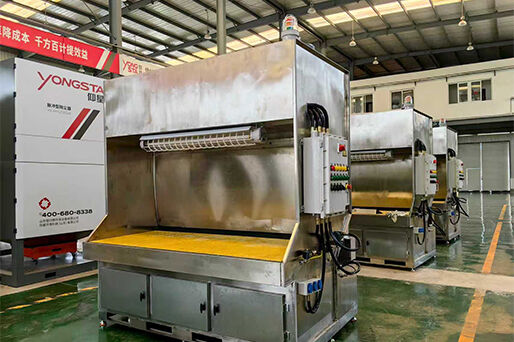
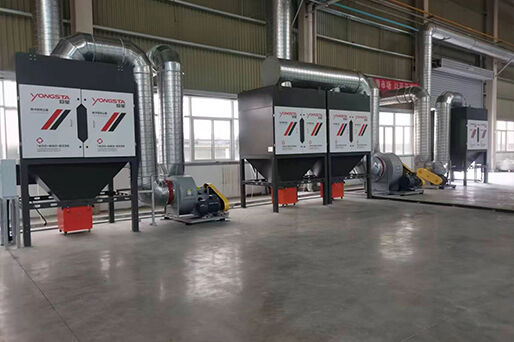
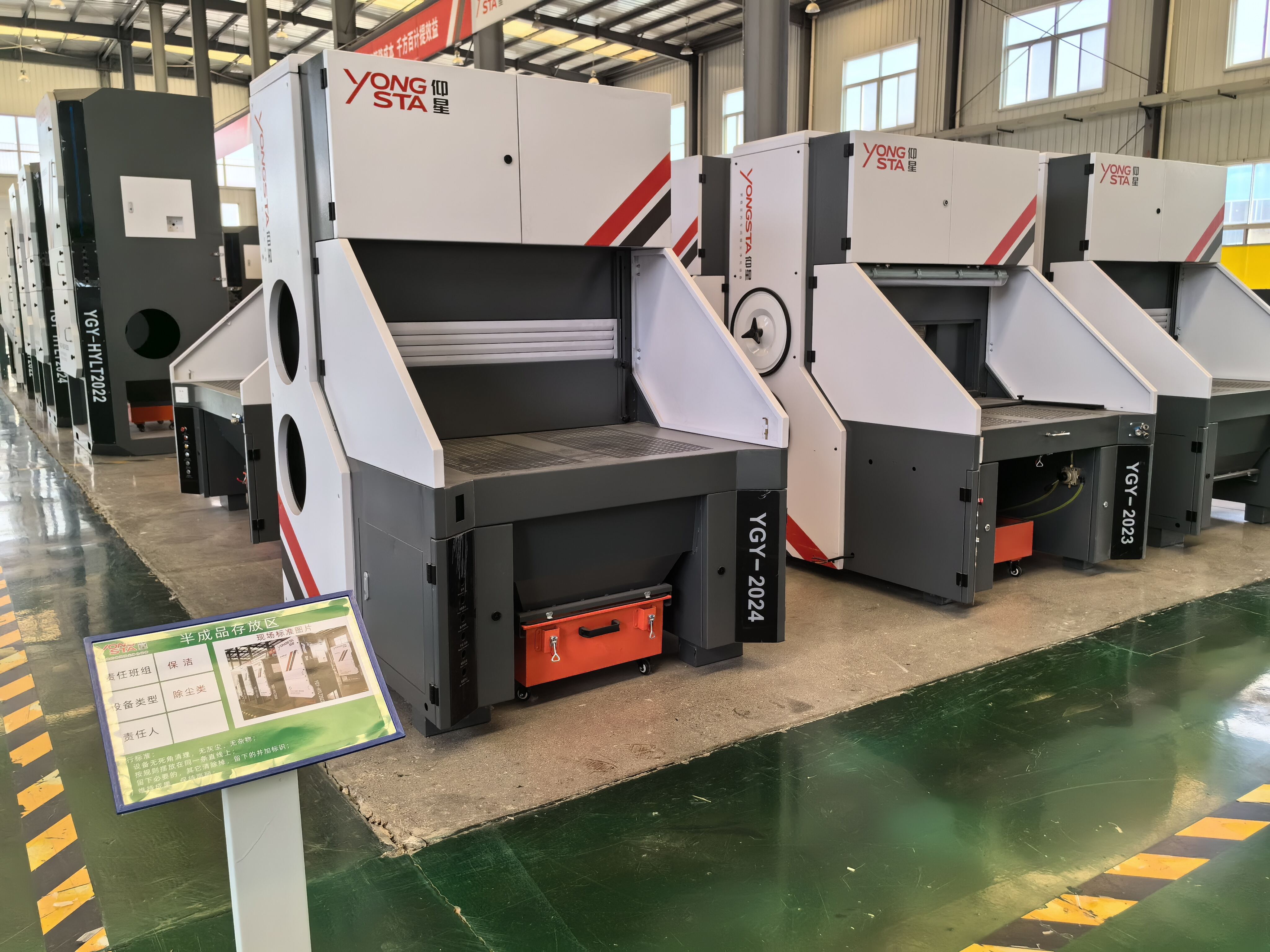
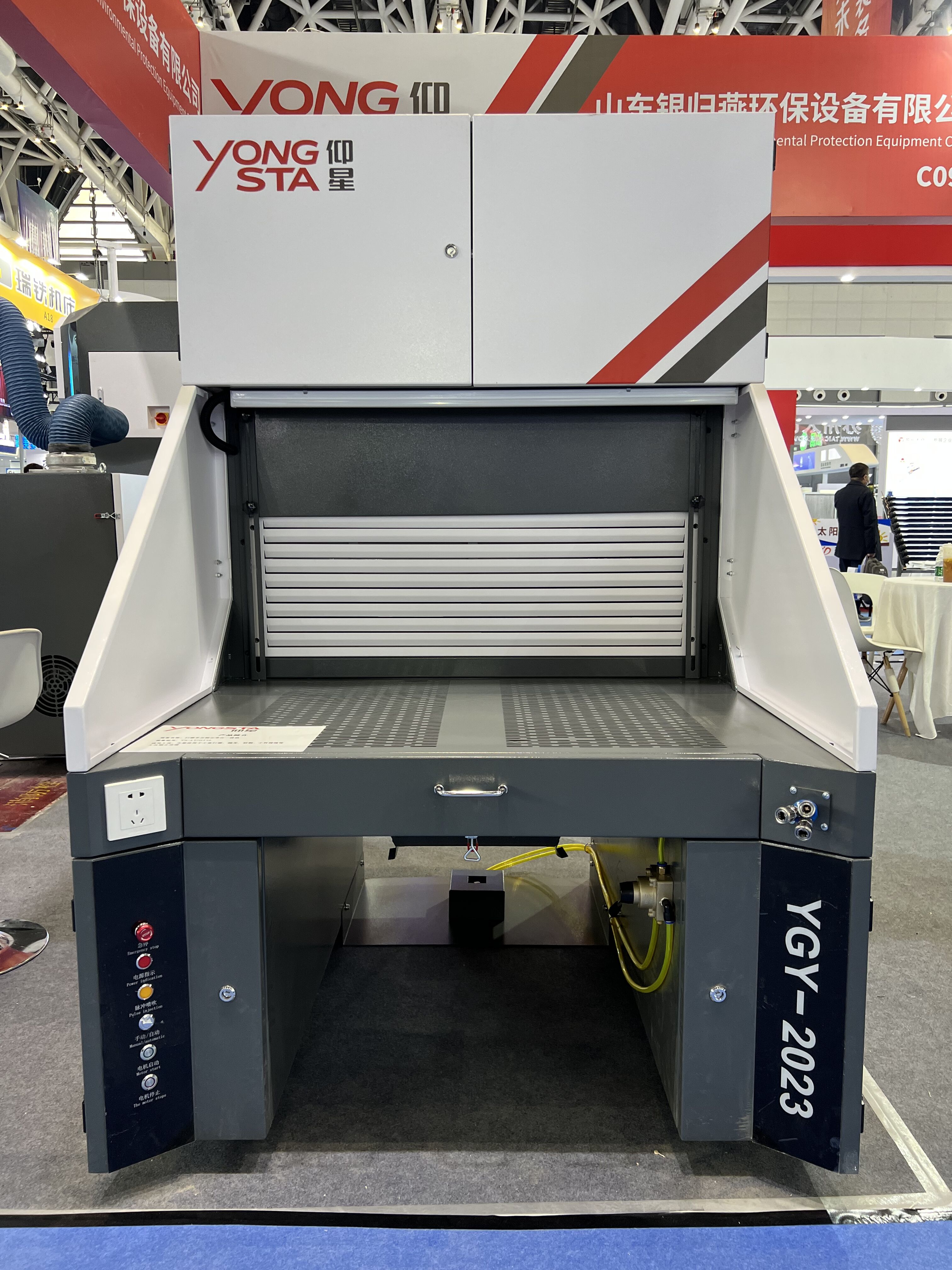
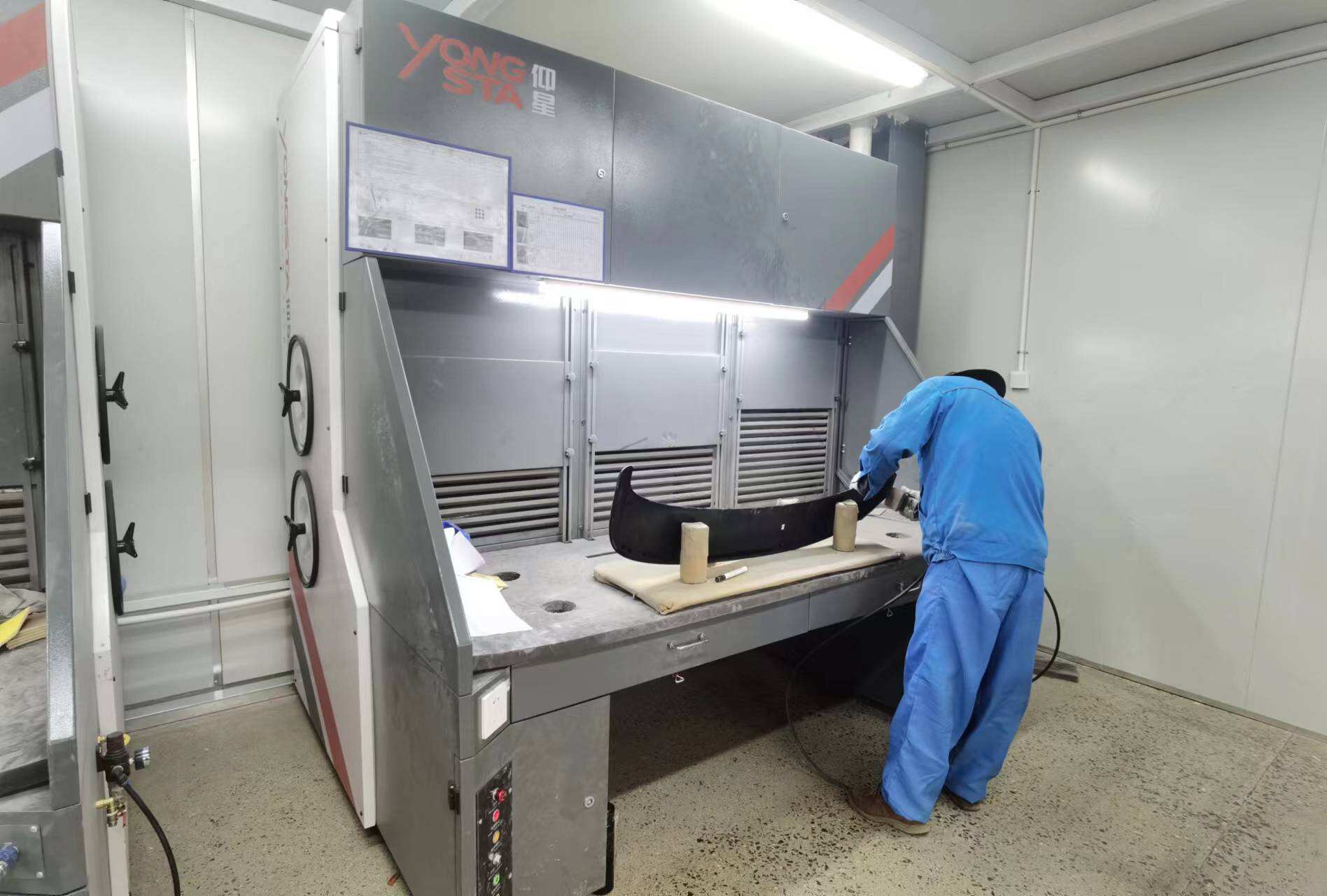
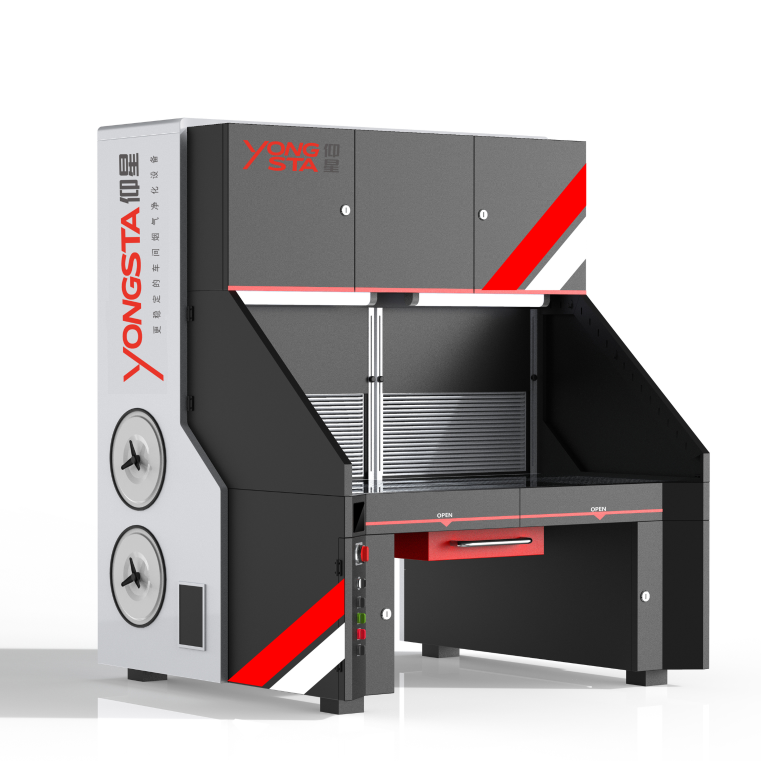
An industrial dust table represents a specialized workstation designed to capture and contain airborne particles generated during manufacturing, grinding, sanding, polishing, and assembly operations. This equipment integrates a work surface with an integrated ventilation system that draws contaminated air away from the operator's breathing zone. The primary function centers on protecting workers from inhaling hazardous dust while maintaining a clean production environment. Modern industrial dust tables feature downdraft or backdraft airflow configurations that pull particles directly into filtration systems before they disperse throughout the facility. The technological framework includes variable speed fans, multi-stage filtration media, and ergonomic work surfaces that accommodate diverse production tasks. These systems typically incorporate HEPA filters or cartridge-style collectors capable of trapping particles as small as 0.3 microns. The construction utilizes heavy-gauge steel frames with powder-coated finishes that resist corrosion and withstand demanding industrial conditions. Control panels allow operators to adjust suction power based on the specific dust generation rates of different materials and processes. Applications span metalworking facilities where grinding and deburring create metal particulates, woodworking shops producing sawdust and fine wood particles, pharmaceutical manufacturing requiring containment of powder compounds, electronics assembly where solder fumes need extraction, and composite fabrication generating fiber dust. The industrial dust table serves as a critical component in occupational health programs by reducing exposure to respirable dust that can cause respiratory diseases, allergic reactions, and long-term health complications. Installation flexibility allows these units to function as standalone workstations or integrate into existing production lines. The captured material collects in removable drawers or connects to central dust collection systems, simplifying waste management and disposal procedures. Energy-efficient motor designs reduce operational costs while maintaining consistent airflow performance throughout extended production shifts.

Popular Products

The industrial dust table delivers immediate improvements to workplace safety by creating a controlled environment where harmful particles cannot reach workers' respiratory systems. This protection translates directly into reduced absenteeism, lower workers' compensation claims, and improved employee morale as team members recognize their employer's commitment to health and safety. The contained workspace prevents dust from settling on nearby equipment, reducing maintenance requirements and extending the service life of precision machinery that would otherwise suffer from abrasive particle contamination. Production quality sees measurable gains because the clean work surface eliminates defects caused by dust contamination during finishing, coating, or assembly operations. Manufacturers report fewer rejected parts and reduced rework costs after implementing these systems. The localized capture approach proves more energy-efficient than facility-wide ventilation systems because it targets dust at the source rather than attempting to clean entire room volumes. This focused strategy cuts heating and cooling expenses while delivering superior air quality results. Compliance with occupational safety regulations becomes straightforward as the industrial dust table provides documented engineering controls that satisfy regulatory requirements for dust exposure limits. Companies avoid costly citations and demonstrate due diligence in protecting worker health. The modular design allows businesses to scale their dust control infrastructure incrementally, adding units as production expands without major facility modifications. Operators appreciate the improved visibility that comes with clear air around their work area, enabling more precise work and reducing eye strain during detailed tasks. The noise reduction compared to overhead extraction systems creates a more comfortable acoustic environment that facilitates communication and reduces fatigue during long shifts. Maintenance procedures remain simple with accessible filter compartments and clear indicator systems that signal when service is needed. The return on investment materializes quickly through the combination of health cost savings, quality improvements, energy efficiency, and regulatory compliance benefits. Businesses gain competitive advantages by offering safer working conditions that attract skilled workers in tight labor markets. The professional appearance of a facility equipped with proper dust control systems also impresses customers during facility tours and audits. Environmental benefits extend beyond the workplace as proper filtration prevents dust from escaping into surrounding communities, supporting corporate sustainability goals and maintaining positive relationships with neighbors. The versatility of these systems means a single investment serves multiple production processes, maximizing utilization rates and justifying capital expenditure across diverse manufacturing operations.

Practical Tips

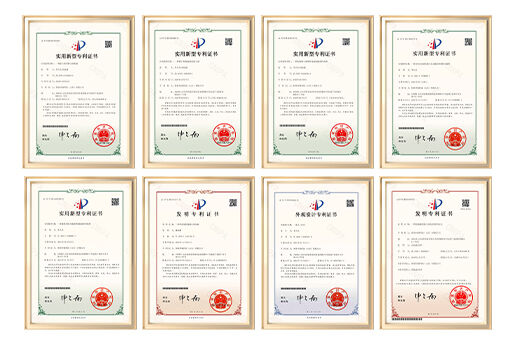
Yongsta R&D Team Wins 3 Dust Removal Technology Patents, Leading Industry Innovation

09

Apr

Yongsta R&D Team Wins 3 Dust Removal Technology Patents, Leading Industry Innovation

View More
Yongsta Cooperates with TUV for ATEX Explosion-Proof Certification, Explosion-Proof Dust Collector to Be Launched Soon

09

Apr

Yongsta Cooperates with TUV for ATEX Explosion-Proof Certification, Explosion-Proof Dust Collector to Be Launched Soon

View More
Empowering Benchmark Manufacturing! Yongsta Cartridge Dust Collector Aids Siemens Transformer China Factory's Dust Removal Renovation and Gains High Recognition

09

Apr

Empowering Benchmark Manufacturing! Yongsta Cartridge Dust Collector Aids Siemens Transformer China Factory's Dust Removal Renovation and Gains High Recognition

View More

Get a Free Quote

Our representative will contact you soon.
Email
Name
Company Name
Message
0/1000

industrial dust table

Advanced Filtration Technology Ensures Maximum Particle Capture

Advanced Filtration Technology Ensures Maximum Particle Capture

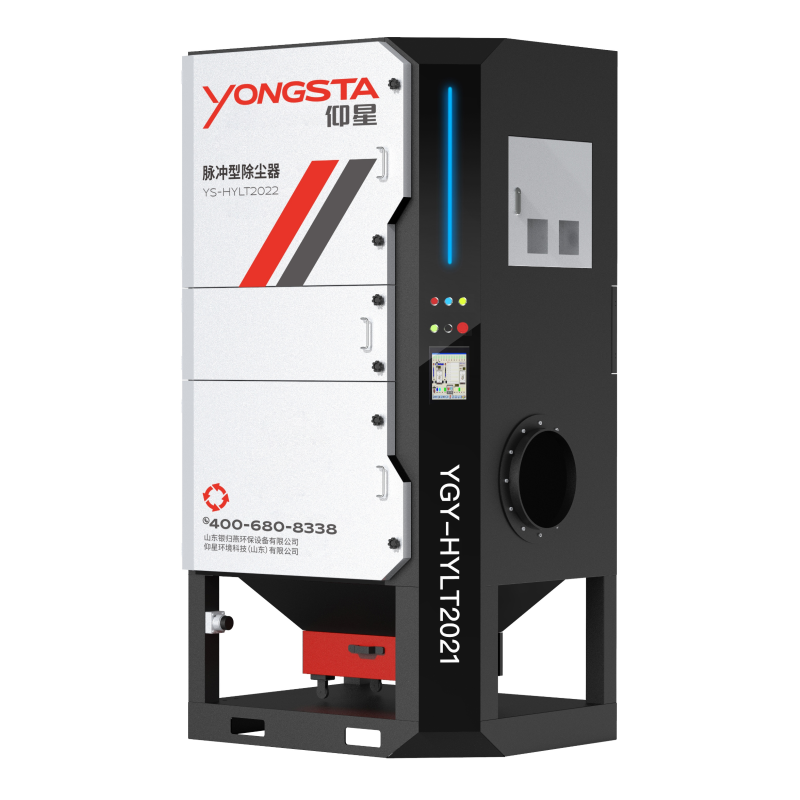
The filtration system within an industrial dust table represents the critical technology that determines overall performance and worker protection levels. Modern units employ multi-stage filtration architectures that progressively capture particles of decreasing size, ensuring comprehensive removal of contaminants from the air stream. The initial stage typically uses a pre-filter or spark arrestor that captures larger particles and prevents damage to downstream filtration media, extending the service life of expensive final filters. This first barrier also protects against fire hazards when working with materials that generate sparks or hot particles. The secondary filtration stage employs high-efficiency cartridge filters or bag-style collectors with surface areas measured in hundreds of square feet, providing substantial capacity for dust loading before requiring replacement. These intermediate filters capture the bulk of respirable particles that pose the greatest health risks, including those in the 1 to 10 micron range that penetrate deep into lung tissue. The final filtration stage in premium industrial dust table models incorporates HEPA-grade media that achieves 99.97 percent efficiency for particles as small as 0.3 microns, meeting the stringent requirements of pharmaceutical, electronics, and aerospace manufacturing environments. The filter media itself utilizes advanced synthetic fibers or pleated cellulose treated with flame retardants and moisture resistance coatings that maintain performance across varying humidity conditions. Automatic filter monitoring systems track pressure differential across the filtration stages, providing real-time feedback on filter loading and triggering maintenance alerts before performance degrades. This predictive maintenance capability prevents unexpected downtime and ensures consistent protection levels throughout the filter service life. The filter replacement process has been engineered for simplicity, with tool-free access panels and bag-in-bag-out designs that minimize operator exposure to collected dust during change-out procedures. Some advanced systems incorporate filter cleaning mechanisms such as reverse pulse jets that dislodge accumulated dust back into collection hoppers, extending filter life and reducing consumable costs. The filtration efficiency directly impacts both worker health outcomes and regulatory compliance, making this technology the cornerstone of effective dust control. Businesses investing in industrial dust tables with superior filtration capabilities protect their workforce while avoiding the substantial costs associated with occupational illness claims and regulatory violations.
Ergonomic Design Optimizes Operator Comfort and Productivity

Ergonomic Design Optimizes Operator Comfort and Productivity

The ergonomic considerations integrated into industrial dust table design directly influence operator comfort, productivity, and long-term musculoskeletal health. The work surface height follows anthropometric data to position tasks within optimal reach zones, reducing shoulder strain and back stress during extended work periods. Adjustable height options accommodate operators of different statures and allow the same workstation to serve multiple shifts with varying personnel. The depth and width dimensions provide adequate space for component staging and tool placement while keeping the active work area within comfortable reach distances that prevent overextension injuries. The surface material selection balances durability with appropriate friction characteristics, preventing parts from sliding while allowing easy repositioning without excessive force. Perforated work surfaces in downdraft configurations distribute airflow evenly across the entire work area, eliminating dead zones where dust might accumulate and ensuring consistent capture regardless of where the operator positions their work. The perforation pattern is engineered to prevent small parts from falling through while maintaining sufficient open area for effective airflow. Edge treatments include rounded profiles that eliminate pressure points on forearms during prolonged contact, reducing discomfort and preventing nerve compression issues. Integrated tool rails and accessory mounting points allow operators to customize their workspace with task lighting, magnification equipment, and specialized fixtures without cluttering the work surface. The positioning of controls places power switches and airflow adjustments within easy reach without requiring operators to leave their working position or interrupt their workflow. Visual and audible indicators provide clear feedback on system status without creating distracting noise or light pollution in the work environment. The industrial dust table footprint is optimized to fit within standard production floor layouts while providing stable support that resists vibration from grinding, sanding, or other dynamic operations. Leveling feet with large adjustment ranges accommodate uneven floors and ensure the work surface remains perfectly horizontal for precision assembly tasks. The open architecture beneath the work surface provides adequate legroom and allows operators to position themselves close to their work without awkward postures. Cable management features route power and pneumatic lines safely away from the work area, preventing tripping hazards and protecting connections from damage. The combination of these ergonomic features reduces operator fatigue, increases sustained productivity, and demonstrates employer commitment to worker wellbeing that enhances job satisfaction and retention rates.
Versatile Applications Across Multiple Industries and Processes

Versatile Applications Across Multiple Industries and Processes

The adaptability of the industrial dust table makes it an invaluable asset across diverse manufacturing sectors and production processes, delivering consistent dust control regardless of the specific materials or operations involved. In metalworking facilities, these systems excel at capturing the fine metal particulates generated during grinding, deburring, polishing, and finishing operations on ferrous and non-ferrous materials. The robust construction withstands the weight of heavy metal components while the filtration system handles the abrasive nature of metal dust without premature wear. Woodworking operations benefit from the high-volume airflow capacity that manages the substantial dust generation rates associated with sanding, routing, and carving activities on solid wood, engineered wood products, and composite materials. The fire safety features become particularly important in these applications where fine wood dust presents explosion hazards if allowed to accumulate. Pharmaceutical and nutraceutical manufacturers rely on industrial dust tables during powder handling, tablet coating, and packaging operations where product containment prevents cross-contamination between batches and protects operators from exposure to active pharmaceutical ingredients. The smooth, cleanable surfaces meet sanitation requirements while the sealed construction prevents product loss. Electronics assembly facilities use these workstations during soldering operations to capture flux fumes and during grinding or cutting of circuit boards to contain the hazardous dust from fiberglass and resin materials. The static-dissipative work surface options protect sensitive electronic components from electrostatic discharge damage. Composite manufacturing operations generating carbon fiber, fiberglass, or aramid fiber dust during trimming and finishing processes require the specialized filtration capabilities that capture these lightweight, airborne fibers before they disperse throughout the facility. Jewelry manufacturing and precious metal refining operations appreciate the contained workspace that prevents loss of valuable metal dust and allows for complete recovery of precious materials from the collection system. Automotive repair shops use industrial dust tables during body filler sanding and paint preparation to protect technicians from hazardous dust while maintaining the clean environment necessary for quality paint finishes. Research and development laboratories employ these systems during prototype development and materials testing where dust generation is unpredictable and containment is essential for accurate experimental results. The modular accessory ecosystem allows each industrial dust table to be configured with industry-specific fixtures, lighting, and tooling that optimize performance for particular applications. This versatility means businesses can standardize on a single dust control platform across multiple production areas, simplifying procurement, training, and maintenance while achieving comprehensive dust control throughout their operations.

Get a Free Quote

Our representative will contact you soon.
Email
Name
Company Name
Message
0/1000
email goToTop