Industrial Fume Removal Systems - Advanced Air Filtration Solutions for Workplace Safety

Get a Free Quote

Our representative will contact you soon.
Email
Name
Company Name
Message
0/1000

fume removal system

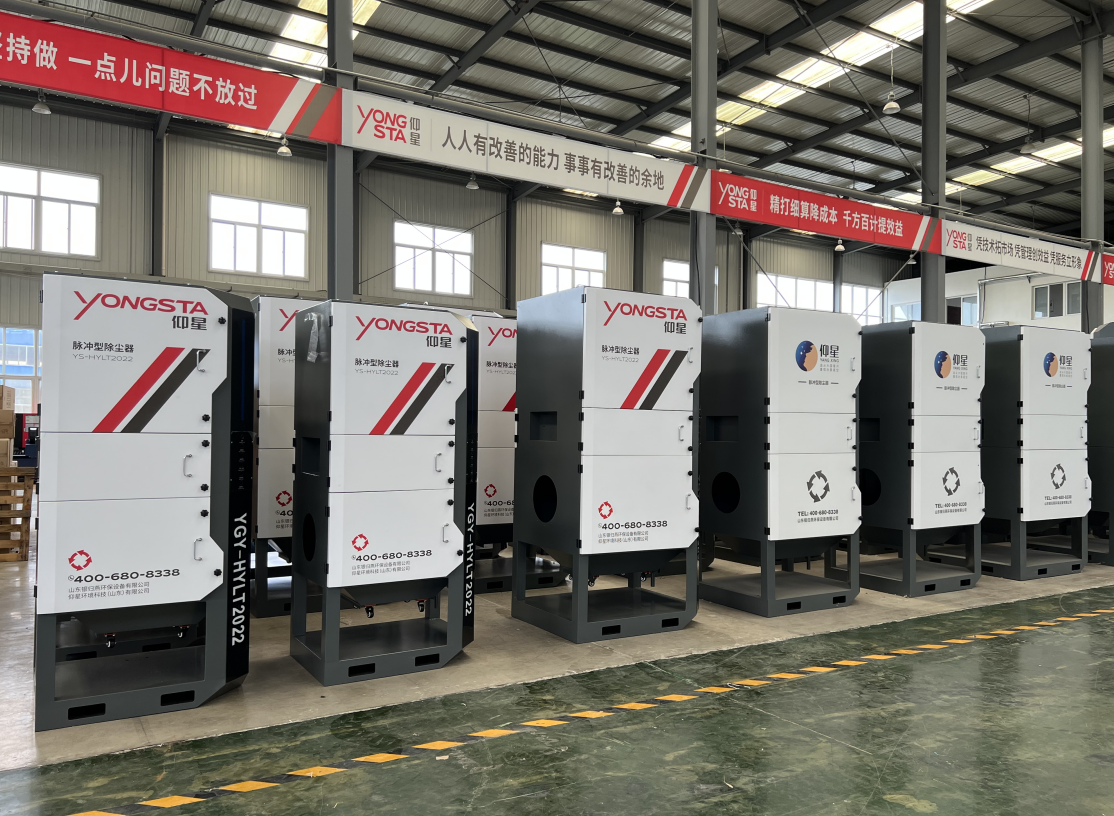
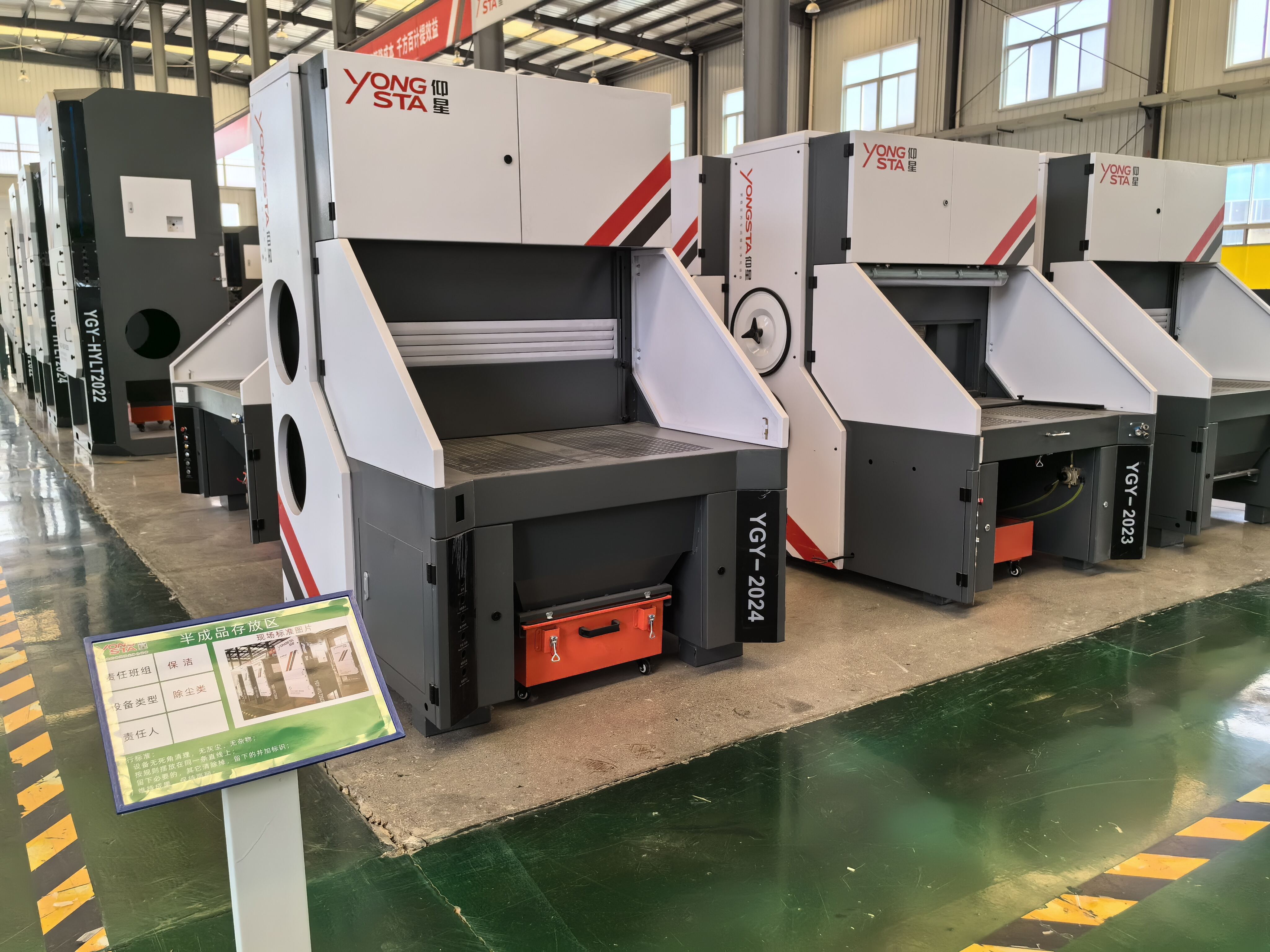
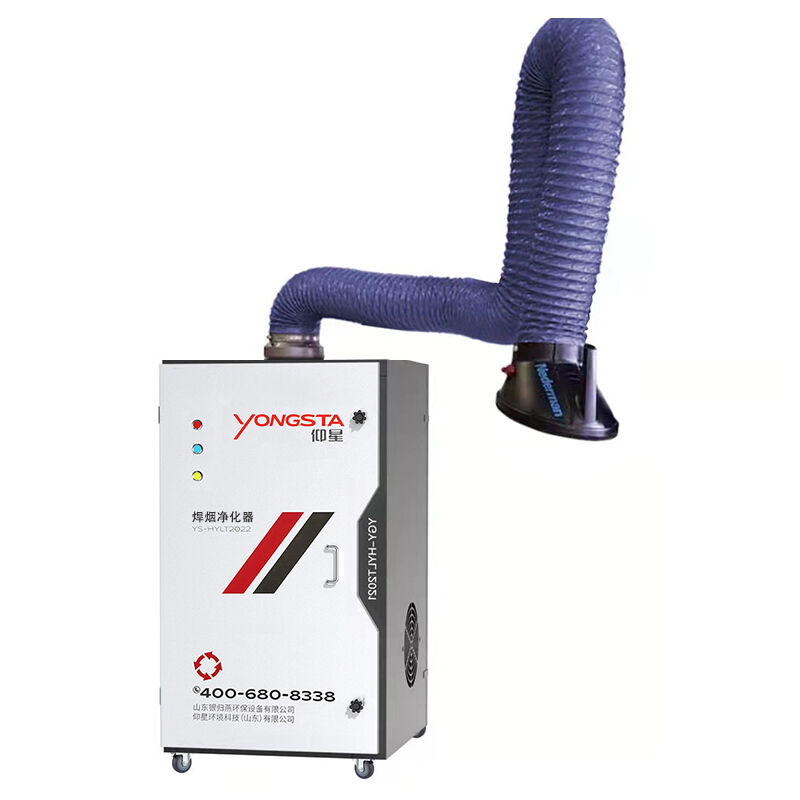
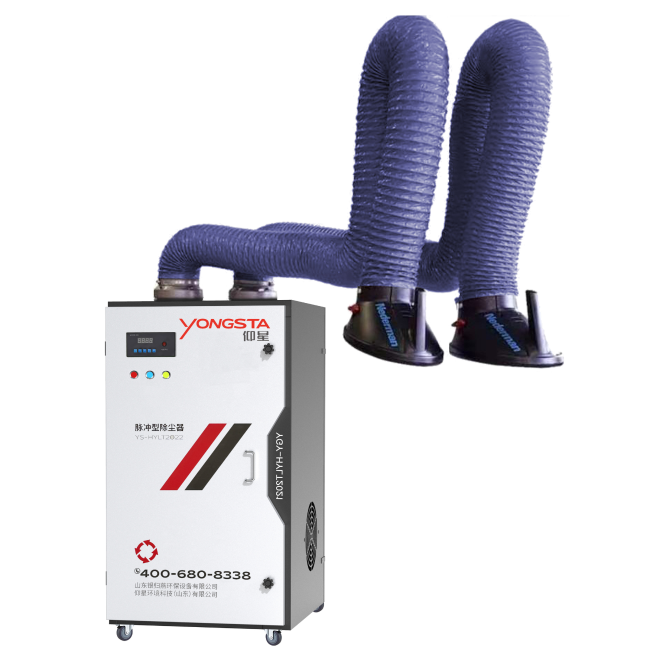
A fume removal system represents a critical industrial solution designed to capture, filter, and eliminate harmful airborne contaminants generated during manufacturing processes. These sophisticated systems protect workers from hazardous fumes, smoke, dust particles, and chemical vapors that emerge from welding, soldering, laser cutting, chemical processing, and various production activities. Modern fume removal systems integrate advanced filtration technology with intelligent airflow management to create safer working environments while maintaining operational efficiency. The primary function centers on extracting contaminated air directly at the source point, preventing pollutants from dispersing throughout the facility. Through strategically positioned extraction arms, hoods, or downdraft tables, these systems capture harmful emissions before workers can inhale them. The captured air then passes through multiple filtration stages, removing particles and gases to return clean air back into the workspace or exhaust it safely outdoors. Technological features include variable speed controls that adjust suction power based on real-time requirements, reducing energy consumption during lighter operations. Smart sensors monitor filter saturation levels, alerting maintenance teams before performance degrades. Modular designs allow businesses to scale their systems as production demands grow, adding extraction points or upgrading filtration capacity without replacing entire installations. Applications span diverse industries including metal fabrication shops where welding fumes contain dangerous metal oxides, electronics manufacturing facilities dealing with solder smoke, pharmaceutical laboratories handling chemical vapors, woodworking operations generating fine dust particles, and automotive repair shops exposed to paint fumes. Healthcare facilities use these systems in laboratories and sterilization areas, while educational institutions install them in technical training workshops. The versatility of fume removal systems makes them indispensable across any environment where air quality directly impacts worker health and regulatory compliance.

Popular Products

Installing a fume removal system delivers immediate improvements to workplace safety by dramatically reducing employee exposure to toxic substances. Workers breathe cleaner air throughout their shifts, which decreases respiratory problems, headaches, and long-term health complications associated with prolonged fume inhalation. This protection translates directly into reduced sick days, lower workers compensation claims, and improved employee morale as team members feel valued and protected. Companies demonstrate their commitment to worker wellbeing, which strengthens recruitment efforts and reduces turnover in competitive labor markets. Beyond health benefits, these systems ensure regulatory compliance with occupational safety standards enforced by government agencies. Avoiding violations prevents costly fines, legal disputes, and potential facility shutdowns that disrupt business operations. Regular inspections become straightforward when proper extraction equipment operates effectively, giving management confidence during audits. The financial advantages extend to operational efficiency gains. Clean air improves visibility in work areas, allowing employees to perform detailed tasks with greater precision and fewer errors. Equipment lasts longer when protected from corrosive fume deposits that would otherwise accumulate on machinery surfaces, reducing maintenance costs and extending asset lifecycles. Production quality improves as contaminants no longer settle on finished products, decreasing defect rates and customer complaints. Energy efficiency features built into modern systems lower utility expenses compared to older ventilation methods that simply exhausted conditioned air outdoors. Recirculating filtered air back into the workspace retains heating or cooling, cutting climate control costs significantly. The initial investment pays back through these combined savings, typically within two to four years depending on facility size and usage intensity. Environmental responsibility represents another compelling advantage. Filtering emissions before release protects surrounding communities from pollution, supporting corporate sustainability goals and enhancing public reputation. Businesses pursuing green certifications find these systems essential for meeting environmental criteria. Flexibility allows companies to adapt systems as processes evolve, protecting investments over decades rather than requiring complete replacements when production methods change. This adaptability proves especially valuable for manufacturers serving multiple industries or frequently introducing new product lines requiring different extraction approaches.

Tips And Tricks

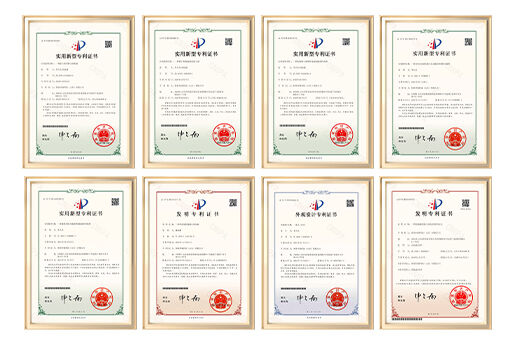
Yongsta R&D Team Wins 3 Dust Removal Technology Patents, Leading Industry Innovation

09

Apr

Yongsta R&D Team Wins 3 Dust Removal Technology Patents, Leading Industry Innovation

View More
Yongsta Cooperates with TUV for ATEX Explosion-Proof Certification, Explosion-Proof Dust Collector to Be Launched Soon

09

Apr

Yongsta Cooperates with TUV for ATEX Explosion-Proof Certification, Explosion-Proof Dust Collector to Be Launched Soon

View More
Empowering Benchmark Manufacturing! Yongsta Cartridge Dust Collector Aids Siemens Transformer China Factory's Dust Removal Renovation and Gains High Recognition

09

Apr

Empowering Benchmark Manufacturing! Yongsta Cartridge Dust Collector Aids Siemens Transformer China Factory's Dust Removal Renovation and Gains High Recognition

View More

Get a Free Quote

Our representative will contact you soon.
Email
Name
Company Name
Message
0/1000

fume removal system

Advanced Multi-Stage Filtration Technology Ensures Maximum Contaminant Removal

Advanced Multi-Stage Filtration Technology Ensures Maximum Contaminant Removal

The cornerstone of any effective fume removal system lies in its filtration technology, which determines how thoroughly harmful substances get removed from workplace air. Modern systems employ multi-stage filtration approaches that address different contaminant types through specialized filter media working in coordinated sequence. The first stage typically involves pre-filters that capture larger particles, protecting downstream filters from premature clogging and extending overall system lifespan. These pre-filters trap welding spatter, large dust particles, and debris that would otherwise damage finer filtration elements. The second stage introduces high-efficiency particulate air filters, commonly known as HEPA filters, which capture microscopic particles down to 0.3 microns with efficiency ratings exceeding 99.97 percent. This level of filtration removes metal fumes, fine dust, and solid particulates that pose the greatest respiratory risks. For applications involving chemical vapors, gases, or odors, a third stage incorporates activated carbon filters or specialized chemical media. These filters use adsorption processes to trap molecular-level contaminants that particle filters cannot capture, addressing volatile organic compounds and toxic gases. Some advanced fume removal systems integrate electrostatic precipitation technology, which uses electrical charges to attract and capture even the smallest particles with remarkable efficiency while maintaining low airflow resistance. This technology proves particularly effective for oil mists and submicron particles generated in metalworking operations. The multi-stage approach ensures comprehensive protection regardless of contaminant type, making these systems suitable for facilities with diverse operations producing various emission types. Filter monitoring systems provide real-time feedback on filter condition, using differential pressure sensors to detect when filters approach saturation. This intelligent monitoring prevents system performance degradation and ensures consistent protection levels. Maintenance becomes predictable rather than reactive, as operators receive advance notice before filters require replacement. The modular filter design allows quick changeouts without specialized tools or extensive downtime, minimizing disruption to production schedules. Investment in superior filtration technology delivers long-term value through reduced filter replacement frequency, lower energy consumption due to optimized airflow resistance, and most importantly, reliable protection that keeps workers safe and facilities compliant with increasingly stringent air quality regulations.
Flexible Extraction Solutions Adapt to Diverse Workplace Configurations

Flexible Extraction Solutions Adapt to Diverse Workplace Configurations

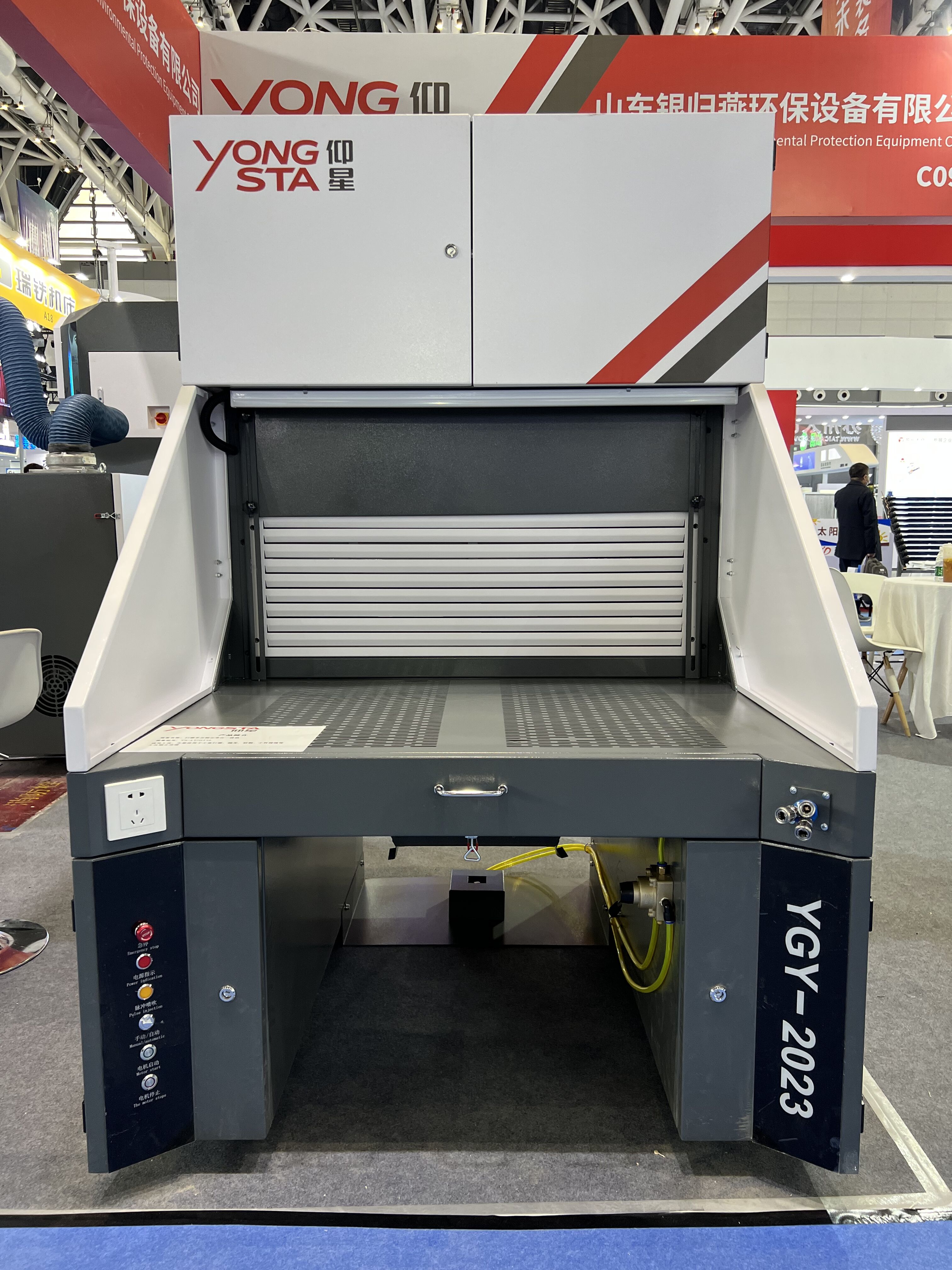
Workplace environments vary dramatically in layout, equipment arrangement, and operational requirements, demanding fume removal systems that adapt to specific facility needs rather than forcing operations to conform to rigid equipment limitations. Modern extraction solutions offer remarkable flexibility through modular components that configure to match any workspace geometry or process requirement. Articulating extraction arms represent one of the most versatile capture methods, featuring flexible joints that position intake hoods precisely at emission sources. These arms extend, retract, and rotate to follow work as it moves, maintaining optimal capture efficiency without restricting operator movement or access to workpieces. Magnetic mounting bases allow quick repositioning as production layouts change, while internal dampers hold arms in position without constant readjustment. For applications requiring broader coverage, overhead canopy hoods capture rising fumes from large work areas, ideal for welding bays or chemical processing stations where emissions disperse over wider zones. Downdraft tables provide another approach, pulling contaminated air downward through perforated work surfaces, particularly effective for grinding, sanding, and finishing operations that generate heavy particulate loads. This method keeps fumes away from breathing zones while providing stable work surfaces. Portable fume removal systems mounted on wheeled carts bring extraction capability directly to temporary work locations, supporting maintenance activities, field repairs, or flexible manufacturing cells that reconfigure frequently. These mobile units operate independently without requiring permanent ductwork installation, offering immediate protection wherever needed. Centralized systems serve multiple workstations through networked ductwork, efficiently managing extraction for entire departments or production lines. Blast gates or automated dampers control airflow to individual stations, directing suction where active work occurs while reducing energy waste at idle positions. This approach maximizes equipment utilization and minimizes per-station costs in high-density work environments. Source capture effectiveness depends on proper hood design and positioning relative to emission points. Adjustable hoods accommodate different workpiece sizes and operator preferences, while transparent materials maintain visibility without sacrificing capture efficiency. The flexibility extends to system expansion capabilities, allowing businesses to add extraction points as operations grow without replacing existing infrastructure. Standardized connection interfaces ensure new components integrate seamlessly with installed equipment, protecting initial investments while supporting business growth. This adaptability proves essential for manufacturers facing evolving production demands, regulatory changes, or facility expansions that would render less flexible systems obsolete.
Energy-Efficient Operation Reduces Costs While Maintaining Performance

Energy-Efficient Operation Reduces Costs While Maintaining Performance

Operating costs represent a significant consideration when evaluating fume removal systems, as continuous operation throughout production shifts consumes substantial energy over time. Modern systems incorporate intelligent features that dramatically reduce energy consumption without compromising worker protection or air quality standards. Variable frequency drives control fan motors, adjusting rotational speed to match real-time extraction demands rather than running constantly at maximum capacity. When welding activity pauses or production slows, the system automatically reduces airflow and power consumption, cutting energy use by 40 to 60 percent compared to fixed-speed alternatives. Sensors detect when workstations become active, ramping up extraction only where needed while maintaining minimal airflow at idle positions. This demand-based operation eliminates the waste inherent in traditional systems that exhaust conditioned air continuously regardless of actual need. Recirculation capability represents another major efficiency advantage, filtering contaminated air and returning it to the workspace instead of exhausting it outdoors. This approach retains heated or cooled air within the facility, dramatically reducing HVAC loads and associated energy costs. In cold climates, recirculation prevents the constant influx of frigid outdoor air that heating systems must warm, while in hot regions it retains expensive air conditioning. The energy savings from recirculation often exceed the electricity consumed by the fume removal system itself, creating net positive financial impact. Advanced filtration media maintain low airflow resistance even as they capture contaminants, requiring less fan power to move air through the system. High-efficiency motors convert electrical energy to mechanical work with minimal losses, further reducing consumption. Aerodynamic ductwork design minimizes turbulence and pressure drops, allowing systems to achieve necessary capture velocities with smaller, less powerful fans. Smart controls learn facility usage patterns, pre-positioning dampers and adjusting fan speeds in anticipation of scheduled production activities. This predictive operation ensures immediate protection when work begins while avoiding unnecessary runtime during breaks or shift changes. Energy monitoring features track consumption patterns, identifying opportunities for further optimization and providing data to support sustainability reporting requirements. The combination of these efficiency technologies reduces operating costs to levels that make continuous operation economically viable, ensuring workers receive consistent protection rather than intermittent extraction that leaves gaps in coverage. Return on investment calculations must account for these ongoing savings, which often dwarf initial equipment costs over typical system lifespans of 15 to 20 years. Businesses committed to environmental responsibility find that energy-efficient fume removal systems support carbon reduction goals while delivering financial benefits, aligning worker safety with corporate sustainability objectives in ways that benefit all stakeholders.

Get a Free Quote

Our representative will contact you soon.
Email
Name
Company Name
Message
0/1000
email goToTop