Professional Welding Fume Extraction Equipment - Advanced Air Filtration Systems for Safe Welding Environments

Get a Free Quote

Our representative will contact you soon.
Email
Name
Company Name
Message
0/1000

welding fume extraction equipment

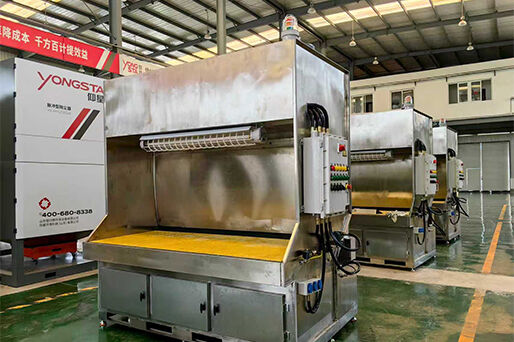
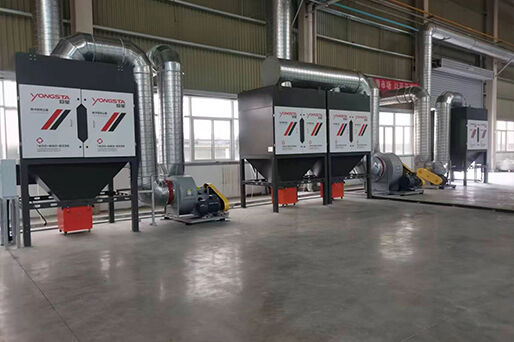
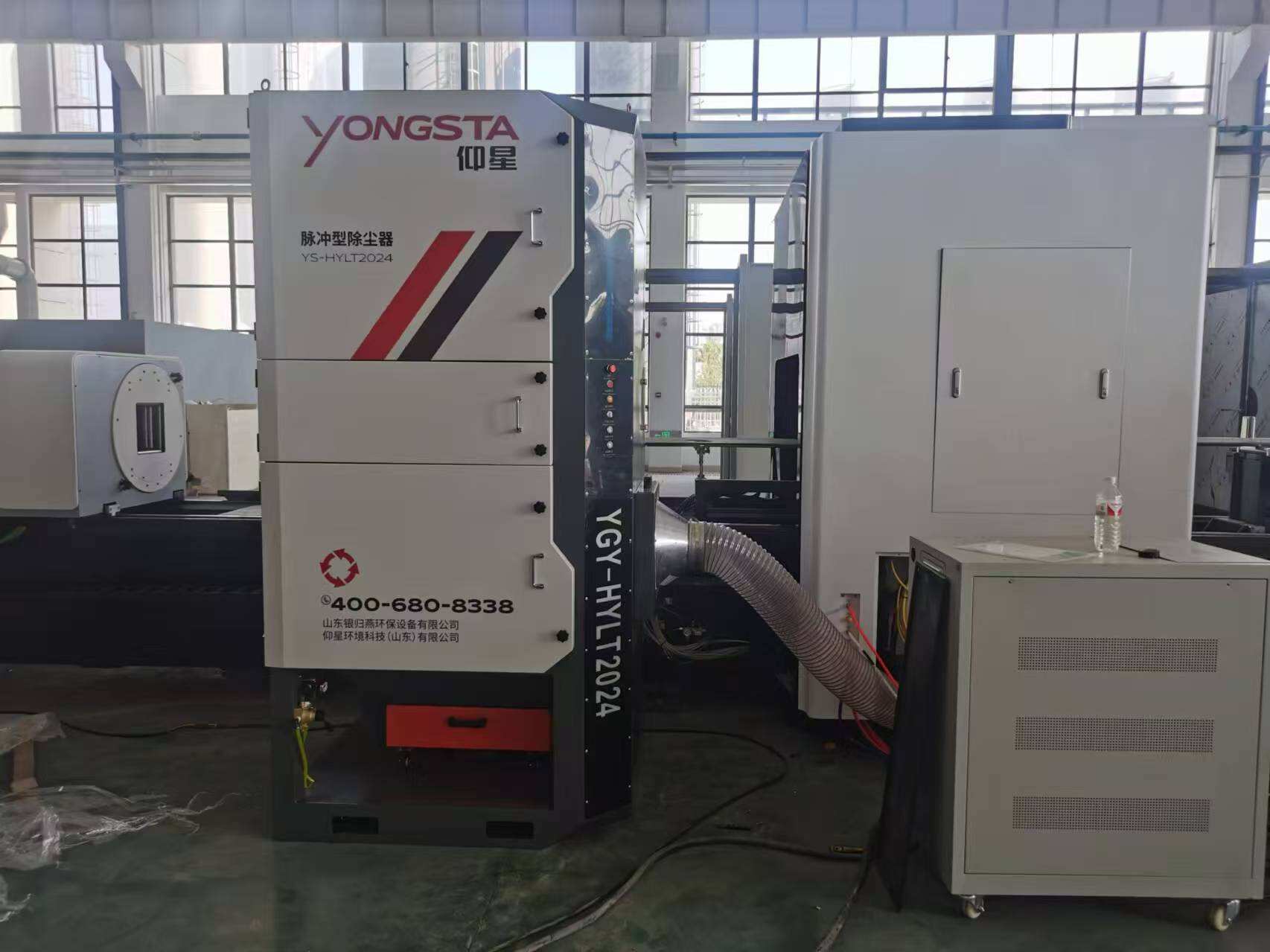
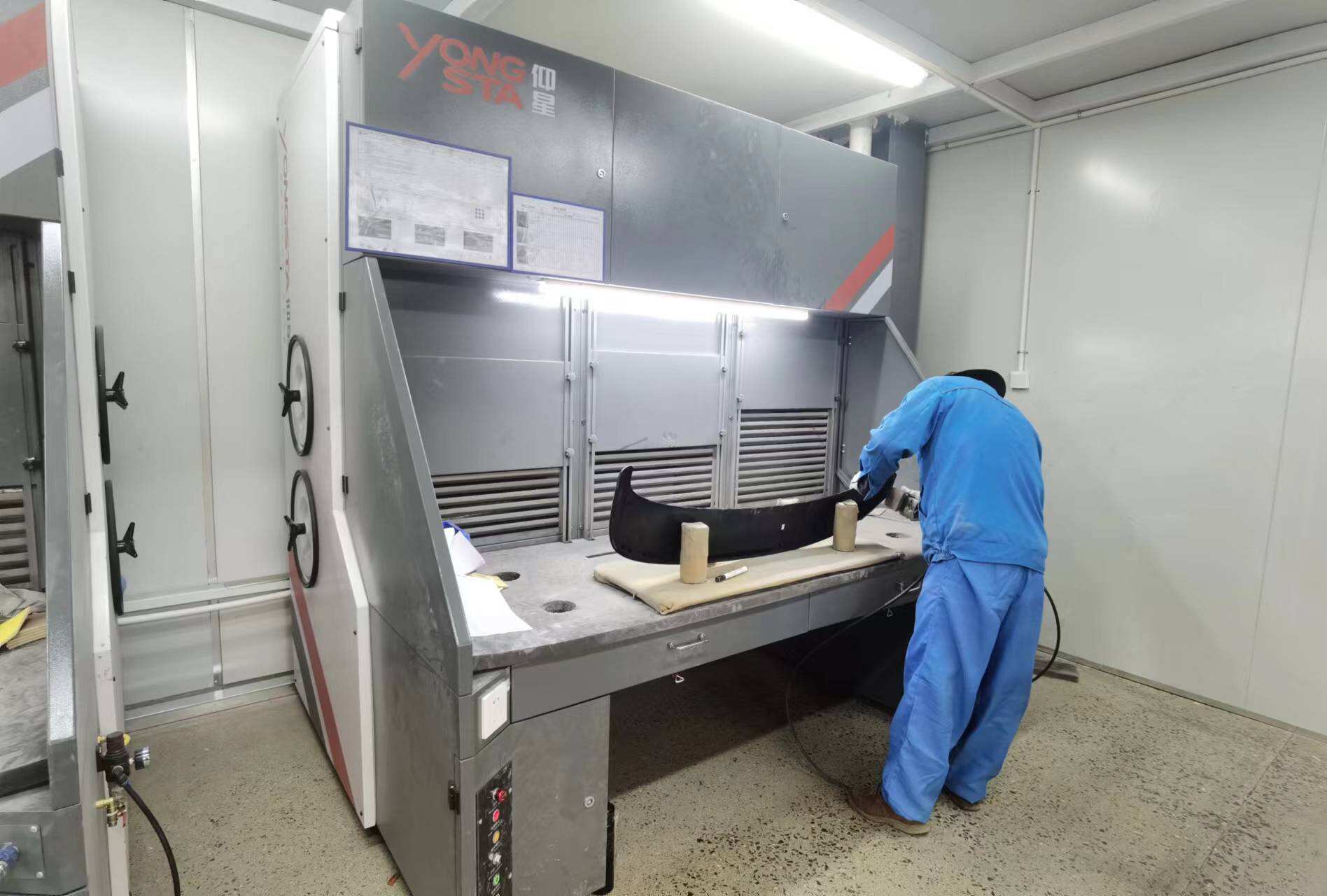
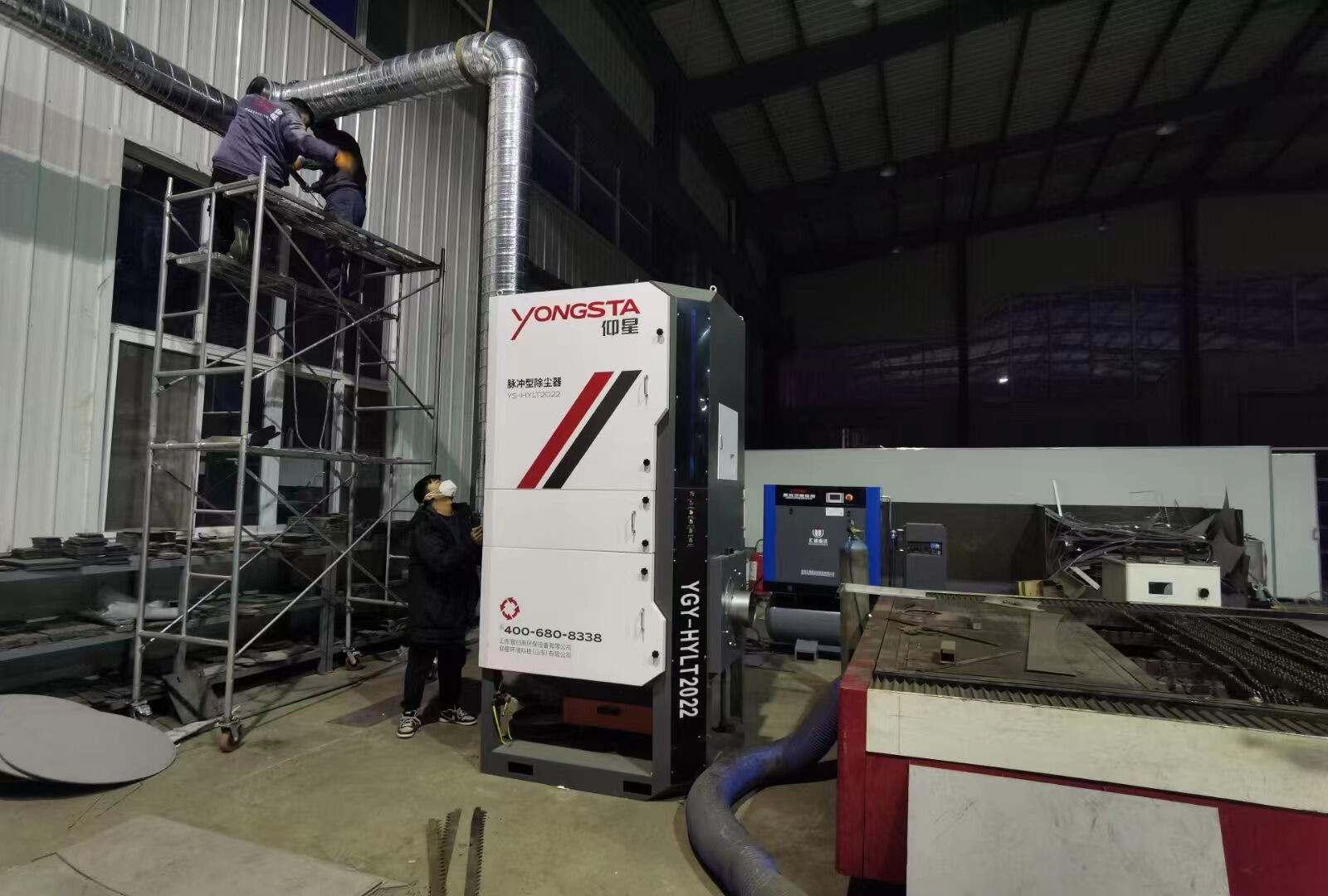
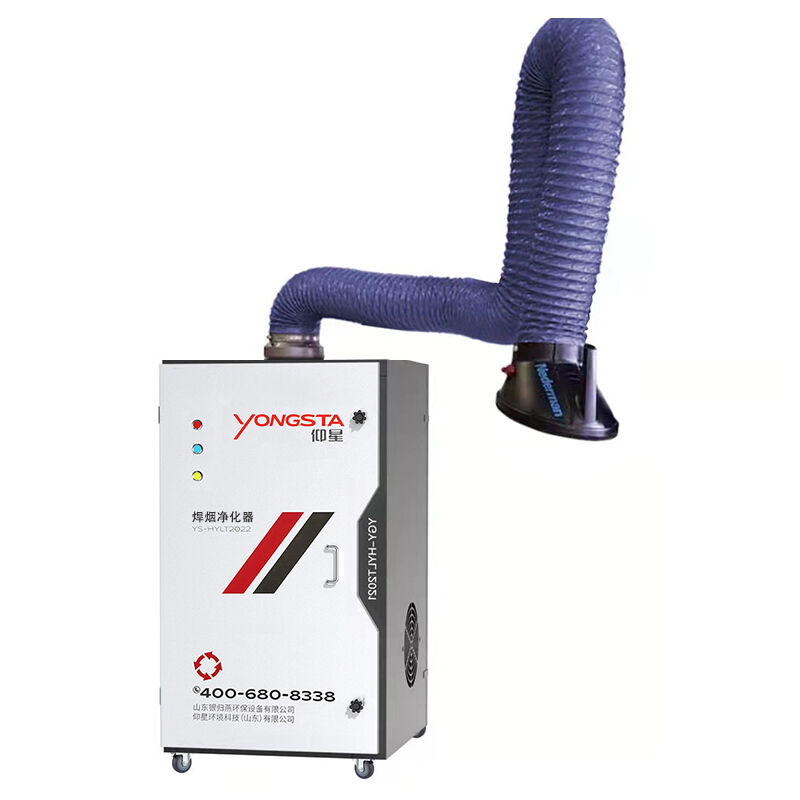
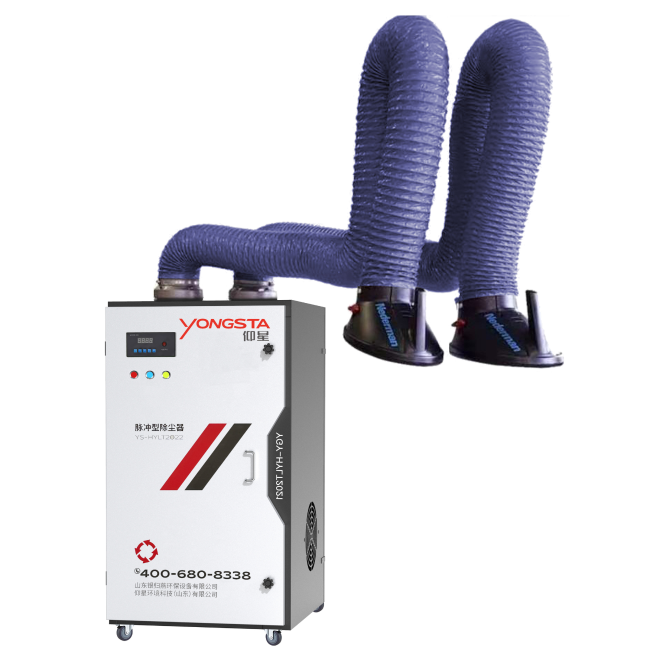
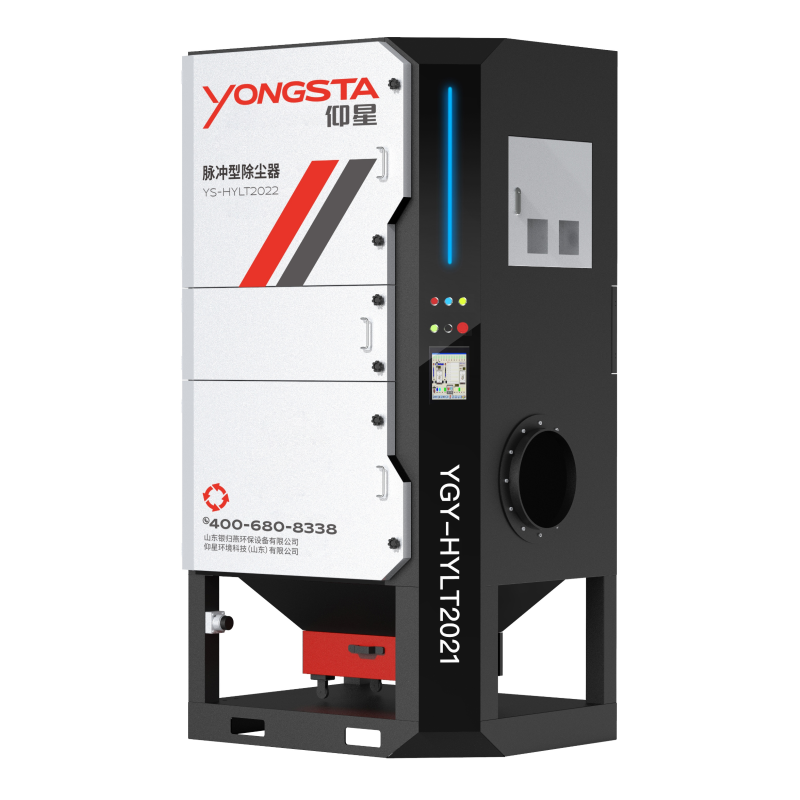
Welding fume extraction equipment represents a critical safety solution designed to capture and filter harmful airborne contaminants generated during welding operations. This specialized machinery protects workers from exposure to toxic metal fumes, gases, and particulate matter that can cause serious respiratory conditions and long-term health complications. The primary function of welding fume extraction equipment centers on removing hazardous substances from the breathing zone before they disperse throughout the workspace. Modern systems utilize powerful suction mechanisms combined with advanced filtration technology to trap microscopic particles as small as 0.3 microns, ensuring clean air circulation within industrial environments. These units feature flexible extraction arms or hoods that position directly at the welding point, capturing fumes at their source for maximum efficiency. The technological features incorporated into contemporary welding fume extraction equipment include variable speed controls that adjust airflow based on welding intensity, multi-stage filtration systems combining pre-filters with HEPA or activated carbon filters, and intelligent monitoring systems that alert operators when filter replacement becomes necessary. Many models offer portable designs with heavy-duty casters for easy repositioning across different workstations, while stationary systems provide centralized extraction for multiple welding bays simultaneously. Applications for welding fume extraction equipment span numerous industries including automotive manufacturing, shipbuilding, metal fabrication shops, construction sites, aerospace production facilities, and maintenance workshops. Whether handling MIG welding, TIG welding, arc welding, or plasma cutting operations, these systems adapt to various welding processes and metal types. The equipment proves essential in confined spaces where fume accumulation occurs rapidly, as well as in open facilities seeking to maintain air quality standards. Compliance with occupational health regulations such as OSHA standards makes welding fume extraction equipment mandatory in many jurisdictions, protecting both employers from liability and workers from preventable health hazards. Investment in proper extraction technology demonstrates commitment to workplace safety while improving productivity by creating comfortable working conditions that reduce fatigue and enhance focus during precision welding tasks.

Popular Products

The advantages of welding fume extraction equipment extend far beyond basic regulatory compliance, delivering tangible benefits that improve operations, protect investments, and create healthier work environments. First and foremost, these systems safeguard employee health by removing dangerous metal fumes containing manganese, chromium, nickel, and other toxic substances that accumulate in the lungs and bloodstream over time. Workers exposed to welding fumes without proper extraction face increased risks of metal fume fever, occupational asthma, chronic bronchitis, and even neurological damage from prolonged manganese exposure. By installing effective extraction equipment, companies reduce sick days, lower workers compensation claims, and retain skilled welders who might otherwise seek safer employment elsewhere. The financial advantages prove equally compelling when examining the complete picture. While the initial purchase requires capital investment, the long-term savings from reduced health insurance premiums, fewer workplace injury claims, and decreased employee turnover quickly offset equipment costs. Many businesses discover that improved air quality leads to higher productivity as welders work more efficiently in comfortable conditions without eye irritation, breathing difficulties, or the need for frequent breaks to escape fume-filled areas. Welding fume extraction equipment also protects expensive machinery and electronic components from corrosive particulate buildup that degrades equipment performance and shortens operational lifespans. Clean air environments reduce maintenance requirements for ventilation systems, lighting fixtures, and sensitive instruments that would otherwise accumulate harmful residue. Another significant advantage involves enhanced visibility at the welding point. When fumes get extracted immediately at the source, welders maintain clear sightlines to their work, resulting in higher quality welds, fewer defects, and reduced material waste from mistakes caused by obscured vision. This improvement in weld quality translates directly to stronger products, fewer warranty claims, and enhanced company reputation for craftsmanship. Modern welding fume extraction equipment operates quietly compared to older models, creating more pleasant working conditions that facilitate communication between team members and reduce noise-related stress. The flexibility of portable units allows businesses to adapt extraction capabilities as production needs change, moving equipment between workstations or projects without permanent installation costs. Energy-efficient designs minimize electricity consumption while maintaining powerful suction, keeping operational expenses manageable even during extended production runs. Companies that prioritize worker safety through visible investments like welding fume extraction equipment also benefit from improved employee morale, easier recruitment of top talent, and positive public perception that enhances brand value. These systems demonstrate corporate responsibility and commitment to sustainable practices that resonate with environmentally conscious customers and partners. The advantages compound over time as businesses build safety cultures where workers feel valued and protected, leading to innovation, loyalty, and competitive advantages in their respective markets.

Tips And Tricks

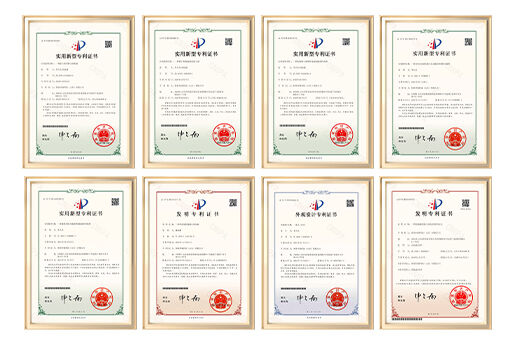
Yongsta R&D Team Wins 3 Dust Removal Technology Patents, Leading Industry Innovation

09

Apr

Yongsta R&D Team Wins 3 Dust Removal Technology Patents, Leading Industry Innovation

View More
Yongsta Cooperates with TUV for ATEX Explosion-Proof Certification, Explosion-Proof Dust Collector to Be Launched Soon

09

Apr

Yongsta Cooperates with TUV for ATEX Explosion-Proof Certification, Explosion-Proof Dust Collector to Be Launched Soon

View More
Empowering Benchmark Manufacturing! Yongsta Cartridge Dust Collector Aids Siemens Transformer China Factory's Dust Removal Renovation and Gains High Recognition

09

Apr

Empowering Benchmark Manufacturing! Yongsta Cartridge Dust Collector Aids Siemens Transformer China Factory's Dust Removal Renovation and Gains High Recognition

View More

Get a Free Quote

Our representative will contact you soon.
Email
Name
Company Name
Message
0/1000

welding fume extraction equipment

Advanced Multi-Stage Filtration Technology Ensures Maximum Air Purification

Advanced Multi-Stage Filtration Technology Ensures Maximum Air Purification

The cornerstone of effective welding fume extraction equipment lies in its sophisticated multi-stage filtration technology that captures and neutralizes the full spectrum of welding-related contaminants. This comprehensive approach begins with pre-filtration stages designed to trap larger particles and sparks before they reach sensitive filter media, extending the lifespan of downstream components while preventing fire hazards. The pre-filter typically consists of flame-resistant materials that catch spatter and coarse particles measuring 10 microns or larger, removing the bulk of visible smoke and debris. Following pre-filtration, the air stream passes through high-efficiency particulate air filters, commonly known as HEPA filters, which represent the gold standard in fine particle removal. These filters capture 99.97 percent of particles as small as 0.3 microns, including the ultrafine metallic particles that pose the greatest health risks because they penetrate deep into lung tissue and enter the bloodstream. The microscopic nature of welding fumes makes this level of filtration absolutely essential, as particles invisible to the naked eye carry the highest concentrations of toxic metals like hexavalent chromium, cadmium, and lead compounds. Many advanced welding fume extraction equipment models incorporate additional activated carbon filtration stages specifically engineered to adsorb gaseous contaminants and odors that particle filters cannot capture. Welding processes generate not only solid particulates but also harmful gases including ozone, nitrogen oxides, and carbon monoxide, depending on the welding method and base materials involved. Activated carbon filters contain millions of tiny pores that provide enormous surface area for chemical adsorption, trapping gas molecules through physical and chemical bonding mechanisms. This multi-pronged filtration strategy ensures that the air returned to the workspace meets or exceeds indoor air quality standards, creating truly safe breathing environments. The importance of this advanced filtration technology cannot be overstated when considering the cumulative exposure welders face throughout their careers. Even low-level chronic exposure to welding fumes correlates with serious health conditions including Parkinson's disease, kidney damage, and various cancers. By investing in welding fume extraction equipment with proven multi-stage filtration capabilities, companies provide genuine protection rather than superficial compliance measures. The value extends beyond health protection to include operational benefits, as cleaner air reduces the corrosive buildup on facility surfaces, equipment, and inventory. Facilities operating welding fume extraction equipment with superior filtration report dramatically reduced cleaning requirements, lower maintenance costs for HVAC systems, and extended intervals between facility-wide deep cleaning operations. The technology also adapts to different welding applications, with filter configurations optimized for specific processes such as stainless steel welding that generates particularly hazardous hexavalent chromium, or aluminum welding that produces different particle characteristics requiring tailored filtration approaches.
Flexible Extraction Arms Provide Precise Source Capture for Optimal Efficiency

Flexible Extraction Arms Provide Precise Source Capture for Optimal Efficiency

The effectiveness of welding fume extraction equipment depends critically on capturing contaminants at their point of generation, before they disperse into the broader workspace where extraction becomes exponentially more difficult and energy-intensive. This principle drives the design of flexible extraction arms that represent one of the most valuable features in modern fume extraction systems. These articulating arms extend from the main filtration unit, positioning suction hoods within inches of the welding arc where fume concentration reaches its peak. The flexibility allows welders to adjust hood placement quickly as they move around workpieces or switch between different welding positions, maintaining optimal capture efficiency throughout varied tasks. Quality extraction arms incorporate internal support mechanisms that hold positions firmly once adjusted, preventing drift during operation while still allowing effortless repositioning when needed. This balance between stability and mobility proves essential in real-world applications where welders cannot afford constant readjustment interruptions. The arms typically feature lengths ranging from four to ten feet, providing reach sufficient for large workpieces while maintaining structural integrity and suction power. Longer arms incorporate additional support joints to prevent sagging and ensure the hood remains properly oriented toward the fume source. The hood designs themselves vary based on application requirements, with options including wide-mouth hoods for general welding, narrow nozzles for precision work, and specialized enclosures for particularly hazardous processes. Many welding fume extraction equipment systems offer interchangeable hoods that attach quickly to the same arm, allowing facilities to optimize capture efficiency for different welding scenarios without purchasing multiple complete systems. The importance of source capture versus general ventilation cannot be overstated from both health and economic perspectives. Capturing fumes at the source requires moving much smaller air volumes compared to dilution ventilation strategies that attempt to mix contaminated air with large quantities of fresh air. This efficiency translates directly to lower energy costs, smaller equipment footprints, and reduced heating or cooling losses in climate-controlled facilities. Source capture also prevents fume migration to adjacent work areas, protecting workers not directly involved in welding operations and maintaining air quality throughout the facility. The value proposition extends to welding quality improvements, as effective source capture removes obscuring smoke from the welder's line of sight immediately, enabling better visibility and more precise work. Welders working with properly positioned extraction arms report less eye strain, fewer headaches, and improved concentration throughout their shifts. The flexible arms also accommodate various welding positions including overhead, vertical, and horizontal orientations, ensuring consistent protection regardless of workpiece configuration. Modern welding fume extraction equipment incorporates quick-disconnect fittings and tool-free adjustment mechanisms that minimize setup time and encourage proper use rather than shortcuts that compromise safety. The durability of extraction arms matters significantly in industrial environments where equipment faces daily wear, accidental impacts, and exposure to heat and sparks. Quality systems feature heat-resistant materials, reinforced joints, and replaceable wear components that extend service life while maintaining performance standards.
Intelligent Monitoring Systems Optimize Performance and Reduce Maintenance Costs

Intelligent Monitoring Systems Optimize Performance and Reduce Maintenance Costs

Contemporary welding fume extraction equipment incorporates intelligent monitoring systems that transform these safety devices from passive filters into active management tools that optimize performance, predict maintenance needs, and document compliance efforts. These smart systems continuously measure critical parameters including airflow velocity, filter pressure differential, motor current draw, and operational hours, providing real-time feedback about system health and efficiency. The monitoring capabilities serve multiple essential functions that deliver substantial value to facility managers and safety officers. Airflow monitoring ensures that suction power remains sufficient for effective fume capture throughout the filter's service life, alerting operators when declining performance indicates filter saturation or system blockages requiring attention. This proactive approach prevents the common problem of workers continuing to use extraction equipment that no longer provides adequate protection because degraded performance occurs gradually and may not be immediately obvious. Pressure differential sensors measure the resistance across filter stages, providing precise indicators of filter loading that enable data-driven replacement decisions rather than arbitrary time-based schedules that either waste filter life or risk operating with exhausted filters. By replacing filters based on actual condition rather than estimates, facilities reduce consumable costs while maintaining consistent protection levels. The intelligent systems typically include visual and audible alarms that activate when parameters exceed safe thresholds, ensuring that problems receive immediate attention rather than going unnoticed until equipment failure or exposure incidents occur. Many advanced welding fume extraction equipment models feature digital displays or connectivity options that integrate with facility management systems, enabling centralized monitoring of multiple extraction units across large facilities. This connectivity allows maintenance teams to track performance trends, schedule preventive maintenance efficiently, and maintain comprehensive records documenting air quality management efforts for regulatory compliance and liability protection. The data logging capabilities prove invaluable during safety audits, insurance reviews, and legal proceedings by providing objective evidence of proper equipment operation and maintenance. Some systems incorporate automatic filter cleaning mechanisms such as pulse-jet cleaning that extends filter life by periodically dislodging accumulated particles back into collection containers, reducing replacement frequency and operational costs. The monitoring systems also track total operational hours and cycle counts, enabling predictive maintenance scheduling for components like motors, bearings, and seals before failures occur. This predictive approach minimizes unexpected downtime that disrupts production schedules and creates unsafe conditions when extraction equipment becomes unavailable. The value of intelligent monitoring extends to energy management, as systems can modulate fan speeds based on actual welding activity rather than running at full power continuously. Variable frequency drives controlled by monitoring systems adjust motor speeds to match demand, reducing electricity consumption during periods of light welding activity while ensuring full power availability when needed. This intelligent operation can reduce energy costs by thirty to fifty percent compared to constant-speed systems, delivering substantial savings over equipment lifespans. The monitoring capabilities also facilitate troubleshooting when problems arise, as diagnostic data helps maintenance personnel identify root causes quickly rather than relying on trial-and-error approaches. Modern welding fume extraction equipment with comprehensive monitoring systems represents a significant advancement over older models that provided no performance feedback, leaving operators uncertain about protection levels and maintenance needs. The transparency and control these systems provide empower facilities to maintain optimal air quality consistently while managing costs effectively through data-driven decision making.

Get a Free Quote

Our representative will contact you soon.
Email
Name
Company Name
Message
0/1000
email goToTop