다양한 작업장 구성을 위한 유연한 추출 솔루션
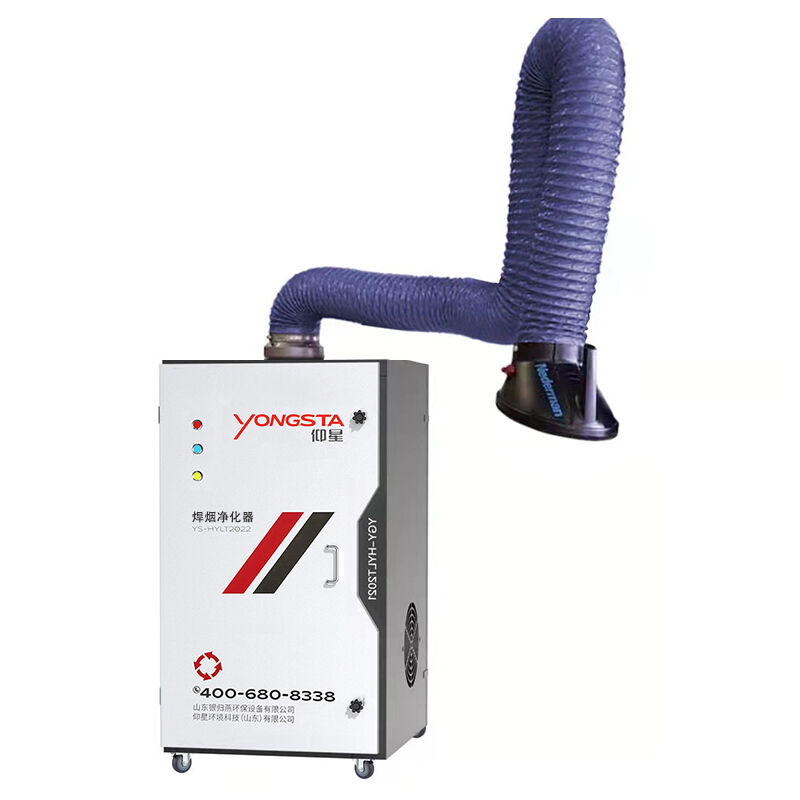
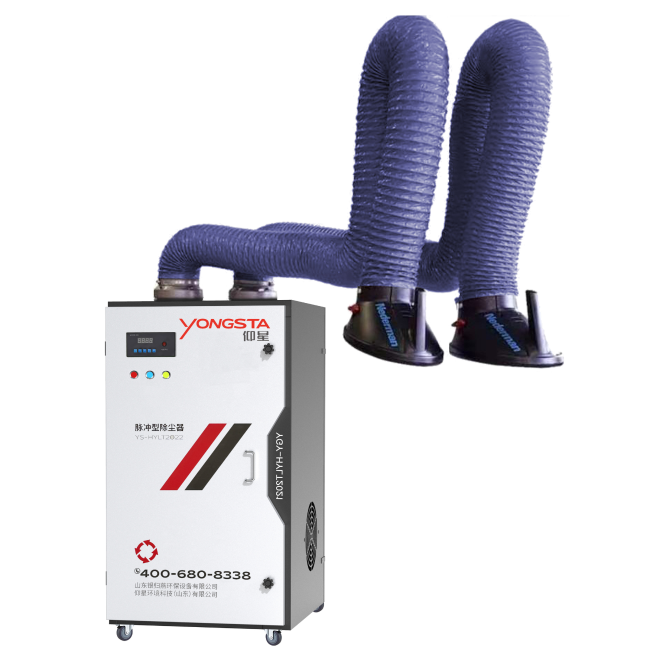
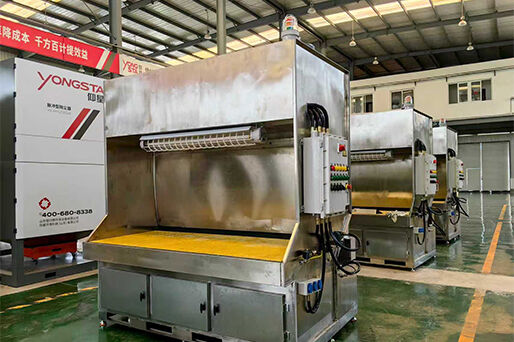
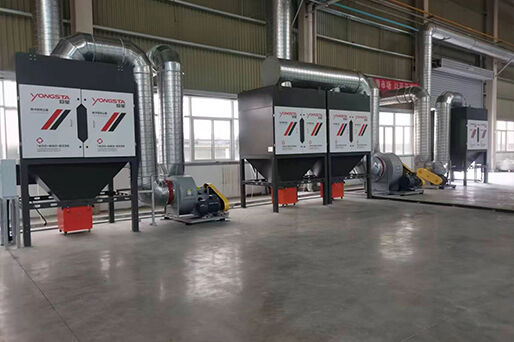
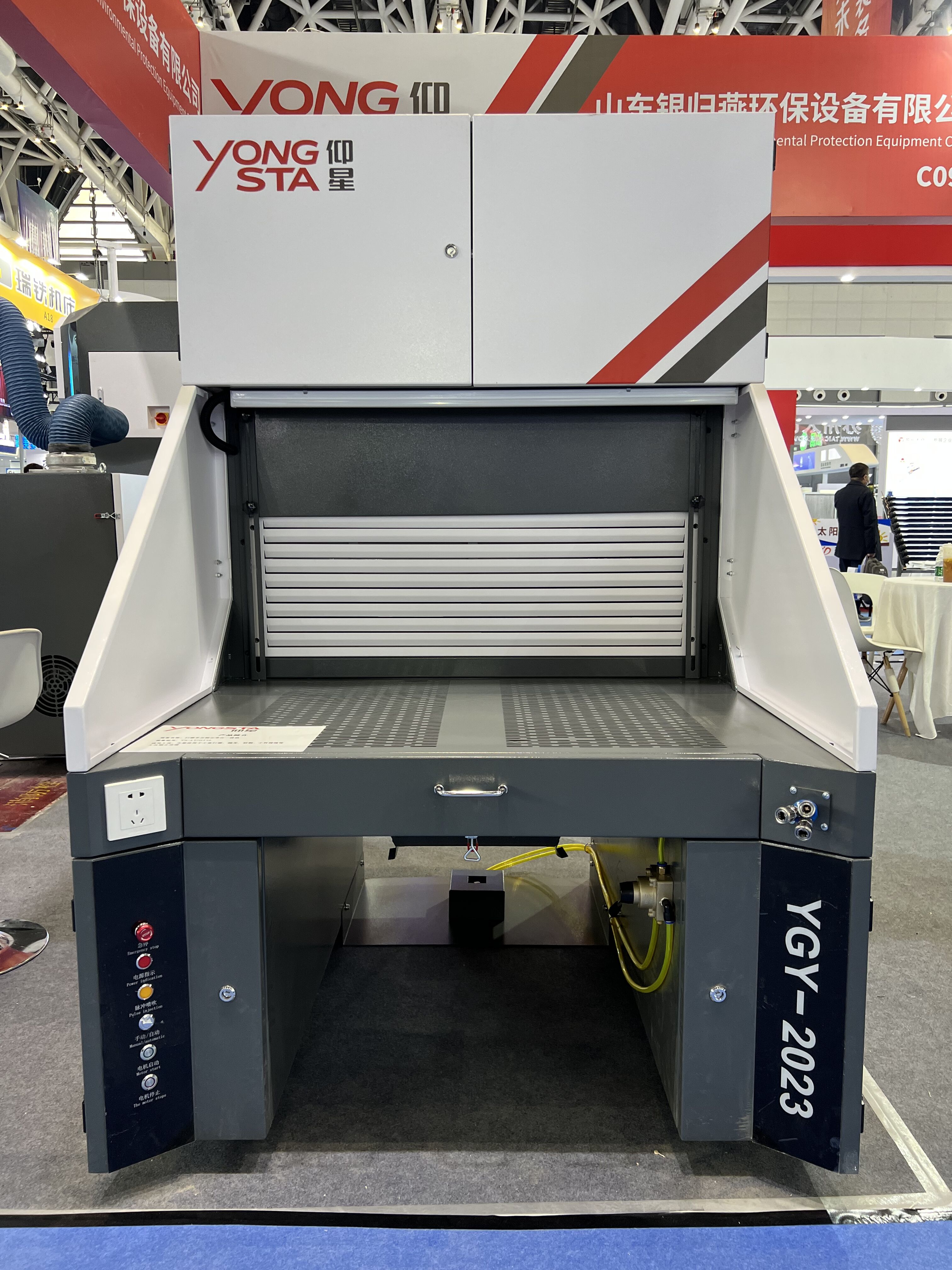
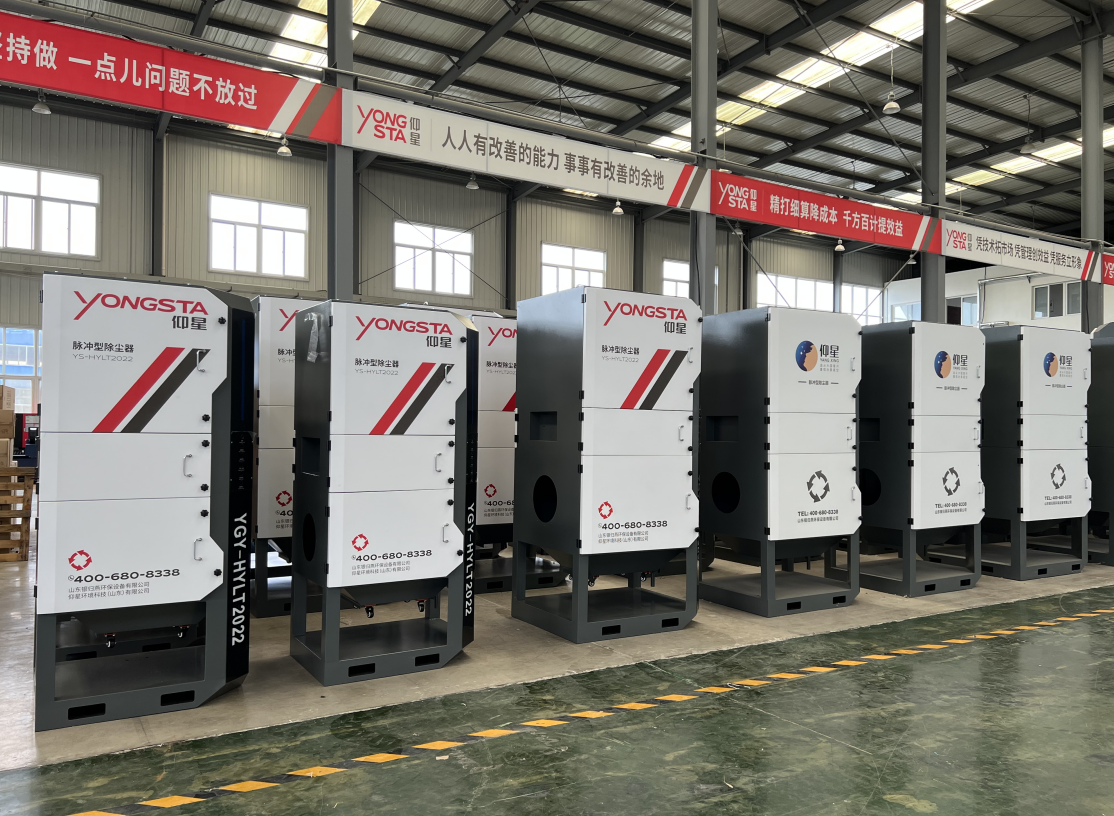
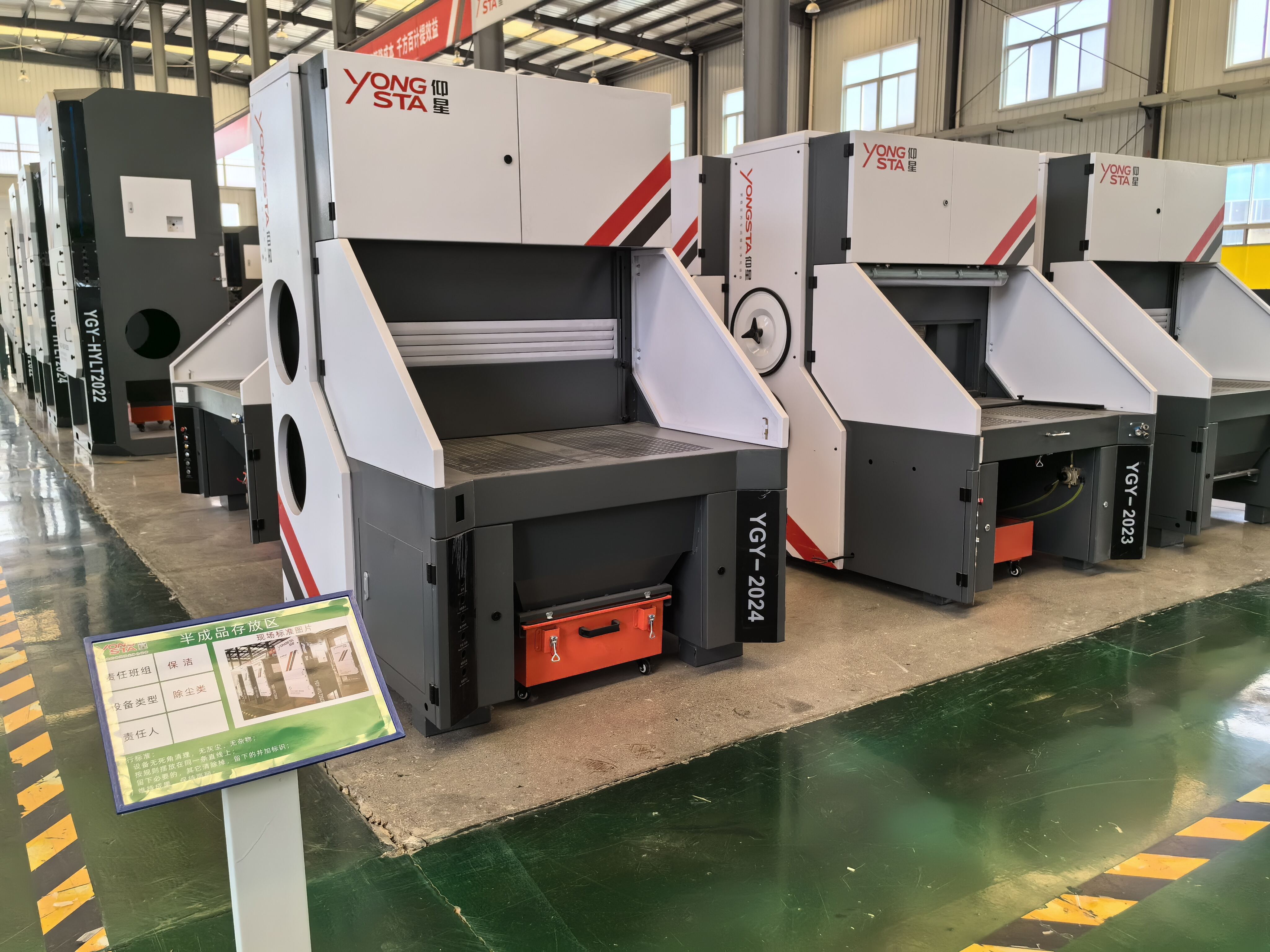
작업장 환경은 배치 구조, 장비 배치, 운영 요구 사항 측면에서 극단적으로 다양하므로, 고정된 장비의 제약에 따라 작업을 강제로 맞추기보다는 각 시설의 특정 요구 사항에 유연하게 대응할 수 있는 유해가스 제거 시스템이 필요합니다. 최신 추출 솔루션은 모듈식 구성 요소를 통해 뛰어난 유연성을 제공하며, 이는 어떤 작업 공간 형상이나 공정 요구 사항에도 정확히 맞춤 설정될 수 있습니다. 관절식 추출 암(Articulating extraction arms)은 가장 다용도적인 유해물질 포집 방식 중 하나로, 유해물질 발생원에 흡입 후드를 정확히 위치시킬 수 있는 유연한 관절 구조를 특징으로 합니다. 이러한 암은 작업의 이동에 따라 신축 및 회전이 가능하여, 작업자의 움직임이나 작업물 접근을 제한하지 않으면서도 최적의 유해물질 포집 효율을 유지합니다. 자석식 마운팅 베이스를 사용하면 생산 레이아웃 변경 시 신속하게 재배치할 수 있으며, 내부 댐퍼를 통해 암을 원하는 위치에 고정시켜 지속적인 재조정 없이 안정적으로 작동할 수 있습니다. 보다 광범위한 영역을 커버해야 하는 응용 분야에서는 천장형 캐노피 후드(overhead canopy hoods)가 상승하는 유해가스를 대규모 작업 구역 전체에서 포집하며, 용접 베이(welding bays)나 유해가스가 넓은 구역에 확산되는 화학 처리 스테이션과 같은 환경에 특히 적합합니다. 다운드래프트 테이블(downdraft tables)은 또 다른 접근 방식으로, 천공된 작업 표면을 통해 오염된 공기를 아래쪽으로 끌어당겨, 연마, 샌딩, 마감 등 중량 입자 부하가 큰 공정에서 특히 효과적입니다. 이 방식은 작업자의 호흡 영역에서 유해가스를 멀리 격리하면서도 안정적인 작업 표면을 제공합니다. 바퀴 달린 카트에 장착된 휴대용 유해가스 제거 시스템은 임시 작업 현장에 직접 추출 기능을 제공하여, 정비 활동, 현장 수리, 또는 자주 재구성되는 유연한 제조 셀(flexible manufacturing cells)을 지원합니다. 이러한 이동식 장치는 영구적인 덕트 설치 없이도 독립적으로 작동하므로, 필요할 때 즉각적인 보호를 제공합니다. 중앙 집중식 시스템은 네트워크화된 덕트를 통해 여러 작업장에 걸쳐 유해가스를 제거하며, 전체 부서나 생산 라인의 추출을 효율적으로 관리합니다. 블라스트 게이트(blast gates) 또는 자동 댐퍼를 통해 개별 작업장으로의 공기 흐름을 제어함으로써, 실제 작업이 이루어지는 위치에만 흡입력을 집중시키고 유휴 상태의 위치에서는 에너지 낭비를 줄일 수 있습니다. 이 방식은 고밀도 작업 환경에서 장비 활용률을 극대화하고, 단위 작업장당 비용을 최소화합니다. 유해물질 발생원 근처에서의 포집 효율성은 후드의 설계와 배치 위치에 크게 좌우됩니다. 조절 가능한 후드는 다양한 크기의 작업물과 작업자의 선호도에 대응할 수 있으며, 투명 소재는 가시성을 유지하면서도 포집 효율을 희생하지 않습니다. 이러한 유연성은 시스템 확장 가능성까지 확장되어, 사업 규모 확대에 따라 기존 인프라를 교체하지 않고도 새로운 추출 지점을 추가할 수 있습니다. 표준화된 연결 인터페이스는 신규 구성 요소가 기존 설치 장비와 원활하게 통합되도록 하여, 초기 투자 가치를 보호하면서도 사업 성장을 지속적으로 지원합니다. 이러한 적응성은 진화하는 생산 수요, 규제 변화, 또는 시설 확장 등으로 인해 유연성이 부족한 시스템이 곧바로 도태될 수 있는 제조업체에게 필수적입니다.
 ×
×


 EN
EN