
 EN
EN



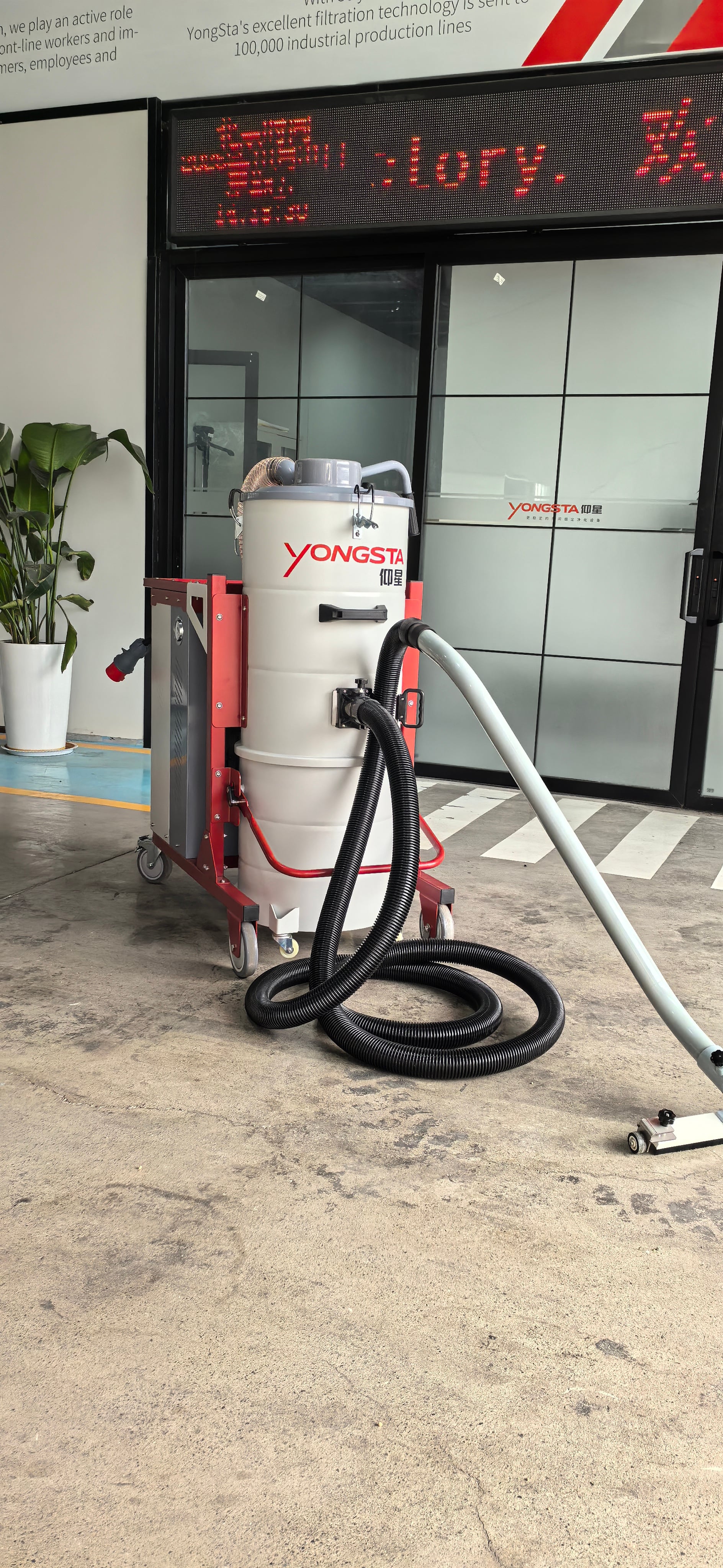
An industrial vacuum cleaner is one of the hardest-working machines on any production floor, and strong suction is the single most critical measure of its performance. When suction drops, collection efficiency falls, dust escapes into the work environment, and the entire workflow suffers. Understanding what drives suction loss in an industrial vacuum cleaner — and how to prevent it — is essential for any facility that depends on clean, safe operations.
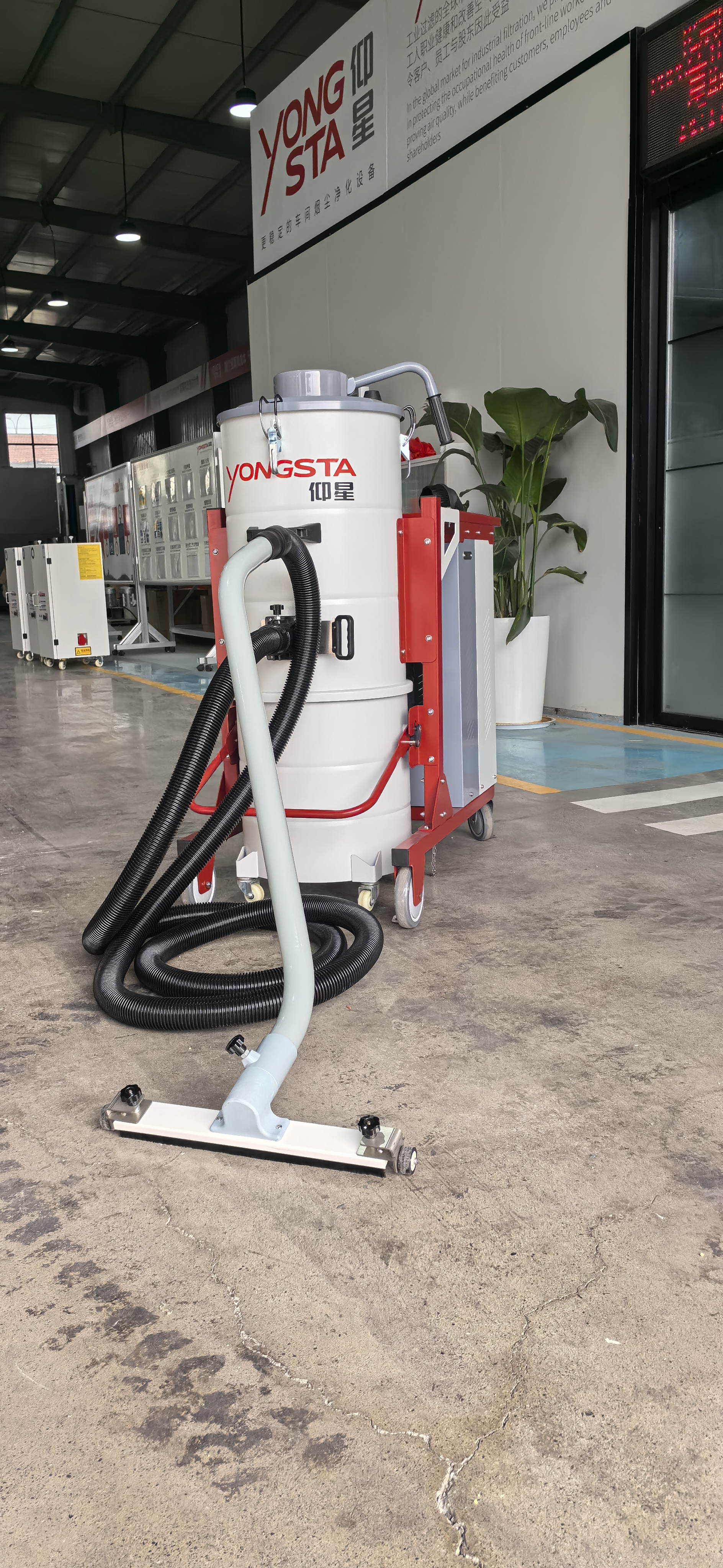
Maintaining peak suction in an industrial vacuum cleaner is not simply about replacing parts when they fail. It requires a structured, proactive approach that covers filters, seals, hoses, and the collection system as a whole. This guide walks through the core maintenance practices that keep every industrial vacuum cleaner performing at its rated capacity, section by section.
Understanding What Causes Suction Loss
Filter Blockage and Airflow Restriction
The filter is the most common cause of reduced suction in any industrial vacuum cleaner. As an industrial vacuum cleaner operates, fine dust and debris accumulate on the filter surface, progressively restricting airflow. When airflow is restricted, the motor works harder but moves less air, and suction at the inlet drops noticeably. Every industrial vacuum cleaner has a rated airflow that depends on a clean, unobstructed filter path.
To prevent filter-related suction loss, an industrial vacuum cleaner should have its filters inspected at regular intervals — daily in heavy-dust environments, weekly in lighter applications. A continuous-bagging industrial vacuum cleaner has an advantage here because the collection bag advances automatically, reducing the rate at which fine dust back-loads the filter. Still, even the best industrial vacuum cleaner requires a disciplined filter-check routine.
Leaks in the Vacuum Path
An industrial vacuum cleaner relies on a sealed air path from the inlet to the motor. Any crack, loose joint, or worn seal along that path will bleed air pressure and reduce suction. Operators often overlook small hose abrasions or poorly seated connections, but these small leaks can cost an industrial vacuum cleaner a significant percentage of its rated suction. Inspecting every connection point on the industrial vacuum cleaner hose, wand, and inlet fitting is a simple step that returns measurable performance.
Core Maintenance Practices That Preserve Suction
Scheduled Filter Cleaning and Replacement
Every industrial vacuum cleaner maintenance plan should define a clear filter-service schedule. For a bag-based industrial vacuum cleaner, this means monitoring bag fill level and replacing or advancing the bag before it becomes compacted. An overfull collection bag acts as a secondary restriction and forces the industrial vacuum cleaner motor to compensate with higher energy draw and lower airflow. Replacing bags on schedule rather than at maximum capacity keeps the industrial vacuum cleaner running at designed suction levels.
Cartridge or pleated filters on a high-duty industrial vacuum cleaner should be pulse-cleaned or manually tapped clean at set intervals. Some models of industrial vacuum cleaner include an automatic filter-cleaning cycle that shakes accumulated dust back into the collection chamber. If your industrial vacuum cleaner includes this feature, verify that the cleaning cycle activates correctly during each shift. Relying on the automatic cycle without periodic manual inspection is a common maintenance gap that leads to early suction decline.
Hose, Wand, and Inlet Inspection
The hose of an industrial vacuum cleaner experiences more mechanical stress than any other component. It bends, drags, and contacts rough surfaces throughout a shift. A thorough industrial vacuum cleaner maintenance routine checks the hose for cracks, kinks, and worn sections at least once per week. A kinked hose reduces the effective diameter of the airflow path, and an industrial vacuum cleaner cannot compensate for that restriction with motor power alone.
Inlet fittings and wand connections on an industrial vacuum cleaner should be tested for air-tightness by feel and by listening for the hiss of escaping air. A well-maintained industrial vacuum cleaner will have no audible air loss at any connection point. If a fitting feels loose, replacing the seal or the fitting immediately protects the suction integrity of the entire industrial vacuum cleaner system.
Long-Term Suction Management for Industrial Settings
Motor and Fan Maintenance
The motor and fan assembly are the heart of every industrial vacuum cleaner. Over time, fan blades on an industrial vacuum cleaner can accumulate hard debris, become unbalanced, or suffer minor erosion from abrasive dust. An unbalanced fan reduces the efficiency of air movement inside the industrial vacuum cleaner and creates vibration that accelerates bearing wear. Scheduling periodic motor and fan inspection — typically every three to six months for a high-use industrial vacuum cleaner — prevents the gradual suction decline that goes unnoticed until performance has dropped significantly.
Motor intake vents on an industrial vacuum cleaner must also remain clear. If cooling air cannot flow freely to the motor, the industrial vacuum cleaner will reduce power output as a thermal protection measure. Clean motor vents are a low-effort, high-impact step in any industrial vacuum cleaner maintenance routine.
Collection System and Bag Management
A continuous-bagging industrial vacuum cleaner simplifies collection management by removing the need to stop and manually swap bags during operation. The industrial vacuum cleaner advances the bag material automatically, sealing the collected waste and presenting a clean collection zone. This design keeps the internal pressure of the industrial vacuum cleaner consistent, which directly supports stable suction throughout a shift. For high-volume facilities, this type of industrial vacuum cleaner is a practical choice that reduces maintenance interruptions and keeps suction performance more predictable.
FAQ
How often should the filter on an industrial vacuum cleaner be replaced?
The filter replacement frequency for an industrial vacuum cleaner depends on the volume and type of material being collected. In heavy-duty applications, an industrial vacuum cleaner filter may need cleaning daily and replacement every one to four weeks. In lighter-duty settings, monthly inspection and quarterly replacement may be sufficient. Always follow the specific guidance provided for your industrial vacuum cleaner model.
Can a worn hose significantly reduce suction in an industrial vacuum cleaner?
Yes. A cracked or kinked hose on an industrial vacuum cleaner allows air to bypass the inlet, which directly reduces the negative pressure at the collection point. Even a small split in the hose of an industrial vacuum cleaner can cause a noticeable drop in pickup performance. Regular hose inspection is one of the simplest and most effective ways to maintain consistent suction in an industrial vacuum cleaner.
What is the advantage of a continuous-bagging industrial vacuum cleaner for suction maintenance?
A continuous-bagging industrial vacuum cleaner automatically advances and seals the collection bag during operation, which prevents the bag from becoming compacted and restricting airflow. This feature helps the industrial vacuum cleaner maintain stable suction without requiring manual bag changes mid-shift. For facilities that run the industrial vacuum cleaner across long shifts or high-volume tasks, this design reduces maintenance interruptions and keeps suction more consistent over time.

