
 EN
EN



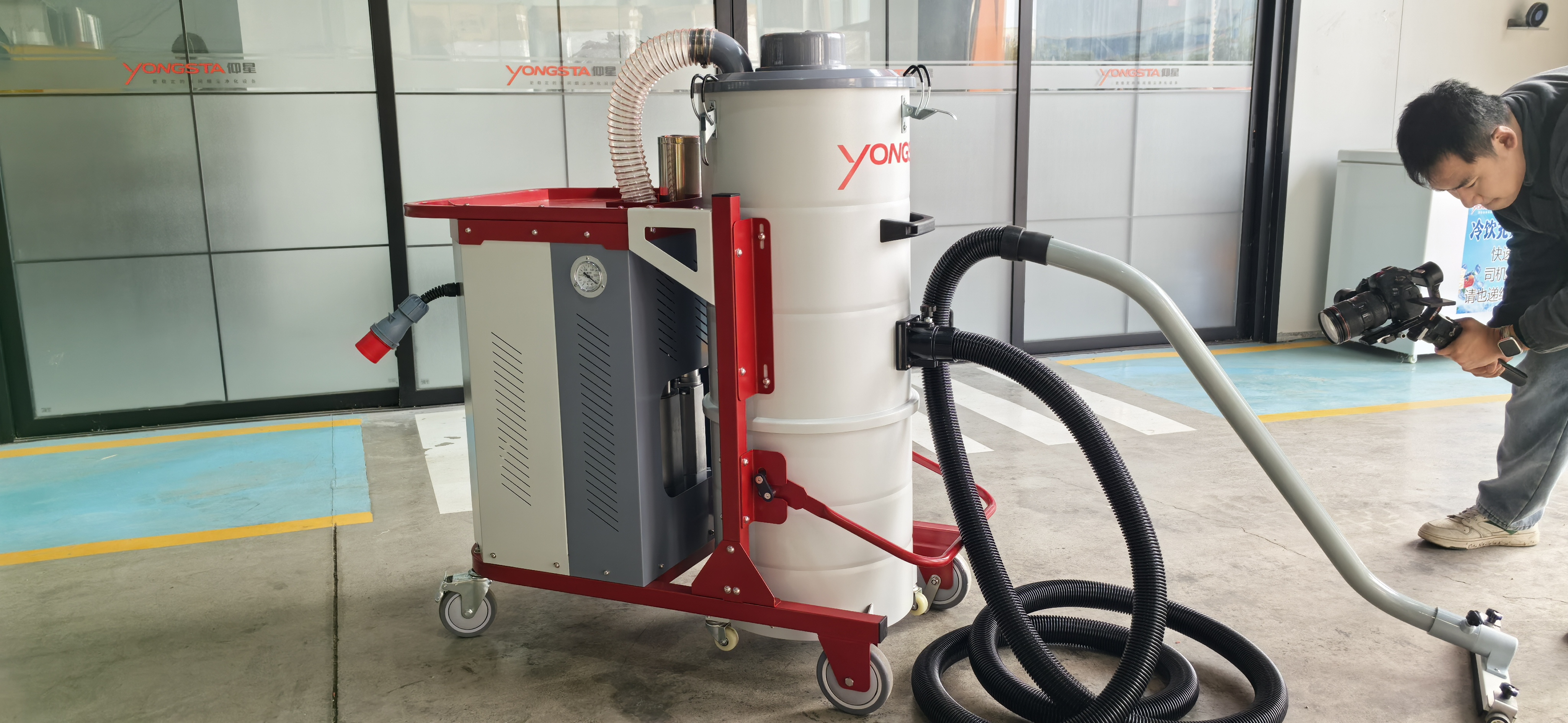
When industrial facilities face stubborn debris, fine dust, ash, and dense particulate matter, standard cleaning equipment simply cannot keep up. A high-power vacuum is engineered specifically to handle these demanding conditions, delivering suction force and airflow that ordinary vacuums cannot match. Understanding how a high-power vacuum solves heavy-duty cleaning tasks begins with recognizing the fundamental gap between light-duty and industrial-grade cleaning demands.
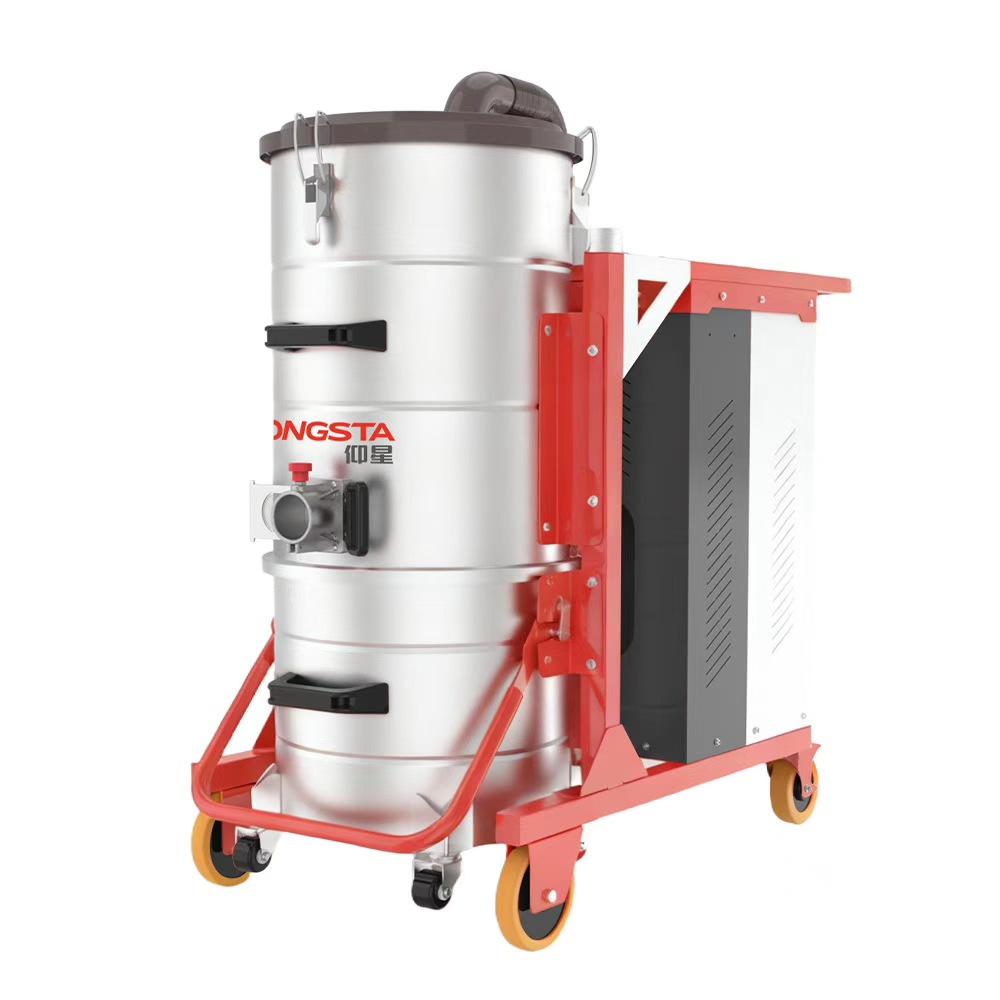
A high-power vacuum does not simply move air faster. It combines elevated motor wattage, reinforced filtration systems, and durable collection chambers to pull in dense, heavy, or hazardous materials efficiently. Whether the environment involves metal shavings in a fabrication shop, ash residue in a power plant, or wet slurry on a construction floor, a high-power vacuum provides reliable, consistent performance where conventional models fail. This article explores the core mechanisms, practical applications, and key selection factors that define the high-power vacuum advantage in heavy-duty cleaning scenarios.
Core Mechanisms Behind High-Power Vacuum Performance
Motor Power and Airflow Engineering
The defining feature of a high-power vacuum is its motor system. Industrial-grade motors generate significantly higher wattage than residential units, creating strong negative pressure that can lift heavy debris, wet material, and compacted dust from surfaces, joints, and cavities. This high-power vacuum motor is typically paired with a wide-diameter inlet and an optimized airflow path that minimizes resistance while maximizing suction depth. The result is a machine capable of continuous operation under load without overheating or performance degradation.
In heavy-duty cleaning tasks, airflow volume matters as much as raw suction power. A high-power vacuum balances both, ensuring that debris does not simply reach the inlet but travels efficiently through the hose and into the collection vessel. This balance is what separates purpose-built industrial units from consumer-grade machines that suffer pressure drops when faced with dense or abrasive material.
Filtration and Collection System Design
A high-power vacuum used in industrial environments must manage not just volume but also hazardous particles. Multi-stage filtration systems, including pre-separator chambers and HEPA-rated final filters, prevent fine particles from recirculating into the workspace. This is critical in environments where fine ash, silica dust, or chemical residues are present. The high-power vacuum collects these materials without releasing them back into the air, protecting both equipment and operators.
The collection vessel in a heavy-duty high-power vacuum is built to accommodate large volumes of material without frequent emptying. Large-capacity ash buckets and reinforced drum containers allow uninterrupted operation across extended cleaning cycles. This design consideration directly reduces downtime and increases overall productivity in demanding industrial applications.
Heavy-Duty Applications Where High-Power Vacuum Excels
Industrial Ash and Debris Removal
One of the most common heavy-duty applications for a high-power vacuum is ash and combustion residue removal. Power plants, incinerators, foundries, and biomass facilities generate large volumes of fine, dense ash that accumulates on floors, equipment surfaces, and within ventilation channels. A high-power vacuum with appropriate heat-resistant components can safely collect these materials, even when residual heat is present. The large collection capacity of an industrial high-power vacuum means operators can clear substantial ash volumes before disposal is needed.
Beyond ash, a high-power vacuum handles debris ranging from metal chips and glass fragments to sawdust and granular chemicals. Each of these materials presents unique challenges in terms of particle size, density, and abrasiveness. A well-designed high-power vacuum addresses all of these variables through robust inlet components, wear-resistant hoses, and filtration systems matched to the material type.
Construction and Manufacturing Floor Cleaning
Construction sites and manufacturing floors generate cleaning challenges that test even the most capable equipment. Concrete dust, tile grout, welding spatter, and mixed wet-dry debris are common. A high-power vacuum in these environments must sustain performance across long shifts without clogging or suction loss. Industrial high-power vacuum units are designed with self-cleaning filter mechanisms that maintain airflow even as the filter accumulates dust, ensuring consistent performance throughout the cleaning cycle.
In manufacturing, a high-power vacuum also supports precision cleaning around sensitive machinery. Swarf, grinding dust, and lubricant mist must be removed without damaging components or disrupting tolerances. The controlled suction of a high-power vacuum allows operators to clean in close proximity to machinery, extracting contaminants without mechanical disturbance.
Selecting the Right High-Power Vacuum for Heavy-Duty Tasks
Matching Specifications to Task Requirements
Choosing a high-power vacuum for heavy-duty cleaning requires matching key specifications to the actual task environment. Motor wattage, airflow rate in cubic meters per hour, and maximum vacuum pressure are the primary performance indicators. A high-power vacuum intended for fine ash removal needs different filtration specifications than one designed for wet slurry extraction. Understanding these differences ensures the selected high-power vacuum delivers the required performance without premature wear or filtration failure.
Collection vessel capacity is another critical factor. A high-power vacuum with a large-capacity container reduces interruption during continuous operations. In facilities where cleaning must occur during active production, a high-power vacuum that minimizes emptying frequency directly reduces operational disruption. Operators should evaluate expected debris volume per cleaning cycle when selecting the appropriate container size for their high-power vacuum.
Durability, Safety, and Operational Efficiency
A high-power vacuum operating in harsh industrial conditions must be constructed from materials that resist impact, chemical exposure, and thermal stress. Heavy-gauge steel bodies, reinforced inlet ports, and sealed electrical components extend the operational life of a high-power vacuum in demanding environments. Safety features such as grounding connections for static-sensitive materials and thermal overload protection ensure that the high-power vacuum operates reliably without creating secondary hazards.
Operational efficiency also depends on ergonomic and maintenance design. A high-power vacuum that is easy to empty, simple to filter-swap, and straightforward to maneuver reduces total cost of ownership over time. Industrial facilities benefit from a high-power vacuum that combines raw cleaning power with practical serviceability, ensuring continuous availability across demanding cleaning schedules.
FAQ
What makes a high-power vacuum different from a standard industrial vacuum?
A high-power vacuum operates at significantly greater motor wattage and airflow capacity than a standard industrial vacuum. This allows the high-power vacuum to handle denser, heavier, and more abrasive materials continuously without suction loss, making it suitable for the most demanding heavy-duty cleaning environments.
Can a high-power vacuum handle both dry and wet debris?
Yes, many high-power vacuum models are specifically designed for wet and dry operation. These units feature sealed motors, corrosion-resistant interiors, and drainage ports that allow the high-power vacuum to collect liquid, slurry, and solid debris within the same operational cycle, offering flexibility across mixed-material environments.
How often should the filtration system in a high-power vacuum be serviced?
Service intervals for a high-power vacuum filtration system depend on the type and volume of material being collected. In high-volume ash or fine-dust environments, filters in a high-power vacuum should be inspected after every major cleaning cycle. Self-cleaning filter mechanisms can extend intervals, but regular inspection remains essential to maintain suction performance and air quality standards.

