
 EN
EN



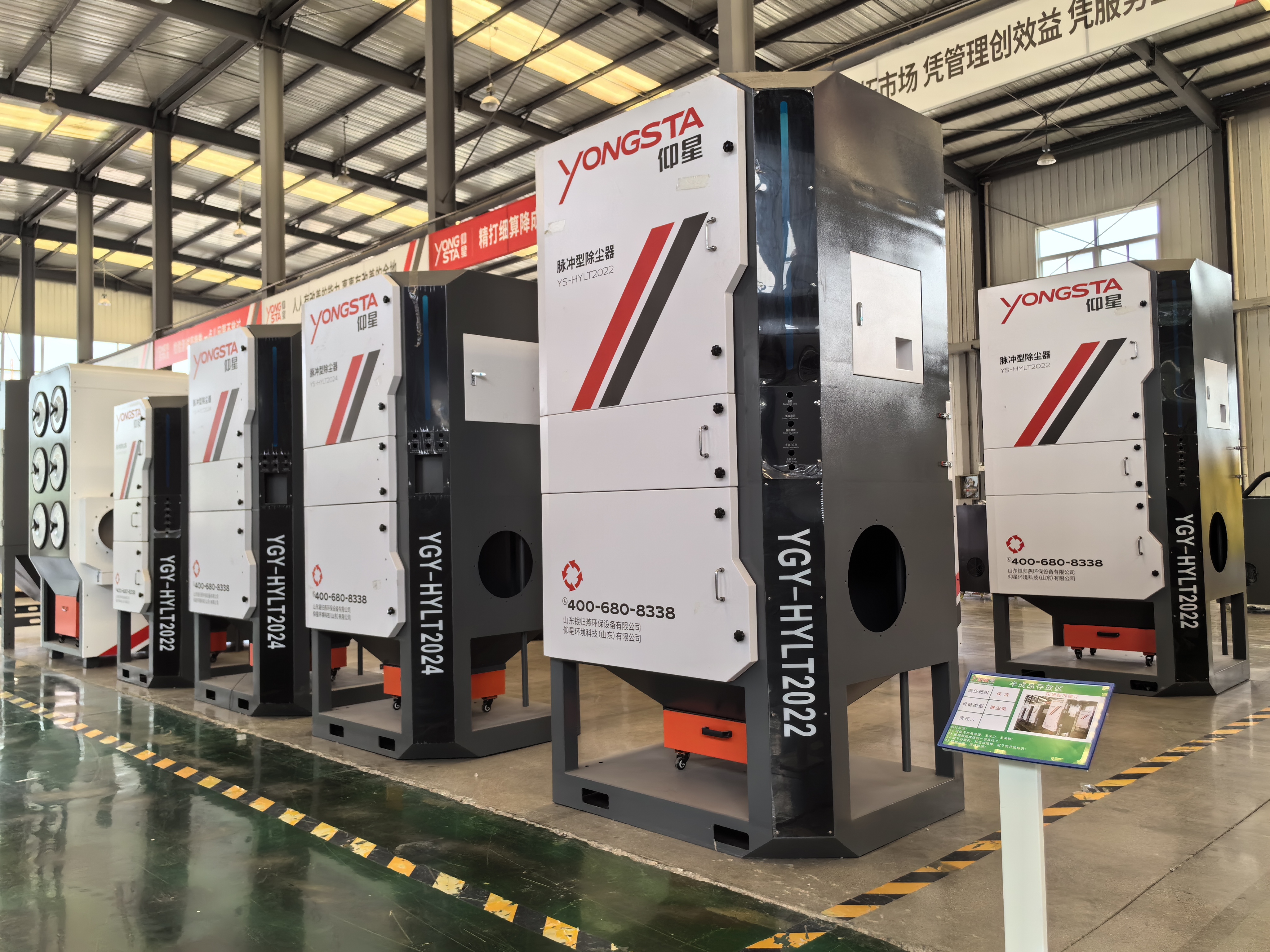
The question of whether a dust collector for laser cutting machine genuinely improves cutting accuracy is one that many production managers and fabrication engineers ask before committing to an investment. The short answer is yes — and the reasons go far beyond simple housekeeping. Particulate matter, smoke, and fine debris generated during laser processing can interfere with beam quality, contaminate optical components, and destabilize the cutting environment in ways that directly affect dimensional precision.
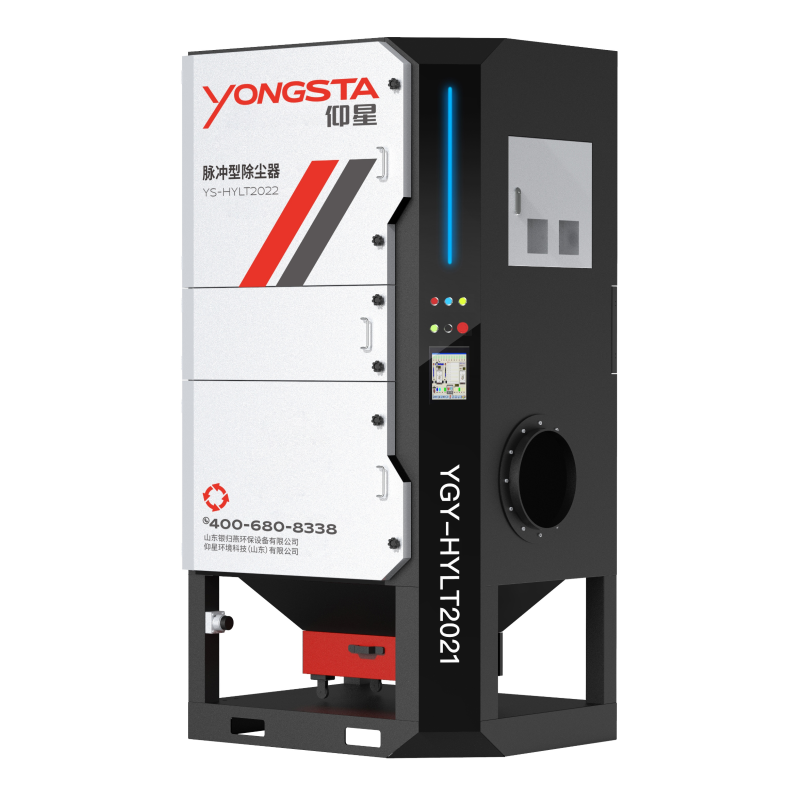
A dust collector for laser cutting machine is not simply an add-on accessory — it is an integral part of a high-performance laser processing system. When a facility operates a dust collector for laser cutting machine consistently and correctly, the benefits accumulate in measurable ways: tighter tolerances, fewer rework cycles, longer intervals between lens cleaning, and more stable process outputs. Understanding exactly how this happens requires a closer look at the mechanics of laser cutting and how airborne contaminants interact with the process.
How Airborne Contaminants Affect Laser Cutting Precision
The Role of Beam Path Clarity
A laser cutting system operates by directing a highly focused beam onto a workpiece surface. Any particle suspended in the beam path can scatter or absorb a portion of the laser energy before it reaches the focal point. This energy loss is irregular and inconsistent, meaning the effective power at the cut zone fluctuates even when machine settings remain unchanged. A dust collector for laser cutting machine actively removes these airborne particles, maintaining a cleaner beam path and delivering more consistent energy to the material surface.
When a dust collector for laser cutting machine is absent or underperforming, fine metallic dust and carbonized particles accumulate in the cutting chamber. These particles do not simply settle — many remain suspended for extended periods, especially in enclosed or semi-enclosed cutting areas. The cumulative effect is a gradual degradation of cut edge quality, wider kerf variation, and increased surface roughness. Installing a properly specified dust collector for laser cutting machine eliminates this variable from the process.
Optical Component Contamination and Its Impact
Laser cutting optics, including focusing lenses and protective windows, are among the most precision-critical components in the entire system. Even a thin layer of carbonized residue or metallic dust on a lens surface causes localized heating, distortion of the focused spot, and ultimately a reduction in cut quality. A dust collector for laser cutting machine reduces the rate at which contaminants reach these surfaces, extending lens service life and reducing the frequency of cleaning shutdowns.
Facilities that deploy a dust collector for laser cutting machine report noticeably longer intervals between mandatory optics maintenance. This is not a minor operational benefit — lens cleaning introduces human handling risk, and each cleaning cycle carries a small but real chance of surface damage. Fewer cleanings mean less risk, less downtime, and more consistent optical performance over time. The dust collector for laser cutting machine therefore protects accuracy indirectly by protecting the components that define beam focus.
Stability Benefits Beyond Beam Quality
Thermal Environment Control
Laser cutting generates intense localized heat, and the smoke and fumes produced carry thermal energy away from the cut zone. Without a dust collector for laser cutting machine managing this extraction, hot gases can accumulate near the workpiece surface, altering the local thermal gradient. This thermal instability affects material behavior during cutting, particularly with thin metals, plastics, and composites, where heat-affected zone control is critical to dimensional accuracy.
A dust collector for laser cutting machine that provides consistent, calibrated airflow helps normalize the thermal environment around the cut zone. By drawing fumes and heat away at a controlled rate, the collector prevents the buildup of hot zones that would otherwise distort material edges or cause unintended secondary melting. Production teams operating a dust collector for laser cutting machine in environments with tight tolerance requirements consistently report more repeatable thermal outcomes and reduced edge distortion.
Work Surface and Fixture Cleanliness
Accuracy in laser cutting also depends on how securely and flatly a workpiece rests on the cutting bed. Accumulated particulate debris on the cutting table surface creates uneven support, which introduces micro-level height variation between the lens and the workpiece. Since laser cutting systems operate at very precise focal distances, even small height deviations translate into focus errors and cut quality degradation. A dust collector for laser cutting machine keeps the work area cleaner, reducing particulate buildup on cutting bed slats and fixtures.
In high-volume production environments, a dust collector for laser cutting machine also reduces the manual cleaning burden on operators. Less time spent cleaning fixtures means more time cutting, and consistently clean fixtures mean more reliable part positioning. Both factors contribute to overall process accuracy and throughput reliability. The dust collector for laser cutting machine thus supports accuracy not only through air management but through the physical cleanliness it maintains across the entire work zone.
Selecting the Right Dust Collector for Laser Cutting Machine Applications
Matching Filtration to the Material Being Cut
Not all dust collectors perform equally in laser cutting environments. The choice of a dust collector for laser cutting machine must account for the types of materials being processed. Cutting mild steel generates fine iron oxide particles, while cutting stainless steel or aluminum produces different particulate profiles. Organic materials such as wood or acrylic generate carbonized smoke with very fine particle sizes that require high-efficiency filtration. A dust collector for laser cutting machine designed with multi-stage cartridge filtration handles this diversity more effectively than basic single-stage systems.
An industrial cartridge dust collector offers the combination of high airflow capacity, fine particulate capture efficiency, and low maintenance demand that laser cutting applications require. The vertical cartridge design in particular ensures efficient use of floor space while delivering the airflow volumes needed for high-power laser systems. Matching the dust collector for laser cutting machine to the actual cutting application — in terms of airflow, filtration grade, and extraction point design — is the foundation of achieving consistent accuracy improvements.
Integration with the Laser System Workflow
A dust collector for laser cutting machine delivers the greatest accuracy benefit when it operates continuously throughout the cutting process, not intermittently. Intermittent extraction allows particle concentrations to rise during pause intervals and then fluctuate when extraction restarts. Continuous operation by a dust collector for laser cutting machine maintains stable, low particle concentrations at all times, which is the condition under which laser cutting accuracy is most reliably maintained. Integrating the collector start and stop sequence with the laser system controller is a straightforward step that significantly improves process stability.
FAQ
Can a dust collector for laser cutting machine really extend the life of laser optics?
Yes. A dust collector for laser cutting machine reduces the rate at which smoke, fumes, and fine particles reach the focusing lens and protective window. This slows the accumulation of residue that causes localized heating and surface damage, meaningfully extending the service life of these precision optical components.
What filtration grade should a dust collector for laser cutting machine use?
For most laser cutting applications, a dust collector for laser cutting machine should use cartridge filters rated to capture sub-micron particles. Fine metallic dust and carbonized smoke particles are typically very small, and standard industrial filters may allow them to pass through. High-efficiency cartridge filtration is the recommended standard for laser cutting environments.
How does airflow rate affect the accuracy benefit of a dust collector for laser cutting machine?
Airflow rate determines how quickly the dust collector for laser cutting machine can clear the cutting zone of fumes and particles. If airflow is insufficient for the laser power level and material type, particle concentrations remain elevated despite the collector running. Sizing the dust collector for laser cutting machine correctly for the specific system ensures that beam path clarity and thermal stability are maintained throughout the cutting cycle.

