Industrial Welding Fume Dust Collector Systems - Advanced Air Filtration Solutions

Get a Free Quote

Our representative will contact you soon.
Email
Name
Company Name
Message
0/1000

welding fume dust collector

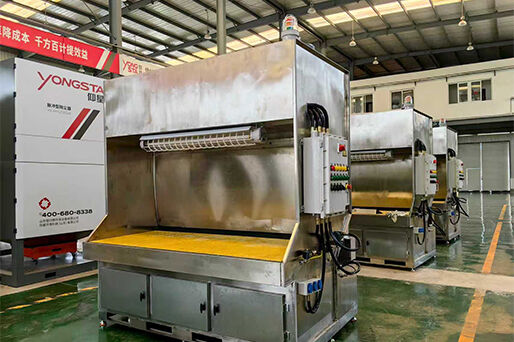
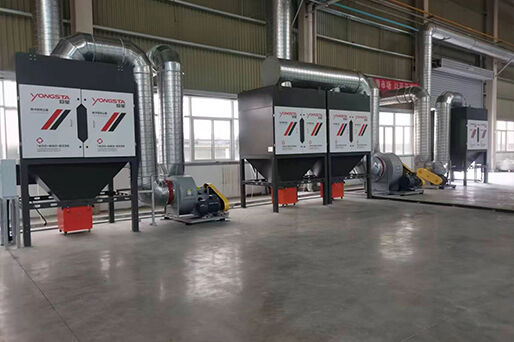
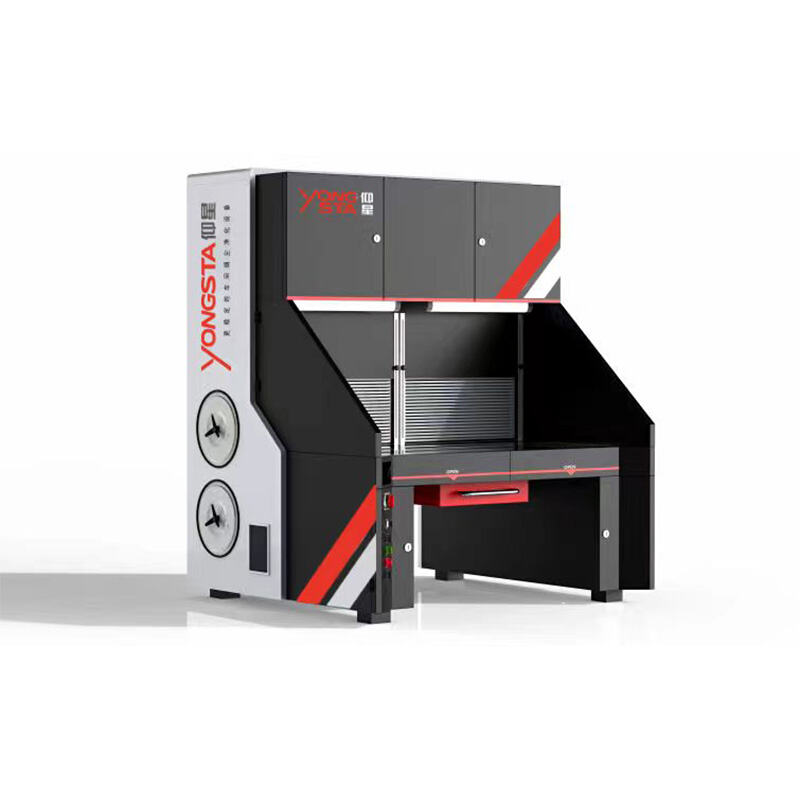
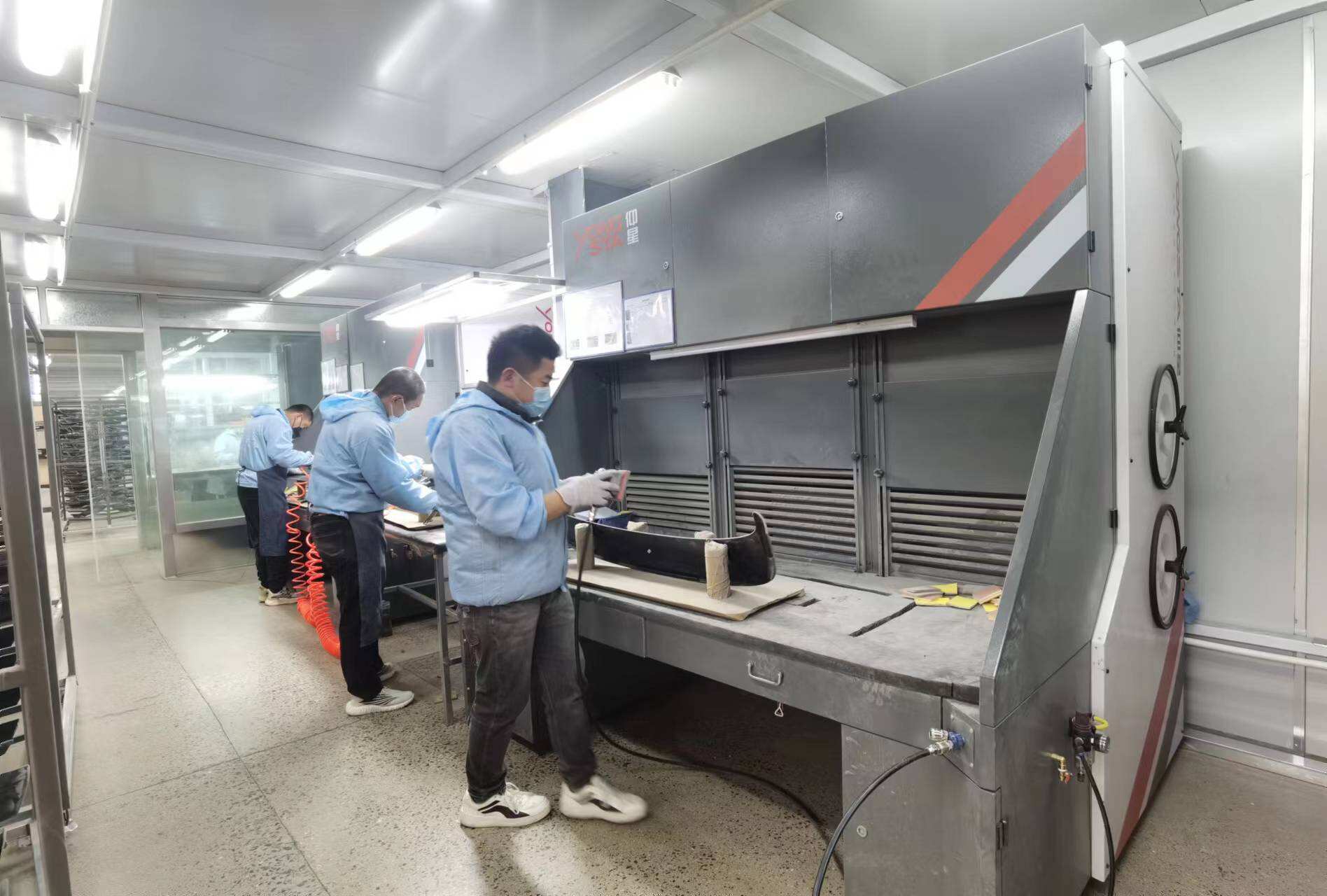
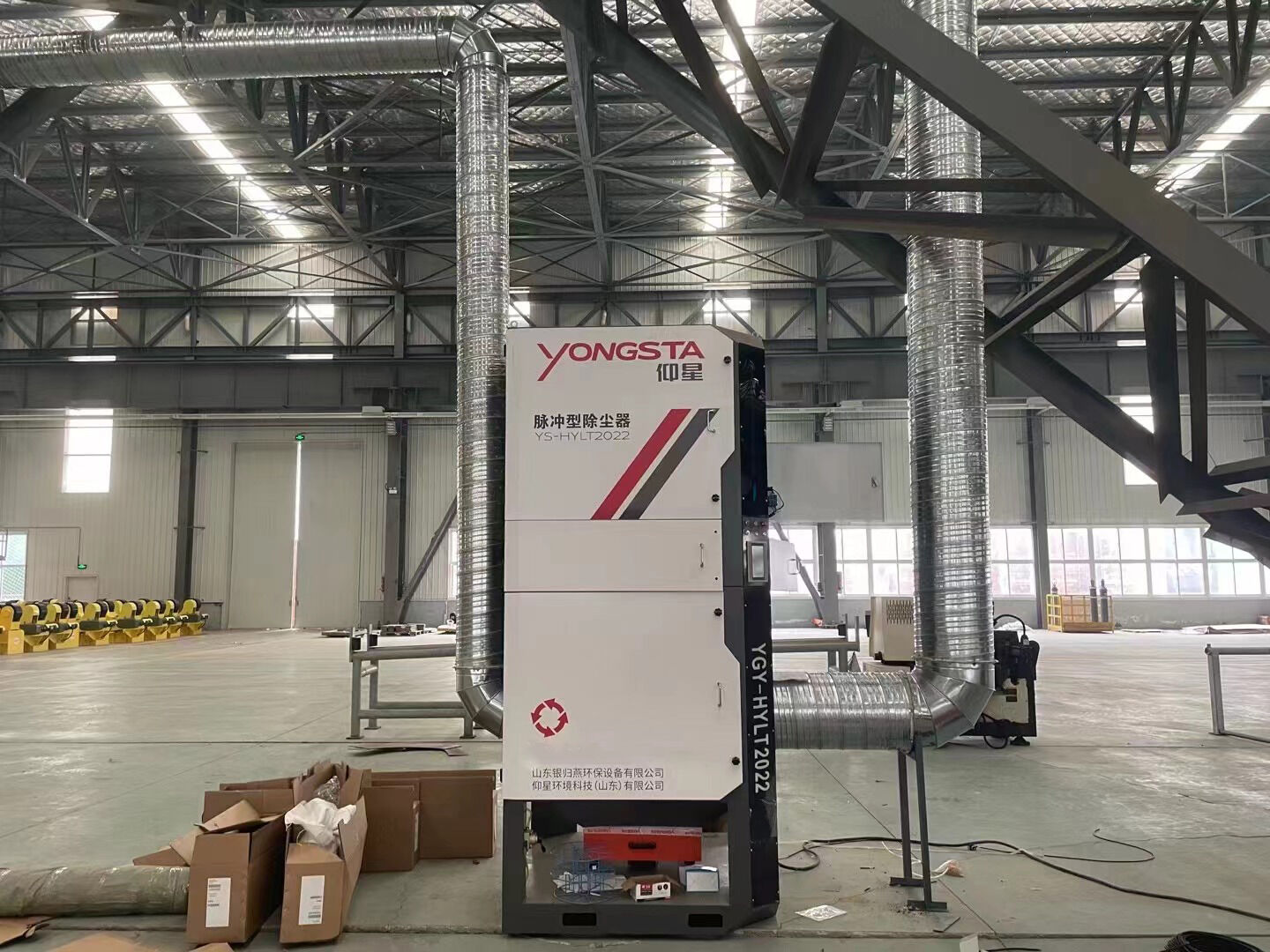
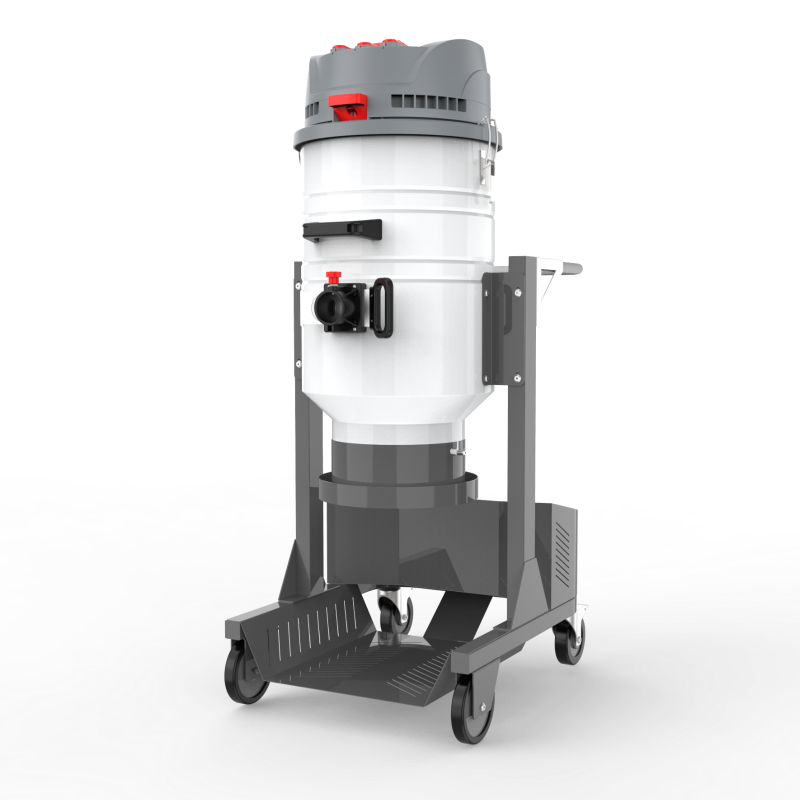
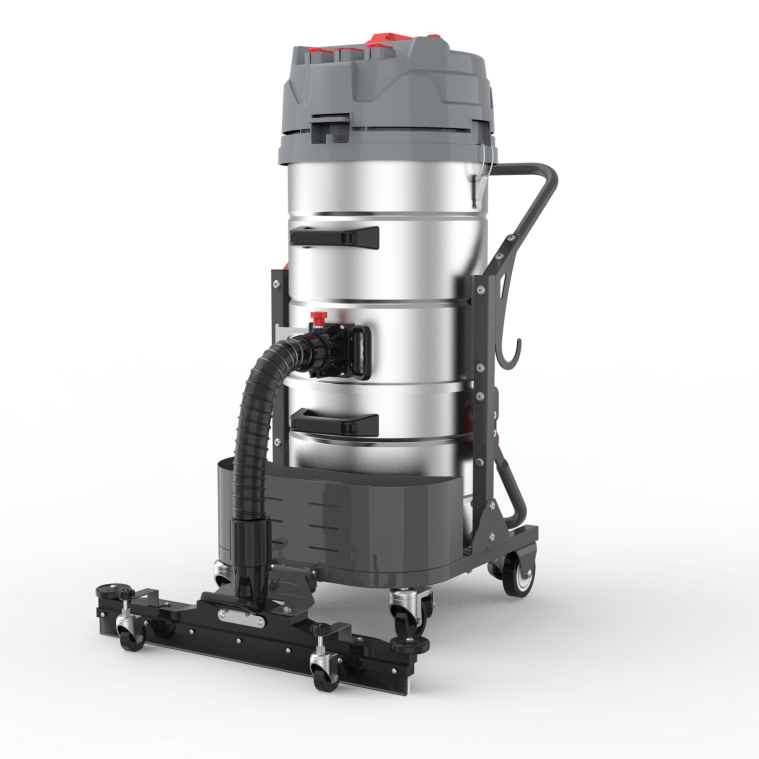
A welding fume dust collector represents an essential piece of industrial equipment designed to capture, filter, and remove hazardous airborne particles generated during welding operations. This specialized system addresses the critical need for maintaining clean air quality in manufacturing facilities, fabrication shops, and industrial workspaces where welding activities produce harmful fumes and particulate matter. The primary function of this equipment centers on protecting worker health by extracting toxic welding smoke at its source before it disperses throughout the workspace. Modern welding fume dust collectors incorporate advanced filtration technology that captures particles as small as 0.3 microns, effectively removing metal oxides, gases, and other contaminants from the air. These systems typically feature powerful suction capabilities combined with strategically positioned extraction arms or hoods that can be positioned directly at the welding point. The technological framework includes multi-stage filtration processes, often beginning with pre-filters that capture larger particles, followed by high-efficiency particulate air filters that trap microscopic contaminants. Many contemporary models integrate smart monitoring systems that track filter saturation levels and airflow performance, ensuring optimal operation and timely maintenance. Applications for welding fume dust collectors span numerous industries including automotive manufacturing, shipbuilding, construction equipment fabrication, metal furniture production, and general metalworking facilities. These systems prove invaluable in environments where MIG welding, TIG welding, arc welding, or any metal joining processes occur regularly. The equipment adapts to various workspace configurations, available in portable units for flexible positioning or centralized systems serving multiple workstations simultaneously. Beyond health protection, these collectors contribute to regulatory compliance with occupational safety standards and environmental regulations governing air quality. The investment in proper fume extraction equipment demonstrates organizational commitment to employee welfare while simultaneously improving visibility in work areas, reducing cleaning requirements, and extending the lifespan of other facility equipment by preventing particulate accumulation on machinery and surfaces.

New Product Recommendations

Installing a welding fume dust collector delivers immediate improvements to workplace safety by removing dangerous particles that workers would otherwise inhale during their shifts. The health benefits cannot be overstated, as prolonged exposure to welding fumes causes serious respiratory conditions, neurological damage, and various occupational illnesses that affect quality of life and productivity. By capturing contaminants at the source, these systems prevent fumes from reaching breathing zones, creating a safer environment that reduces sick days and long-term health complications. Workers experience better visibility during welding tasks because the air remains clear rather than filled with obscuring smoke, leading to higher quality work and fewer errors that require rework. The equipment pays for itself through multiple cost-saving mechanisms, starting with reduced liability exposure and lower workers compensation insurance premiums that companies enjoy when demonstrating proactive safety measures. Facilities avoid expensive citations and penalties from regulatory agencies by maintaining compliant air quality levels that meet or exceed occupational health standards. The systems require minimal operational intervention once installed, with straightforward maintenance procedures that typically involve periodic filter replacement and basic cleaning routines that maintenance staff can handle without specialized training. Energy efficiency has improved dramatically in modern designs, with variable speed motors that adjust suction power based on actual welding activity rather than running at full capacity continuously. This intelligent operation reduces electricity consumption while maintaining effective fume capture when needed. The noise levels of contemporary units have decreased significantly compared to older models, creating a more comfortable work environment that facilitates communication between team members. Flexibility represents another major advantage, as many systems offer modular configurations that expand as production needs grow, protecting the initial investment by allowing incremental capacity increases. Portable models provide exceptional versatility for job shops and facilities with changing layouts, moving easily between workstations or projects without requiring permanent installation. The return on investment extends beyond direct cost savings to include improved employee morale and retention, as workers appreciate employers who prioritize their health and safety. Companies also gain competitive advantages when bidding on contracts that require documented safety programs and environmental controls. The equipment contributes to cleaner facilities overall, reducing the accumulation of metal dust on floors, walls, and equipment that otherwise requires frequent cleaning and can damage sensitive electronics or machinery. Better air quality means HVAC systems work more efficiently because they handle less contaminated air, extending their service life and reducing maintenance frequency.

Practical Tips

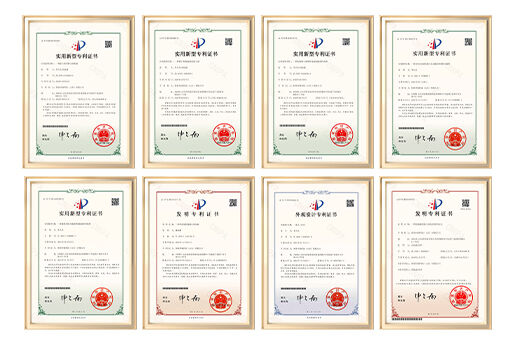
Yongsta R&D Team Wins 3 Dust Removal Technology Patents, Leading Industry Innovation

09

Apr

Yongsta R&D Team Wins 3 Dust Removal Technology Patents, Leading Industry Innovation

View More
Yongsta Cooperates with TUV for ATEX Explosion-Proof Certification, Explosion-Proof Dust Collector to Be Launched Soon

09

Apr

Yongsta Cooperates with TUV for ATEX Explosion-Proof Certification, Explosion-Proof Dust Collector to Be Launched Soon

View More
Empowering Benchmark Manufacturing! Yongsta Cartridge Dust Collector Aids Siemens Transformer China Factory's Dust Removal Renovation and Gains High Recognition

09

Apr

Empowering Benchmark Manufacturing! Yongsta Cartridge Dust Collector Aids Siemens Transformer China Factory's Dust Removal Renovation and Gains High Recognition

View More

Get a Free Quote

Our representative will contact you soon.
Email
Name
Company Name
Message
0/1000

welding fume dust collector

Advanced Multi-Stage Filtration Technology Ensures Maximum Contaminant Removal

Advanced Multi-Stage Filtration Technology Ensures Maximum Contaminant Removal

The filtration system within a welding fume dust collector employs sophisticated multi-stage technology that captures the full spectrum of welding-generated contaminants with exceptional efficiency. The process begins when contaminated air enters the system through strategically positioned extraction points, immediately encountering the first filtration stage designed to trap larger particles and sparks that could damage downstream components. This pre-filtration stage typically utilizes durable mesh or baffle systems that remove bulk particulate matter while allowing smaller particles to continue through the filtration pathway. The captured larger particles settle into collection drawers or hoppers for easy disposal, preventing them from clogging the more sensitive filters that follow. The second stage introduces high-efficiency filters specifically engineered to capture the microscopic particles that pose the greatest health risks, including metal oxides, manganese compounds, and other toxic substances released during welding processes. These filters often achieve efficiency ratings exceeding 99.9 percent for particles down to 0.3 microns, effectively removing the dangerous fine particulates that penetrate deep into lung tissue when inhaled. Some advanced systems incorporate activated carbon filters as an additional stage, targeting gaseous contaminants and odors that mechanical filters cannot capture, providing comprehensive air purification that addresses both particulate and chemical hazards. The filtration media itself represents cutting-edge material science, with pleated designs that maximize surface area within compact housings, extending filter life while maintaining strong airflow characteristics. Manufacturers engineer these filters to withstand the harsh conditions of industrial environments, resisting moisture, temperature fluctuations, and the abrasive nature of metal particles. The multi-stage approach distributes the filtration workload across different media types, preventing premature saturation of any single filter and extending overall system maintenance intervals. Modern welding fume dust collectors include intelligent monitoring systems that track differential pressure across filters, alerting operators when cleaning or replacement becomes necessary before performance degrades. This predictive maintenance capability prevents unexpected downtime and ensures consistent protection for workers. The filtration technology adapts to different welding processes, handling the varying particle sizes and chemical compositions produced by different metals and welding techniques without requiring system reconfiguration.
Flexible Extraction Solutions Adapt to Any Workspace Configuration

Flexible Extraction Solutions Adapt to Any Workspace Configuration

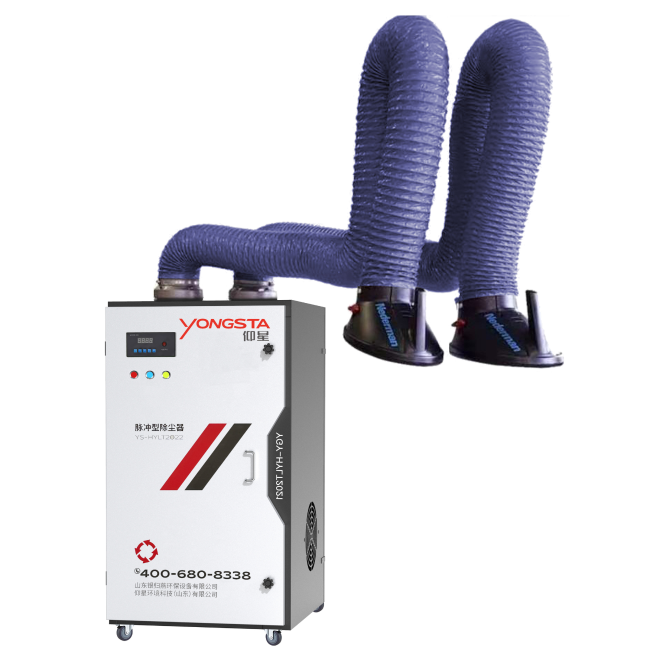
The versatility of welding fume dust collector extraction systems addresses the diverse spatial and operational requirements found across different industrial settings. Manufacturers offer multiple extraction configurations, starting with articulating arms that provide pinpoint fume capture directly at the welding arc, positioning the intake hood within inches of the contamination source for maximum capture efficiency. These flexible arms feature multiple joints that allow operators to position them precisely where needed, then lock them in place to maintain optimal positioning throughout the welding task. The arms incorporate internal airflow designs that prevent clogging while maintaining strong suction across the entire length, ensuring consistent performance regardless of extension or angle. For facilities with multiple welding stations, centralized systems provide economical solutions by connecting several workstations to a single powerful collector unit through ductwork networks that distribute suction capacity where needed. This approach reduces equipment costs and floor space requirements compared to individual units at each station, while still delivering effective fume capture across the entire facility. The ductwork designs incorporate blast gates or dampers that allow operators to direct suction to active workstations, optimizing energy use by not pulling air through inactive stations. Portable welding fume dust collectors mounted on casters offer maximum flexibility for job shops and facilities where welding locations change frequently, rolling easily to wherever work occurs without requiring permanent installation or ductwork modifications. These mobile units typically feature compact footprints that navigate through crowded shop floors while still housing powerful filtration systems capable of handling demanding applications. Some facilities benefit from overhead extraction systems that use ceiling-mounted hoods or ambient air cleaners that capture fumes rising from welding operations, particularly effective in areas where positioning extraction arms proves impractical due to workspace constraints or workflow considerations. The extraction velocity and capture range can be adjusted to match specific welding processes, with higher suction rates for operations producing heavy fume volumes and gentler extraction for delicate work where excessive airflow might disrupt shielding gas coverage. Modern systems incorporate quick-disconnect fittings and modular components that facilitate rapid reconfiguration as production needs evolve, protecting equipment investments by adapting to changing requirements rather than requiring complete replacement. The extraction solutions integrate seamlessly with existing welding equipment and facility layouts, designed to enhance rather than impede workflow efficiency.
Smart Monitoring and Control Systems Optimize Performance and Maintenance

Smart Monitoring and Control Systems Optimize Performance and Maintenance

Contemporary welding fume dust collectors incorporate intelligent monitoring and control technologies that transform these systems from passive filtration devices into active safety management tools. Digital control panels provide real-time visibility into system performance metrics, displaying airflow rates, filter condition, motor status, and operational hours that inform maintenance decisions and ensure consistent protection. The monitoring systems track differential pressure across filtration stages, measuring the resistance to airflow that increases as filters capture contaminants, providing objective data about when cleaning or replacement becomes necessary rather than relying on arbitrary time-based schedules. This condition-based maintenance approach optimizes filter life by using them fully before replacement while preventing performance degradation that occurs when filters become oversaturated. Advanced units feature automatic filter cleaning mechanisms that periodically pulse compressed air through filters in reverse direction, dislodging accumulated particles back into collection hoppers and extending filter service life significantly compared to systems requiring manual cleaning or frequent replacement. The automated cleaning cycles occur during operation without interrupting fume capture, maintaining continuous protection for workers while reducing maintenance labor requirements. Variable frequency drives control motor speed based on actual demand, ramping up suction when welding activity occurs and reducing speed during idle periods, delivering substantial energy savings compared to constant-speed motors running continuously at full capacity. Some systems integrate with facility management platforms, transmitting performance data and maintenance alerts to centralized monitoring stations where facility managers can track multiple units across large operations from a single interface. The connectivity enables predictive maintenance strategies that schedule filter replacements and service activities during planned downtime rather than responding to unexpected failures that disrupt production. Safety interlocks prevent system operation when access panels are open or when critical faults are detected, protecting maintenance personnel and preventing damage to equipment. The control systems store historical performance data that helps identify trends, optimize settings for specific welding processes, and document compliance with safety regulations through detailed operational logs. User-friendly interfaces with intuitive controls and clear status indicators ensure that operators can monitor system health at a glance without specialized training, while more detailed diagnostic information remains accessible for maintenance technicians troubleshooting issues. Remote monitoring capabilities allow equipment manufacturers or service providers to assess system performance and diagnose problems without site visits, reducing downtime and support costs while ensuring expert assistance is available when needed.

Get a Free Quote

Our representative will contact you soon.
Email
Name
Company Name
Message
0/1000
email goToTop