Laser Machine Dust Collector - Advanced Filtration Systems for Clean, Safe Laser Operations

Get a Free Quote

Our representative will contact you soon.
Email
Name
Company Name
Message
0/1000

laser machine dust collector

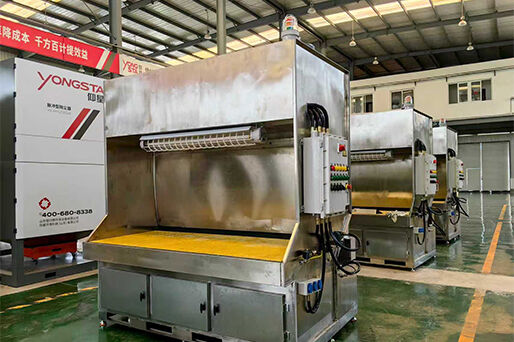
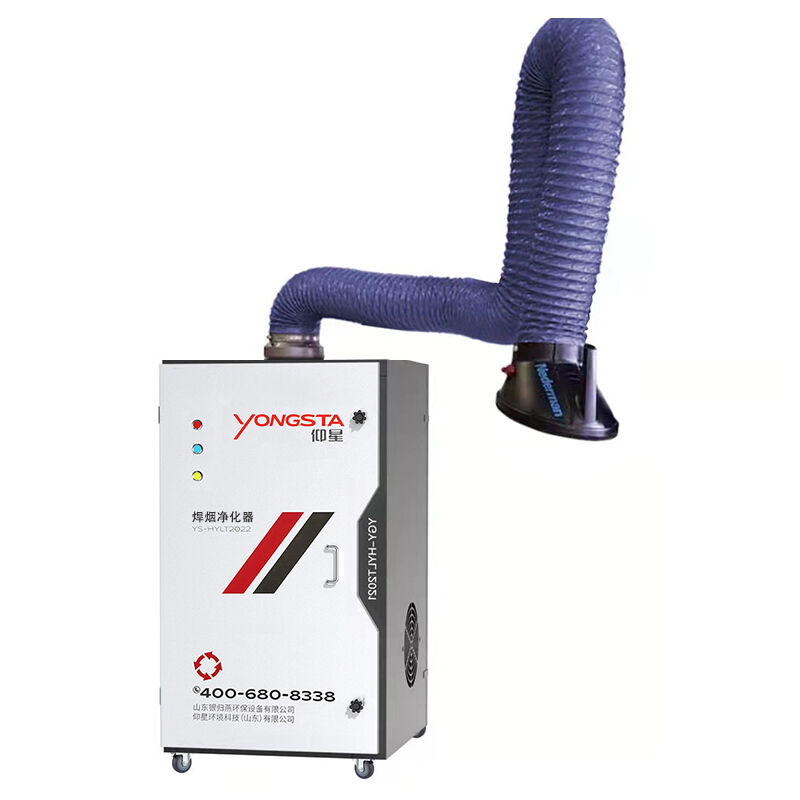
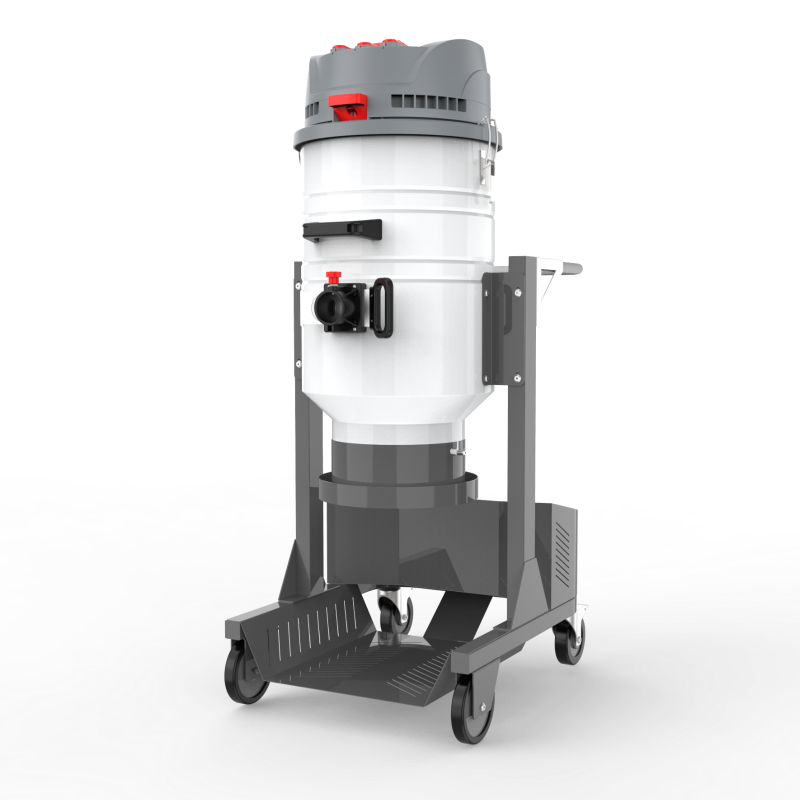
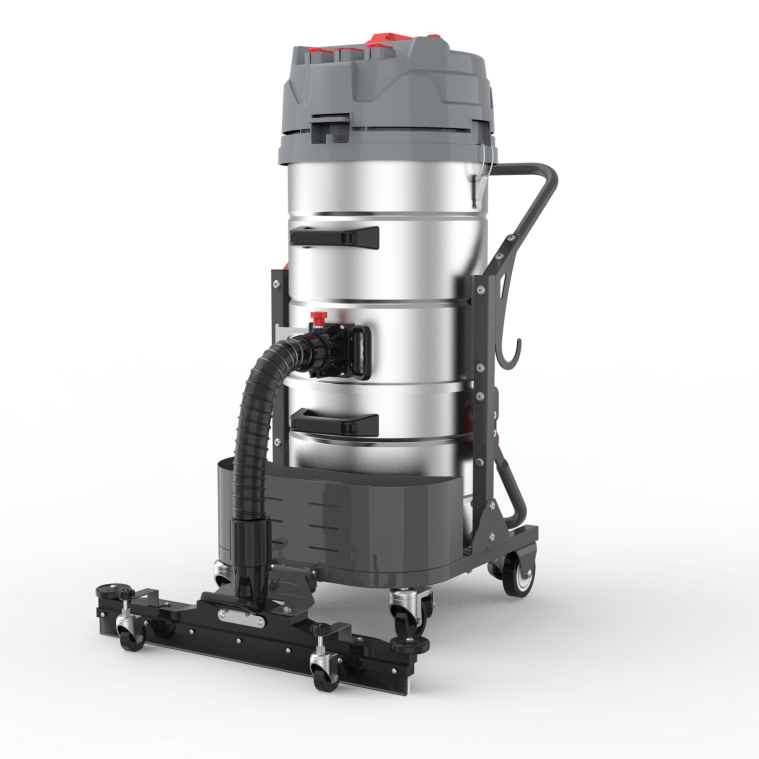
A laser machine dust collector serves as an essential filtration system designed to capture and remove harmful particles, fumes, and debris generated during laser cutting, engraving, and marking operations. This specialized equipment protects both operators and machinery by maintaining clean air quality in manufacturing environments. The primary function involves drawing contaminated air away from the laser processing area through powerful suction, filtering out particulate matter, and returning purified air to the workspace or exhausting it safely outdoors. Modern laser machine dust collectors incorporate multi-stage filtration technology that captures particles as small as 0.3 microns, ensuring comprehensive removal of smoke, dust, and potentially hazardous substances released when lasers interact with various materials including wood, acrylic, leather, fabric, and metals. These systems typically feature adjustable airflow controls that allow operators to match suction power to specific material requirements and laser intensities. The technological framework includes pre-filters that trap larger particles, HEPA filters for fine particulate capture, and activated carbon filters that neutralize odors and gaseous contaminants. Advanced models integrate smart monitoring systems that track filter saturation levels and alert users when maintenance becomes necessary, preventing performance degradation and ensuring consistent operation. Applications span diverse industries including manufacturing, signage production, textile processing, electronics fabrication, and custom engraving services. The dust collector connects directly to laser equipment through flexible ducting, creating a closed-loop extraction system that prevents contaminants from dispersing throughout the facility. By maintaining optimal air quality, these collectors extend laser machine lifespan by preventing particle accumulation on sensitive optical components and mechanical systems. They also ensure regulatory compliance with workplace safety standards and environmental protection requirements, making them indispensable for any operation utilizing laser technology for material processing.

New Product Releases

Investing in a laser machine dust collector delivers immediate and long-term benefits that directly impact your bottom line and operational efficiency. First and foremost, these systems protect your workforce by removing harmful airborne particles that can cause respiratory issues, eye irritation, and long-term health complications. Clean air means healthier employees, which translates to reduced sick days, lower insurance costs, and improved morale. Your laser equipment also benefits significantly from proper dust collection. Without adequate filtration, particles settle on mirrors, lenses, and other precision components, degrading beam quality and cutting accuracy. Regular cleaning becomes time-consuming and expensive, while component replacement costs add up quickly. A quality dust collector prevents this contamination, maintaining peak machine performance and extending equipment lifespan by years. The financial advantages extend beyond maintenance savings. Many operations experience productivity increases of 15 to 25 percent after installing proper dust collection because operators work more comfortably in cleaner environments and machines maintain consistent performance without frequent interruptions for cleaning. Material versatility improves as well, since effective extraction allows you to process materials that generate heavy smoke or fine dust without compromising air quality or visibility. Compliance with occupational safety regulations becomes straightforward when you implement appropriate dust collection, helping you avoid costly fines and potential shutdowns. Insurance providers often offer premium reductions for facilities demonstrating commitment to workplace safety through proper ventilation and filtration systems. Energy efficiency represents another practical advantage, as modern collectors use variable speed motors that adjust power consumption based on actual demand rather than running at full capacity continuously. This intelligent operation reduces electricity costs while maintaining effective filtration. Noise reduction features in contemporary models create quieter work environments, further enhancing operator comfort and concentration. The systems require minimal floor space, with compact designs that fit easily into existing layouts without major facility modifications. Installation typically completes within hours, not days, minimizing disruption to ongoing operations. Maintenance remains straightforward, with accessible filter compartments and clear indicators showing when service becomes necessary. Most businesses recover their investment within 18 to 24 months through combined savings on equipment maintenance, reduced material waste from improved cutting quality, lower energy consumption, and decreased health-related costs. The return continues accumulating year after year as your protected laser equipment delivers reliable performance and your team works in optimal conditions.

Latest News

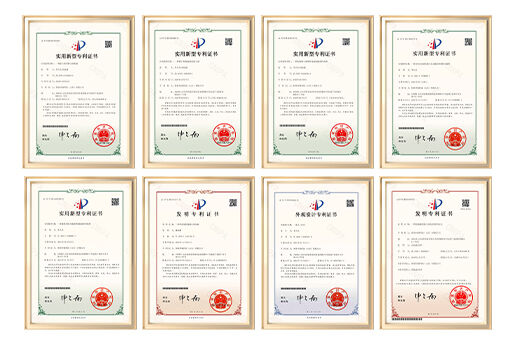
Yongsta R&D Team Wins 3 Dust Removal Technology Patents, Leading Industry Innovation

09

Apr

Yongsta R&D Team Wins 3 Dust Removal Technology Patents, Leading Industry Innovation

View More
Yongsta Cooperates with TUV for ATEX Explosion-Proof Certification, Explosion-Proof Dust Collector to Be Launched Soon

09

Apr

Yongsta Cooperates with TUV for ATEX Explosion-Proof Certification, Explosion-Proof Dust Collector to Be Launched Soon

View More
Empowering Benchmark Manufacturing! Yongsta Cartridge Dust Collector Aids Siemens Transformer China Factory's Dust Removal Renovation and Gains High Recognition

09

Apr

Empowering Benchmark Manufacturing! Yongsta Cartridge Dust Collector Aids Siemens Transformer China Factory's Dust Removal Renovation and Gains High Recognition

View More

Get a Free Quote

Our representative will contact you soon.
Email
Name
Company Name
Message
0/1000

laser machine dust collector

Advanced Multi-Stage Filtration Technology Ensures Complete Contaminant Removal

Advanced Multi-Stage Filtration Technology Ensures Complete Contaminant Removal

The cornerstone of effective laser machine dust collection lies in sophisticated multi-stage filtration that addresses the full spectrum of contaminants generated during laser processing operations. This comprehensive approach begins with a pre-filtration stage that captures larger particles, metal shavings, and debris before they reach more delicate filter media. This initial barrier extends the lifespan of downstream filters while maintaining strong airflow throughout the system. The second stage employs high-efficiency particulate air filters, commonly known as HEPA filters, which trap microscopic particles down to 0.3 microns with 99.97 percent efficiency. This level of filtration captures the fine dust and smoke particles that pose the greatest health risks and cause the most damage to sensitive laser components. The third stage incorporates activated carbon filtration that addresses gaseous contaminants and odors released when lasers vaporize materials. Different materials produce different chemical compounds when processed, and activated carbon neutralizes these substances through adsorption, preventing them from recirculating into your workspace or exhausting into the environment. Some advanced systems add a fourth stage with electrostatic precipitation or additional specialty filters for specific applications involving particularly challenging materials. The filtration media itself represents significant technological advancement, with pleated designs that maximize surface area within compact housings, providing superior particle capture without restricting airflow. Modern filter materials resist moisture and maintain structural integrity even when processing materials that release oils or other liquids during laser interaction. The multi-stage approach delivers several critical advantages over single-filter systems. By distributing the filtration workload across multiple stages, each filter operates within its optimal performance range, maintaining efficiency longer and reducing replacement frequency. The system continues functioning effectively even as individual stages approach saturation, providing consistent protection without sudden performance drops. Filter monitoring technology integrated into quality dust collectors tracks pressure differential across each stage, providing precise data about filter condition and predicting replacement needs before performance degrades. This proactive maintenance approach prevents unexpected downtime and ensures your laser operations continue without interruption. The investment in multi-stage filtration pays dividends through superior air quality, extended filter life, reduced maintenance costs, and the peace of mind that comes from knowing your equipment and personnel receive maximum protection from laser-generated contaminants.
Intelligent Airflow Management Optimizes Performance Across Different Materials and Applications

Intelligent Airflow Management Optimizes Performance Across Different Materials and Applications

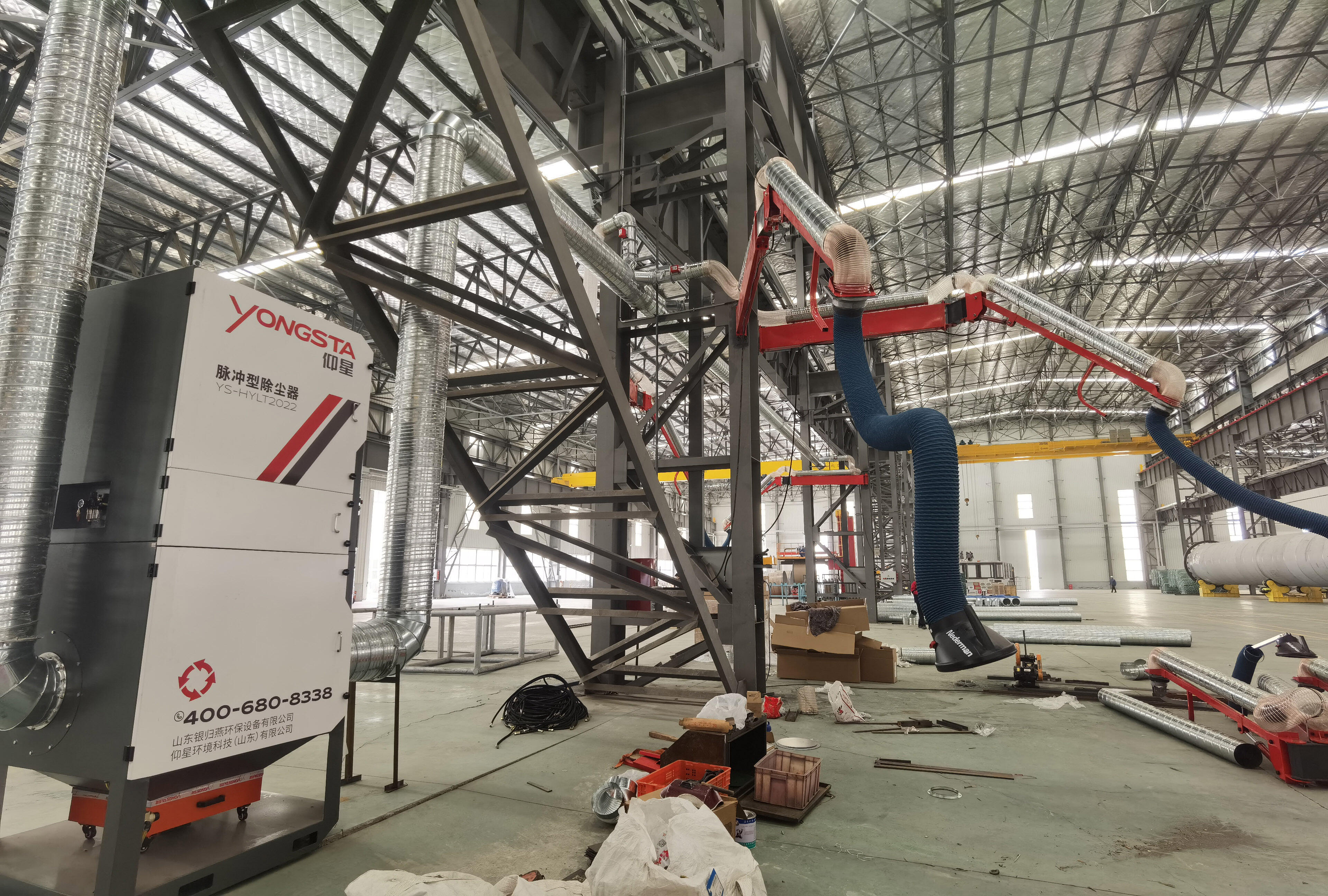
Effective dust collection requires more than powerful suction; it demands intelligent airflow management that adapts to varying material characteristics and laser processing parameters. A laser machine dust collector with advanced airflow control allows operators to fine-tune extraction power based on specific job requirements, optimizing both performance and energy efficiency. When processing materials that generate heavy smoke like wood or leather, higher airflow rates quickly remove dense contaminant clouds, maintaining visibility and preventing particle accumulation. Conversely, when working with thin materials or performing delicate engraving operations, reduced airflow prevents material disturbance while still providing adequate extraction. This flexibility proves essential because excessive suction can actually interfere with laser processing by lifting lightweight materials or disrupting the cutting process, while insufficient airflow leaves contaminants in the work area. Modern systems incorporate variable frequency drives that adjust motor speed continuously rather than operating at fixed settings, providing precise control over extraction power. This technology delivers significant energy savings compared to constant-speed systems, reducing operating costs by 30 to 40 percent in typical applications. The intelligent controls monitor system pressure and automatically adjust airflow to maintain optimal performance as filters gradually load with captured particles, compensating for increased resistance without operator intervention. Airflow distribution represents another critical consideration, particularly in facilities with multiple laser machines or workstations. Advanced dust collectors support multi-port configurations with individual blast gates or automated dampers that direct suction to active workstations while closing off unused connections. This targeted approach maximizes extraction efficiency at the point of use while minimizing wasted energy on inactive stations. The ducting design itself impacts overall system performance, with properly sized and routed ductwork maintaining adequate air velocity to transport particles without allowing them to settle in horizontal runs. Quality systems include design assistance to ensure optimal duct sizing and layout for your specific facility configuration. Airflow monitoring provides real-time feedback about system performance, alerting operators to potential issues like blocked ducts, saturated filters, or leaks that reduce extraction effectiveness. Some systems integrate with laser machine controls, automatically adjusting extraction power based on laser settings and material type selected for each job. This seamless integration eliminates the need for manual adjustments and ensures optimal extraction for every operation. The result is consistent air quality, improved process reliability, and reduced energy consumption, all while maintaining the flexibility to handle diverse materials and applications efficiently.
Compact Design and Easy Maintenance Minimize Operational Disruption and Total Cost of Ownership

Compact Design and Easy Maintenance Minimize Operational Disruption and Total Cost of Ownership

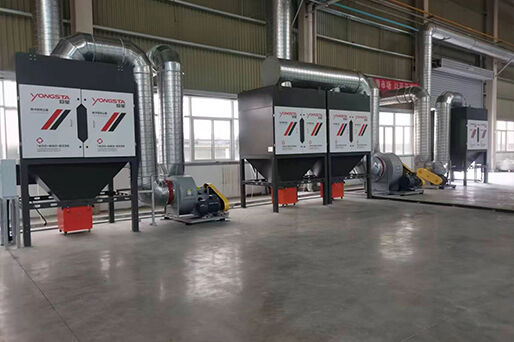
The practical realities of manufacturing environments demand dust collection solutions that deliver powerful performance without consuming excessive floor space or requiring complex maintenance procedures. Modern laser machine dust collectors address these needs through compact engineering that maximizes filtration capacity within minimal footprints, making them suitable for facilities ranging from small workshops to large production floors. Vertical tower designs concentrate filtration components in space-efficient configurations that fit easily alongside laser equipment or against walls, preserving valuable production area for revenue-generating activities. Mobile models with integrated casters provide flexibility to relocate the collector as facility layouts evolve or to share one unit among multiple machines in smaller operations. Despite their compact dimensions, these systems deliver airflow capacities sufficient for even high-powered laser equipment, proving that effective dust collection does not require massive industrial equipment. The maintenance-friendly design philosophy extends throughout quality dust collectors, recognizing that downtime for service directly impacts productivity and profitability. Tool-free filter access panels allow operators to inspect and replace filters in minutes rather than hours, with clear visual indicators showing filter condition at a glance. Some systems employ drawer-style filter cartridges that slide out for replacement without requiring disassembly of housing components or disconnection of ductwork. Pre-filter cleaning systems, including manual shake mechanisms or automated pulse-cleaning technology, extend filter life by dislodging accumulated particles back into collection bins, reducing replacement frequency and associated costs. Collection bins or bags capture removed particles for easy disposal, with quick-release mechanisms that allow emptying without creating secondary dust clouds or exposing operators to collected contaminants. The electrical and control components mount in accessible locations with clear labeling and diagnostic displays that simplify troubleshooting when issues arise. Maintenance schedules for quality dust collectors remain straightforward, typically requiring filter inspection every few weeks and replacement every few months depending on usage intensity and materials processed. This predictable maintenance rhythm allows for planned service during scheduled downtime rather than emergency repairs that disrupt production. Replacement parts availability represents another practical consideration, with reputable manufacturers maintaining comprehensive inventories of filters, gaskets, motors, and other wear components for rapid delivery when needed. Many suppliers offer maintenance kits that bundle commonly replaced items at package pricing, simplifying procurement and ensuring you have necessary parts on hand. The total cost of ownership for a well-designed dust collector remains remarkably low when considering the protection it provides to expensive laser equipment and the health benefits it delivers to your workforce. Energy-efficient operation, long filter life, minimal maintenance requirements, and the prevention of costly laser repairs combine to deliver positive return on investment that continues throughout the equipment's service life, which typically spans a decade or more with proper care.

Get a Free Quote

Our representative will contact you soon.
Email
Name
Company Name
Message
0/1000
email goToTop