laser cutter dust collector
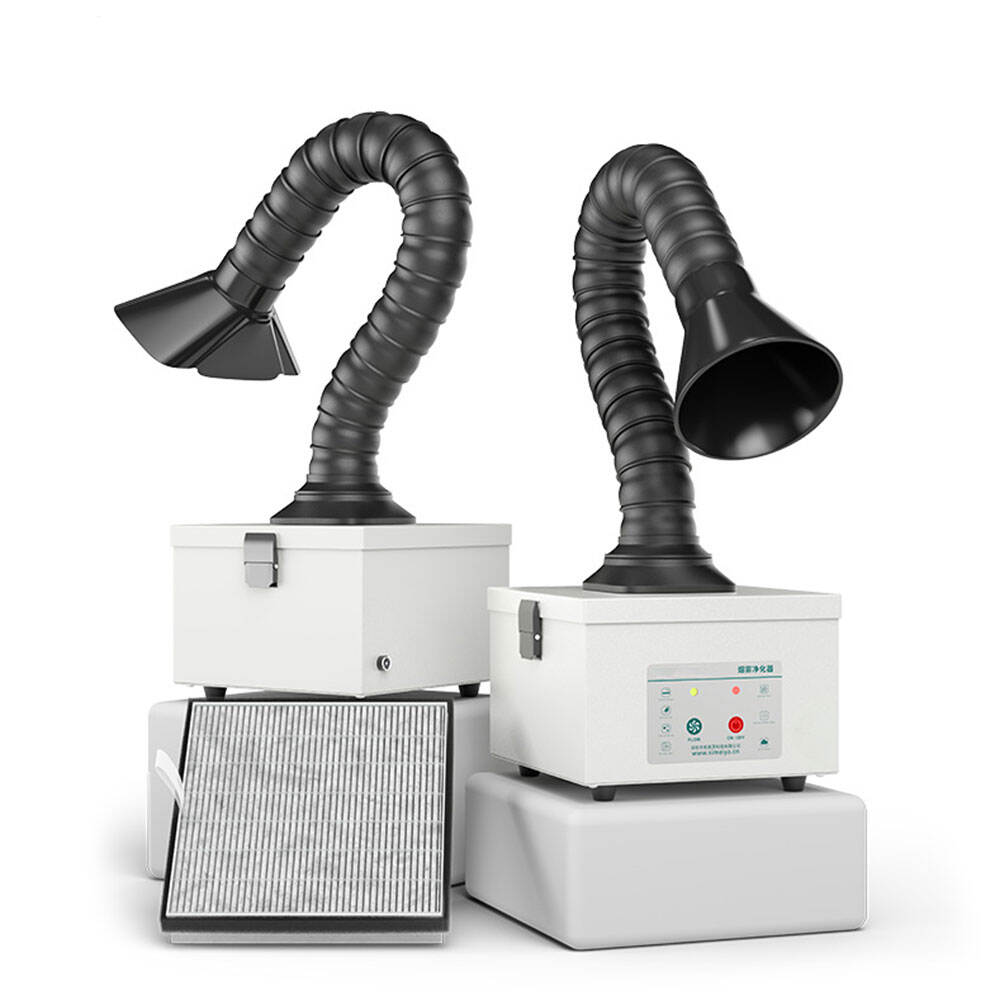
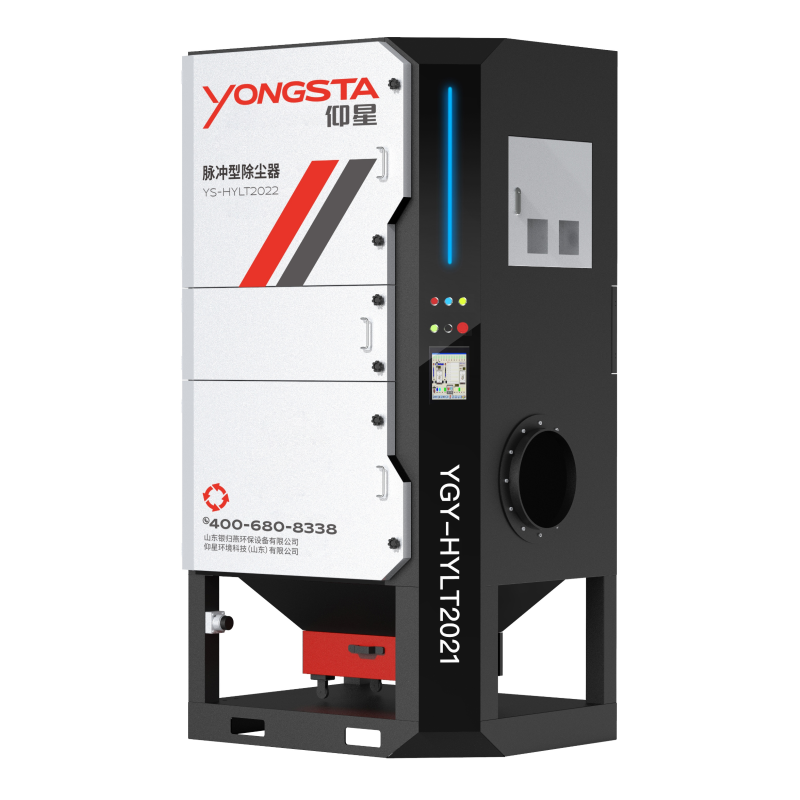
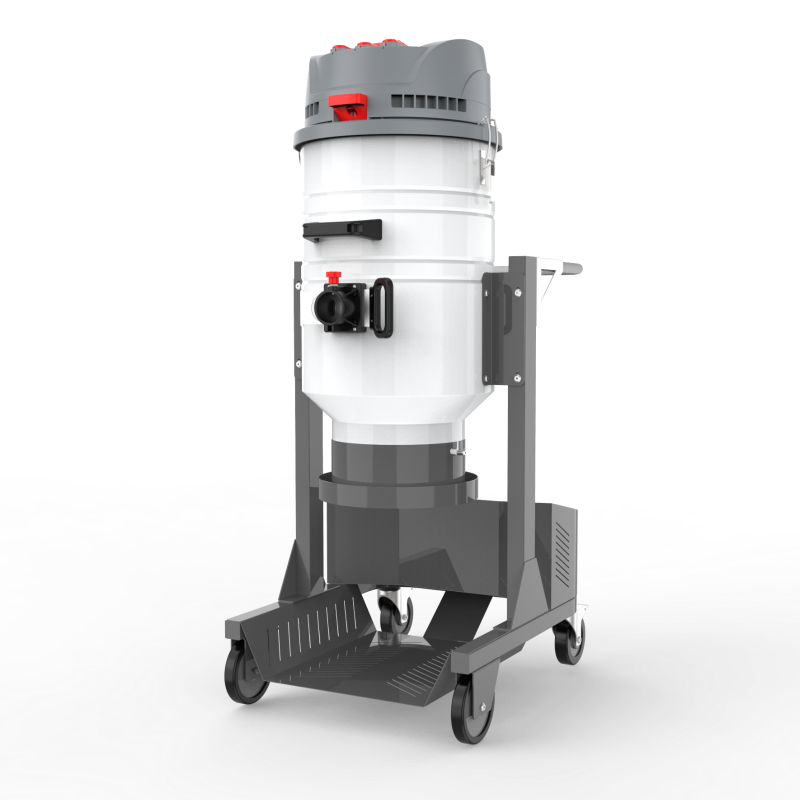
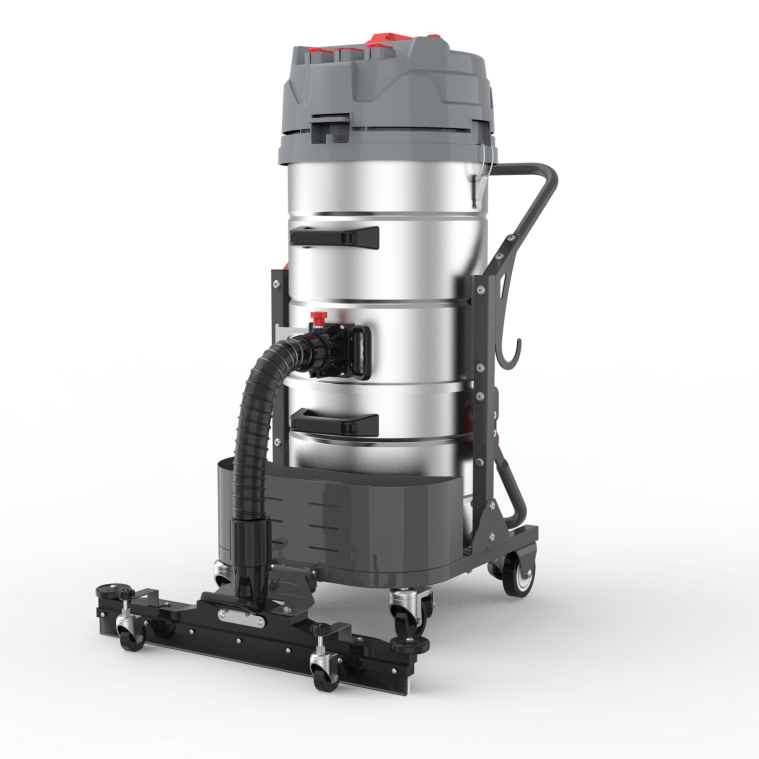
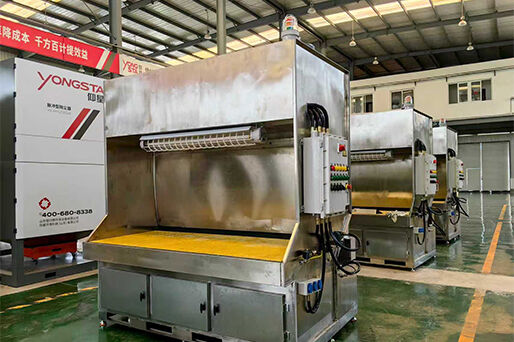
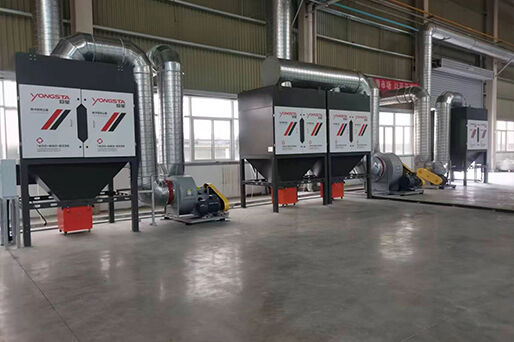
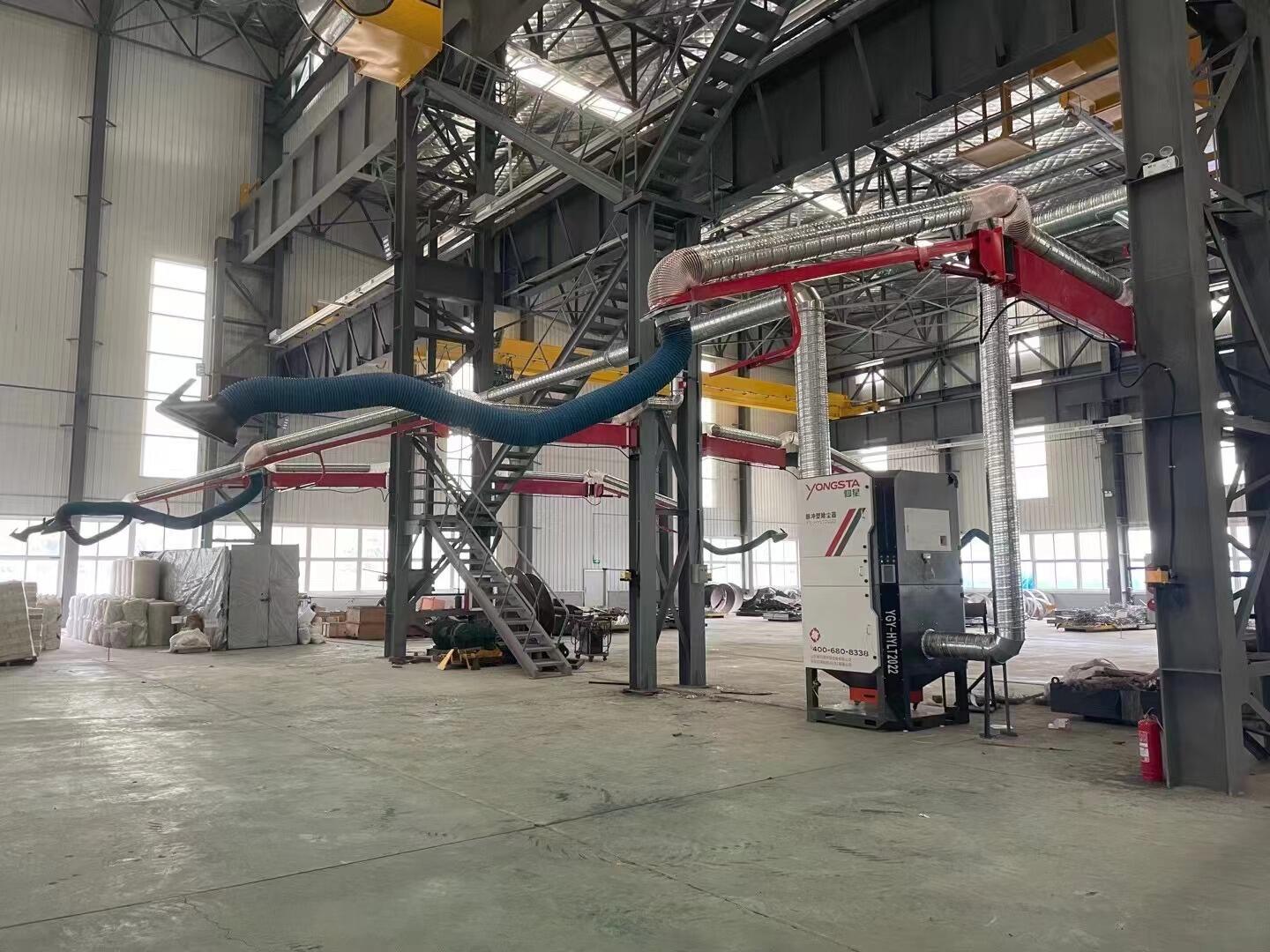
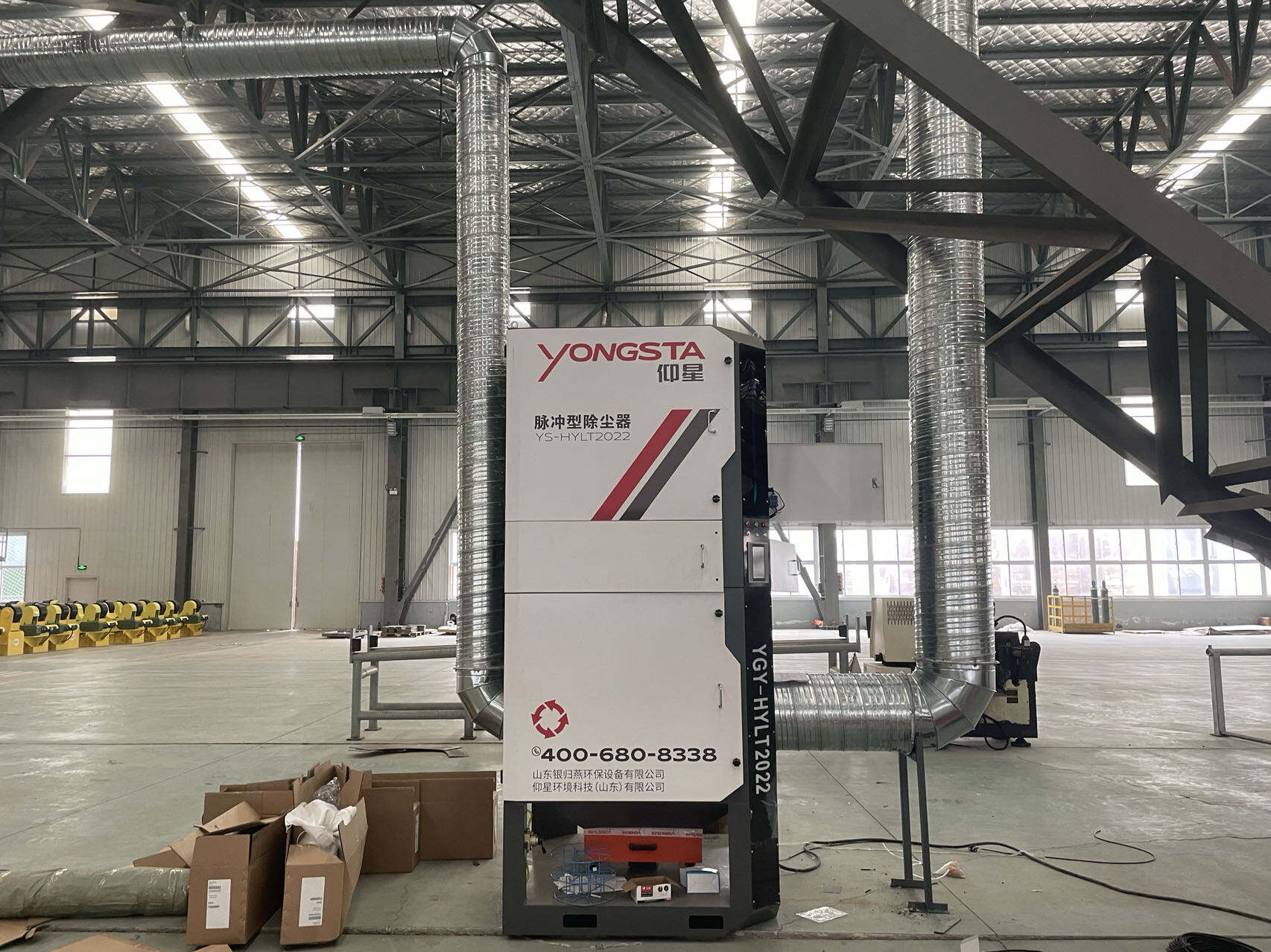
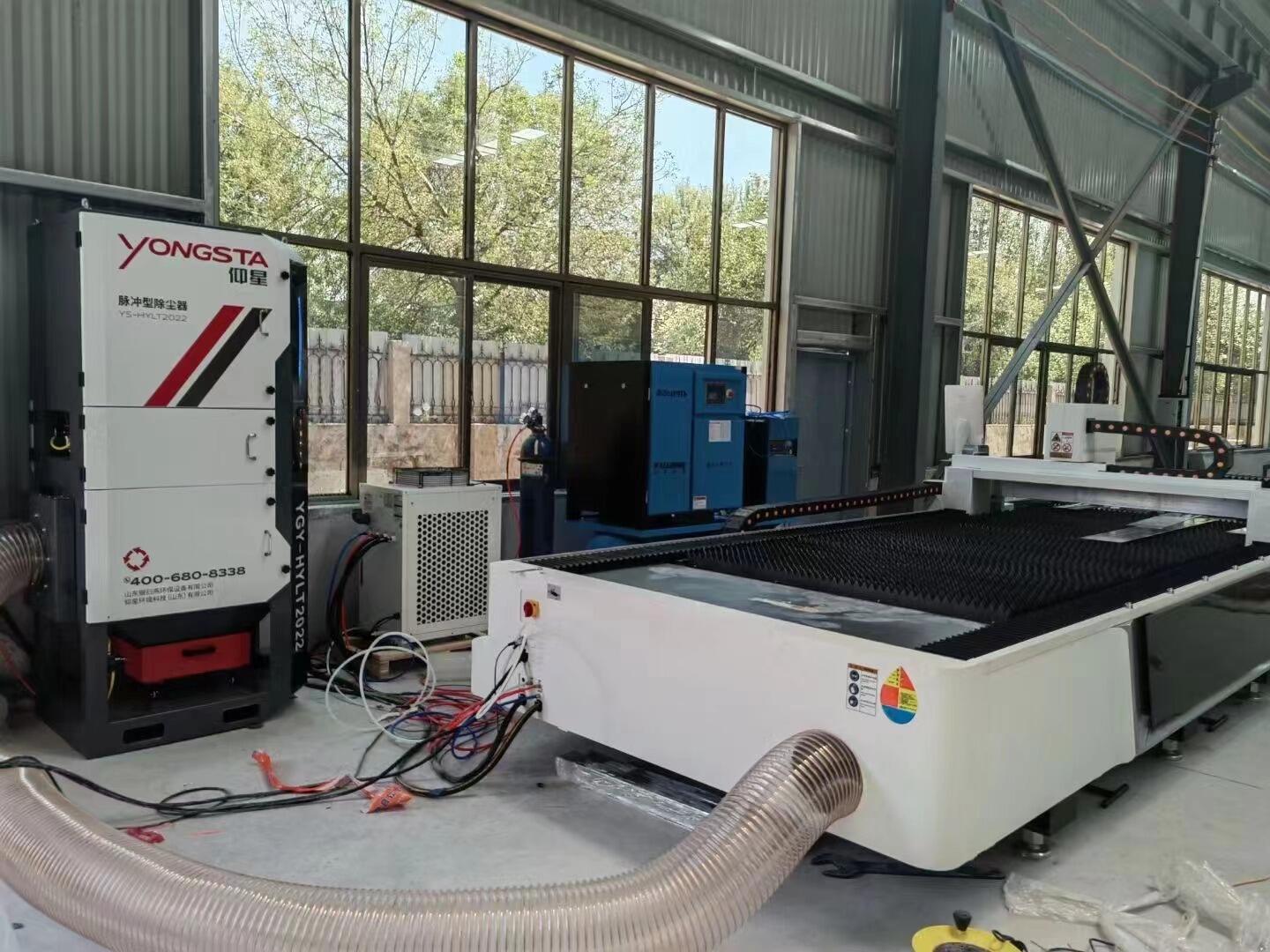
A laser cutter dust collector is an essential industrial filtration system designed to capture and remove harmful particles, fumes, and debris generated during laser cutting operations. This specialized equipment protects both operators and machinery by maintaining clean air quality in the workspace while preventing contamination of precision components. The primary function of a laser cutter dust collector involves drawing contaminated air away from the cutting area through powerful suction, filtering out particulate matter, and returning clean air to the environment. Modern laser cutter dust collector systems incorporate advanced filtration technologies including HEPA filters, activated carbon layers, and pre-filters that work together to trap particles as small as 0.3 microns. These systems typically feature adjustable airflow controls that allow operators to match suction power to specific cutting materials and thicknesses, ensuring optimal performance across diverse applications. The technological features of a laser cutter dust collector include automated filter cleaning mechanisms, real-time monitoring systems that track filter saturation levels, and intelligent controls that adjust operation based on workload demands. Many units incorporate spark arrestor technology to prevent fire hazards when cutting flammable materials, while noise reduction features ensure comfortable working conditions. Applications for laser cutter dust collector systems span numerous industries including metal fabrication, woodworking, acrylic processing, textile cutting, and electronics manufacturing. In metal fabrication shops, these collectors handle heavy smoke and metal particulates from cutting steel, aluminum, and other alloys. Woodworking facilities rely on them to capture fine sawdust and resinous vapors, while acrylic processors use them to eliminate toxic fumes released during cutting operations. The versatility of a laser cutter dust collector makes it indispensable for any operation using CO2 lasers, fiber lasers, or other cutting technologies that generate airborne contaminants.
 ×
×



 EN
EN