Advanced Multi-Stage Filtration Technology Ensures Maximum Contaminant Capture
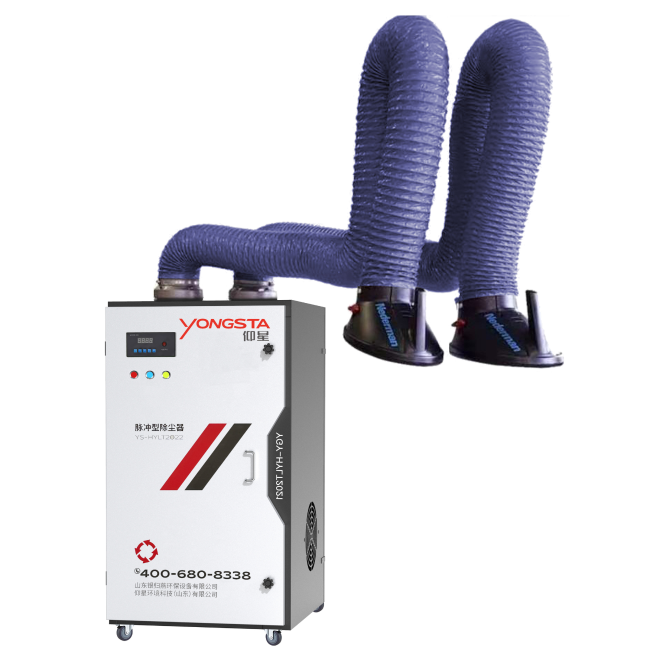
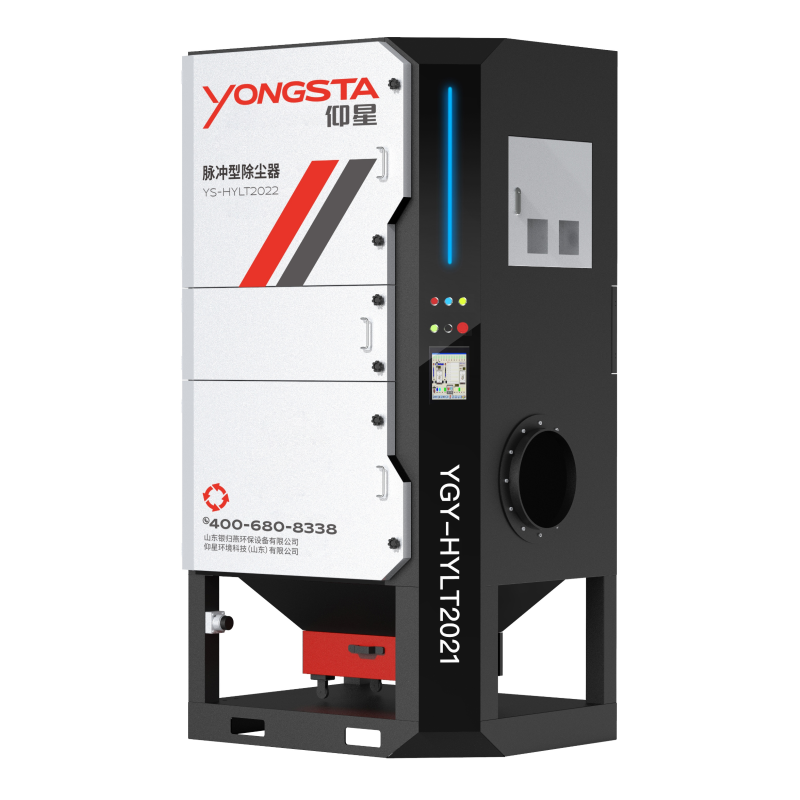
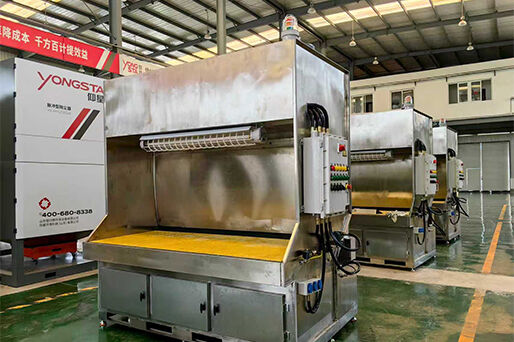
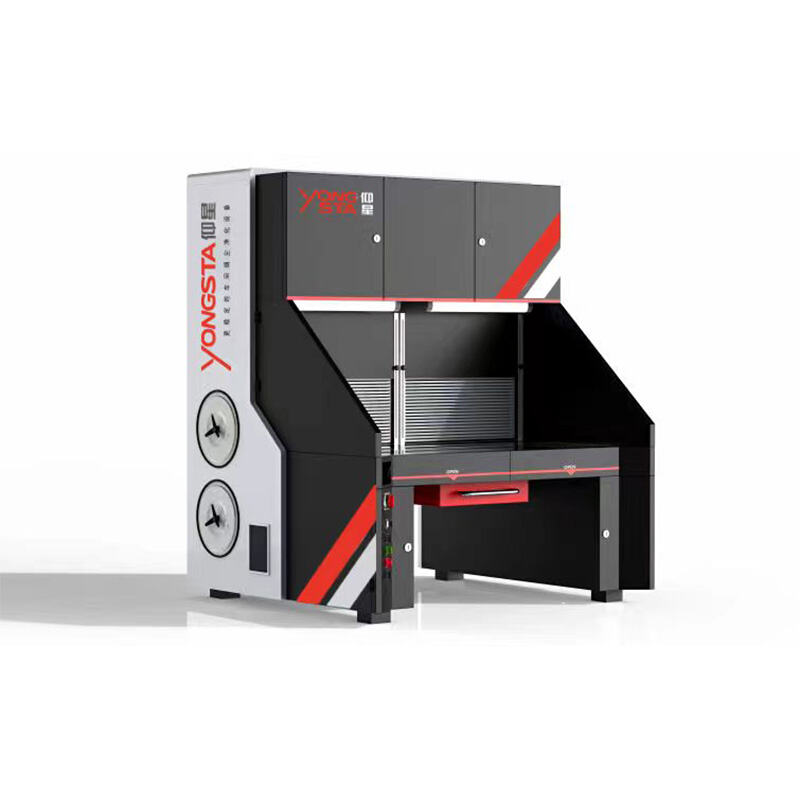
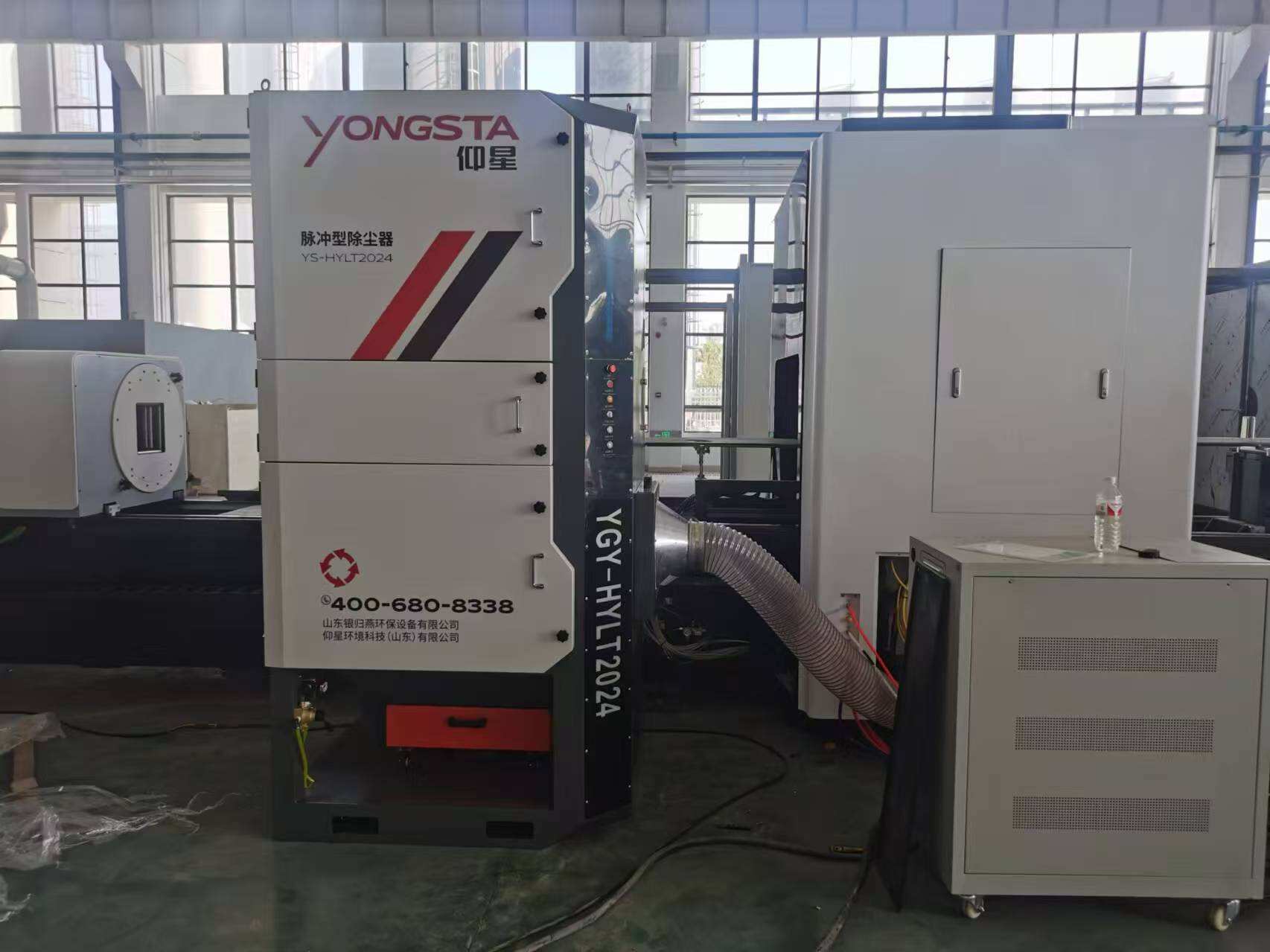
The industrial filtration bench employs sophisticated multi-stage filtration technology that addresses the full spectrum of airborne contaminants encountered in manufacturing environments. This comprehensive approach begins with a pre-filter stage that captures larger particles such as dust, lint, and debris, preventing these materials from clogging the more expensive downstream filters and extending overall system life. The pre-filter typically consists of a washable or replaceable media that can be serviced quickly without specialized tools or training. Following the pre-filter, the industrial filtration bench incorporates either HEPA filters for particulate removal or activated carbon filters for chemical vapor adsorption, depending on the specific application requirements. HEPA filtration removes 99.97 percent of particles as small as 0.3 microns, effectively capturing metal dust, wood particles, composite fibers, and biological contaminants that pose health risks or quality concerns. For operations involving solvents, adhesives, or other volatile organic compounds, activated carbon filters provide the necessary chemical adsorption capacity to remove vapors before they can be inhaled or contaminate products. Some industrial filtration bench configurations combine both HEPA and carbon filtration in series, delivering comprehensive protection against mixed contaminant streams. The filtration media is housed in sealed cartridges that prevent bypass, ensuring all air passes through the filter material rather than leaking around edges. Filter efficiency is maintained throughout the service life through proper sizing and airflow management, with the industrial filtration bench fan system designed to maintain consistent capture velocity even as filters load with contaminants. Advanced models incorporate differential pressure monitoring that tracks filter resistance and alerts operators when replacement is needed, preventing the performance degradation that occurs when filters become oversaturated. The modular filter design used in most industrial filtration bench units allows quick changeouts without tools, minimizing downtime and making maintenance a simple task that production staff can handle without specialized training. Filter disposal is straightforward, with spent filters typically classified as non-hazardous waste unless they have captured specifically regulated materials. The industrial filtration bench filtration system operates quietly, typically producing sound levels below 65 decibels, which allows normal conversation and does not contribute to workplace noise fatigue. Energy consumption is optimized through variable speed fan controls that adjust airflow to match the contamination level, reducing electricity costs during periods of light use while maintaining full protection when needed.
 ×
×



 EN
EN