Advanced Multi-Stage Filtration Technology
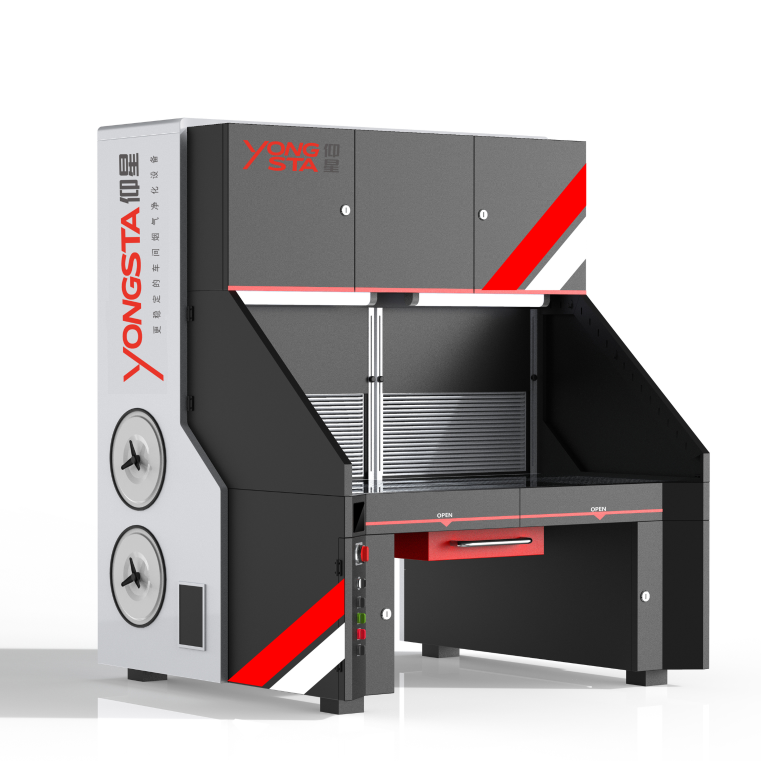
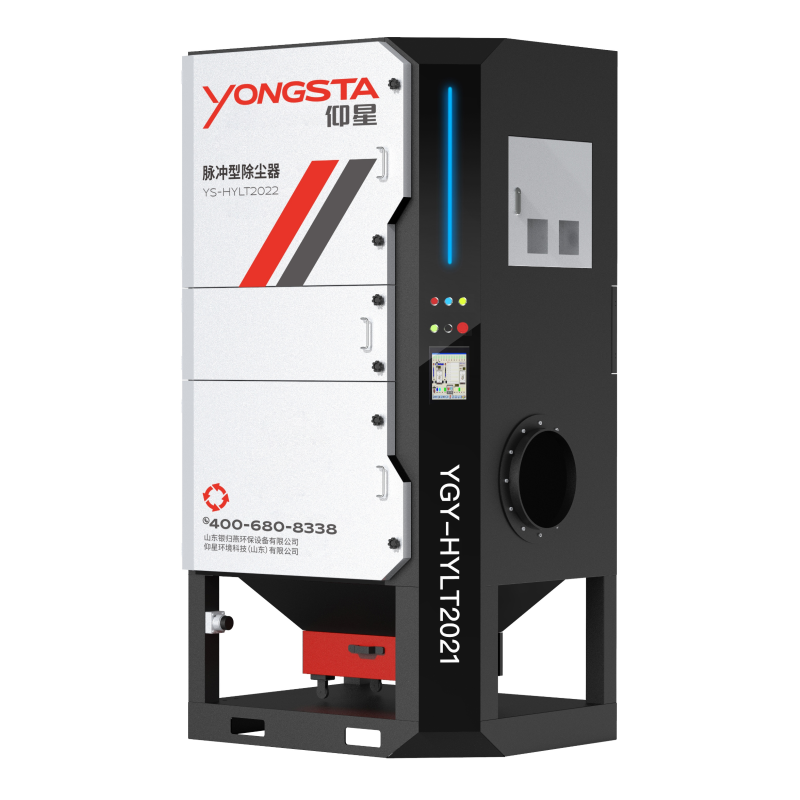
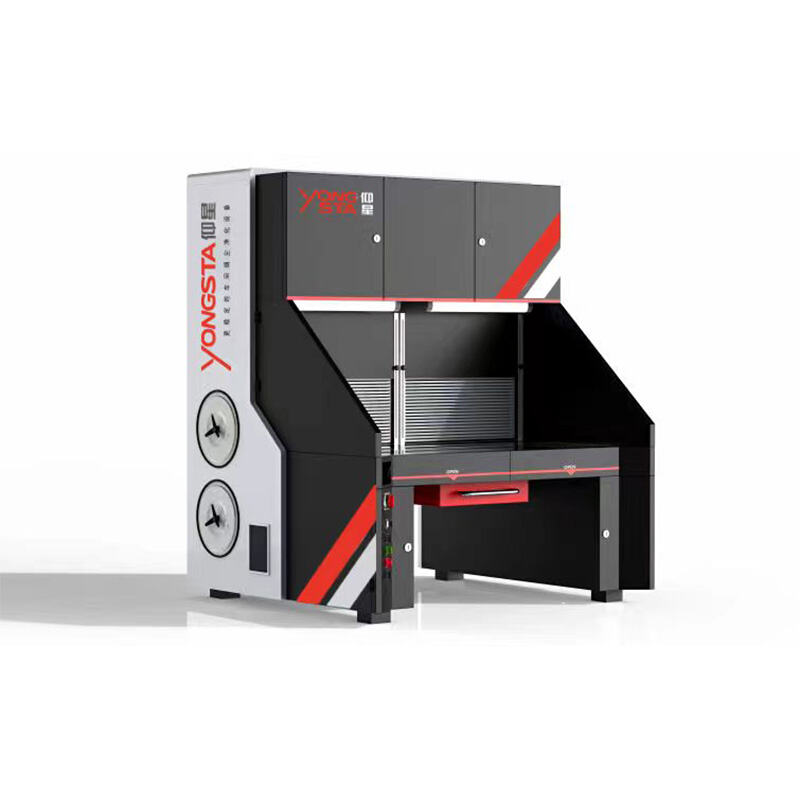
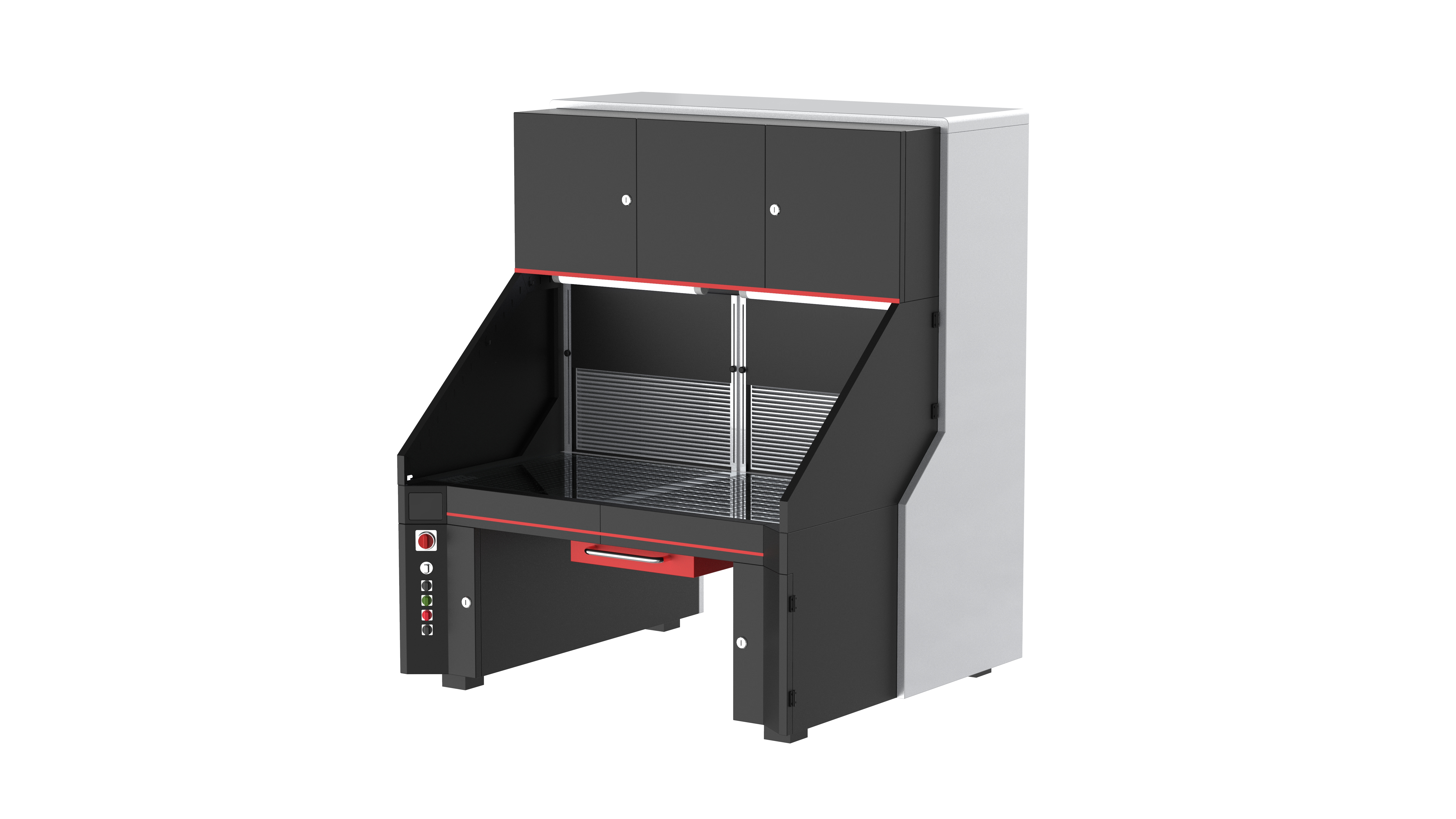
The industrial filter bench incorporates sophisticated multi-stage filtration systems that address the complex challenge of capturing diverse contaminant types generated in modern manufacturing environments. The first stage typically employs a pre-filter designed to trap larger particles such as metal shavings, wood chips, or textile fibers, preventing these materials from clogging downstream filtration media and extending overall system life. This initial barrier captures particles as small as ten microns, removing the bulk of visible contaminants before air proceeds to finer filtration stages. The second stage utilizes high-efficiency particulate air filters, commonly known as HEPA filters, which capture ninety-nine point ninety-seven percent of particles measuring zero point three microns or larger. This level of filtration proves essential for applications involving fine dust from composite materials, pharmaceutical powders, or metal oxides that pose serious inhalation risks. The HEPA stage protects workers from submicron particles that penetrate deep into lung tissue, causing inflammation and potential long-term damage. For applications involving chemical vapors, solvents, or odorous compounds, the industrial filter bench includes an activated carbon filtration stage that adsorbs gaseous contaminants through chemical bonding. The porous structure of activated carbon provides an enormous surface area for contaminant capture, with a single gram of material offering up to three thousand square meters of adsorption sites. This stage proves particularly valuable in electronics manufacturing where flux fumes from soldering operations contain rosin acids and other volatile organic compounds. The carbon filter neutralizes these substances, preventing them from recirculating into the workspace or escaping into the broader facility. Some advanced industrial filter bench models incorporate specialized chemical filters designed for specific contaminants such as formaldehyde, ammonia, or acid gases, providing targeted protection for unique industrial processes. The filtration system operates under negative pressure, ensuring that contaminated air flows into the bench rather than escaping into the surrounding environment, a critical safety feature that maintains containment even if operators position materials near the edge of the work surface. Filter monitoring systems alert operators when filtration media approaches saturation, preventing breakthrough conditions where contaminants pass through exhausted filters. This proactive maintenance approach ensures consistent protection and prevents the false sense of security that comes from operating equipment with compromised filtration capacity.
 ×
×



 EN
EN