metalworking dust collector
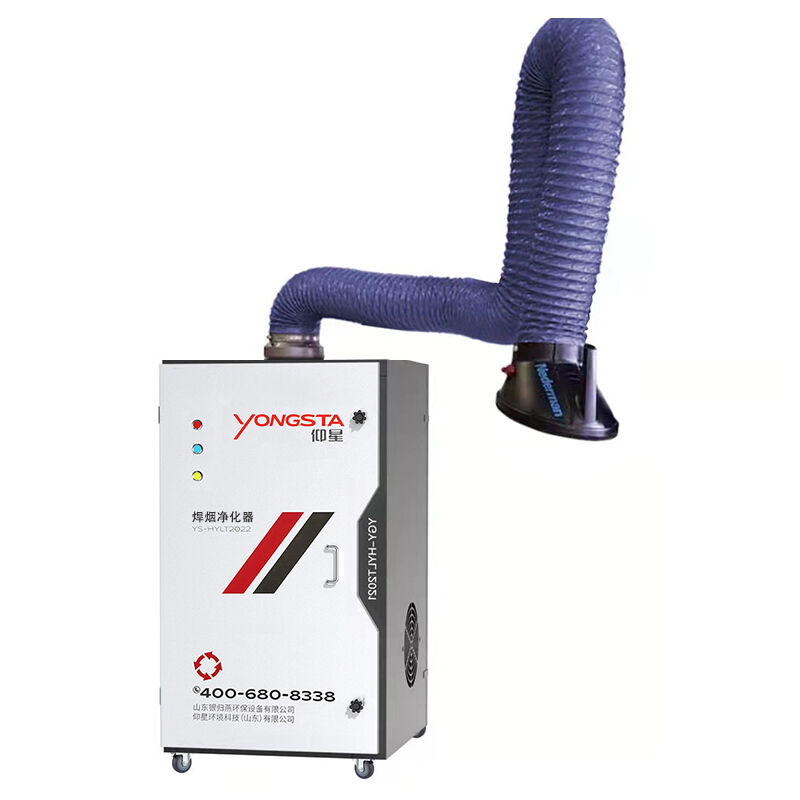
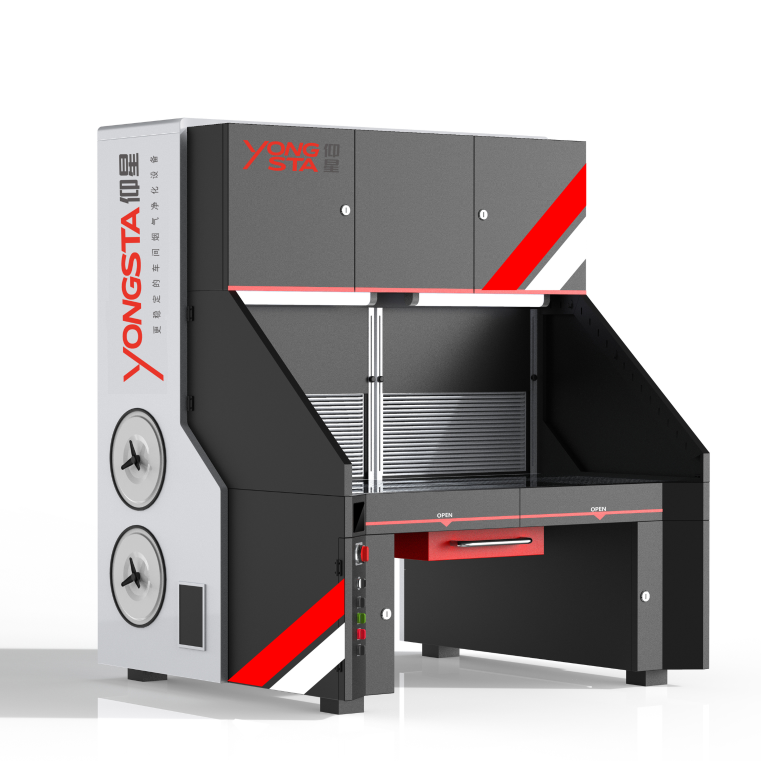
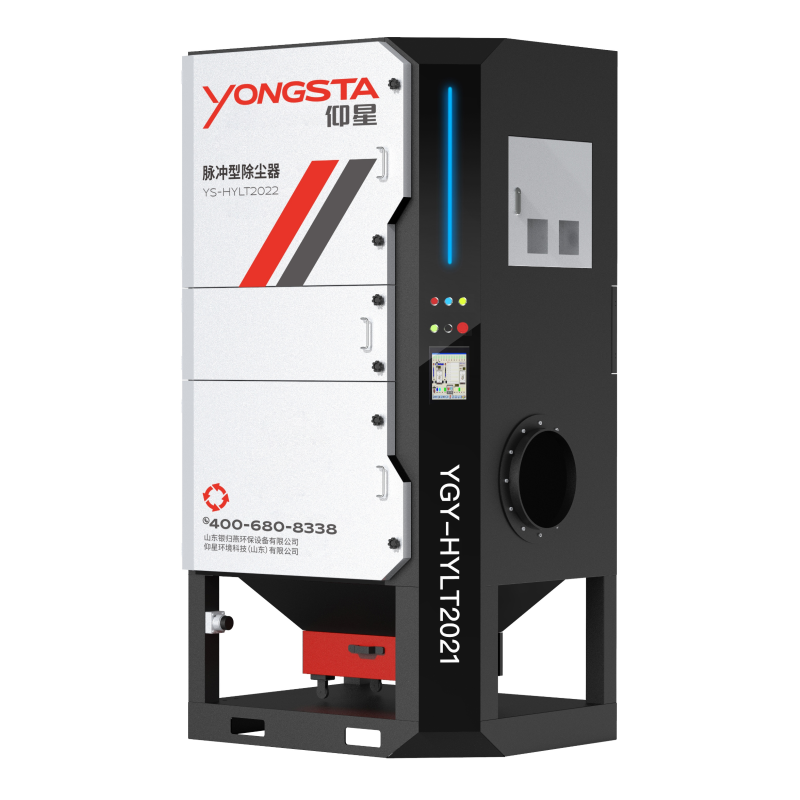
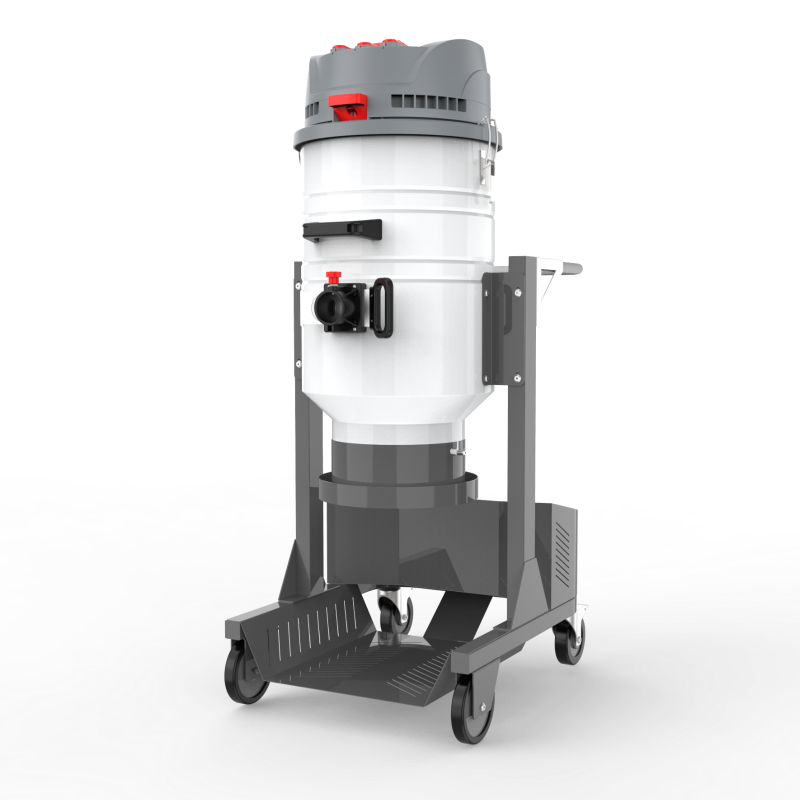
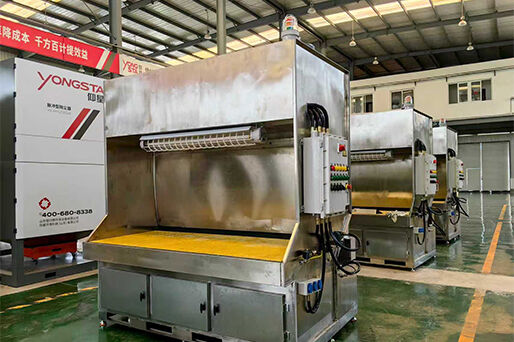
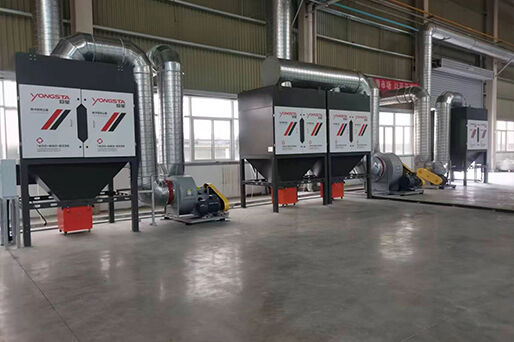
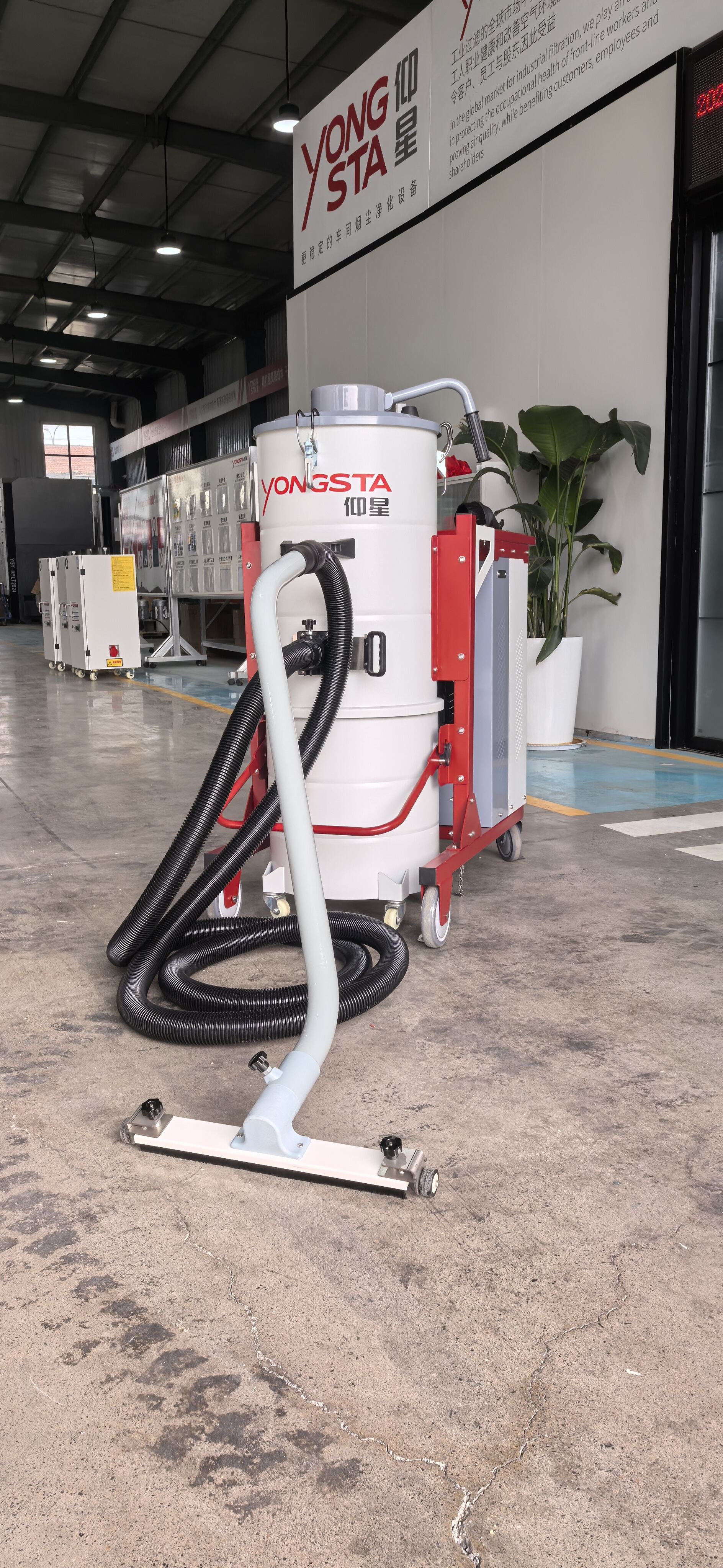
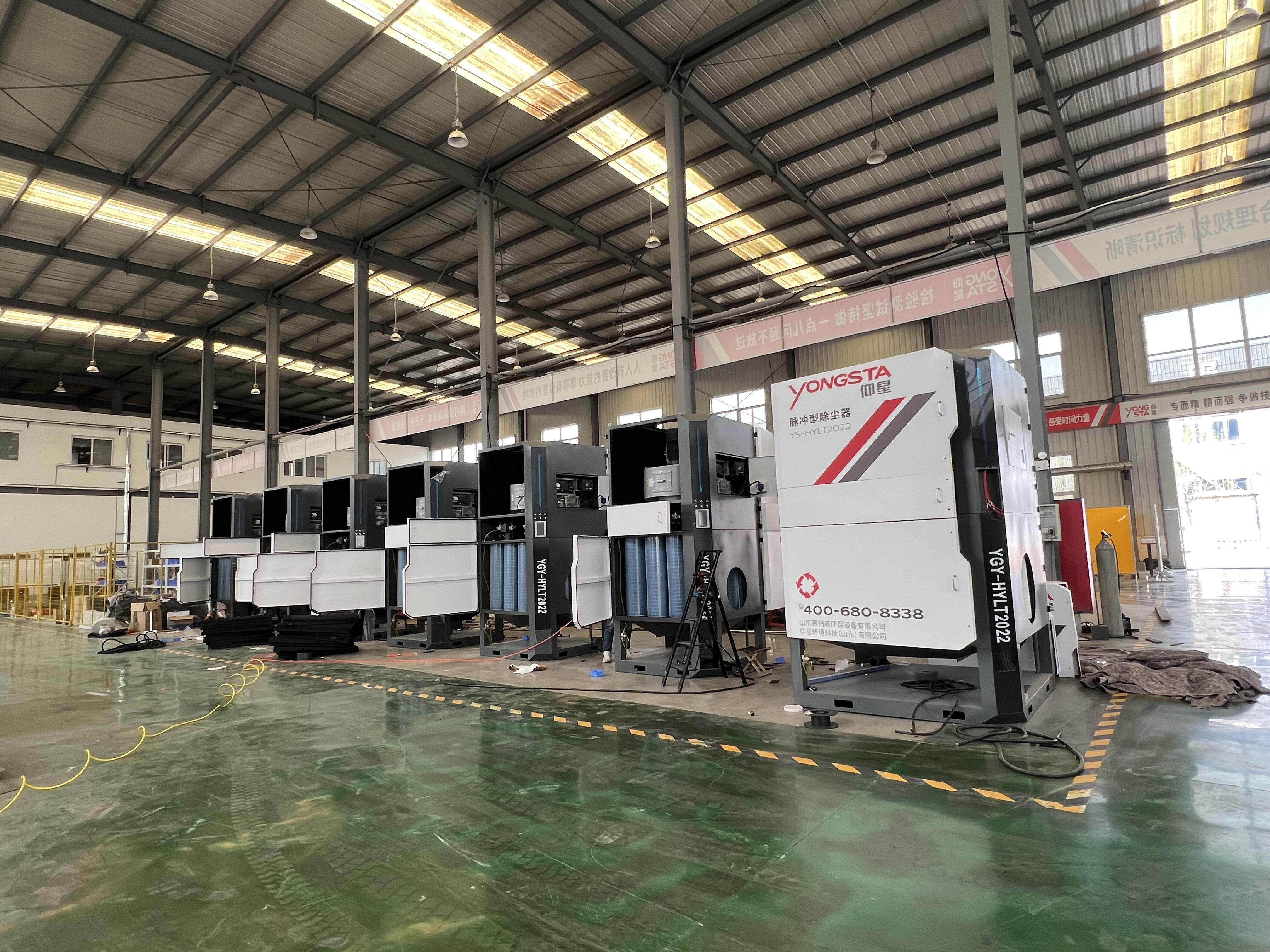
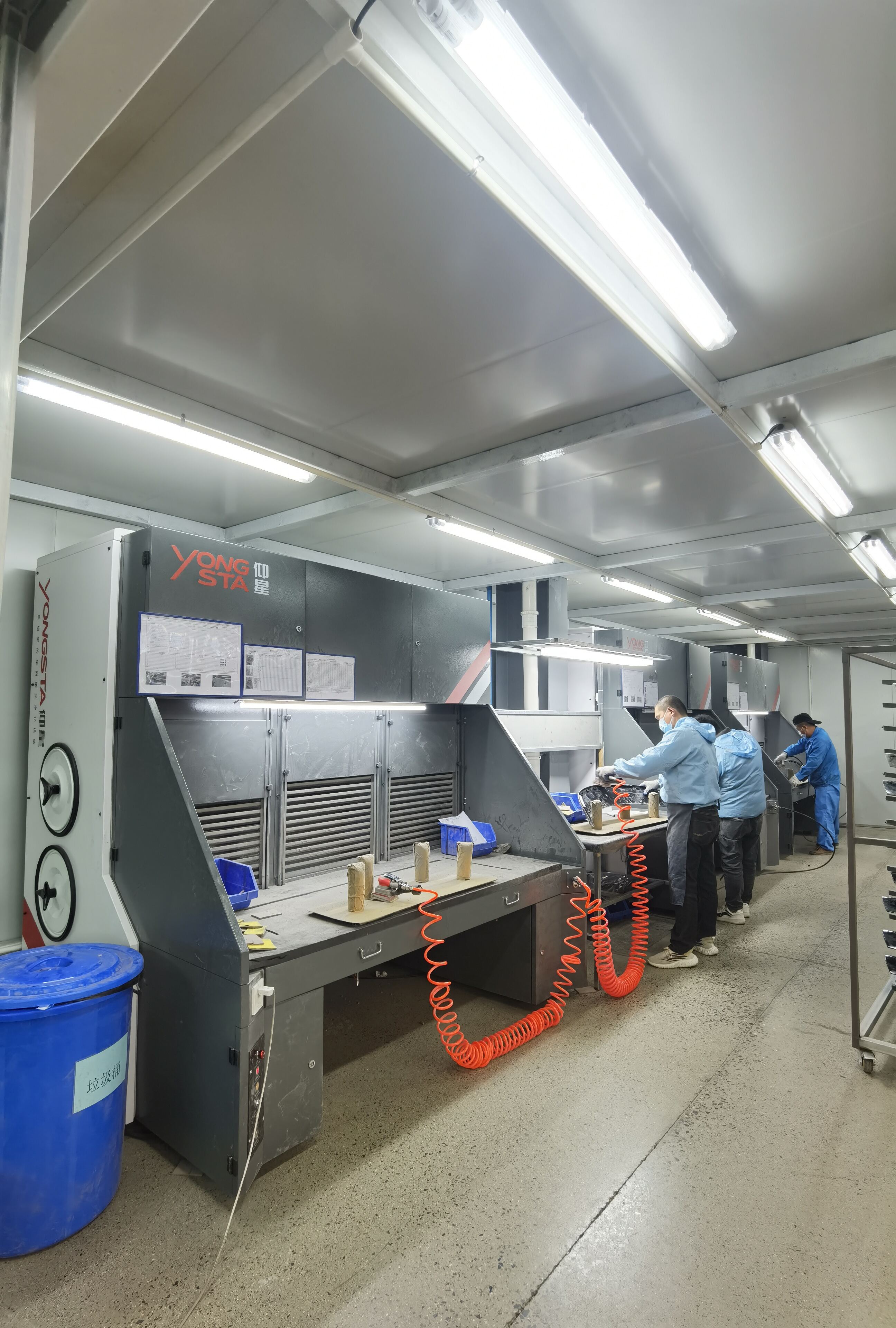
A metalworking dust collector is an essential industrial air filtration system designed to capture and remove harmful metal particles, fumes, smoke, and fine dust generated during various metal fabrication processes. This specialized equipment plays a critical role in maintaining clean air quality within manufacturing facilities where cutting, grinding, welding, polishing, and other metalworking operations take place. The primary function of a metalworking dust collector involves extracting contaminated air from the work area through powerful suction, filtering out dangerous particulates, and returning clean air back into the workspace or exhausting it safely outdoors. These systems typically consist of several key components including intake hoods or arms positioned near the dust source, a network of ductwork for air transport, high-efficiency filtration media, a powerful fan or blower unit, and a collection container for accumulated debris. Modern metalworking dust collector units incorporate advanced filtration technologies such as cartridge filters, baghouse systems, or HEPA filtration depending on the specific particle size and volume requirements. The technological features of these systems include automated pulse-jet cleaning mechanisms that periodically shake or reverse-blow the filters to maintain optimal airflow and prevent clogging. Many units feature variable frequency drives that allow operators to adjust suction power based on current production demands, resulting in energy savings. Safety interlocks and spark detection systems are commonly integrated to prevent fire hazards when collecting combustible metal dusts like aluminum or magnesium. Applications for metalworking dust collector systems span across numerous industries including automotive manufacturing, aerospace component production, metal fabrication shops, steel mills, foundries, machine shops, and any facility where metal processing generates airborne contaminants. These collectors effectively handle various materials including steel, aluminum, brass, copper, titanium, and other alloy particles, protecting both worker health and expensive machinery from abrasive dust accumulation while ensuring regulatory compliance with occupational safety standards.
 ×
×



 EN
EN