Industrial Dust Collection for Abrasive Blasting Systems - Complete Protection Solutions

Get a Free Quote

Our representative will contact you soon.
Email
Name
Company Name
Message
0/1000

dust collection for abrasive blasting

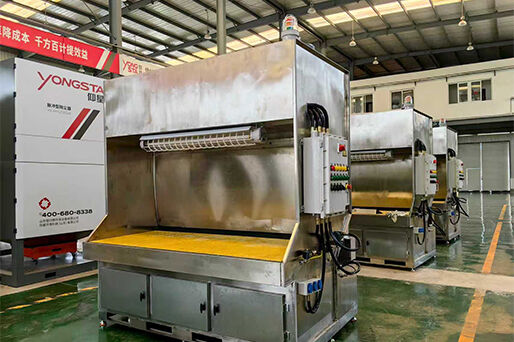
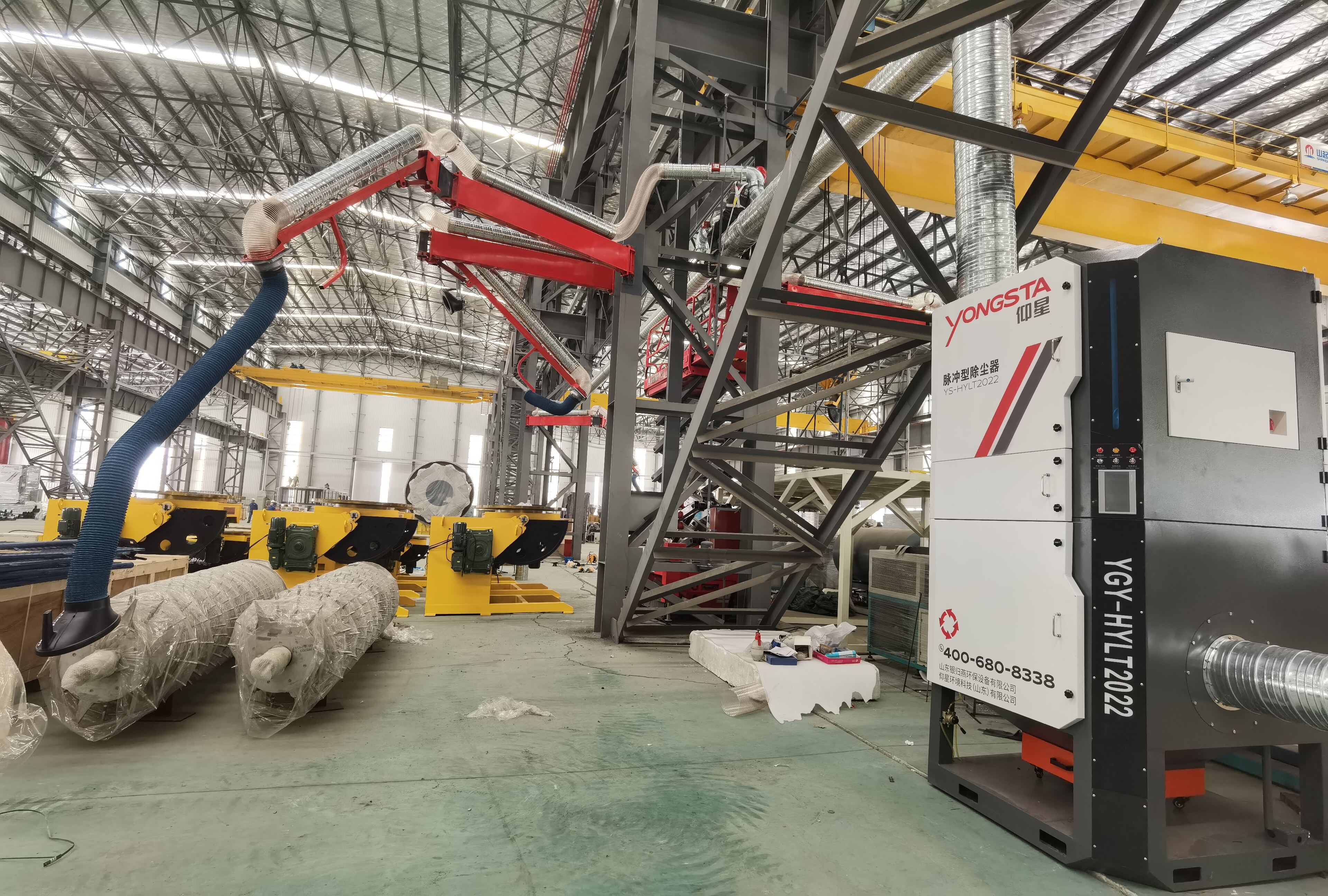
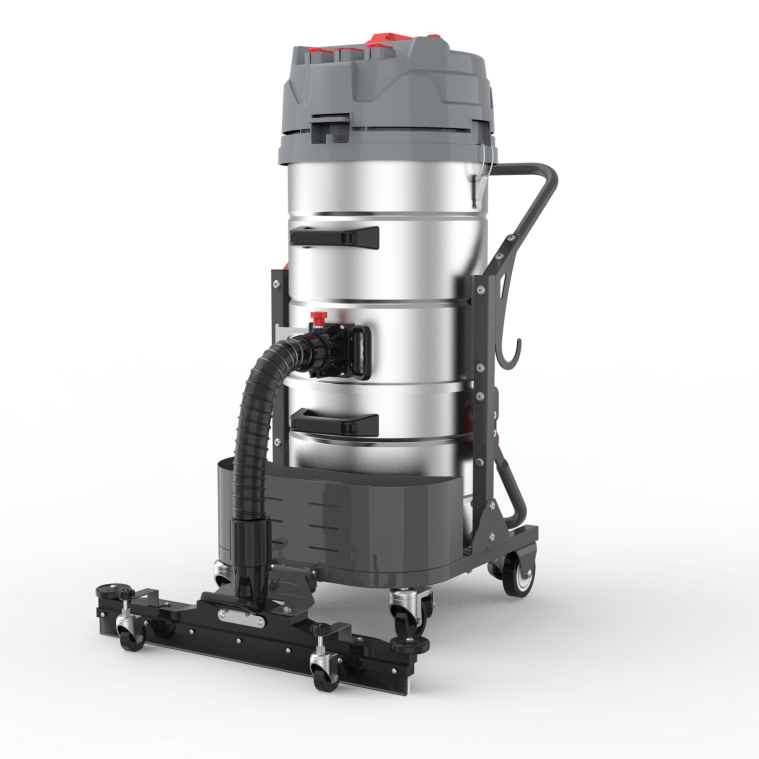
Dust collection for abrasive blasting represents a critical safety and efficiency system designed to capture, filter, and contain hazardous particulate matter generated during surface preparation operations. This specialized equipment addresses the substantial volumes of airborne contaminants produced when abrasive materials strike surfaces at high velocity, creating clouds of fine dust particles that pose serious health risks and environmental concerns. The primary function of dust collection for abrasive blasting involves extracting contaminated air from the work area, passing it through sophisticated filtration media, and returning clean air to the environment while safely containing collected debris. Modern systems integrate powerful suction mechanisms with multi-stage filtration technology, ensuring comprehensive particle capture across various size ranges from coarse grit to submicron dust. These systems serve multiple essential purposes: protecting worker respiratory health by maintaining air quality below permissible exposure limits, preventing environmental contamination by containing hazardous materials like lead paint residue or silica dust, improving visibility within blast chambers or containment areas to enhance work quality, and ensuring regulatory compliance with occupational safety standards and environmental protection requirements. Technological features of dust collection for abrasive blasting include variable-speed fans that adjust airflow based on operational demands, pulse-jet cleaning mechanisms that automatically dislodge accumulated filter cake to maintain consistent performance, differential pressure monitoring that signals when filter maintenance becomes necessary, and explosion-proof construction for operations involving combustible dust. Applications span diverse industries including shipbuilding and marine maintenance where rust and old coatings require removal, automotive restoration requiring precision surface preparation, aerospace manufacturing demanding contamination-free environments, industrial equipment refurbishment, bridge and infrastructure maintenance, and manufacturing facilities performing routine surface treatment. The versatility of dust collection for abrasive blasting makes it indispensable across operations ranging from small portable units for field work to massive centralized systems serving multiple blast rooms in production facilities.

Popular Products

Implementing dust collection for abrasive blasting delivers transformative benefits that directly impact operational efficiency, worker safety, and bottom-line profitability. The most immediate advantage involves dramatic improvement in workplace air quality, as these systems continuously remove harmful particulates that would otherwise accumulate in breathing zones, reducing respiratory illness risks and creating healthier working conditions that boost employee morale and retention. Workers operating in environments equipped with effective dust collection for abrasive blasting experience significantly less fatigue because they breathe cleaner air throughout their shifts, leading to sustained productivity and fewer health-related absences. Beyond health protection, these systems substantially enhance visibility within work areas by eliminating the dense dust clouds that typically obscure surfaces during blasting operations, allowing operators to see their work clearly and achieve superior finish quality with fewer passes and less material waste. This improved visibility translates directly into faster project completion times and reduced abrasive consumption, generating measurable cost savings. Dust collection for abrasive blasting also protects expensive equipment from premature wear by preventing abrasive particles from infiltrating mechanical components, electrical systems, and control panels, extending equipment lifespan and reducing maintenance frequency. The containment capabilities prevent costly cleanup operations that would otherwise be necessary to remove settled dust from surrounding areas, floors, and adjacent workspaces, saving substantial labor hours. Regulatory compliance represents another critical advantage, as dust collection for abrasive blasting helps facilities meet stringent occupational exposure limits established by safety agencies, avoiding potential fines, work stoppages, and legal liabilities associated with inadequate dust control. Companies demonstrating commitment to worker protection through proper dust collection systems often find it easier to attract skilled labor and maintain positive relationships with regulatory inspectors. Environmental stewardship benefits include preventing fugitive emissions that could contaminate surrounding properties or waterways, particularly important when removing coatings containing heavy metals or other hazardous substances. Modern dust collection for abrasive blasting systems incorporate features that facilitate material recovery, allowing operators to reclaim and reuse abrasive media, reducing both material costs and disposal expenses. The enclosed nature of properly designed systems also reduces noise transmission to surrounding areas, addressing another common workplace concern. Investment in quality dust collection for abrasive blasting demonstrates corporate responsibility, enhances company reputation, and can provide competitive advantages when bidding on projects with strict environmental and safety requirements. The operational flexibility these systems provide allows facilities to undertake a broader range of projects, including those involving hazardous materials that would be impossible to handle safely without adequate dust control, expanding business opportunities and revenue potential.

Latest News

Yongsta R&D Team Wins 3 Dust Removal Technology Patents, Leading Industry Innovation

09

Apr

Yongsta R&D Team Wins 3 Dust Removal Technology Patents, Leading Industry Innovation

View More
Yongsta Cooperates with TUV for ATEX Explosion-Proof Certification, Explosion-Proof Dust Collector to Be Launched Soon

09

Apr

Yongsta Cooperates with TUV for ATEX Explosion-Proof Certification, Explosion-Proof Dust Collector to Be Launched Soon

View More
Empowering Benchmark Manufacturing! Yongsta Cartridge Dust Collector Aids Siemens Transformer China Factory's Dust Removal Renovation and Gains High Recognition

09

Apr

Empowering Benchmark Manufacturing! Yongsta Cartridge Dust Collector Aids Siemens Transformer China Factory's Dust Removal Renovation and Gains High Recognition

View More

Get a Free Quote

Our representative will contact you soon.
Email
Name
Company Name
Message
0/1000

dust collection for abrasive blasting

Advanced Filtration Technology Ensures Maximum Particle Capture

Advanced Filtration Technology Ensures Maximum Particle Capture

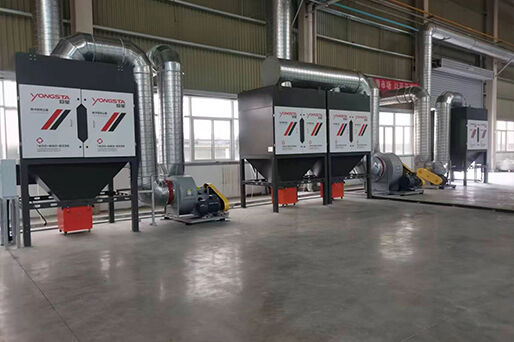
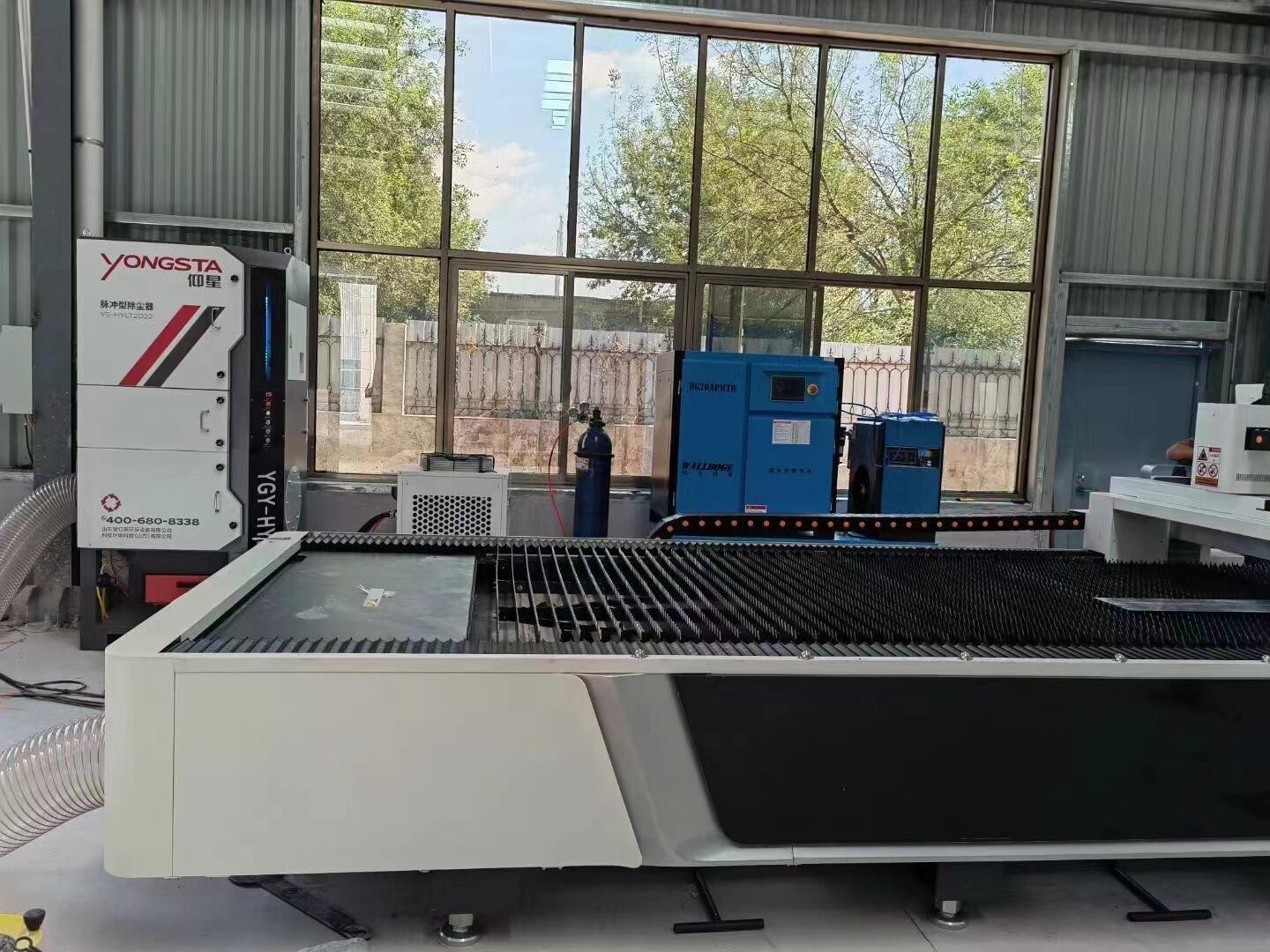
The filtration capabilities of dust collection for abrasive blasting represent the cornerstone of system effectiveness, employing sophisticated multi-stage designs that capture particles across the entire size spectrum generated during surface preparation operations. High-efficiency cartridge filters or baghouse configurations form the primary filtration barrier, utilizing specially engineered media with precise pore structures that trap particles as small as 0.3 microns while maintaining adequate airflow to sustain blasting operations. These filters achieve capture efficiencies exceeding 99.9 percent for respirable particles, the most dangerous size range that can penetrate deep into lung tissue and cause long-term health damage. The surface area of modern filter elements has expanded dramatically through pleated designs and extended cartridge lengths, providing substantially more filtration capacity within compact footprints compared to older technology. Dust collection for abrasive blasting systems incorporate automated pulse-jet cleaning mechanisms that periodically release compressed air bursts to dislodge accumulated dust cake from filter surfaces, maintaining consistent airflow and preventing the performance degradation that plagued earlier designs. This self-cleaning capability extends filter service life significantly, reducing replacement frequency and associated downtime while maintaining optimal capture efficiency throughout the operational cycle. The filter media itself represents advanced materials engineering, with treatments that enhance dust release characteristics, resist moisture absorption that could cause blinding, and withstand the abrasive nature of the particle stream without premature failure. Differential pressure sensors continuously monitor the resistance across filter banks, providing operators with real-time performance data and predictive maintenance alerts before filtration efficiency declines. Some dust collection for abrasive blasting configurations incorporate pre-filters or cyclonic separators that remove larger particles before they reach primary filters, extending main filter life and reducing overall operating costs. The modular nature of contemporary filter designs allows facilities to scale capacity by adding filter banks as production demands increase, protecting initial investment while accommodating growth. Proper filter selection based on specific abrasive types, coating materials being removed, and operational intensity ensures optimal performance, with manufacturers offering specialized media formulations for challenging applications involving sticky residues, high-temperature operations, or chemically aggressive dusts. The contained filter change process in modern dust collection for abrasive blasting systems protects maintenance personnel from exposure during replacement procedures, with sealed housings and bag-in-bag-out designs that prevent dust release when installing fresh elements.
Powerful Airflow Management Maintains Optimal Operating Conditions

Powerful Airflow Management Maintains Optimal Operating Conditions

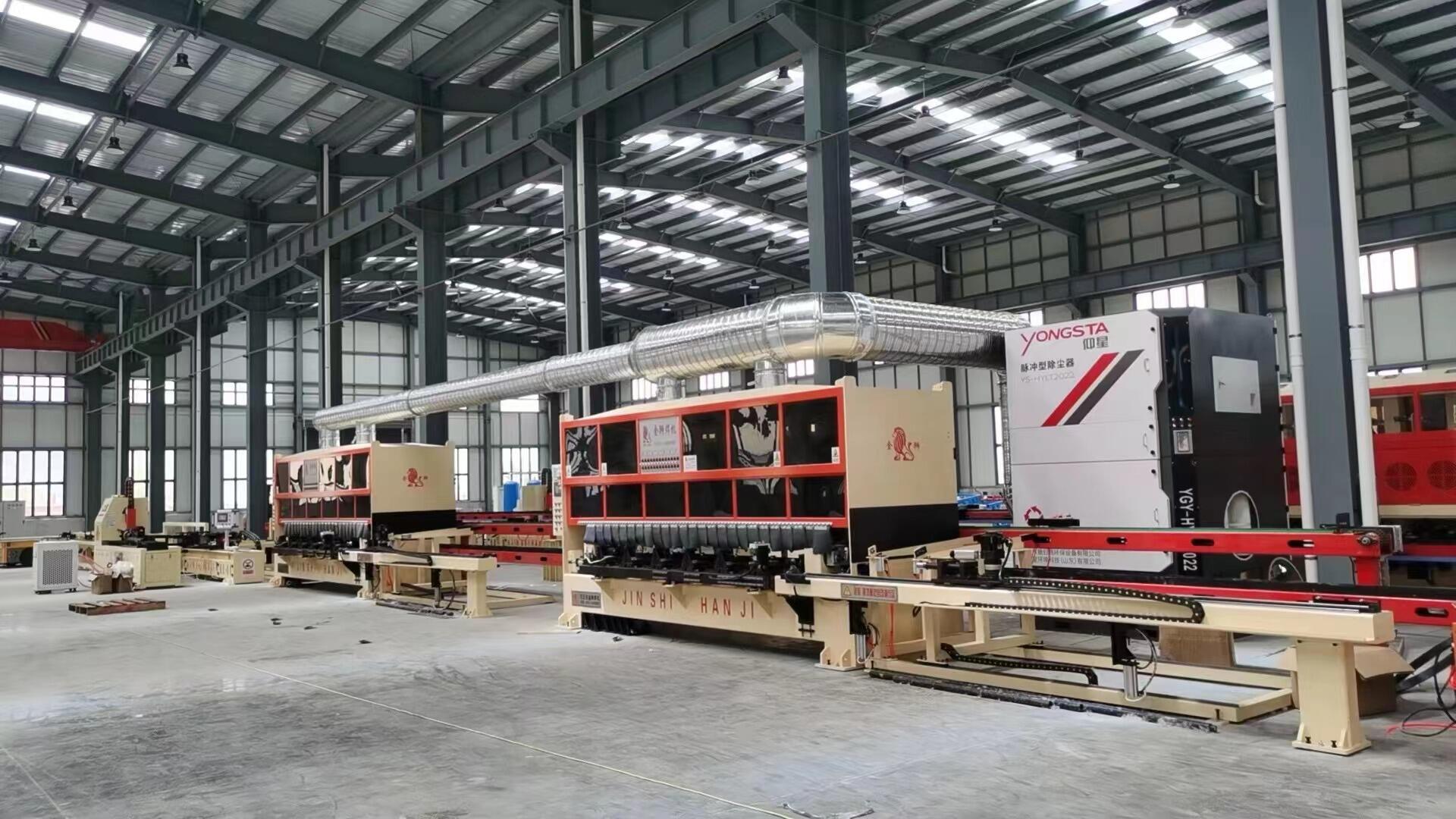
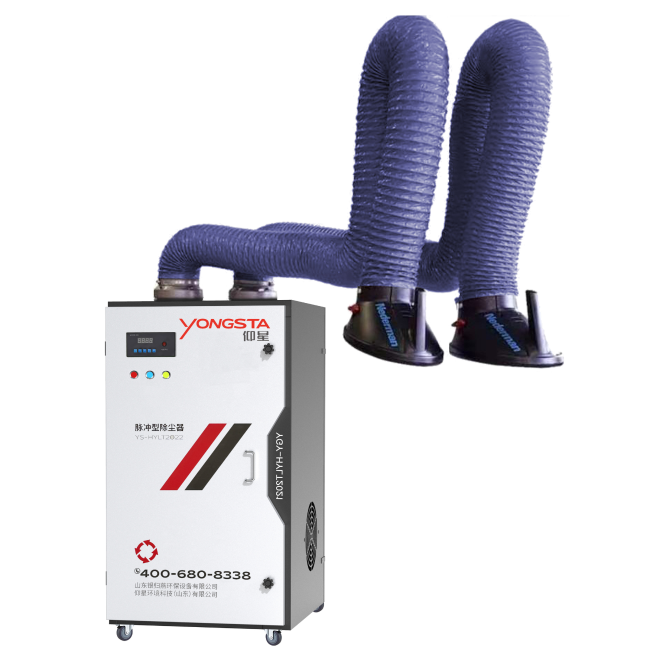
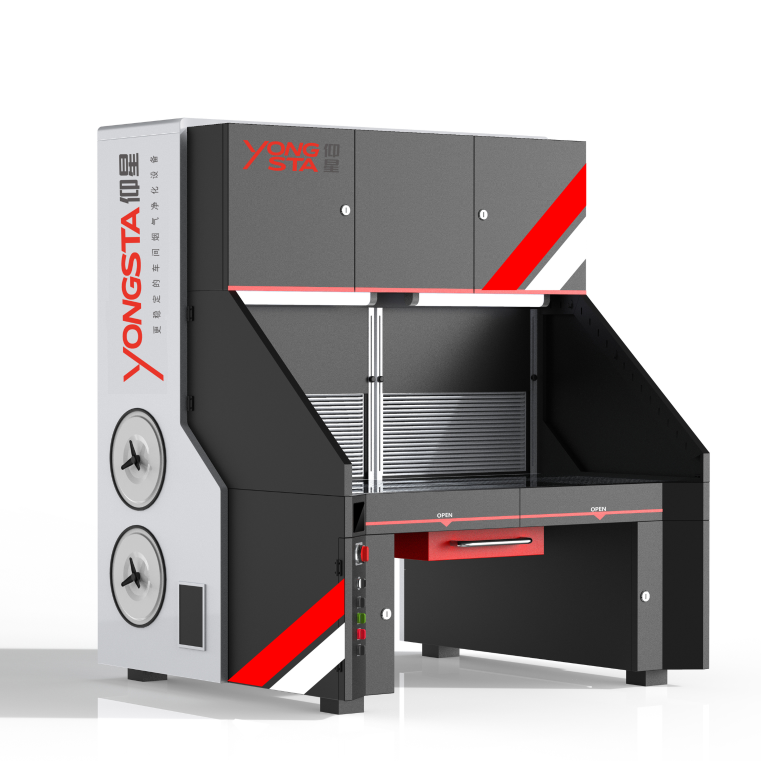
Effective dust collection for abrasive blasting depends fundamentally on generating and managing sufficient airflow to capture particles at their source and transport them to filtration systems before they escape into the broader work environment. Industrial-grade fans engineered specifically for dust-laden air streams provide the motive force, with designs that resist erosion from particle impact and maintain performance despite the challenging operating conditions inherent to abrasive blasting environments. Variable frequency drives on modern dust collection for abrasive blasting systems allow precise airflow adjustment to match specific operational requirements, reducing energy consumption during lighter-duty work while providing maximum extraction capacity when tackling heavy production runs or particularly dusty materials. This adaptability ensures optimal capture velocity at pickup points without excessive air movement that could waste energy or disturb blast patterns. Strategic placement of collection hoods, downdraft tables, or blast cabinet exhaust connections creates negative pressure zones that draw contaminated air away from operator breathing zones and toward filtration equipment. The ductwork design connecting collection points to central filtration units requires careful engineering to maintain transport velocity that prevents particle settling while minimizing pressure losses that would reduce overall system effectiveness. Smooth transitions, appropriate duct sizing, and minimal bend angles all contribute to efficient dust collection for abrasive blasting performance. Blast cabinet applications benefit from integrated systems where the enclosure itself functions as the primary containment, with exhaust connections sized to create complete air changes at rates sufficient to maintain visibility and prevent dust accumulation on internal surfaces. Portable dust collection for abrasive blasting units designed for field applications incorporate flexible hose connections that allow operators to position extraction points near work areas while maintaining adequate capture velocity despite the inherent pressure losses in flexible ducting. Airflow monitoring capabilities provide operators with confirmation that systems function within design parameters, with alarms alerting to conditions like filter overloading or fan belt failure that could compromise protection. The balanced approach to airflow management in quality dust collection for abrasive blasting systems ensures adequate capture without creating excessive negative pressure that could interfere with blast nozzle performance or material feed rates. Computational fluid dynamics modeling during system design optimizes air distribution patterns, eliminating dead zones where dust might accumulate and ensuring uniform collection across entire work areas. Energy recovery features in some advanced dust collection for abrasive blasting installations capture heat from compressed air systems or return air streams, reducing facility heating costs and improving overall operational efficiency.
Robust Construction Delivers Reliable Long-Term Performance

Robust Construction Delivers Reliable Long-Term Performance

The demanding nature of abrasive blasting environments requires dust collection for abrasive blasting equipment built to withstand continuous exposure to harsh conditions that would quickly degrade lesser systems. Heavy-gauge steel construction forms the foundation of durable collector housings, with reinforced panels and structural supports that resist vibration, impact, and the constant stress of high-velocity air movement carrying abrasive particles. Protective coatings and corrosion-resistant materials extend service life in environments where moisture, chemical exposure, or outdoor installation might otherwise cause premature deterioration. The fan assemblies in industrial dust collection for abrasive blasting systems feature wear-resistant impeller designs, often with replaceable wear plates or coatings that protect base metal from erosive particle impact, ensuring years of reliable operation before major component replacement becomes necessary. Sealed bearing assemblies with appropriate lubrication systems prevent contamination that could cause premature failure, while vibration monitoring detects developing imbalances before they result in catastrophic breakdowns. Electrical components receive appropriate environmental protection ratings, with sealed enclosures preventing dust infiltration into control panels, motor windings, and sensor housings that could cause shorts or malfunctions. Explosion-proof construction options address safety requirements in facilities handling combustible dusts, with appropriate certifications ensuring compliance with electrical codes for hazardous locations. The accessibility of maintenance points represents another critical design consideration in quality dust collection for abrasive blasting systems, with strategically placed access doors, inspection ports, and service platforms that allow technicians to perform routine maintenance efficiently without extensive disassembly. Modular component design facilitates repairs by allowing replacement of individual elements rather than entire assemblies, reducing spare parts inventory requirements and minimizing downtime when service becomes necessary. Comprehensive documentation including maintenance schedules, parts lists, and troubleshooting guides supports long-term serviceability, helping facilities maximize return on investment through extended equipment life. The integration capabilities of modern dust collection for abrasive blasting systems allow connection to facility monitoring networks, providing remote performance data, predictive maintenance alerts, and operational analytics that support proactive management strategies. Quality manufacturers back their dust collection for abrasive blasting equipment with substantial warranties and responsive technical support, recognizing that system reliability directly impacts customer productivity and safety. The total cost of ownership for well-engineered systems proves substantially lower than cheaper alternatives that require frequent repairs, premature replacement, or fail to deliver adequate protection, making initial investment in robust dust collection for abrasive blasting equipment a sound financial decision that pays dividends throughout the equipment lifecycle.

Get a Free Quote

Our representative will contact you soon.
Email
Name
Company Name
Message
0/1000
email goToTop