Industrial Air Filtration System Solutions - Advanced Clean Air Technology for Manufacturing

Get a Free Quote

Our representative will contact you soon.
Email
Name
Company Name
Message
0/1000

industrial air filtration system

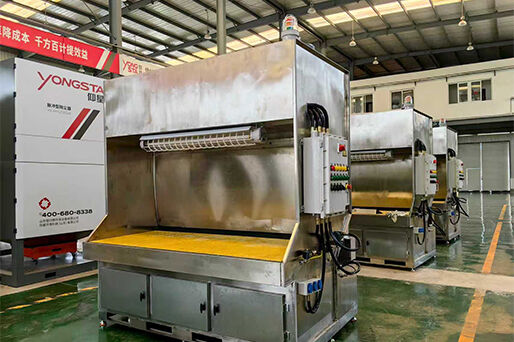
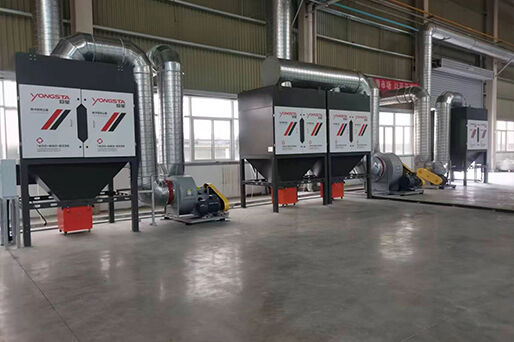
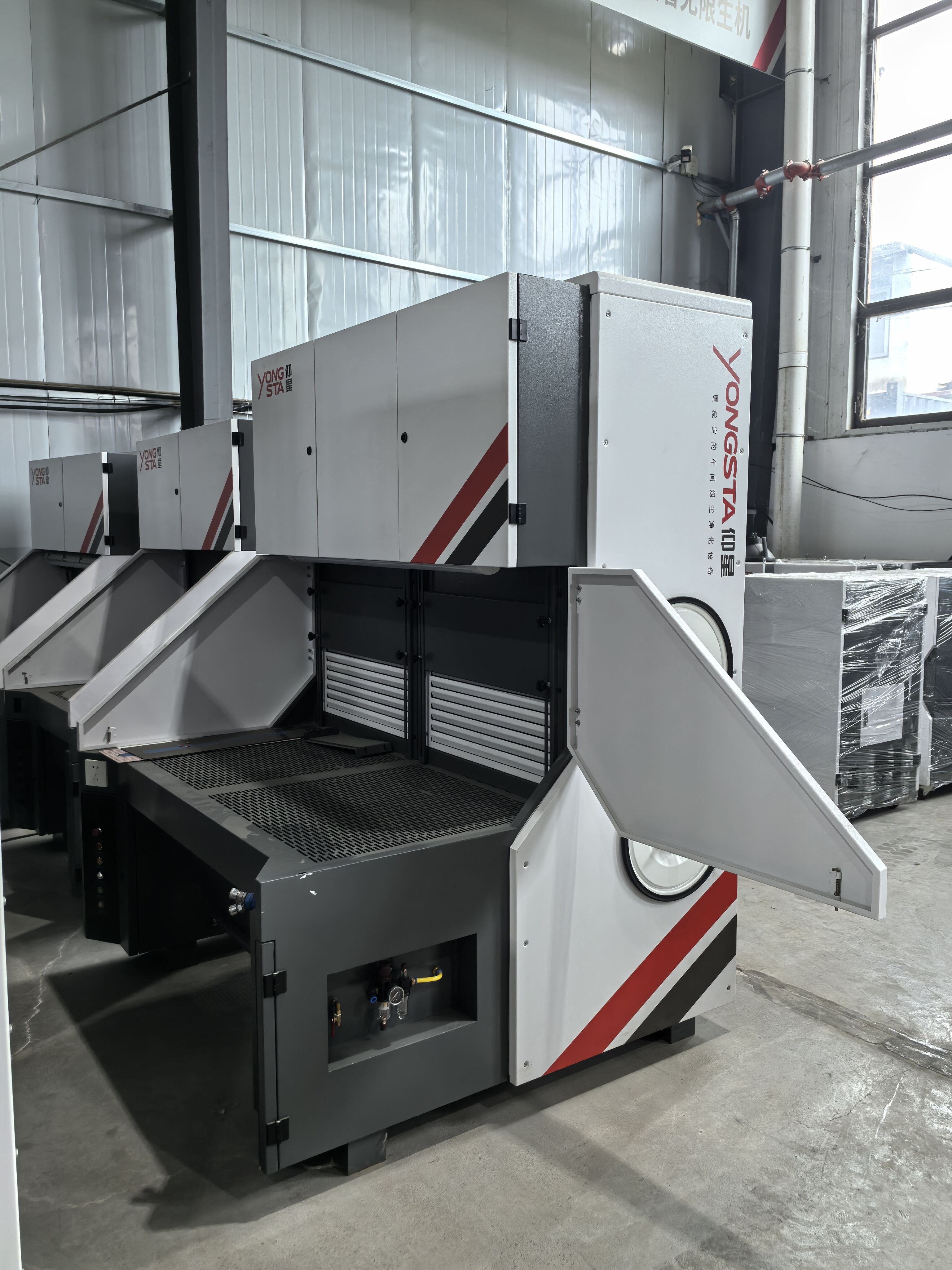
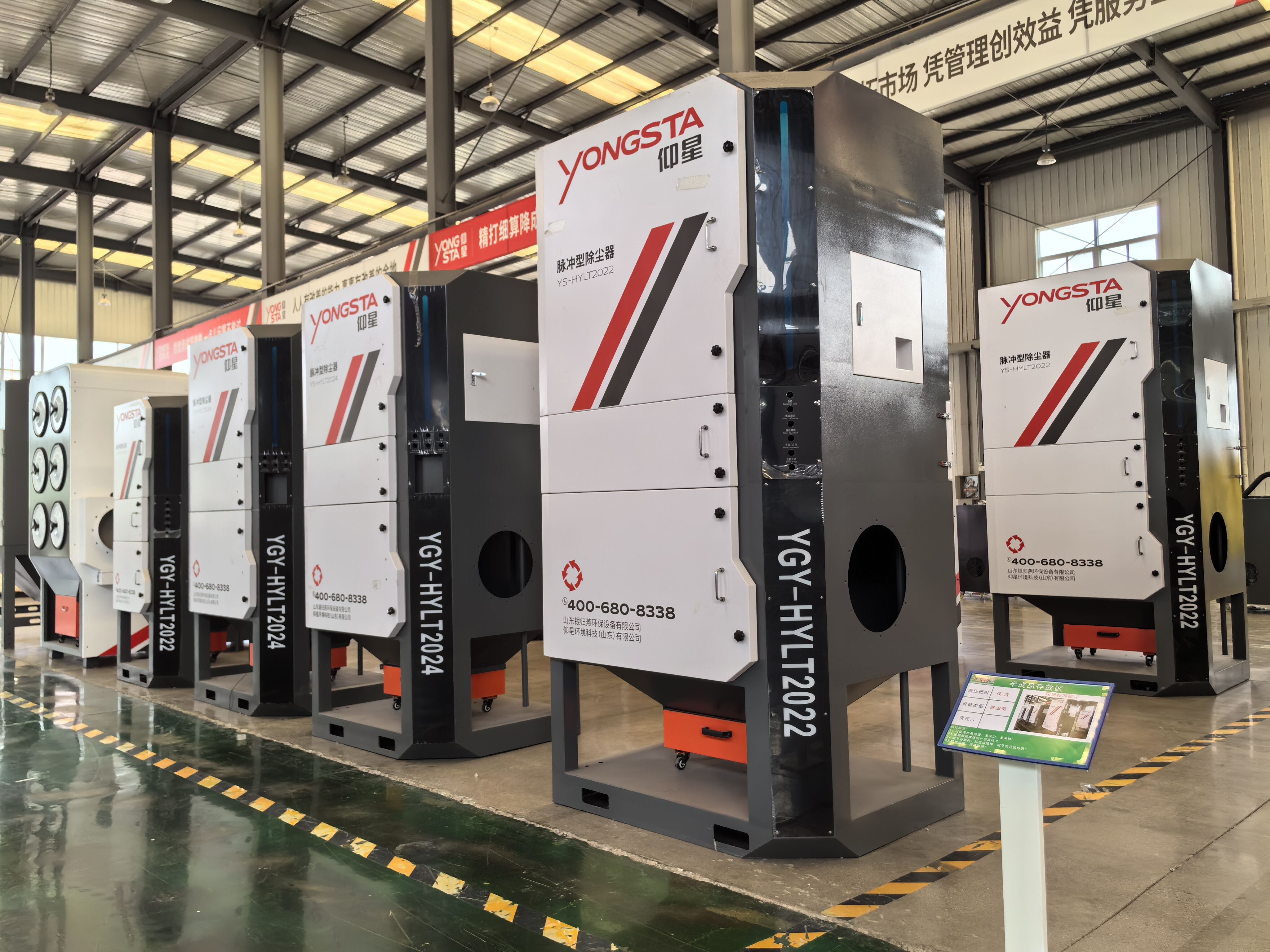
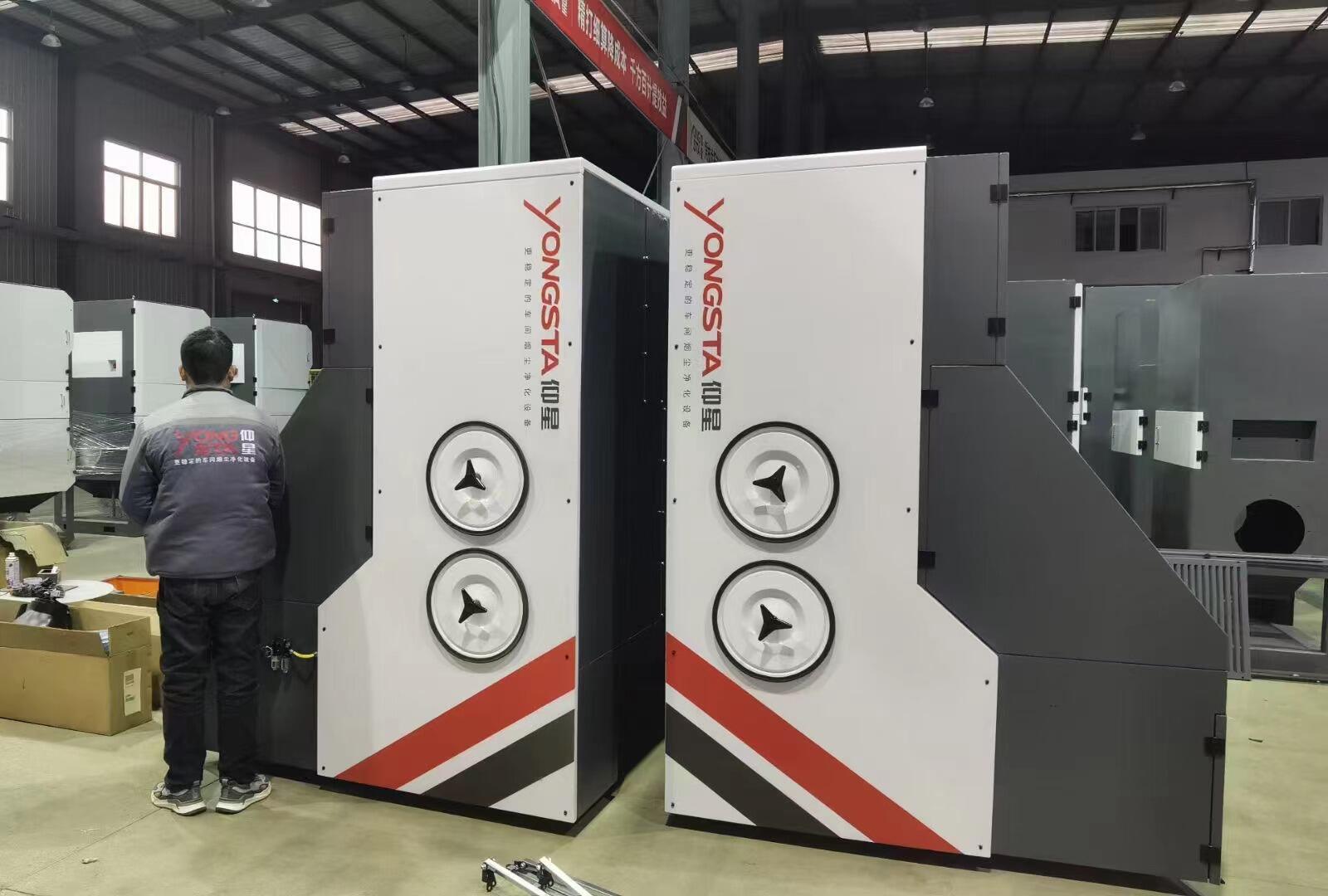
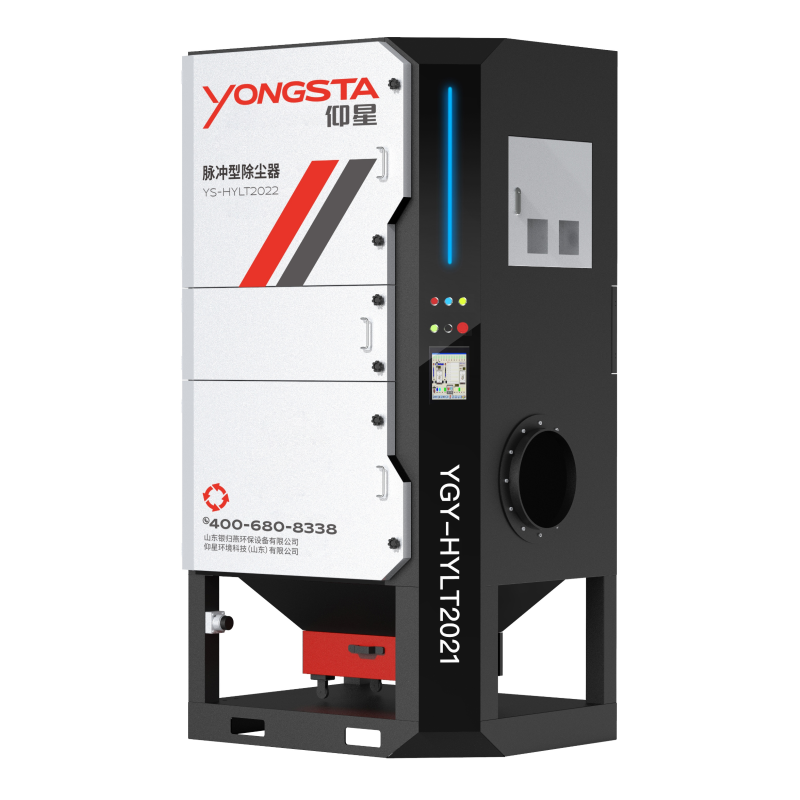
An industrial air filtration system represents a critical component in modern manufacturing and production environments, designed to remove contaminants, particles, and pollutants from the air within facilities. These sophisticated systems work continuously to maintain clean air quality by capturing dust, fumes, smoke, oil mist, and other airborne hazards that naturally occur during industrial processes. The primary function centers on protecting both workers and equipment from harmful exposure while ensuring compliance with environmental regulations and workplace safety standards. Industrial air filtration systems utilize advanced filtration media, including HEPA filters, activated carbon filters, and electrostatic precipitators, each engineered to target specific types of contaminants based on particle size and chemical composition. The technology behind these systems incorporates powerful fans and blowers that create negative pressure, drawing contaminated air through multiple filtration stages before releasing purified air back into the workspace or exhausting it outdoors. Modern industrial air filtration systems feature intelligent monitoring capabilities, allowing facility managers to track filter performance, airflow rates, and system efficiency in real-time through digital interfaces. These systems find applications across diverse industries, from metalworking shops and welding facilities to pharmaceutical manufacturing, food processing plants, woodworking operations, and chemical production facilities. Each application demands customized filtration solutions tailored to the specific contaminants present in that environment. The scalability of industrial air filtration systems makes them suitable for small workshops with localized pollution sources as well as large manufacturing plants requiring comprehensive facility-wide air quality management. Energy efficiency has become a defining characteristic, with contemporary systems incorporating variable frequency drives and smart controls that adjust operation based on actual contamination levels, reducing energy consumption while maintaining optimal air quality. The modular design of many industrial air filtration systems allows for easy expansion and modification as production needs evolve, ensuring long-term value and adaptability for growing businesses.

New Product Recommendations

Investing in an industrial air filtration system delivers immediate and long-term benefits that directly impact your bottom line and operational success. Worker health improves dramatically when you remove harmful particles and fumes from the breathing zone, reducing respiratory issues, allergies, and long-term health complications that lead to absenteeism and decreased productivity. Clean air creates a more comfortable working environment, boosting employee morale and retention while demonstrating your commitment to workplace safety. Your equipment lasts longer when protected from dust accumulation and corrosive particles that cause premature wear on machinery, electronics, and precision instruments, translating to lower maintenance costs and fewer unexpected breakdowns. Production quality increases as airborne contaminants no longer settle on products, reducing defects, rework, and customer complaints while enhancing your reputation for delivering consistent, high-quality output. Regulatory compliance becomes straightforward when your industrial air filtration system meets or exceeds local, state, and federal air quality standards, helping you avoid costly fines, legal issues, and potential facility shutdowns. Energy costs decrease with modern systems that operate efficiently, recirculating cleaned air instead of constantly heating or cooling fresh outdoor air, which significantly reduces HVAC expenses throughout the year. Facility cleanliness improves noticeably as dust no longer accumulates on surfaces, windows, and overhead structures, reducing cleaning time and creating a more professional appearance for client visits and inspections. Fire and explosion risks diminish when combustible dust gets captured before it can accumulate to dangerous levels, protecting your facility, employees, and business continuity. Neighboring community relations strengthen when your facility controls emissions and odors, preventing complaints and maintaining your social license to operate. Insurance premiums may decrease as carriers recognize your proactive approach to risk management and workplace safety. The return on investment becomes clear within months as you experience fewer sick days, lower equipment repair bills, reduced product waste, and improved operational efficiency. Your competitive advantage grows as you can take on projects requiring strict air quality standards that competitors without proper filtration cannot handle. Employee recruitment becomes easier when word spreads about your clean, safe working conditions, helping you attract skilled workers in tight labor markets. The industrial air filtration system adapts to changing production needs, allowing you to modify processes or add new equipment without compromising air quality. Documentation and reporting features simplify compliance audits and demonstrate due diligence to regulators, customers, and stakeholders who increasingly demand environmental responsibility from their suppliers and partners.

Tips And Tricks

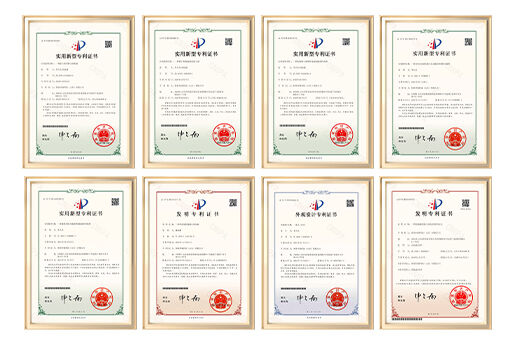
Yongsta R&D Team Wins 3 Dust Removal Technology Patents, Leading Industry Innovation

09

Apr

Yongsta R&D Team Wins 3 Dust Removal Technology Patents, Leading Industry Innovation

View More
Yongsta Cooperates with TUV for ATEX Explosion-Proof Certification, Explosion-Proof Dust Collector to Be Launched Soon

09

Apr

Yongsta Cooperates with TUV for ATEX Explosion-Proof Certification, Explosion-Proof Dust Collector to Be Launched Soon

View More
Empowering Benchmark Manufacturing! Yongsta Cartridge Dust Collector Aids Siemens Transformer China Factory's Dust Removal Renovation and Gains High Recognition

09

Apr

Empowering Benchmark Manufacturing! Yongsta Cartridge Dust Collector Aids Siemens Transformer China Factory's Dust Removal Renovation and Gains High Recognition

View More

Get a Free Quote

Our representative will contact you soon.
Email
Name
Company Name
Message
0/1000

industrial air filtration system

Advanced Multi-Stage Filtration Technology Ensures Maximum Contaminant Removal

Advanced Multi-Stage Filtration Technology Ensures Maximum Contaminant Removal

The industrial air filtration system employs sophisticated multi-stage filtration technology that captures contaminants with exceptional efficiency across a wide spectrum of particle sizes and types. The first stage typically consists of pre-filters that remove larger particles, extending the life of downstream filters and reducing overall maintenance costs. These pre-filters capture debris like large dust particles, metal shavings, and fiber fragments that would otherwise clog finer filtration media. The second stage introduces high-efficiency particulate filters capable of removing particles as small as 0.3 microns with efficiency ratings exceeding 99.97 percent, effectively eliminating fine dust, pollen, mold spores, and many bacteria from the airstream. For facilities dealing with chemical fumes, volatile organic compounds, or odors, the third stage incorporates activated carbon filters or chemical media that adsorb gaseous contaminants through chemical bonding, neutralizing harmful substances before they can affect workers or escape into the environment. Some industrial air filtration systems include electrostatic precipitation stages that use high-voltage electrical fields to charge particles, causing them to adhere to collection plates where they remain until cleaning cycles remove the accumulated material. This technology proves particularly effective for capturing submicron particles and oil mist that challenge traditional mechanical filters. The filtration media itself represents years of materials science research, with modern filters constructed from synthetic fibers engineered for optimal balance between airflow resistance and particle capture efficiency. Pleated designs maximize surface area within compact housings, allowing industrial air filtration systems to process large volumes of air without requiring excessive floor space. The progressive filtration approach means each stage handles contaminants it captures most efficiently, preventing premature filter loading and maintaining consistent performance over extended periods. Filter monitoring systems track pressure differential across each stage, alerting operators when filters approach capacity and require replacement, preventing system performance degradation. The modular filter design allows quick changeouts without specialized tools or extensive downtime, minimizing disruption to production schedules. Quality industrial air filtration systems use filters manufactured to strict standards, ensuring consistent performance and eliminating the variability that comes with inferior aftermarket alternatives. The multi-stage approach also provides redundancy, so if one stage experiences reduced efficiency, other stages continue protecting air quality until maintenance can be performed.
Intelligent Control Systems Optimize Performance While Reducing Operating Costs

Intelligent Control Systems Optimize Performance While Reducing Operating Costs

Modern industrial air filtration systems incorporate intelligent control technology that revolutionizes how facilities manage air quality while minimizing energy consumption and operational expenses. These smart systems continuously monitor multiple parameters including airflow velocity, filter pressure drop, contaminant concentration, and ambient conditions, using this data to make real-time adjustments that maintain optimal performance. Variable frequency drives control fan motors, automatically adjusting speed based on actual filtration demand rather than running at full capacity constantly, which can reduce energy consumption by 30 to 50 percent compared to fixed-speed systems. When production slows or stops, the industrial air filtration system automatically reduces airflow to maintain minimum air quality standards without wasting energy, then ramps up quickly when operations resume. Programmable schedules allow you to configure different operating modes for various shifts, weekends, and holidays, ensuring appropriate filtration during occupied periods while conserving resources during downtime. Remote monitoring capabilities enable facility managers to check system status from smartphones or computers, receiving instant alerts about filter changes, maintenance needs, or performance issues before they impact air quality or production. Data logging features record operational parameters over time, creating valuable records for compliance reporting, trend analysis, and predictive maintenance planning. The control systems learn your facility's patterns, optimizing performance based on historical data and anticipated needs rather than relying solely on reactive responses. Integration with building management systems allows the industrial air filtration system to coordinate with HVAC equipment, lighting, and other facility systems for comprehensive energy management. Touchscreen interfaces provide intuitive operation, displaying real-time air quality metrics, filter life remaining, energy consumption, and maintenance schedules in easy-to-understand formats that require minimal training. Automated filter change reminders ensure timely maintenance, preventing the performance degradation and increased energy consumption that occurs when filters become overloaded. Some advanced industrial air filtration systems include air quality sensors that detect specific contaminants, adjusting filtration intensity based on actual pollution levels rather than assumptions. This demand-based operation ensures adequate protection during high-contamination periods while avoiding unnecessary energy use during cleaner conditions. The control systems also provide diagnostic capabilities, identifying potential issues like fan bearing wear, filter bypass, or ductwork leaks before they cause system failures. Historical performance data helps justify capital investments by documenting energy savings, maintenance cost reductions, and improved uptime, making it easier to secure budget approval for facility improvements or system expansions.
Customizable Configurations Address Unique Industrial Applications and Challenges

Customizable Configurations Address Unique Industrial Applications and Challenges

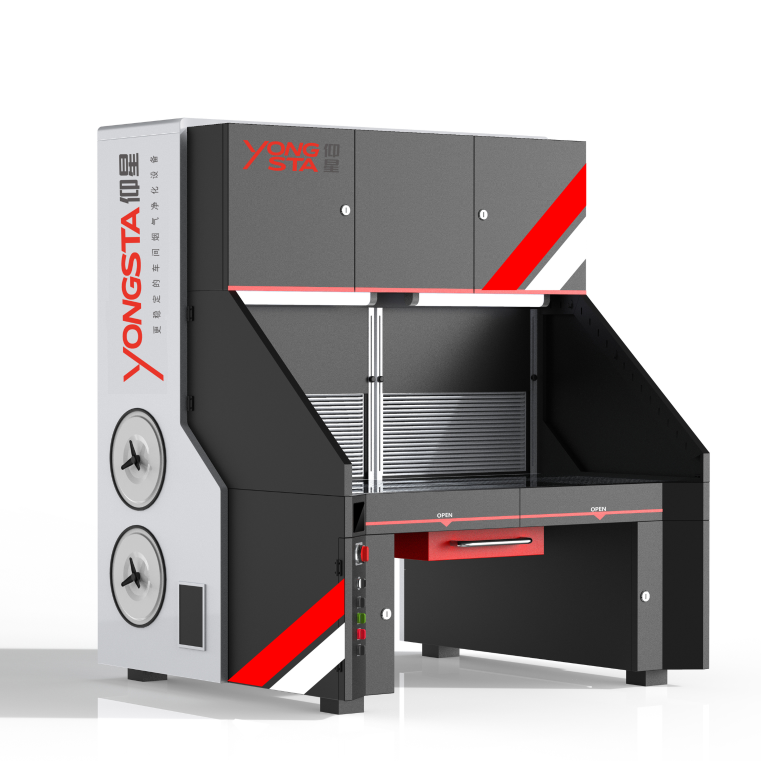
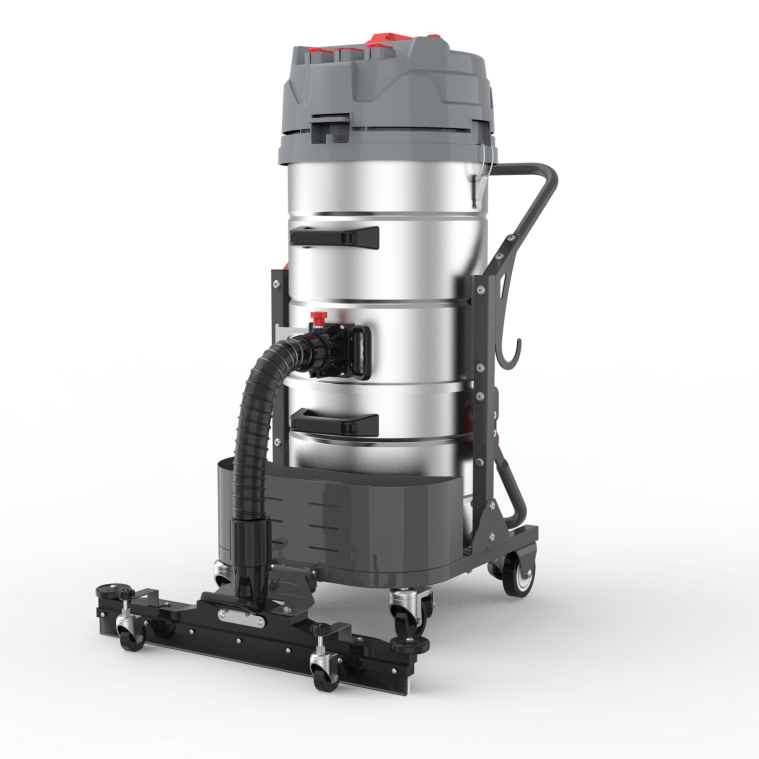
Every industrial facility faces distinct air quality challenges based on processes, materials, production volumes, and facility layouts, which is why industrial air filtration systems offer extensive customization options to address specific requirements effectively. The modular design philosophy allows you to select components and configurations that match your exact needs rather than accepting a one-size-fits-all solution that may be oversized, undersized, or poorly suited to your contaminants. Portable units provide flexibility for facilities with changing production layouts or temporary projects, rolling easily to wherever filtration is needed most, while centralized systems serve entire facilities through ductwork networks that capture contaminants at multiple collection points. Source capture configurations place collection hoods or arms directly at pollution generation points, removing contaminants before they disperse throughout the workspace, which proves more efficient than ambient air cleaning and protects workers most effectively. Ambient systems complement source capture by addressing fugitive emissions and providing general air quality improvement throughout the facility. The industrial air filtration system can be configured for indoor recirculation, returning cleaned air to the workspace to reduce heating and cooling costs, or for outdoor exhaust when contaminants or regulations require it. Explosion-proof models meet stringent safety requirements for facilities handling combustible dusts or flammable materials, incorporating spark detection, suppression systems, and construction that contains potential deflagrations. High-temperature applications receive specialized filters and housing materials that withstand elevated temperatures from welding, heat treating, or other thermal processes without degradation. Corrosive environments benefit from stainless steel or coated construction that resists chemical attack, ensuring long service life despite harsh conditions. Cleanroom applications demand HEPA or ULPA filtration with validated performance, sealed construction preventing bypass, and documentation meeting pharmaceutical or electronics manufacturing standards. The physical footprint adapts to available space, with vertical designs minimizing floor space consumption in crowded facilities, horizontal configurations fitting under low ceilings, and outdoor installations freeing valuable interior space. Airflow capacity scales from small units handling a few hundred cubic feet per minute for individual workstations to massive systems processing tens of thousands of cubic feet per minute for large production areas. Multiple units can work together, providing redundancy so maintenance on one system does not compromise facility-wide air quality. Specialized filtration media targets specific contaminants, whether metal fumes, wood dust, pharmaceutical powders, or chemical vapors, with filter selection based on particle size distribution, concentration, and chemical properties. The industrial air filtration system grows with your business, accepting additional filter modules, increased fan capacity, or expanded ductwork as production increases or new processes are added, protecting your initial investment while accommodating future needs.

Get a Free Quote

Our representative will contact you soon.
Email
Name
Company Name
Message
0/1000
email goToTop