Customizable Configurations Address Unique Industrial Applications and Challenges
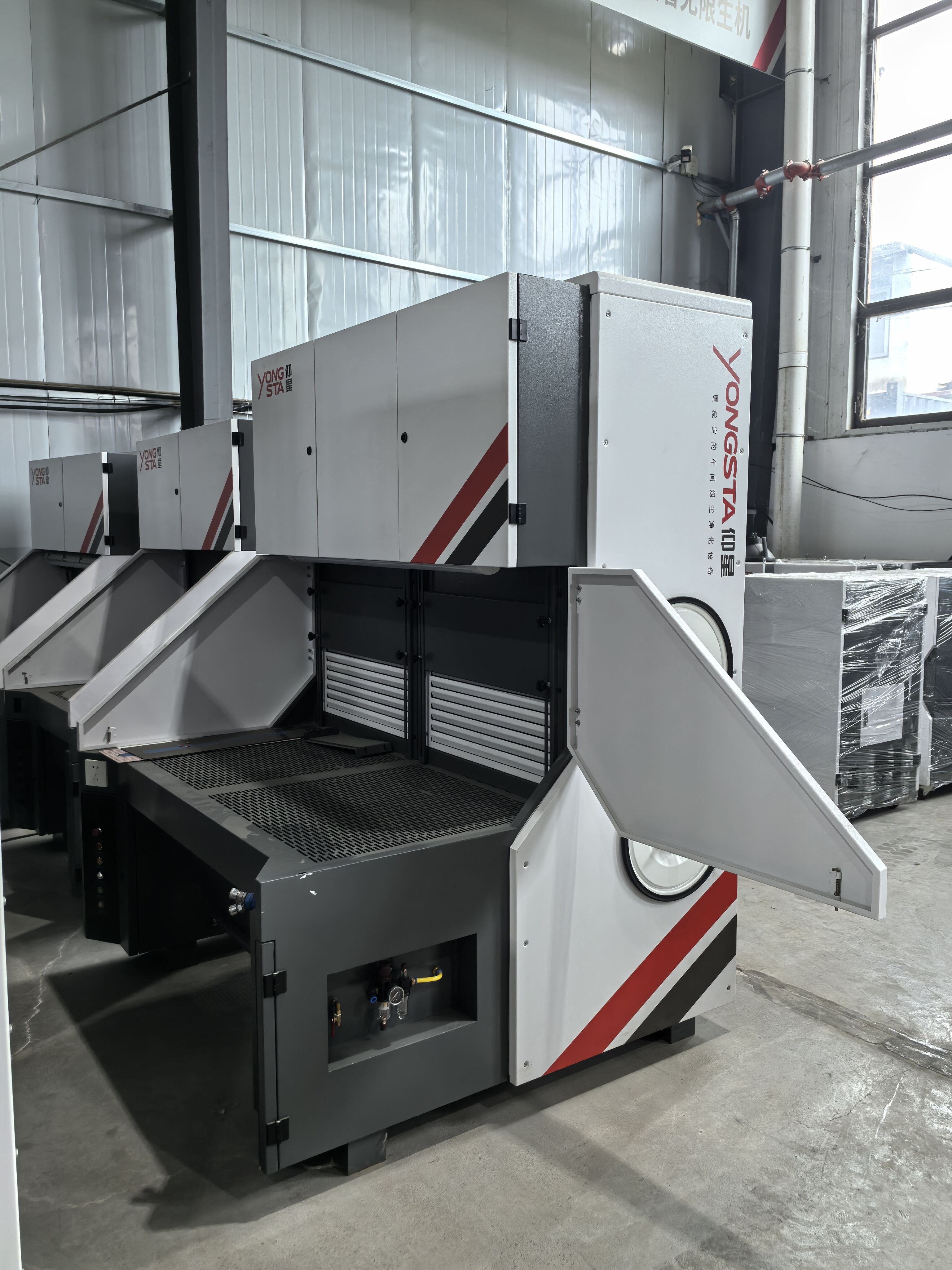
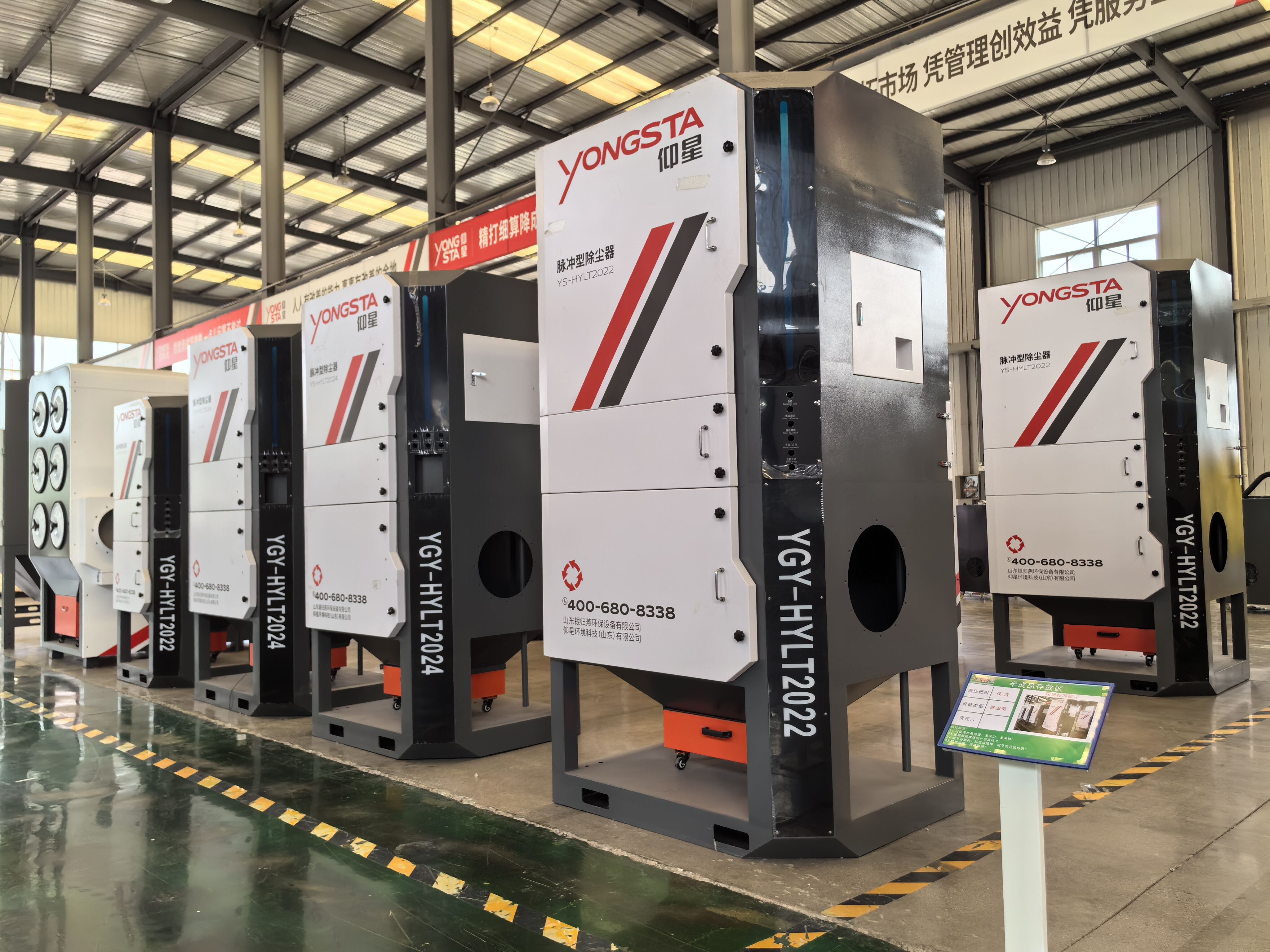
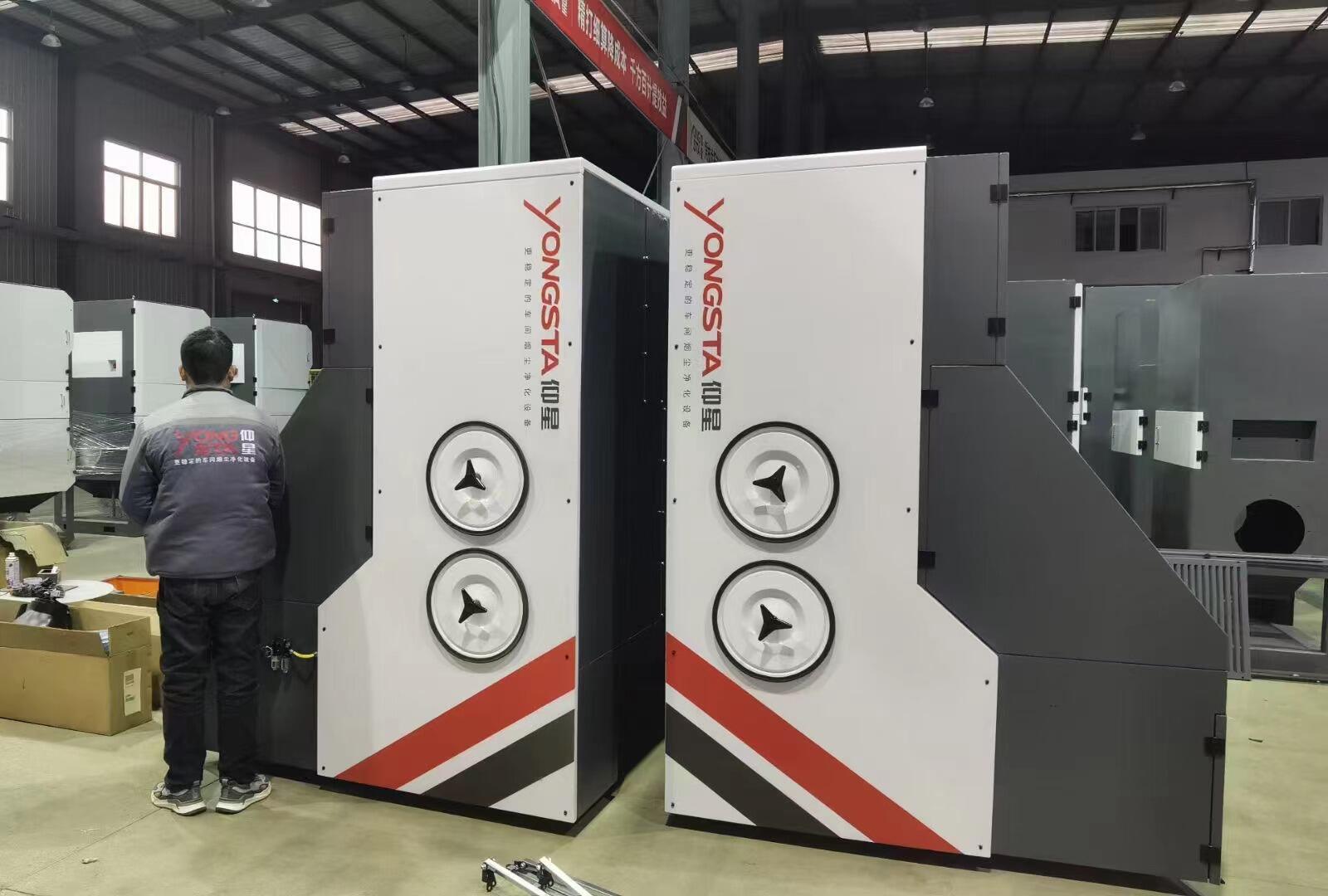
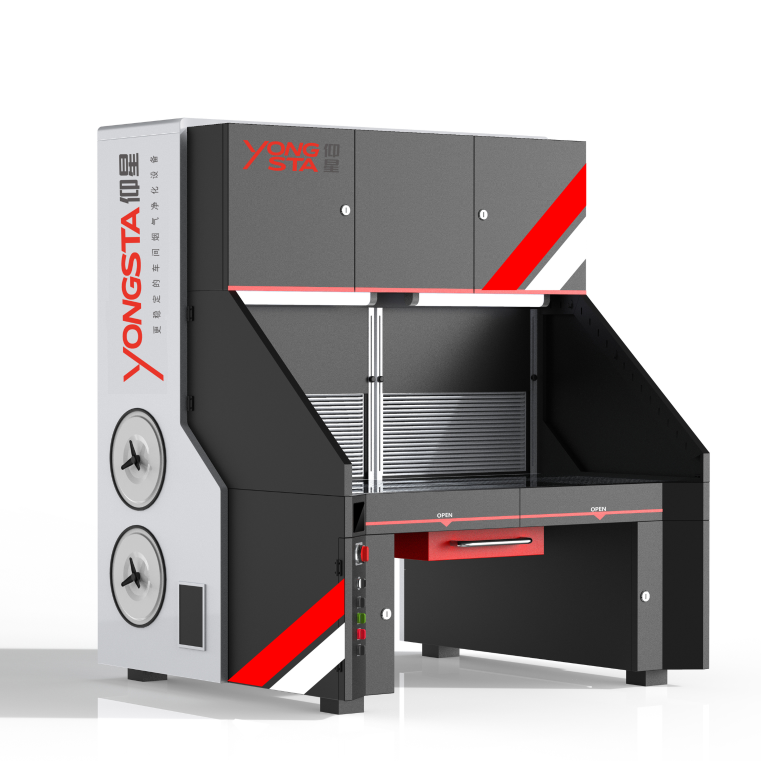
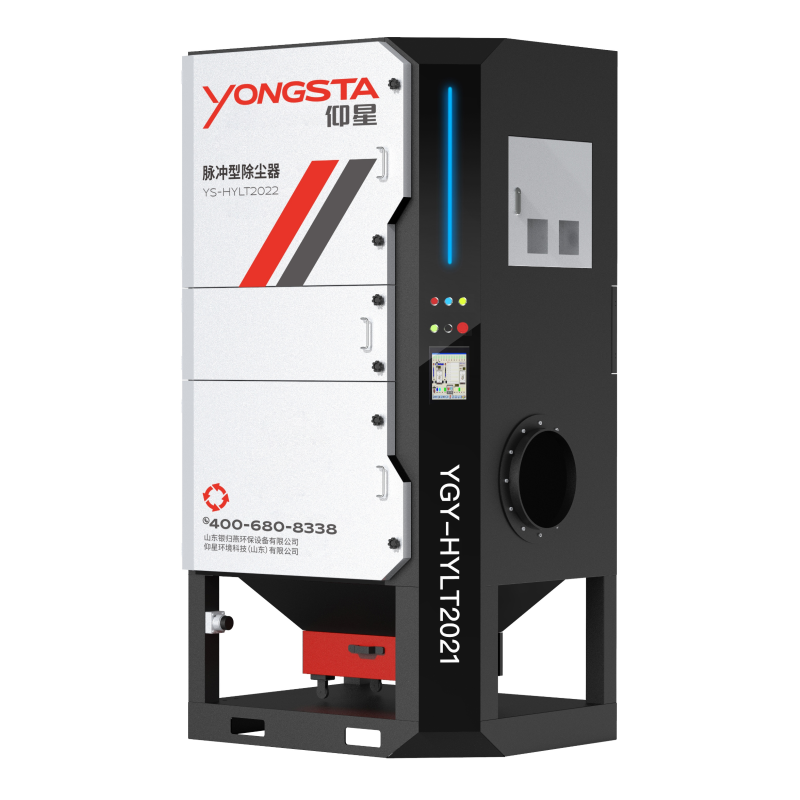
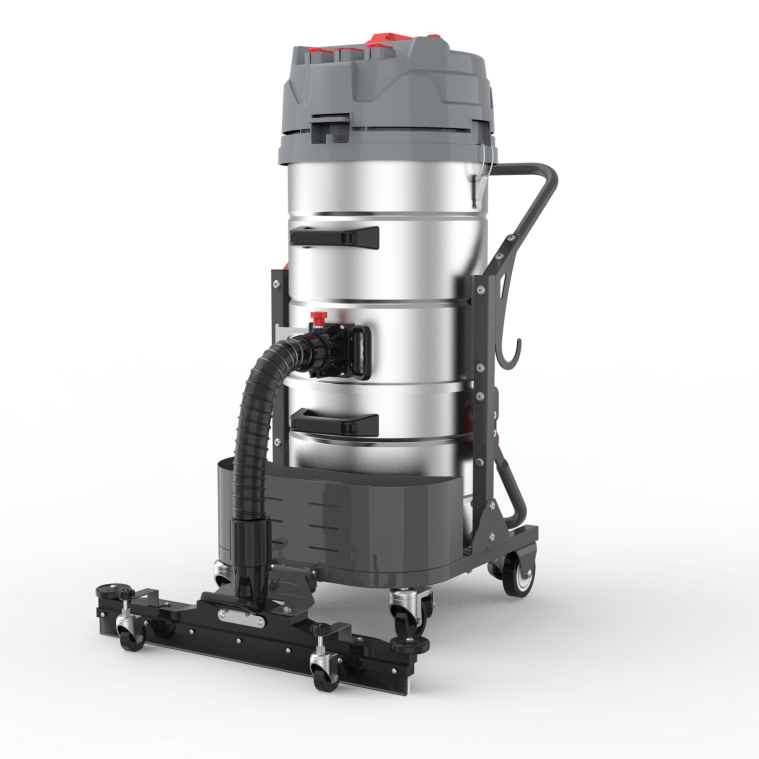
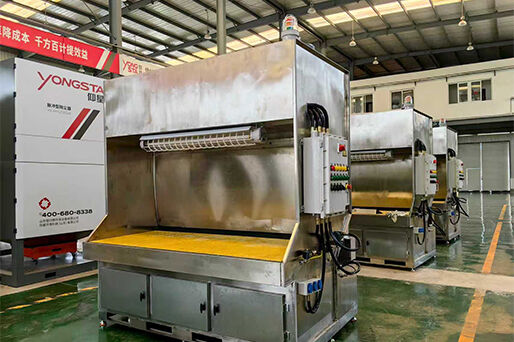
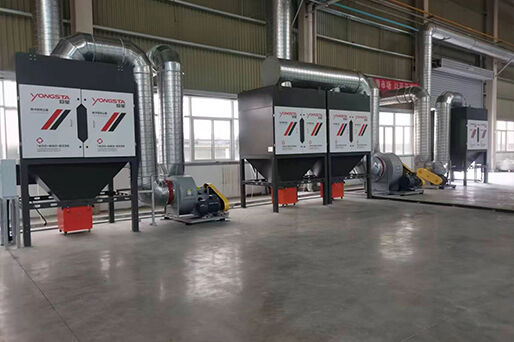
Every industrial facility faces distinct air quality challenges based on processes, materials, production volumes, and facility layouts, which is why industrial air filtration systems offer extensive customization options to address specific requirements effectively. The modular design philosophy allows you to select components and configurations that match your exact needs rather than accepting a one-size-fits-all solution that may be oversized, undersized, or poorly suited to your contaminants. Portable units provide flexibility for facilities with changing production layouts or temporary projects, rolling easily to wherever filtration is needed most, while centralized systems serve entire facilities through ductwork networks that capture contaminants at multiple collection points. Source capture configurations place collection hoods or arms directly at pollution generation points, removing contaminants before they disperse throughout the workspace, which proves more efficient than ambient air cleaning and protects workers most effectively. Ambient systems complement source capture by addressing fugitive emissions and providing general air quality improvement throughout the facility. The industrial air filtration system can be configured for indoor recirculation, returning cleaned air to the workspace to reduce heating and cooling costs, or for outdoor exhaust when contaminants or regulations require it. Explosion-proof models meet stringent safety requirements for facilities handling combustible dusts or flammable materials, incorporating spark detection, suppression systems, and construction that contains potential deflagrations. High-temperature applications receive specialized filters and housing materials that withstand elevated temperatures from welding, heat treating, or other thermal processes without degradation. Corrosive environments benefit from stainless steel or coated construction that resists chemical attack, ensuring long service life despite harsh conditions. Cleanroom applications demand HEPA or ULPA filtration with validated performance, sealed construction preventing bypass, and documentation meeting pharmaceutical or electronics manufacturing standards. The physical footprint adapts to available space, with vertical designs minimizing floor space consumption in crowded facilities, horizontal configurations fitting under low ceilings, and outdoor installations freeing valuable interior space. Airflow capacity scales from small units handling a few hundred cubic feet per minute for individual workstations to massive systems processing tens of thousands of cubic feet per minute for large production areas. Multiple units can work together, providing redundancy so maintenance on one system does not compromise facility-wide air quality. Specialized filtration media targets specific contaminants, whether metal fumes, wood dust, pharmaceutical powders, or chemical vapors, with filter selection based on particle size distribution, concentration, and chemical properties. The industrial air filtration system grows with your business, accepting additional filter modules, increased fan capacity, or expanded ductwork as production increases or new processes are added, protecting your initial investment while accommodating future needs.