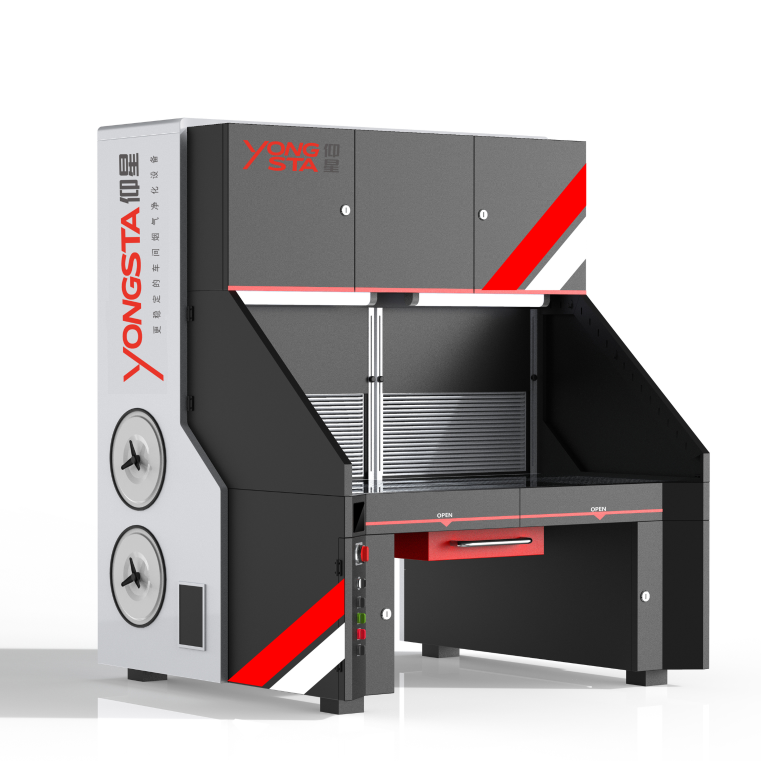
Downdraft Filter Bench: Industrial Air Filtration Solutions for Safe Workspaces

Get a Free Quote

Our representative will contact you soon.
Email
Name
Company Name
Message
0/1000

downdraft filter bench

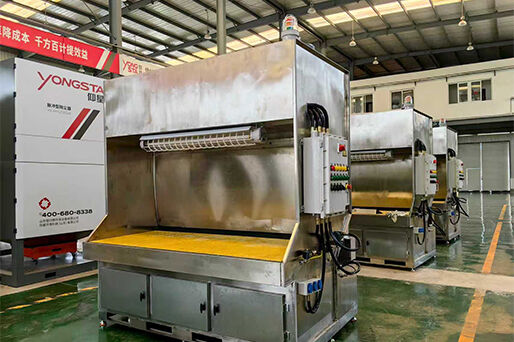
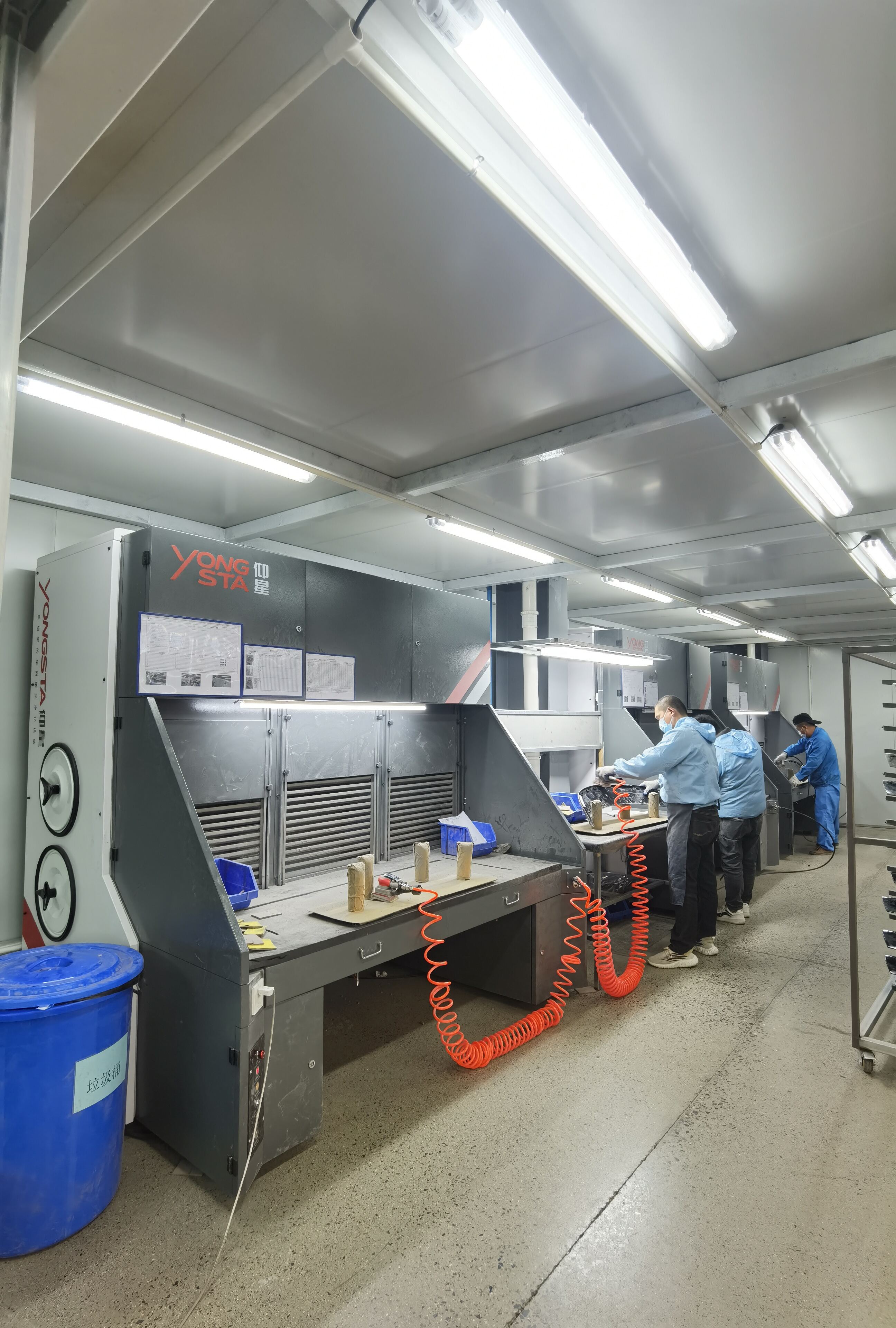
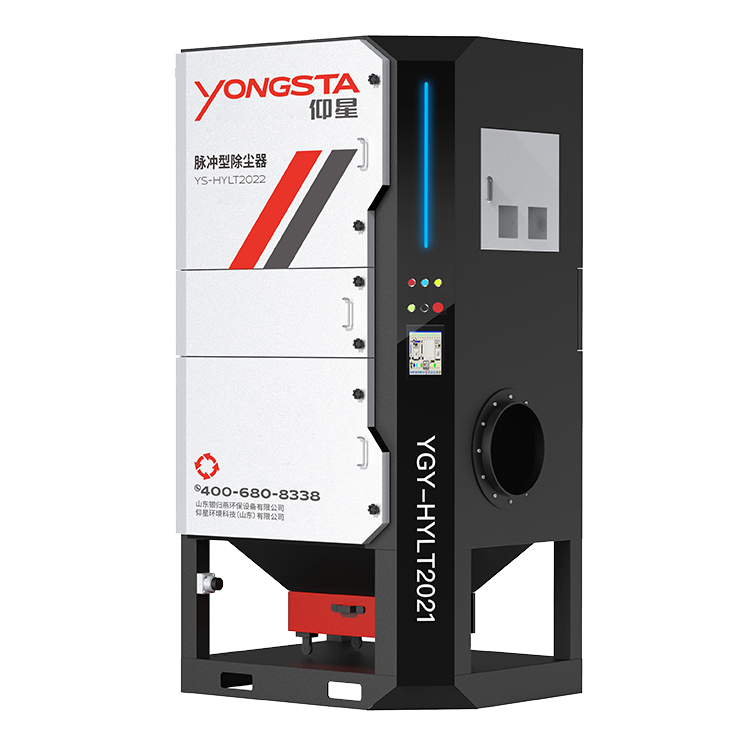
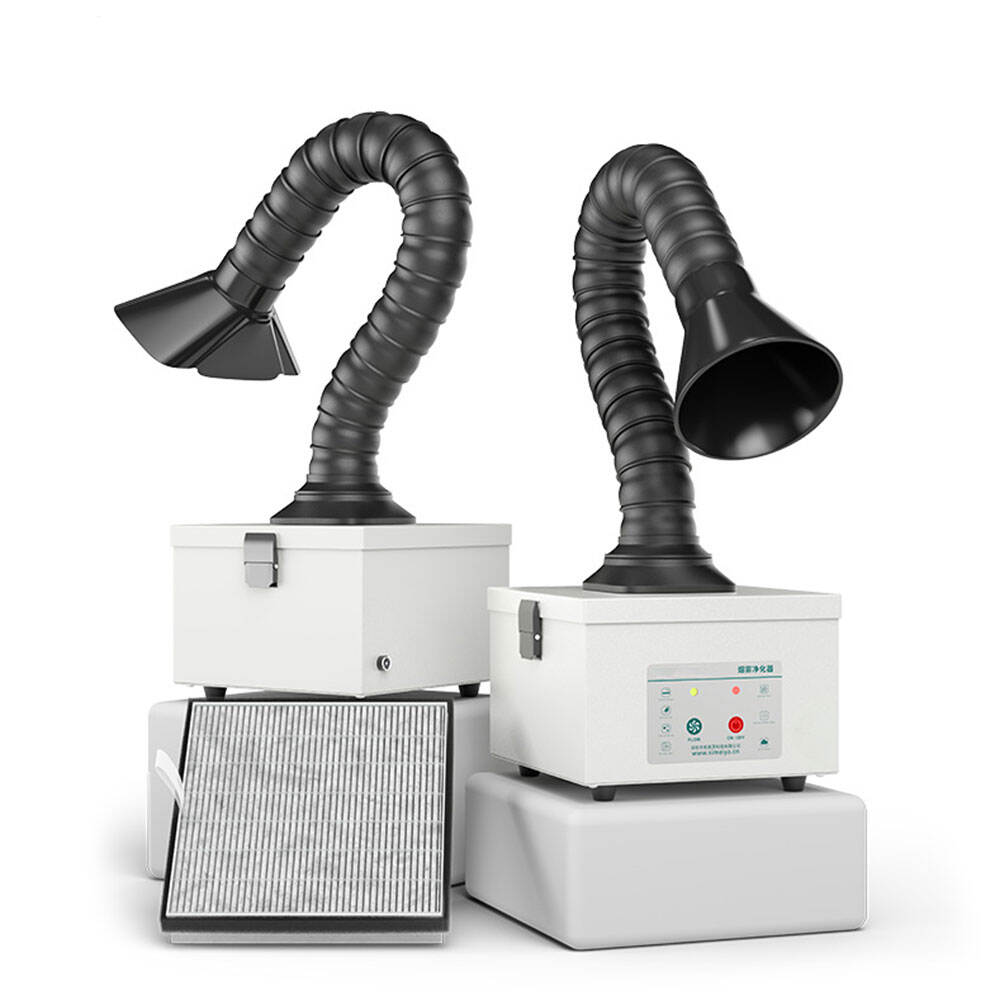
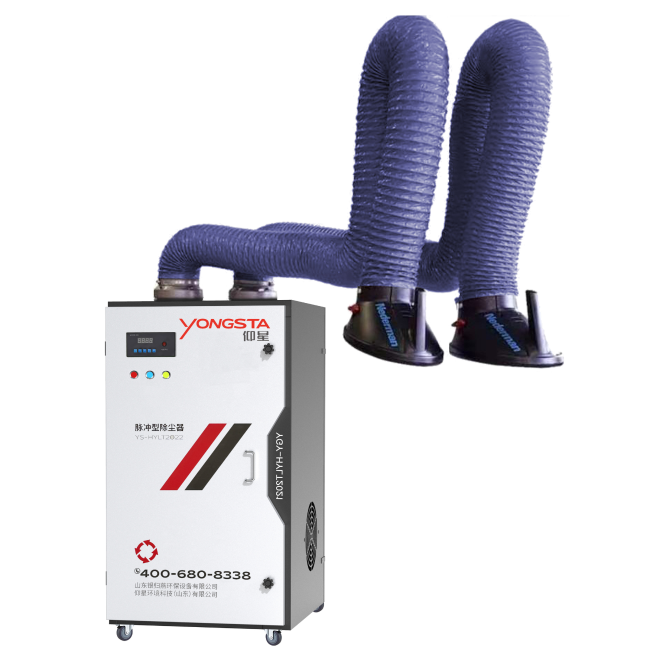
A downdraft filter bench represents an essential piece of industrial equipment designed to capture and filter airborne contaminants at their source during various manufacturing and processing operations. This specialized workstation combines a perforated work surface with an integrated filtration system that draws contaminated air downward through the bench top, effectively removing dust, fumes, particles, and other hazardous materials from the breathing zone of operators. The downdraft filter bench operates on a simple yet highly effective principle: contaminated air is pulled down through the work surface by powerful fans, passes through multiple filtration stages, and returns clean air to the workspace or exhausts it outside. These benches are engineered with robust construction, typically featuring steel frames and work surfaces that can withstand demanding industrial environments. The filtration system usually incorporates pre-filters to capture larger particles and HEPA or activated carbon filters for fine particulate matter and chemical vapors. Modern downdraft filter bench units often include variable speed controls, allowing operators to adjust airflow based on the specific application and contamination levels. The work surface is designed with strategically placed perforations or slots that maximize capture efficiency while providing a stable platform for various tasks. These benches come in multiple configurations, including standalone units, modular systems that can be connected, and custom-sized options to fit specific workspace requirements. The downdraft filter bench serves critical functions in industries where worker safety and product quality depend on maintaining clean air environments. Applications range from grinding and sanding operations to powder handling, chemical processing, and precision assembly work. The technology behind these benches has evolved significantly, incorporating smart sensors, filter monitoring systems, and energy-efficient motors that reduce operational costs while maintaining superior performance. Installation is straightforward, with most units requiring only electrical connection and optional ducting for external exhaust. Maintenance involves regular filter replacement and periodic inspection of mechanical components, ensuring consistent performance over years of operation. The downdraft filter bench has become an indispensable tool for companies committed to workplace safety, regulatory compliance, and environmental responsibility.

Popular Products

Investing in a downdraft filter bench delivers immediate and long-term benefits that directly impact your bottom line and workplace quality. First and foremost, these benches protect your workers from harmful airborne contaminants that can cause respiratory problems, skin irritation, and long-term health issues. By capturing dust, fumes, and particles right at the source, the downdraft filter bench prevents these hazards from spreading throughout your facility, creating a safer and more comfortable work environment. This protection translates into fewer sick days, reduced workers compensation claims, and improved employee morale and productivity. Your team can focus on their tasks without worrying about breathing in harmful substances or dealing with irritating dust clouds. The downdraft filter bench also helps you meet strict occupational safety regulations and environmental standards without complicated compliance procedures. Regulatory agencies require businesses to maintain safe air quality levels, and these benches provide documented proof of your commitment to worker protection. You avoid costly fines, legal issues, and potential shutdowns that result from non-compliance. Beyond safety, the downdraft filter bench improves your product quality by preventing contamination during manufacturing and assembly processes. Dust and particles that settle on work surfaces can compromise precision operations, damage sensitive components, and create defects that lead to customer complaints and returns. Clean air means cleaner products and fewer quality control issues. The filtration system also protects your facility and equipment from dust accumulation that can damage machinery, clog ventilation systems, and create fire hazards. Regular cleaning costs drop significantly when airborne contaminants are captured before they settle on floors, walls, and equipment. Energy efficiency is another major advantage, as modern downdraft filter bench units use advanced motors and smart controls that minimize power consumption while maximizing performance. You can adjust airflow based on actual needs rather than running at full capacity constantly, reducing electricity costs month after month. The compact footprint of these benches makes them ideal for facilities with limited space, providing powerful filtration without requiring extensive ductwork or external exhaust systems. Many models recirculate filtered air back into the workspace, eliminating the need to heat or cool replacement air from outside, which saves substantial energy costs in climate-controlled facilities. Installation is quick and simple, with minimal disruption to your operations, and the benches can be relocated easily if you reorganize your workspace. Maintenance is straightforward, with accessible filter compartments and clear indicators that tell you when replacement is needed. The durability of quality downdraft filter bench construction means you make a one-time investment that serves your facility for many years, delivering consistent performance and reliable protection. Your return on investment comes through multiple channels: reduced health costs, improved productivity, better product quality, lower cleaning expenses, energy savings, and peace of mind knowing your workplace meets the highest safety standards.

Tips And Tricks

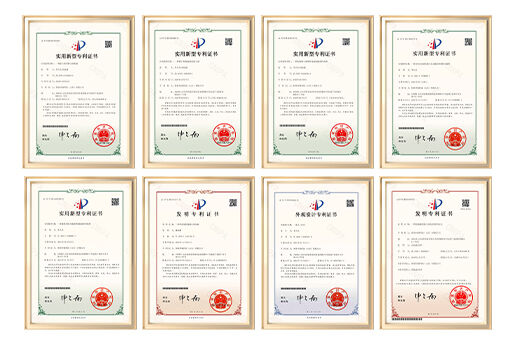
Yongsta R&D Team Wins 3 Dust Removal Technology Patents, Leading Industry Innovation

09

Apr

Yongsta R&D Team Wins 3 Dust Removal Technology Patents, Leading Industry Innovation

View More
Yongsta Cooperates with TUV for ATEX Explosion-Proof Certification, Explosion-Proof Dust Collector to Be Launched Soon

09

Apr

Yongsta Cooperates with TUV for ATEX Explosion-Proof Certification, Explosion-Proof Dust Collector to Be Launched Soon

View More
Empowering Benchmark Manufacturing! Yongsta Cartridge Dust Collector Aids Siemens Transformer China Factory's Dust Removal Renovation and Gains High Recognition

09

Apr

Empowering Benchmark Manufacturing! Yongsta Cartridge Dust Collector Aids Siemens Transformer China Factory's Dust Removal Renovation and Gains High Recognition

View More

Get a Free Quote

Our representative will contact you soon.
Email
Name
Company Name
Message
0/1000

downdraft filter bench

Superior Contaminant Capture Technology

Superior Contaminant Capture Technology

The downdraft filter bench employs advanced capture technology that sets it apart from conventional ventilation systems and makes it the preferred choice for demanding industrial applications. Unlike overhead exhaust hoods that allow contaminants to pass through the breathing zone before capture, the downdraft filter bench pulls contaminated air downward and away from operators immediately at the point of generation. This downward airflow pattern works with natural physics rather than against it, as many particles and fumes naturally tend to disperse in all directions from their source. The perforated work surface is engineered with precise hole patterns and sizing that create uniform airflow distribution across the entire bench area, eliminating dead zones where contaminants might escape. This uniform capture ensures consistent protection regardless of where on the bench surface the work is performed. The multi-stage filtration system begins with a pre-filter that captures larger particles, extending the life of downstream filters and maintaining optimal airflow. The main filter stage uses high-efficiency media that captures particles down to submicron sizes, removing the fine dust and fumes that pose the greatest health risks because they penetrate deep into the lungs. For applications involving chemical vapors or odors, activated carbon filters provide an additional layer of protection, adsorbing gaseous contaminants that particle filters cannot capture. The downdraft filter bench achieves capture velocities that meet or exceed industry standards for various contaminant types, ensuring effective removal even during high-generation activities like grinding or sanding. Variable speed controls allow operators to increase airflow when performing particularly dusty operations and reduce it during lighter tasks, optimizing both protection and energy use. The system maintains negative pressure within the filtration chamber, preventing any possibility of contaminants leaking back into the workspace. Modern downdraft filter bench models incorporate filter monitoring technology that tracks pressure differential across filters, providing accurate indication of filter loading and optimal replacement timing. This monitoring prevents the performance degradation that occurs when filters become clogged, ensuring consistent protection throughout the filter service life. The robust fan systems are designed for continuous operation in harsh industrial environments, with sealed bearings and corrosion-resistant construction that delivers years of reliable service. Noise levels are minimized through careful fan selection and acoustic insulation, creating a work environment where communication remains easy and operator fatigue is reduced.
Versatile Applications Across Industries

Versatile Applications Across Industries

The downdraft filter bench demonstrates remarkable versatility, serving critical functions across a diverse range of industries and applications where airborne contaminant control is essential. In metalworking facilities, these benches provide ideal workstations for grinding, deburring, polishing, and finishing operations that generate metal dust and particles. The downdraft filter bench captures these contaminants before they can spread throughout the shop floor, protecting workers from metal dust exposure that can cause respiratory issues and preventing the accumulation of combustible dust that poses explosion risks. Welding operations benefit from downdraft filter bench installations that capture welding fumes containing hazardous metal oxides, protecting welders from exposure to substances linked to serious health conditions. Woodworking shops rely on these benches for sanding, routing, and finishing tasks that create fine wood dust, which is both a health hazard and a fire risk when allowed to accumulate. The pharmaceutical and chemical industries use downdraft filter bench systems for powder handling, compounding, and packaging operations where product containment and worker protection are equally critical. These benches prevent cross-contamination between different products while protecting operators from exposure to active pharmaceutical ingredients and chemical compounds. Electronics manufacturing facilities employ downdraft filter bench workstations for soldering, cleaning, and assembly operations, capturing flux fumes, solvent vapors, and particulates that could damage sensitive components or harm workers. The aerospace industry utilizes these benches for composite material work, capturing fibers and resin particles during layup and finishing operations. Automotive repair shops install downdraft filter bench units for parts cleaning, painting preparation, and detail work, controlling solvent vapors and paint overspray in confined spaces. Jewelry makers and artisans use smaller downdraft filter bench models for polishing, grinding, and chemical treatment processes, protecting themselves from metal dust and chemical fumes in studio environments. Educational institutions equip their technical training labs with these benches, teaching students proper safety practices while providing hands-on experience with industrial equipment. Research laboratories employ downdraft filter bench systems for experiments involving powders, volatile chemicals, and nanomaterials, ensuring researcher safety and preventing sample contamination. The adaptability of the downdraft filter bench extends to custom applications where standard ventilation solutions prove inadequate, with manufacturers offering tailored configurations to meet specific process requirements, space constraints, and performance criteria.

Cost-Effective Operation and Maintenance

Cost-Effective Operation and Maintenance

The downdraft filter bench delivers exceptional value through its cost-effective operation and straightforward maintenance requirements, making it an economically sound investment for businesses of all sizes. Energy efficiency stands as a primary economic advantage, with modern units incorporating variable frequency drives and energy-efficient motors that significantly reduce electricity consumption compared to older constant-speed systems. The ability to adjust airflow based on actual contamination levels means the downdraft filter bench operates at optimal efficiency rather than wasting energy on unnecessary high-speed operation during light-duty tasks. Many models feature recirculation capability, returning filtered air to the workspace rather than exhausting it outside, which eliminates the substantial energy costs associated with heating or cooling replacement air in climate-controlled facilities. This recirculation can reduce HVAC expenses by thousands of dollars annually in larger operations. The initial installation cost of a downdraft filter bench is remarkably reasonable compared to complex ducted exhaust systems that require extensive ductwork, roof penetrations, and external exhaust fans. Most units arrive ready to operate, requiring only electrical connection and minimal setup time, which means lower installation labor costs and faster deployment. The compact design eliminates the need for dedicated ventilation rooms or extensive floor space, maximizing your usable production area. Maintenance requirements are intentionally simplified, with filter access panels that open easily without tools and filter cartridges designed for quick replacement by facility staff without specialized training. The downdraft filter bench uses standardized filter sizes that are readily available from multiple suppliers, preventing vendor lock-in and ensuring competitive pricing for replacement filters. Filter service life is extended through the pre-filter stage that captures larger particles before they reach expensive main filters, reducing the frequency of costly filter replacements. Pressure differential gauges or electronic monitors provide clear indication of when filters need replacement, preventing premature changes that waste money and avoiding delayed changes that reduce performance. The durable construction of quality downdraft filter bench units means minimal repair requirements over their operational lifetime, with robust steel frames, powder-coated finishes that resist corrosion, and industrial-grade components selected for longevity. Fan motors are designed for continuous duty with sealed bearings that require no lubrication, eliminating routine maintenance tasks. The modular design of many systems allows for component replacement rather than entire unit replacement if repairs become necessary, further reducing long-term costs. Downtime is minimized because filter changes can be performed quickly during scheduled breaks rather than requiring extended production shutdowns. The downdraft filter bench protects your other equipment investments by preventing dust accumulation on machinery, reducing cleaning requirements, and extending equipment service life throughout your facility.

Get a Free Quote

Our representative will contact you soon.
Email
Name
Company Name
Message
0/1000
email goToTop