Industrial Smoke Collector Systems - Advanced Air Filtration for Manufacturing Facilities

Get a Free Quote

Our representative will contact you soon.
Email
Name
Company Name
Message
0/1000

industrial smoke collector

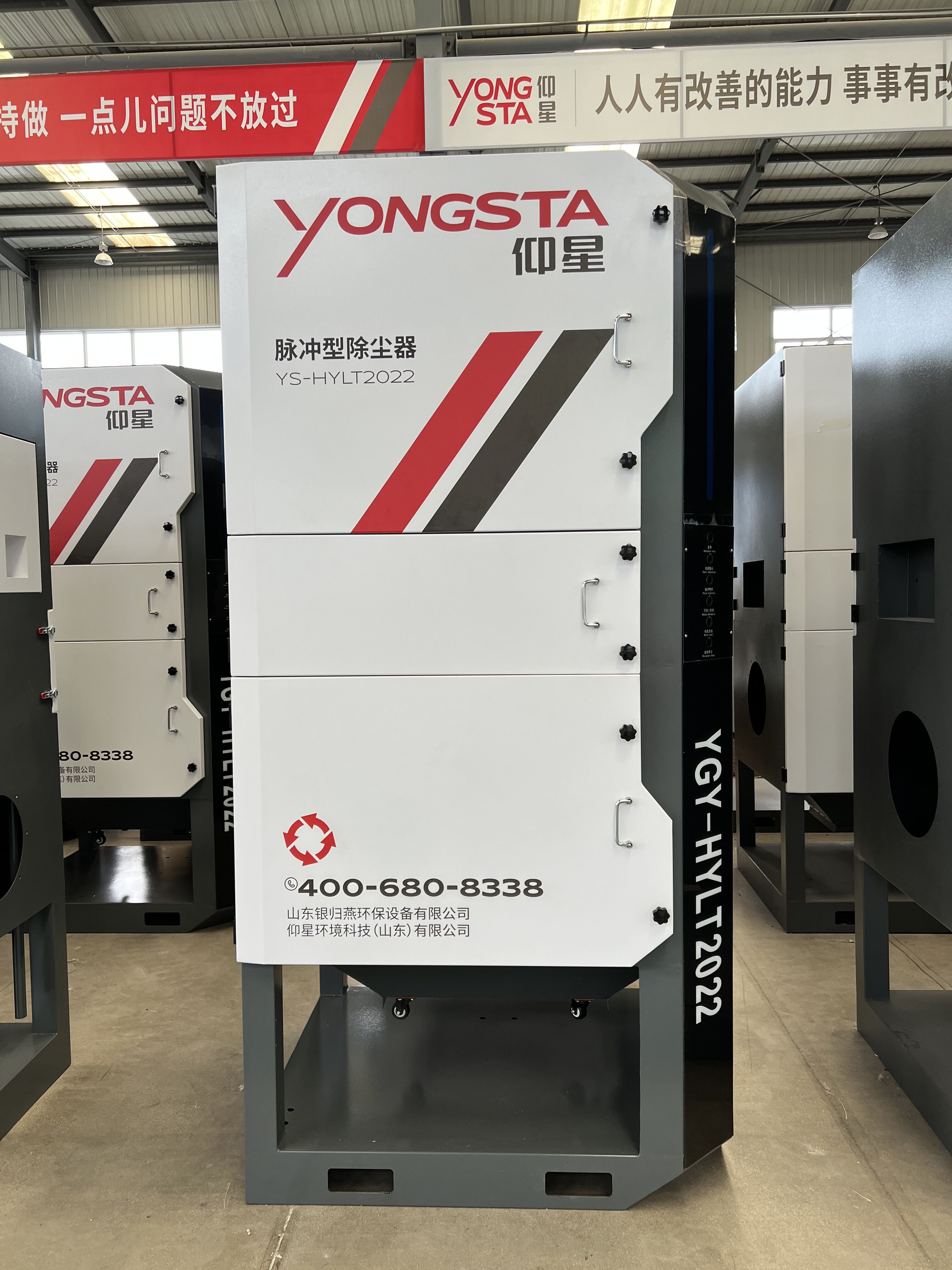
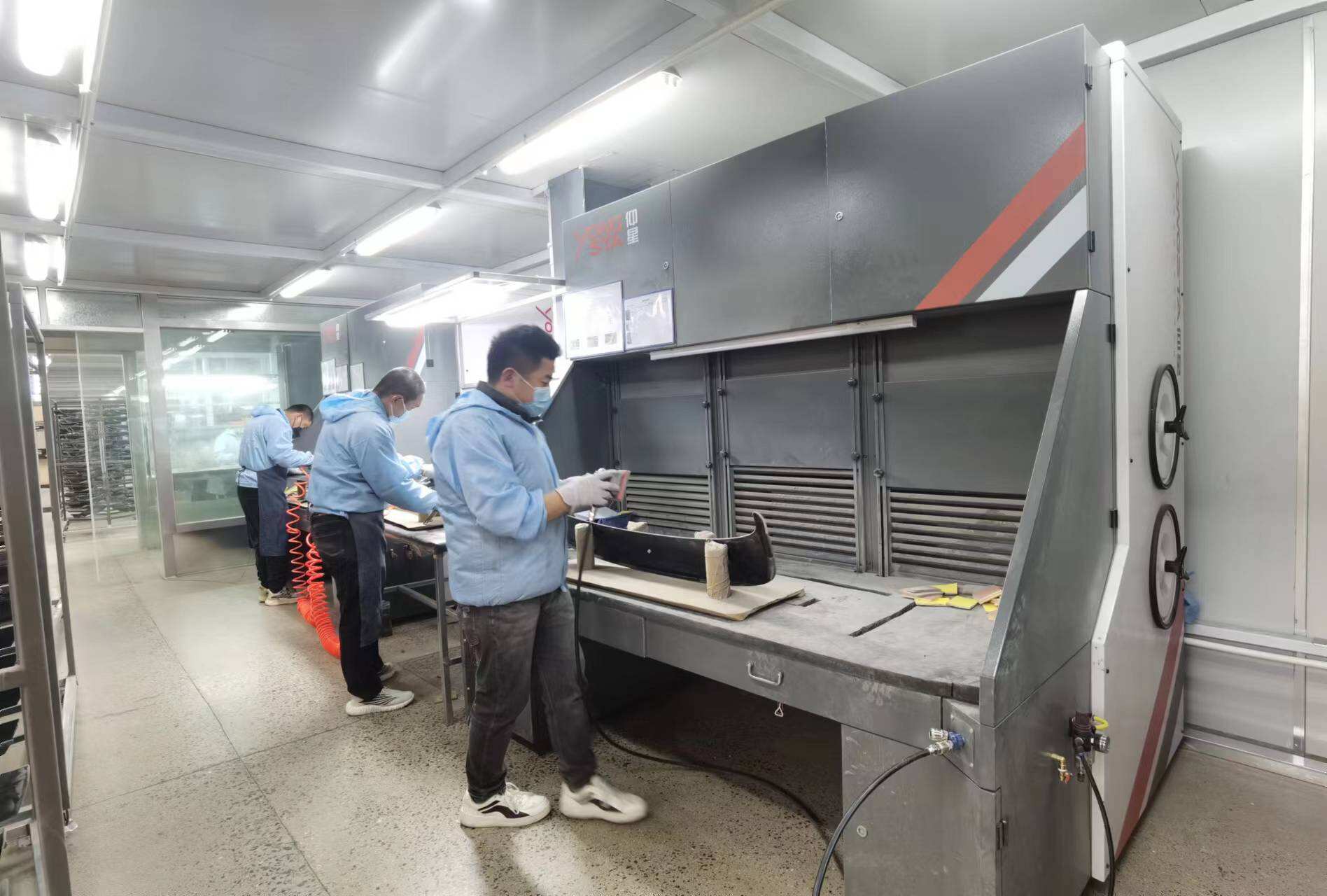
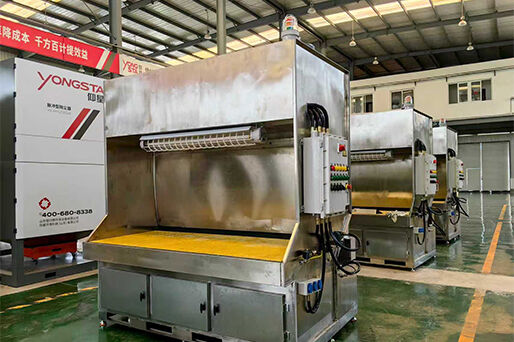
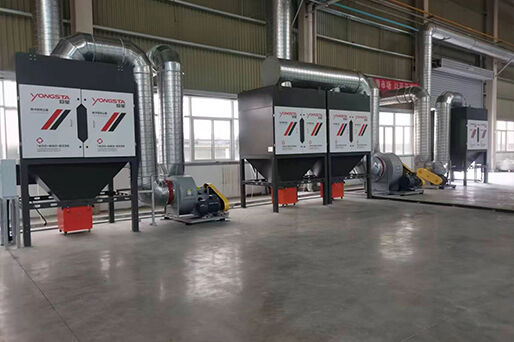
An industrial smoke collector represents a critical piece of equipment designed to capture, filter, and remove harmful airborne contaminants generated during manufacturing processes. These sophisticated systems address the growing need for cleaner production environments by eliminating smoke, fumes, dust particles, and hazardous vapors that emerge from welding, cutting, grinding, soldering, and various metalworking operations. The primary function of an industrial smoke collector involves drawing contaminated air through powerful suction mechanisms, passing it through multi-stage filtration systems, and releasing purified air back into the workspace or exhausting it outdoors. Modern units incorporate advanced sensor technology that monitors air quality in real-time, automatically adjusting suction power based on contamination levels detected within the facility. The technological features embedded in contemporary industrial smoke collector models include variable frequency drives for energy-efficient operation, intelligent control panels with touchscreen interfaces, and modular filter designs that simplify maintenance procedures. These systems typically employ HEPA filters capable of capturing particles as small as 0.3 microns, activated carbon filters for odor control, and pre-filters that extend the lifespan of primary filtration media. Applications span across diverse sectors including automotive manufacturing plants, aerospace component fabrication facilities, electronics assembly operations, pharmaceutical production environments, and metal fabrication workshops. An industrial smoke collector proves essential in facilities where workers face daily exposure to welding fumes containing manganese, chromium, and other metallic compounds that pose serious health risks. The equipment also finds extensive use in laser cutting operations, plasma cutting stations, and robotic welding cells where smoke generation occurs continuously throughout production shifts. By implementing an industrial smoke collector, facilities demonstrate compliance with occupational safety regulations while simultaneously protecting expensive machinery from particulate buildup that can cause premature equipment failure and costly downtime.

New Products

Investing in an industrial smoke collector delivers immediate improvements to workplace safety by removing toxic fumes before workers inhale them during their shifts. Employees working in cleaner air experience fewer respiratory problems, reduced eye irritation, and lower instances of headaches caused by prolonged exposure to chemical vapors and metallic particles. This direct health benefit translates into decreased absenteeism, lower workers compensation claims, and improved overall productivity as team members maintain better focus and energy throughout their workdays. The financial advantages extend beyond health considerations, as an industrial smoke collector protects valuable equipment from corrosive particulate accumulation that degrades sensitive electronics, clogs ventilation systems, and damages precision machinery. Facilities report significant reductions in maintenance costs after installing proper smoke collection systems because production equipment operates in cleaner conditions and requires less frequent servicing. Energy efficiency represents another compelling advantage, with modern units consuming substantially less power than older exhaust systems while delivering superior air cleaning performance. Many industrial smoke collector models feature smart controls that reduce fan speeds during periods of low contamination, cutting electricity costs without compromising air quality standards. The systems also enable facilities to recirculate heated or cooled air back into the workspace rather than exhausting it outdoors, preserving climate control investments and reducing HVAC expenses throughout the year. Regulatory compliance becomes straightforward when facilities deploy an industrial smoke collector that meets or exceeds local air quality standards and occupational health requirements. Companies avoid costly fines, legal complications, and potential facility shutdowns by proactively addressing air contamination issues before regulatory agencies identify violations. The equipment also enhances corporate reputation, as businesses demonstrate environmental responsibility and worker welfare commitment to clients, partners, and community stakeholders. Production quality improves when an industrial smoke collector eliminates airborne particles that can settle on products during manufacturing, causing defects, contamination, and quality control failures. This advantage proves particularly valuable in industries requiring clean room conditions or producing items with tight tolerance specifications. Installation flexibility allows facilities to choose between centralized systems serving multiple workstations or portable units that move between different production areas as needs change. The modular nature of contemporary industrial smoke collector designs means businesses can start with basic configurations and expand capacity as operations grow, protecting initial investments while accommodating future requirements. Noise reduction features built into premium models create quieter work environments that improve communication between team members and reduce stress levels associated with constant industrial noise exposure.

Practical Tips

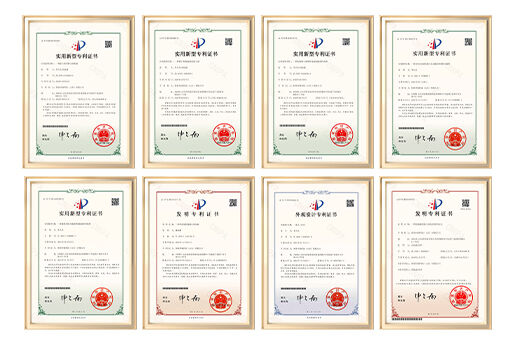
Yongsta R&D Team Wins 3 Dust Removal Technology Patents, Leading Industry Innovation

09

Apr

Yongsta R&D Team Wins 3 Dust Removal Technology Patents, Leading Industry Innovation

View More
Yongsta Cooperates with TUV for ATEX Explosion-Proof Certification, Explosion-Proof Dust Collector to Be Launched Soon

09

Apr

Yongsta Cooperates with TUV for ATEX Explosion-Proof Certification, Explosion-Proof Dust Collector to Be Launched Soon

View More
Empowering Benchmark Manufacturing! Yongsta Cartridge Dust Collector Aids Siemens Transformer China Factory's Dust Removal Renovation and Gains High Recognition

09

Apr

Empowering Benchmark Manufacturing! Yongsta Cartridge Dust Collector Aids Siemens Transformer China Factory's Dust Removal Renovation and Gains High Recognition

View More

Get a Free Quote

Our representative will contact you soon.
Email
Name
Company Name
Message
0/1000

industrial smoke collector

Advanced Multi-Stage Filtration Technology Ensures Maximum Contaminant Removal

Advanced Multi-Stage Filtration Technology Ensures Maximum Contaminant Removal

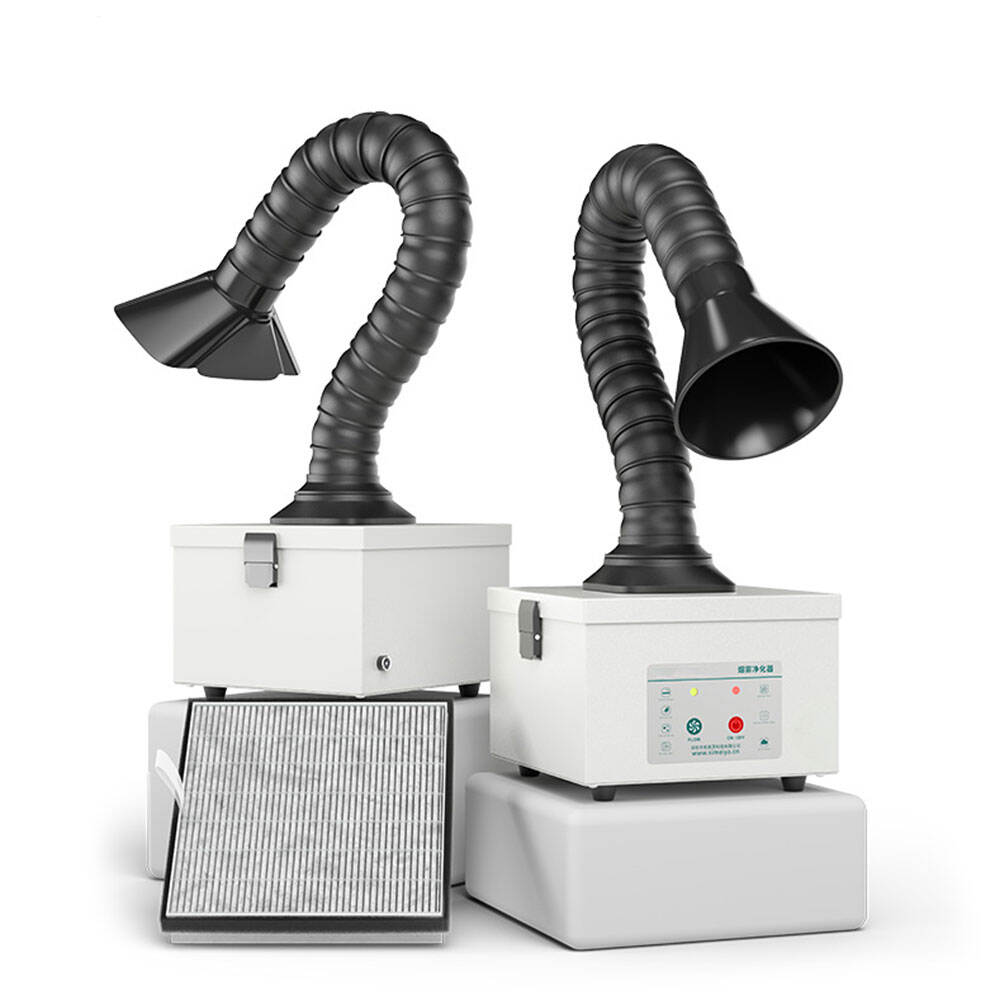
The filtration system within an industrial smoke collector employs a sophisticated multi-stage approach that captures contaminants of varying sizes and chemical compositions with exceptional efficiency. The first stage typically consists of a pre-filter or spark arrestor that captures larger particles, metal sparks, and debris before they reach more delicate filtration media, extending the operational lifespan of downstream components and preventing damage from hot particles generated during welding or cutting operations. This initial barrier proves crucial for facilities working with materials that produce substantial quantities of larger particulates or where grinding operations create metal shavings that could compromise finer filters. The second stage introduces high-efficiency particulate air filters, commonly known as HEPA filters, which represent the core of any industrial smoke collector filtration system. These filters capture microscopic particles down to 0.3 microns with efficiency ratings exceeding 99.97 percent, effectively removing the dangerous metallic fumes, submicron dust, and respirable particles that pose the greatest health risks to workers. The dense fiber matrix within HEPA filters creates a labyrinth that traps particles through multiple mechanisms including interception, impaction, and diffusion, ensuring comprehensive capture even when air flows at high velocities through the system. The third filtration stage often incorporates activated carbon or chemical filters specifically designed to address gaseous contaminants, volatile organic compounds, and odors that pass through particulate filters unchanged. This layer proves essential in operations involving plastics, composites, or chemical processes where fumes contain harmful gases requiring chemical adsorption rather than mechanical filtration. The activated carbon media within an industrial smoke collector provides enormous surface area for contaminant molecules to bond with the carbon structure, effectively scrubbing the air of chemical vapors before release. Modern systems also integrate filter monitoring technology that tracks pressure differential across each filtration stage, alerting maintenance personnel when filters approach saturation and require replacement. This intelligent monitoring prevents system performance degradation and ensures consistent air quality throughout filter lifecycles. The modular design of contemporary filtration cartridges allows maintenance teams to replace individual filter stages quickly without specialized tools or extensive downtime, minimizing disruption to production schedules. Some advanced industrial smoke collector models feature automatic filter cleaning mechanisms that periodically reverse airflow or employ compressed air pulses to dislodge accumulated particles from filter surfaces, extending intervals between manual filter changes and reducing ongoing operational costs.
Flexible Configuration Options Adapt to Diverse Manufacturing Environments

Flexible Configuration Options Adapt to Diverse Manufacturing Environments

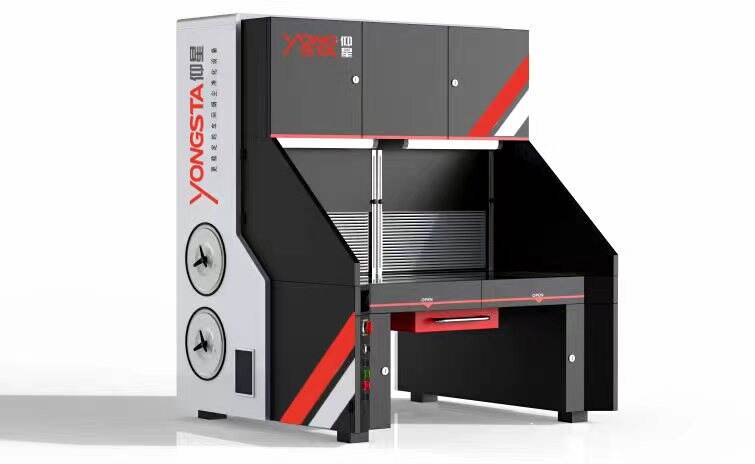
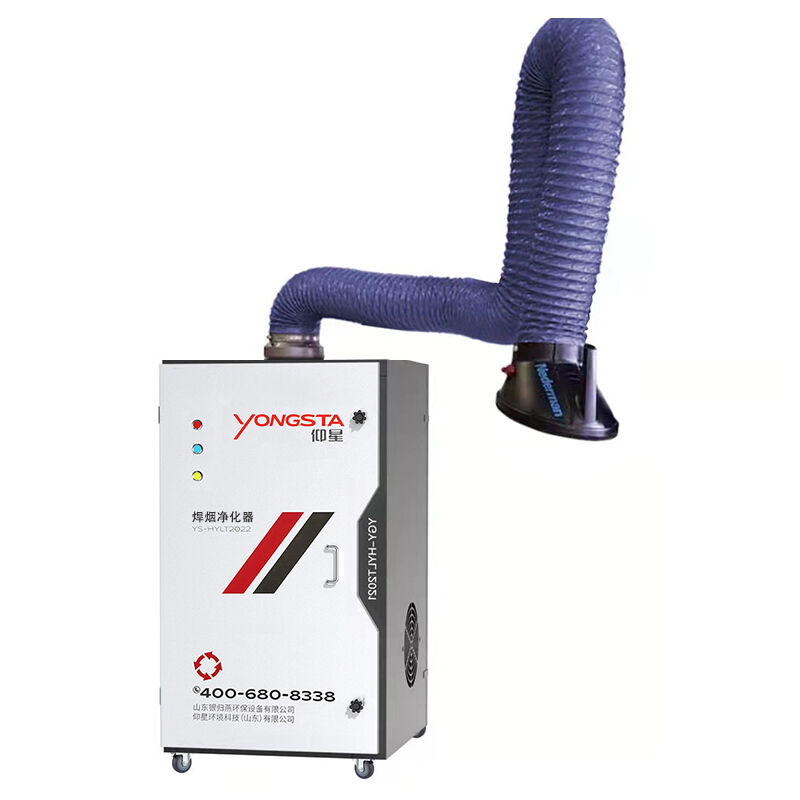
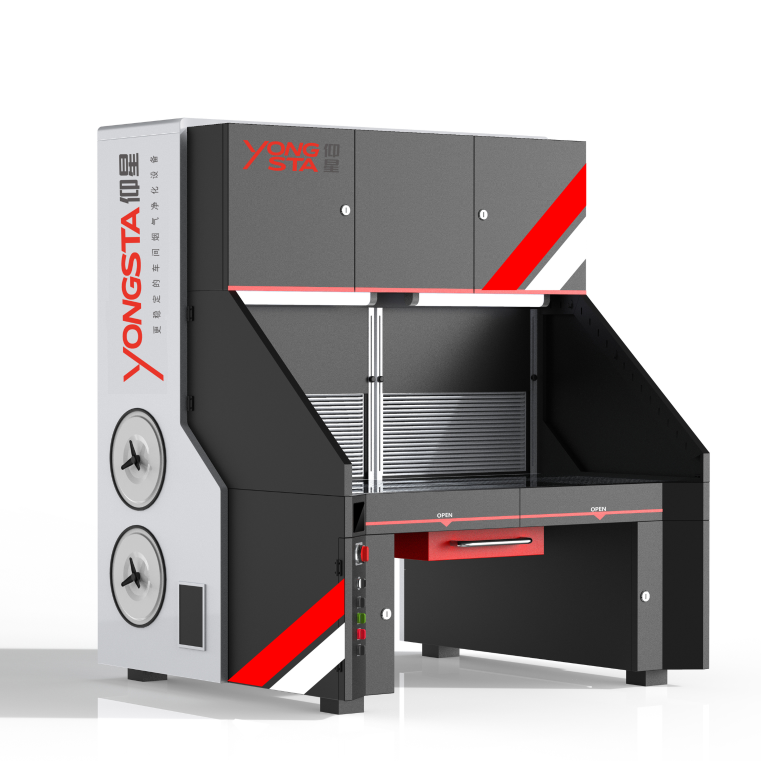
An industrial smoke collector offers remarkable versatility through configurable designs that accommodate the unique spatial constraints, production workflows, and contamination profiles found across different manufacturing facilities. Portable units mounted on heavy-duty casters provide mobility that allows single systems to serve multiple workstations throughout a facility, moving to wherever welding, grinding, or cutting operations occur during different production runs. These mobile industrial smoke collector configurations prove particularly valuable for job shops, maintenance departments, and facilities with frequently changing production layouts where fixed extraction systems would prove impractical or prohibitively expensive. The flexible ducting and articulating arms available with portable units enable operators to position collection hoods precisely at the source of smoke generation, maximizing capture efficiency while minimizing the air volume that requires processing. Stationary centralized systems represent another configuration option, where a single powerful industrial smoke collector serves multiple workstations through a network of ducting that connects to collection points distributed throughout the production floor. This approach delivers economies of scale for large facilities with consistent production patterns, consolidating filtration and fan components into one location that simplifies maintenance while reducing equipment redundancy. The centralized configuration also enables facilities to implement sophisticated control systems that balance airflow across multiple collection points, automatically adjusting suction at individual stations based on real-time contamination monitoring. Downdraft table integration provides yet another configuration where an industrial smoke collector connects directly to workbenches featuring perforated surfaces that draw contaminated air downward through the work surface, capturing fumes and particles at their source before they rise into the breathing zone. This configuration excels in applications involving small parts, detailed work, or processes where overhead collection hoods would obstruct visibility or interfere with material handling equipment. Source capture arms with flexible positioning represent a popular accessory that extends the reach of an industrial smoke collector to specific work areas, featuring articulating joints that hold position without drift while allowing operators to adjust hood placement quickly as work progresses. The variety of hood designs available includes flanged openings for general capture, slotted hoods for linear processes, and enclosing designs for operations generating high contamination volumes. Outdoor installation options enable facilities to locate the main industrial smoke collector unit outside the production building, recovering valuable floor space while isolating filter maintenance activities from production areas. This configuration requires weather-resistant enclosures and appropriate climate considerations but offers significant advantages for space-constrained facilities.
Smart Control Systems Optimize Performance While Reducing Operating Costs

Smart Control Systems Optimize Performance While Reducing Operating Costs

Contemporary industrial smoke collector systems incorporate intelligent control technology that continuously monitors operating parameters, adjusts performance dynamically, and provides actionable data that helps facilities optimize air quality management while minimizing energy consumption. Variable frequency drives represent a foundational control element, modulating motor speed in response to actual contamination levels rather than running at constant maximum capacity regardless of need. This intelligent speed control reduces electricity consumption dramatically during periods of low production activity or when contamination generation decreases, with some facilities reporting energy savings exceeding forty percent compared to fixed-speed systems. The variable frequency drive within an industrial smoke collector also enables soft-start capabilities that reduce mechanical stress on motors and fans during startup, extending equipment lifespan and reducing maintenance requirements over years of operation. Integrated sensors continuously measure air quality parameters including particulate concentration, airflow velocity, and filter pressure differential, feeding this data to programmable logic controllers that make real-time adjustments to maintain optimal performance. These sensors enable an industrial smoke collector to respond immediately when welding operations commence or when grinding activities generate sudden increases in airborne contamination, ramping up suction power automatically without operator intervention. The control systems also track cumulative operating hours, filter loading rates, and maintenance intervals, generating alerts when service activities become necessary and preventing unexpected system failures that could compromise air quality or halt production. Touchscreen interfaces provide operators with intuitive access to system status information, performance metrics, and configuration settings, eliminating the need for complex button combinations or cryptic indicator lights found on older equipment. Remote monitoring capabilities available in advanced industrial smoke collector models enable facilities managers to track air quality and system performance from smartphones or computers, receiving instant notifications if problems develop and accessing historical data that reveals trends in contamination generation or filter consumption. This connectivity proves invaluable for multi-site operations where centralized environmental health and safety teams oversee air quality across geographically distributed facilities. Energy management features built into premium control systems include scheduling functions that automatically reduce system operation during breaks, shift changes, or non-production periods, ensuring the industrial smoke collector operates only when necessary while maintaining compliance with ventilation requirements. Some systems integrate with building management platforms, coordinating operation with HVAC systems, production equipment, and facility lighting to optimize overall energy consumption. Diagnostic capabilities embedded in modern controllers continuously monitor motor current, vibration signatures, and temperature profiles, detecting developing problems before they cause failures and enabling predictive maintenance strategies that minimize unplanned downtime.

Get a Free Quote

Our representative will contact you soon.
Email
Name
Company Name
Message
0/1000
email goToTop