Industrial Fume Extraction System - Advanced Air Quality Solutions for Safe Manufacturing

Get a Free Quote

Our representative will contact you soon.
Email
Name
Company Name
Message
0/1000

industrial fume extraction system

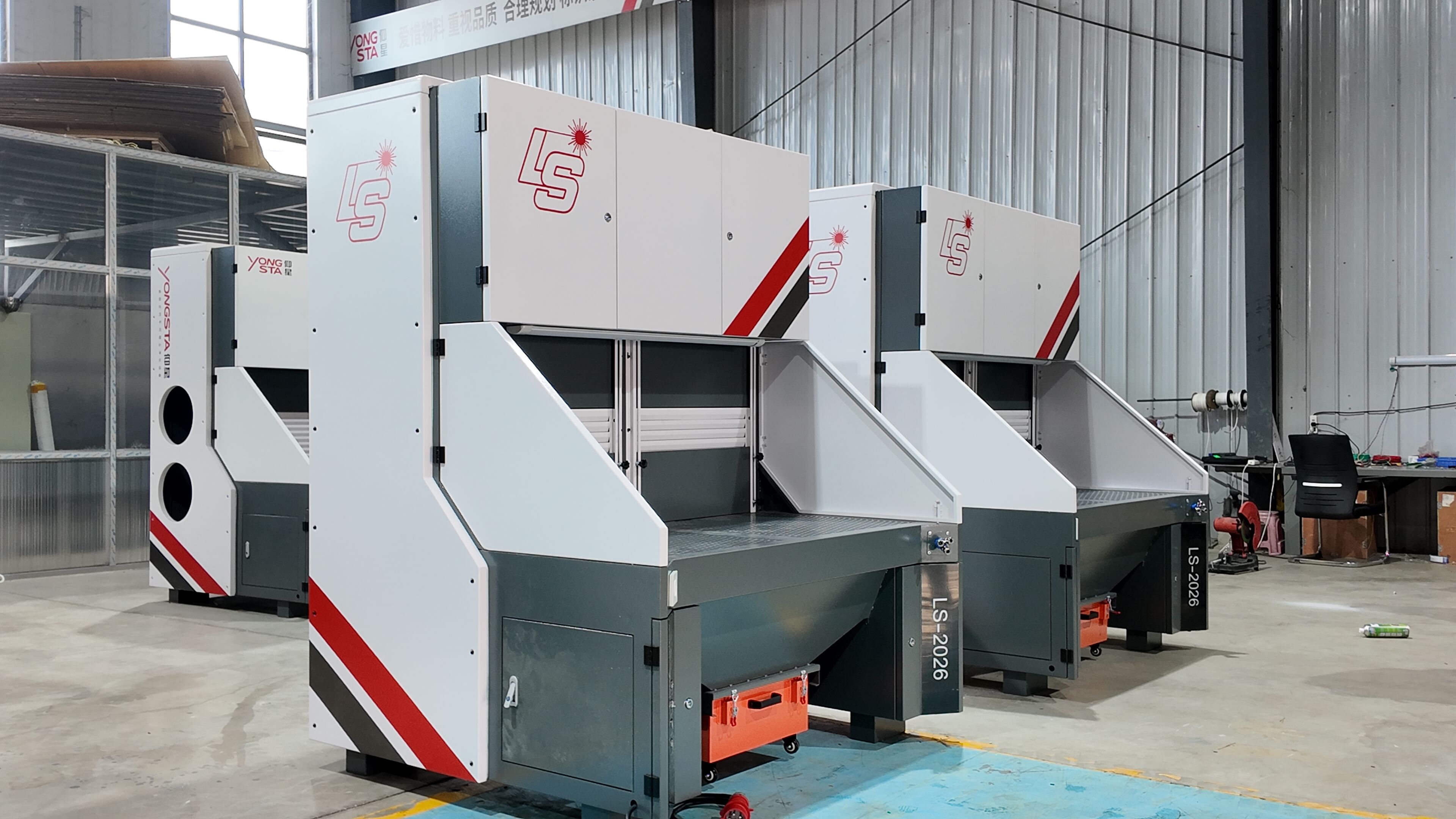
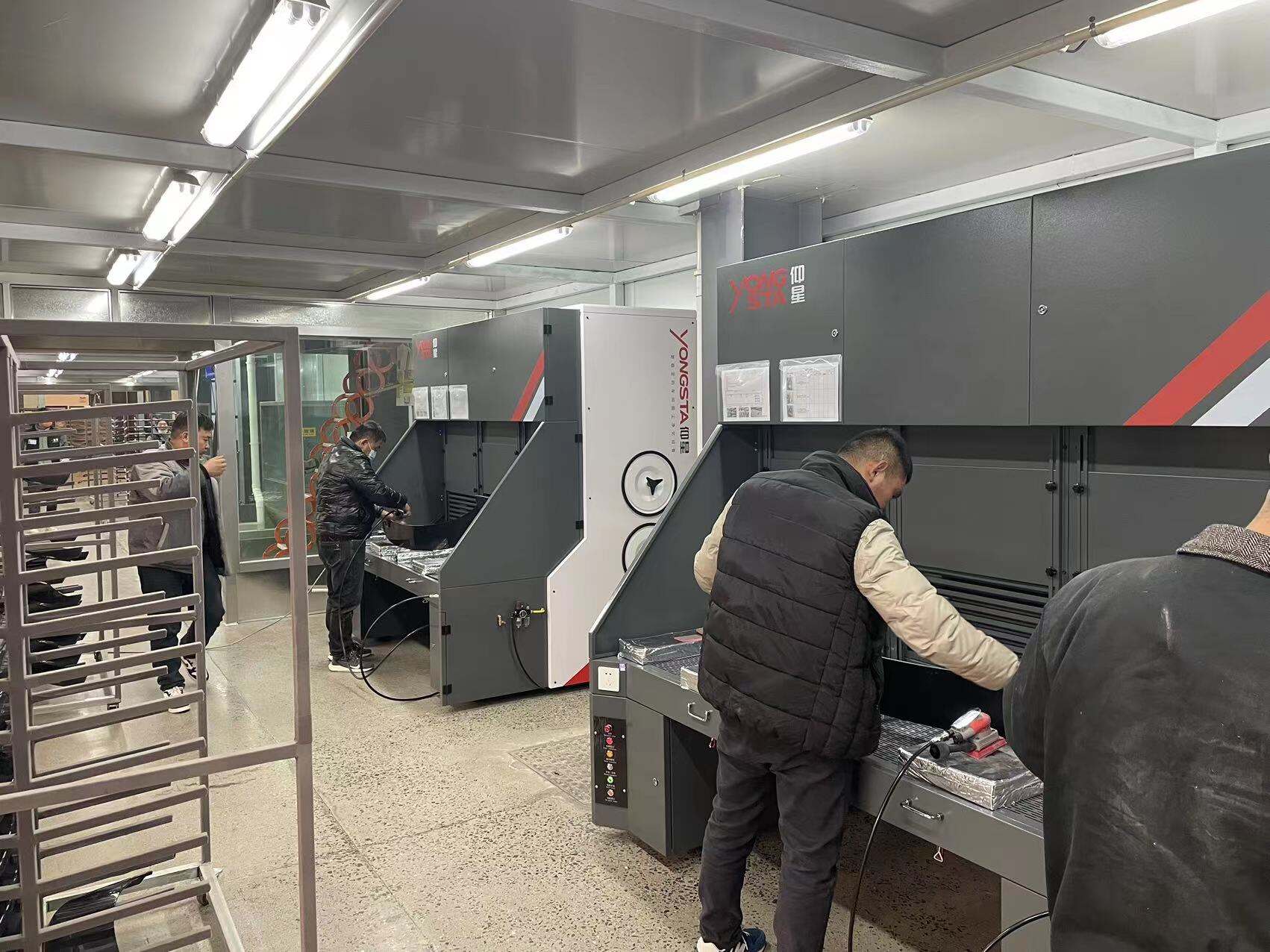
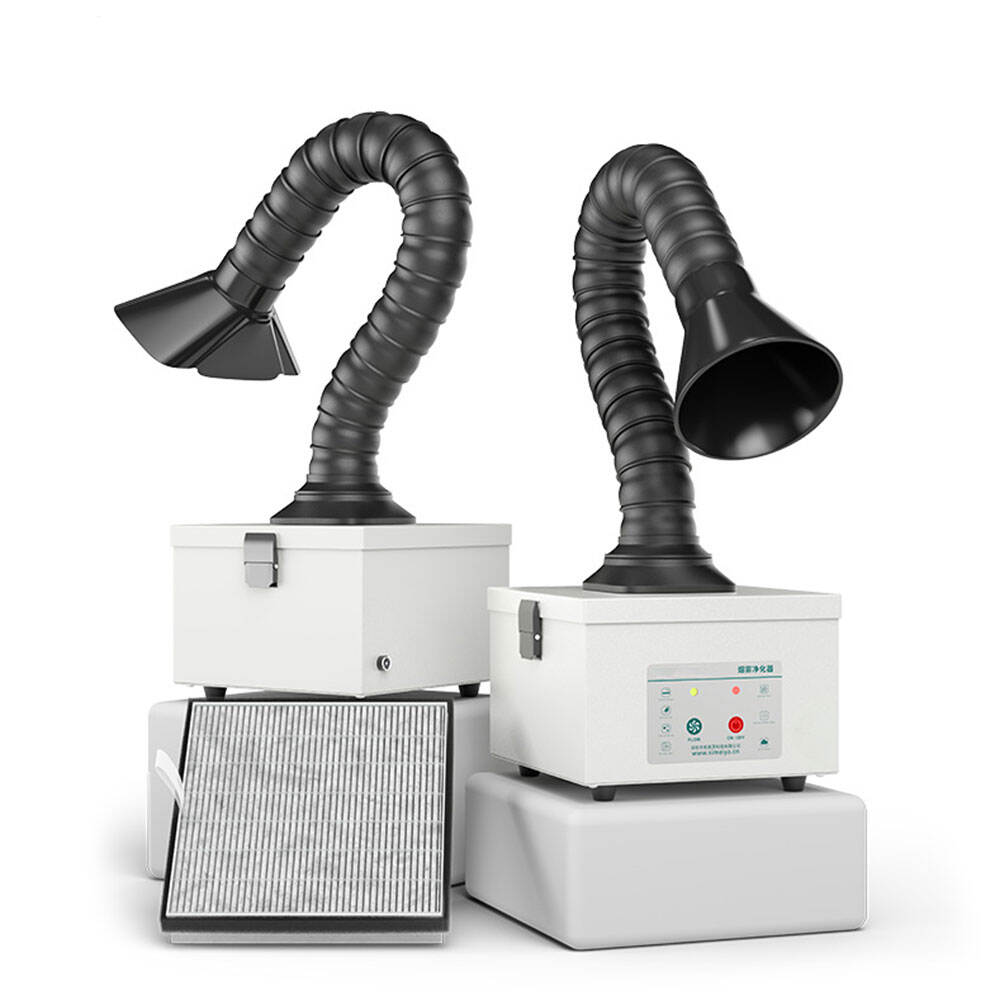
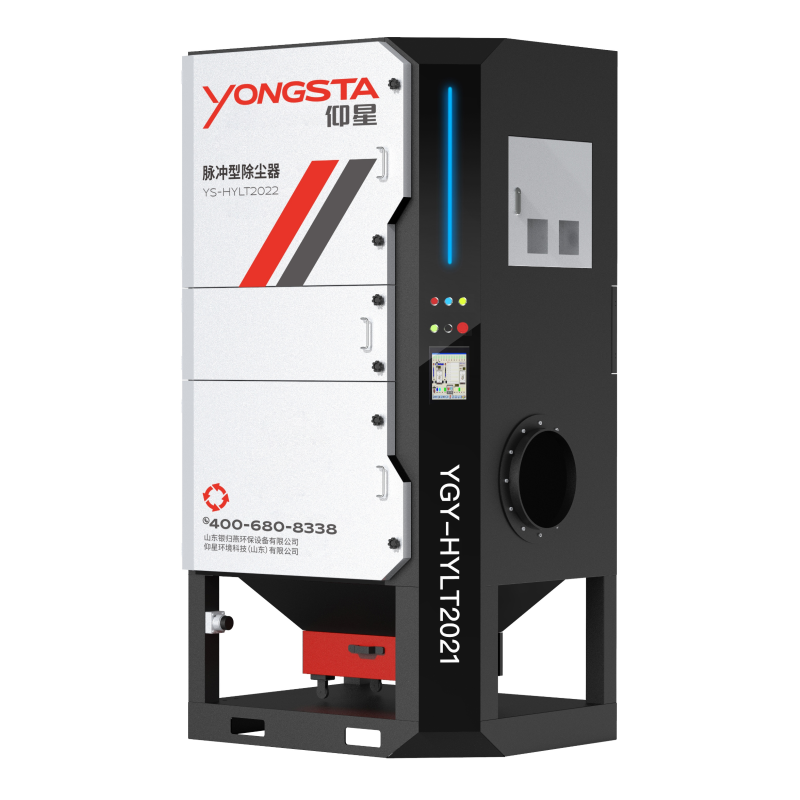
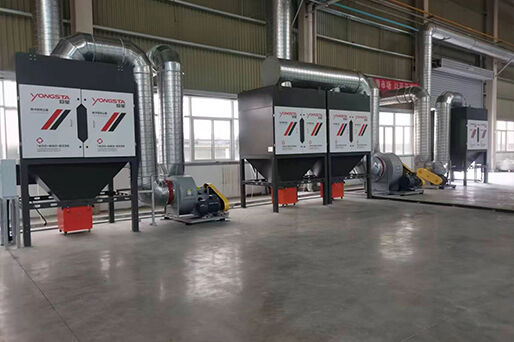
An industrial fume extraction system represents a critical component in modern manufacturing and production facilities, designed to capture, filter, and remove harmful airborne contaminants generated during various industrial processes. These sophisticated systems protect workers from hazardous fumes, smoke, dust particles, and chemical vapors that can pose serious health risks and compromise air quality standards. The primary function of an industrial fume extraction system involves drawing contaminated air away from the source of emission through strategically positioned capture hoods or extraction arms, then processing this air through multiple filtration stages before either recirculating it back into the workspace or exhausting it safely outdoors. The technological architecture of these systems incorporates powerful motor-driven fans that create negative pressure zones, effectively pulling pollutants away from breathing zones and work areas. Advanced filtration technologies employed in these systems include HEPA filters for fine particulate matter, activated carbon filters for chemical vapors and odors, and electrostatic precipitators for submicron particles. Modern industrial fume extraction systems feature intelligent control panels that allow operators to adjust extraction rates based on real-time air quality monitoring, ensuring optimal performance while minimizing energy consumption. Applications span across diverse industries including welding operations, metalworking facilities, pharmaceutical manufacturing, chemical processing plants, automotive production lines, electronics assembly, woodworking shops, and laser cutting operations. In welding environments, these systems capture metal fumes and grinding dust that can cause respiratory diseases. Chemical processing facilities rely on extraction systems to manage corrosive vapors and toxic gases. Electronics manufacturers use them to control solder fumes and flux emissions. The versatility of industrial fume extraction systems makes them indispensable for maintaining regulatory compliance with occupational safety standards such as OSHA requirements and environmental protection regulations. These systems can be configured as centralized installations serving multiple workstations or as portable units for flexible deployment across changing production layouts, providing comprehensive air quality management solutions tailored to specific operational needs.

New Product Recommendations

Implementing an industrial fume extraction system delivers substantial benefits that directly impact your bottom line and operational efficiency. First and foremost, these systems create a healthier workplace by removing dangerous airborne contaminants before they can harm your employees. When workers breathe cleaner air, they experience fewer respiratory problems, reduced sick days, and improved overall wellbeing, which translates to higher productivity and lower healthcare costs for your organization. Beyond health protection, these systems help you meet strict government regulations and avoid costly fines or shutdowns that result from non-compliance with air quality standards. Regulatory agencies conduct regular inspections, and having a properly functioning extraction system demonstrates your commitment to safety and legal compliance. The financial advantages extend to reduced insurance premiums, as many insurance providers offer lower rates to facilities that invest in comprehensive safety equipment. Your production quality improves significantly when airborne particles and fumes are removed from the environment. Contaminants that settle on products, machinery, or work surfaces can cause defects, requiring expensive rework or product rejection. Clean air means fewer quality control issues and less material waste. The systems also protect your valuable equipment from corrosive fumes and particle buildup that accelerate wear and tear, extending machinery lifespan and reducing maintenance expenses. Energy efficiency represents another key advantage, as modern extraction systems use variable speed drives and smart controls to operate only when needed and at optimal levels, cutting electricity costs compared to older constant-speed models. Employee morale and retention benefit greatly from demonstrating that you prioritize their safety and comfort. Workers appreciate employers who invest in their wellbeing, leading to reduced turnover and easier recruitment of skilled personnel. The improved visibility in your workspace is an often-overlooked benefit, as removing smoke and haze allows workers to see their tasks more clearly, reducing errors and accidents. Environmental responsibility becomes achievable through proper filtration and emission control, enhancing your company's reputation with customers and communities who increasingly value sustainable practices. Flexible system designs allow you to adapt extraction capacity as your operations grow or change, protecting your investment over the long term. The noise reduction features in quality systems create a more comfortable acoustic environment, further improving working conditions. Installation options range from simple plug-and-play portable units to sophisticated networked systems, ensuring you can find a solution matching your budget and technical requirements without compromising on performance or safety standards.

Tips And Tricks

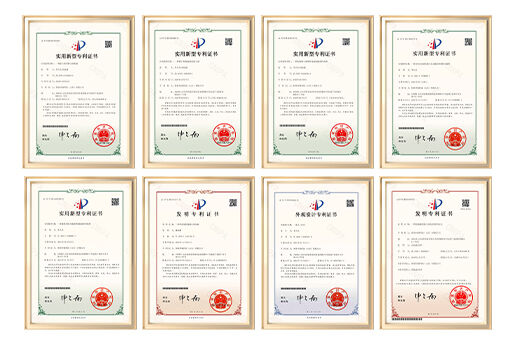
Yongsta R&D Team Wins 3 Dust Removal Technology Patents, Leading Industry Innovation

09

Apr

Yongsta R&D Team Wins 3 Dust Removal Technology Patents, Leading Industry Innovation

View More
Yongsta Cooperates with TUV for ATEX Explosion-Proof Certification, Explosion-Proof Dust Collector to Be Launched Soon

09

Apr

Yongsta Cooperates with TUV for ATEX Explosion-Proof Certification, Explosion-Proof Dust Collector to Be Launched Soon

View More
Empowering Benchmark Manufacturing! Yongsta Cartridge Dust Collector Aids Siemens Transformer China Factory's Dust Removal Renovation and Gains High Recognition

09

Apr

Empowering Benchmark Manufacturing! Yongsta Cartridge Dust Collector Aids Siemens Transformer China Factory's Dust Removal Renovation and Gains High Recognition

View More

Get a Free Quote

Our representative will contact you soon.
Email
Name
Company Name
Message
0/1000

industrial fume extraction system

Advanced Multi-Stage Filtration Technology Ensures Maximum Contaminant Removal

Advanced Multi-Stage Filtration Technology Ensures Maximum Contaminant Removal

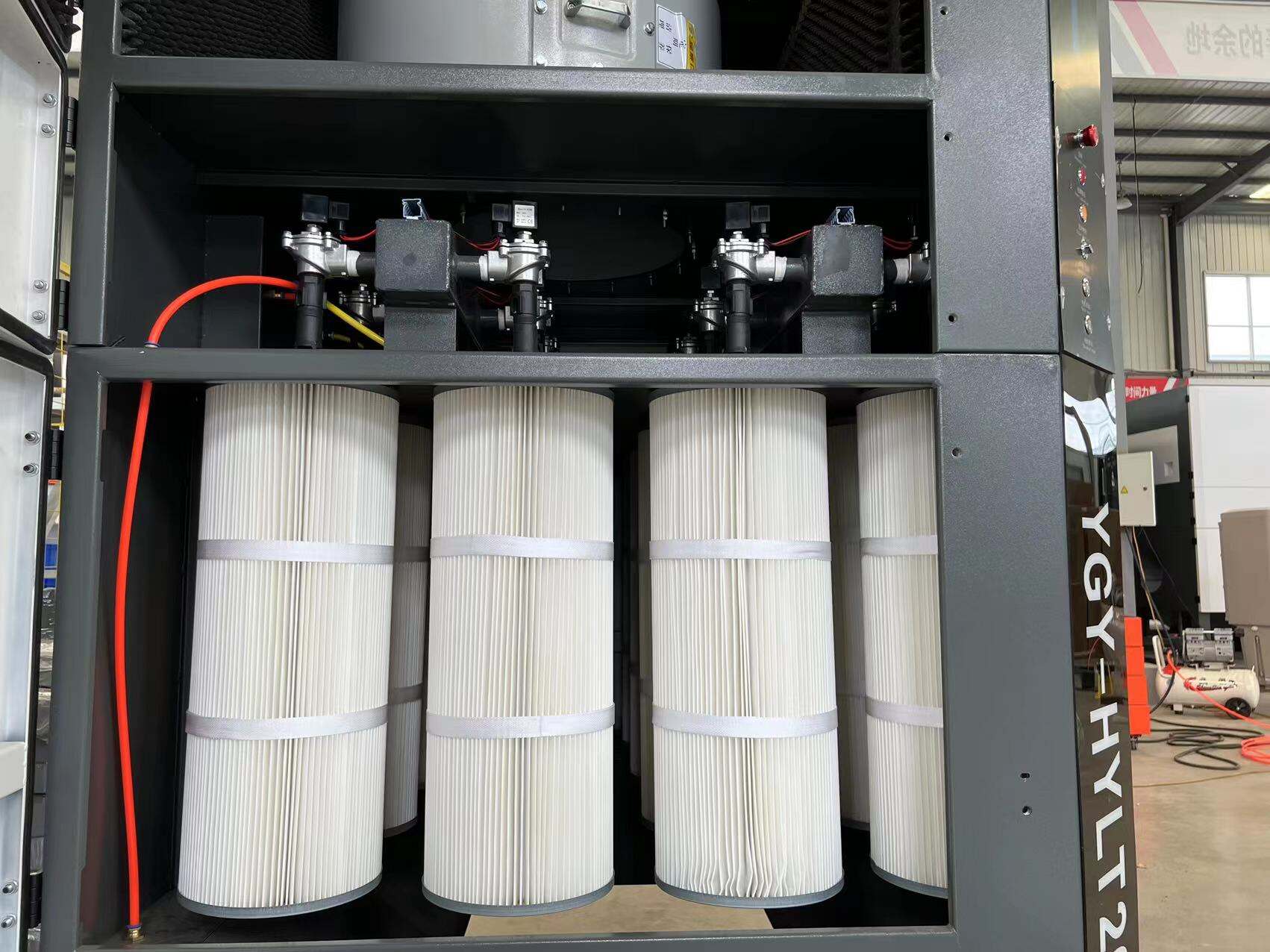
The cornerstone of any effective industrial fume extraction system lies in its filtration technology, and modern systems employ sophisticated multi-stage filtration processes that capture virtually all harmful contaminants before air is returned to the workspace or released outdoors. This advanced approach begins with pre-filters that trap larger particles such as welding spatter, metal shavings, and coarse dust, preventing these materials from clogging downstream filters and extending the overall system lifespan. The pre-filtration stage typically uses washable or replaceable mesh screens or foam filters that are economical to maintain and easy to service. Following pre-filtration, the air stream passes through primary filters, often utilizing high-efficiency particulate air filters that capture particles as small as 0.3 microns with efficiency ratings exceeding 99.97 percent. These HEPA-grade filters are essential for removing fine metal fumes, combustion particles, and other respirable hazards that pose the greatest health risks to workers. For applications involving chemical vapors, organic compounds, or odorous emissions, activated carbon filtration stages provide molecular-level adsorption, chemically binding contaminants to the carbon surface and preventing their release. The activated carbon can be specially treated or impregnated with specific compounds to target particular chemicals, offering customized protection for unique industrial processes. Some advanced industrial fume extraction systems incorporate electrostatic precipitation technology, which uses high-voltage electrical fields to charge particles and collect them on oppositely charged plates, achieving exceptional efficiency for submicron particles and oil mists that challenge conventional filters. This technology operates with minimal pressure drop, reducing energy consumption while maintaining superior capture rates. The multi-stage approach ensures redundancy, so if one filtration level becomes saturated or damaged, subsequent stages continue providing protection until maintenance can be performed. Modern systems include filter monitoring technology with pressure differential sensors that alert operators when filters require replacement, preventing system degradation and maintaining consistent performance. The modular design of filtration stages allows facilities to configure systems precisely for their specific contaminant profiles, avoiding over-engineering while ensuring adequate protection. This customization capability means welding operations can emphasize particulate filtration, while chemical processing facilities can prioritize vapor adsorption, optimizing both performance and operating costs for each unique application environment.
Flexible Capture Solutions Adapt to Diverse Workspace Configurations and Processes

Flexible Capture Solutions Adapt to Diverse Workspace Configurations and Processes

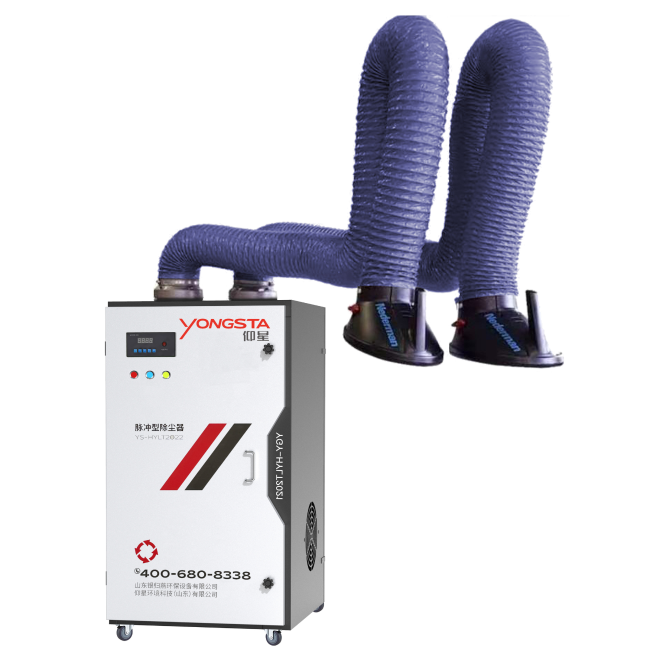
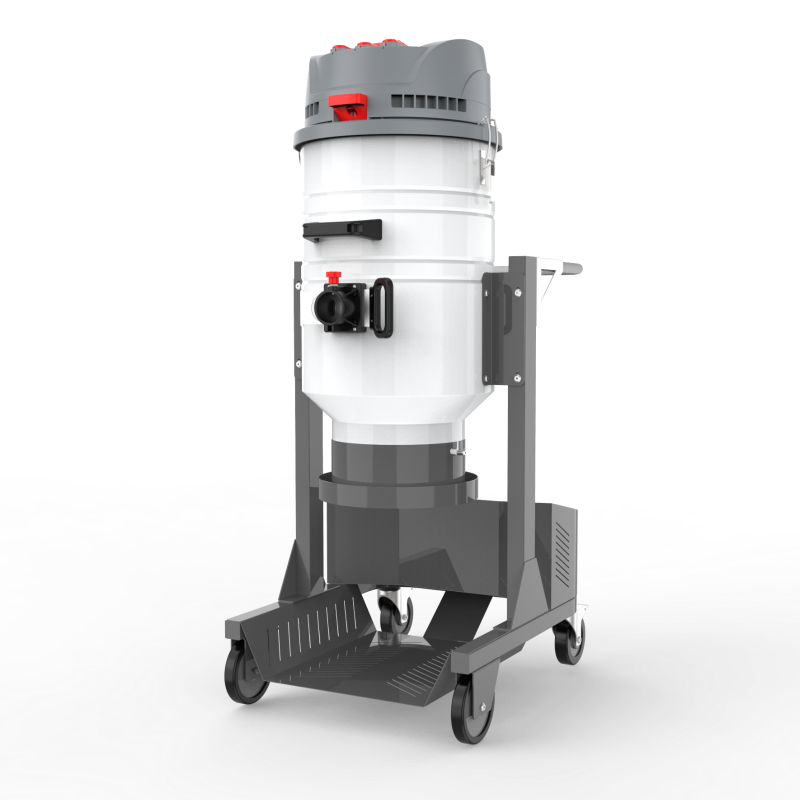
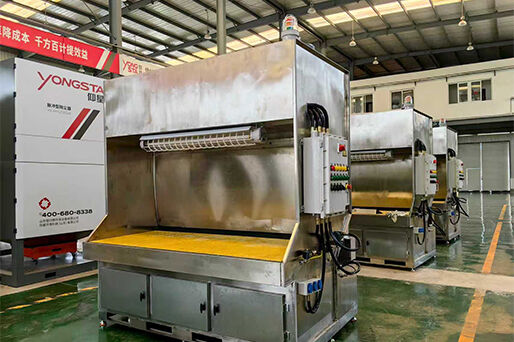
Industrial facilities face constantly evolving production demands, changing layouts, and diverse emission sources that require adaptable extraction solutions rather than rigid, fixed installations. Modern industrial fume extraction systems address this challenge through flexible capture technologies that can be positioned, repositioned, and configured to match your specific operational needs. Articulating extraction arms represent one of the most versatile capture solutions, featuring multiple joints and friction or spring-balanced mechanisms that allow workers to position the capture hood precisely at the emission source, then easily move it aside when not needed. These arms extend several feet from wall or bench-mounted bases, providing reach to various points across workstations without obstructing movement or workflow. The capture hoods themselves come in numerous designs, including flanged openings for general capture, slotted hoods for linear sources like welding seams, and enclosed hoods for high-volume emission points. For larger work areas or processes where fixed capture points are impractical, mobile extraction units mounted on casters provide complete portability, allowing a single system to serve multiple workstations or follow work as it moves through the facility. These portable industrial fume extraction systems include self-contained filtration and fans, requiring only electrical connection to operate, making them ideal for job shops, maintenance operations, or facilities with frequently changing production schedules. Overhead capture systems using canopy hoods or downdraft tables offer alternatives for specific applications, with downdraft tables particularly effective for grinding, sanding, and other operations that generate heavy particles that naturally fall. The negative pressure created by these tables pulls contaminants downward away from the breathing zone before they can disperse into the broader workspace. For high-production environments with consistent emission points, ducted systems with multiple capture points connected to centralized filtration and exhaust fans provide efficient, permanent solutions. These systems can incorporate blast gates or dampers at each capture point, allowing operators to activate only the extraction needed for current operations, conserving energy and maintaining optimal capture velocity at active points. The flexibility extends to system expansion, as modular designs allow additional capture points, filtration capacity, or fan power to be added as production grows without replacing the entire installation. Smart control systems enable coordination between multiple capture points and central equipment, automatically adjusting fan speeds and airflow distribution based on which stations are active. This intelligent management ensures consistent capture performance while minimizing energy waste from over-ventilation. The combination of mechanical flexibility in capture hardware and intelligent control flexibility in system operation means your industrial fume extraction system grows and adapts with your business rather than becoming obsolete as needs change.
Energy-Efficient Operation Reduces Costs While Maintaining Superior Performance

Energy-Efficient Operation Reduces Costs While Maintaining Superior Performance

Operating costs represent a significant concern for any industrial equipment investment, and industrial fume extraction systems have historically been viewed as energy-intensive necessities that drive up utility expenses. However, modern system designs incorporate numerous energy-saving technologies that dramatically reduce operating costs while maintaining or even improving contaminant capture performance compared to older constant-speed systems. Variable frequency drives stand at the forefront of these efficiency improvements, allowing fan motors to operate at precisely the speed needed for current conditions rather than running continuously at maximum capacity. When fewer workstations are active or emission levels are lower, the system automatically reduces fan speed, cutting energy consumption proportionally while still maintaining adequate capture velocity at active points. This intelligent speed modulation can reduce energy use by 30 to 60 percent compared to fixed-speed operation, generating substantial savings over the system's operational lifetime. Pressure sensors throughout the ductwork and filtration stages provide real-time feedback to control systems, enabling automatic adjustment of fan speed to compensate for filter loading or changes in system resistance, maintaining consistent airflow without manual intervention. High-efficiency motors meeting or exceeding premium efficiency standards further reduce electrical consumption, and when combined with optimized fan designs featuring aerodynamic impellers and housings, these components minimize energy conversion losses. The multi-stage filtration approach itself contributes to efficiency by distributing the particle load across multiple filter types, preventing rapid pressure buildup that would force fans to work harder. Pre-filters capture bulk material inexpensively, preserving expensive HEPA and carbon filters for finer contaminants they are designed to handle, extending filter life and reducing replacement frequency. Some advanced industrial fume extraction systems incorporate heat recovery capabilities, capturing thermal energy from exhaust air and using it to pre-heat incoming fresh air or process water, reclaiming energy that would otherwise be wasted. For facilities in moderate climates, recirculation modes allow filtered air to be returned to the workspace rather than exhausted outdoors, eliminating the need to condition replacement air and providing substantial heating and cooling cost savings. Smart scheduling features enable systems to enter low-power standby modes during breaks, shift changes, or non-production periods, then automatically resume full operation when work resumes. Occupancy sensors and production monitoring integrations can trigger these modes automatically, ensuring energy is never wasted on extraction when no emissions are being generated. The cumulative effect of these efficiency technologies means modern systems often pay for themselves through energy savings alone within a few years of installation, even before considering the value of improved health outcomes, regulatory compliance, and production quality. Facilities can further optimize costs by right-sizing systems to actual needs rather than over-designing for worst-case scenarios, using portable supplemental units to handle occasional high-demand situations rather than permanently installing excess capacity that sits idle most of the time. Energy monitoring features built into control panels provide visibility into consumption patterns, helping facility managers identify opportunities for further optimization and demonstrating the return on investment to stakeholders who control capital budgets.

Get a Free Quote

Our representative will contact you soon.
Email
Name
Company Name
Message
0/1000
email goToTop