Dust Control Workbench - Advanced Filtration Systems for Clean, Safe Workspaces

Get a Free Quote

Our representative will contact you soon.
Email
Name
Company Name
Message
0/1000

dust control workbench

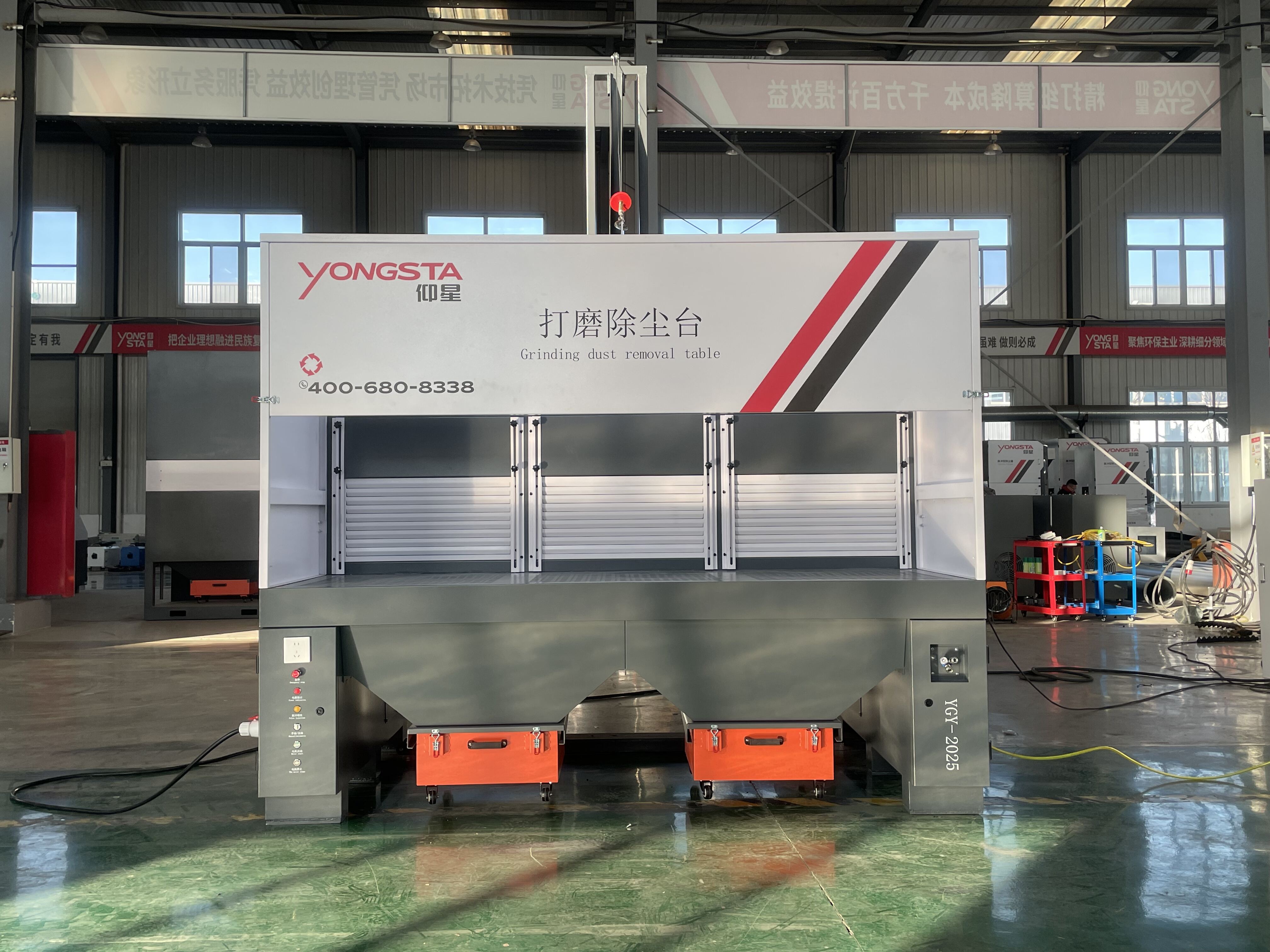
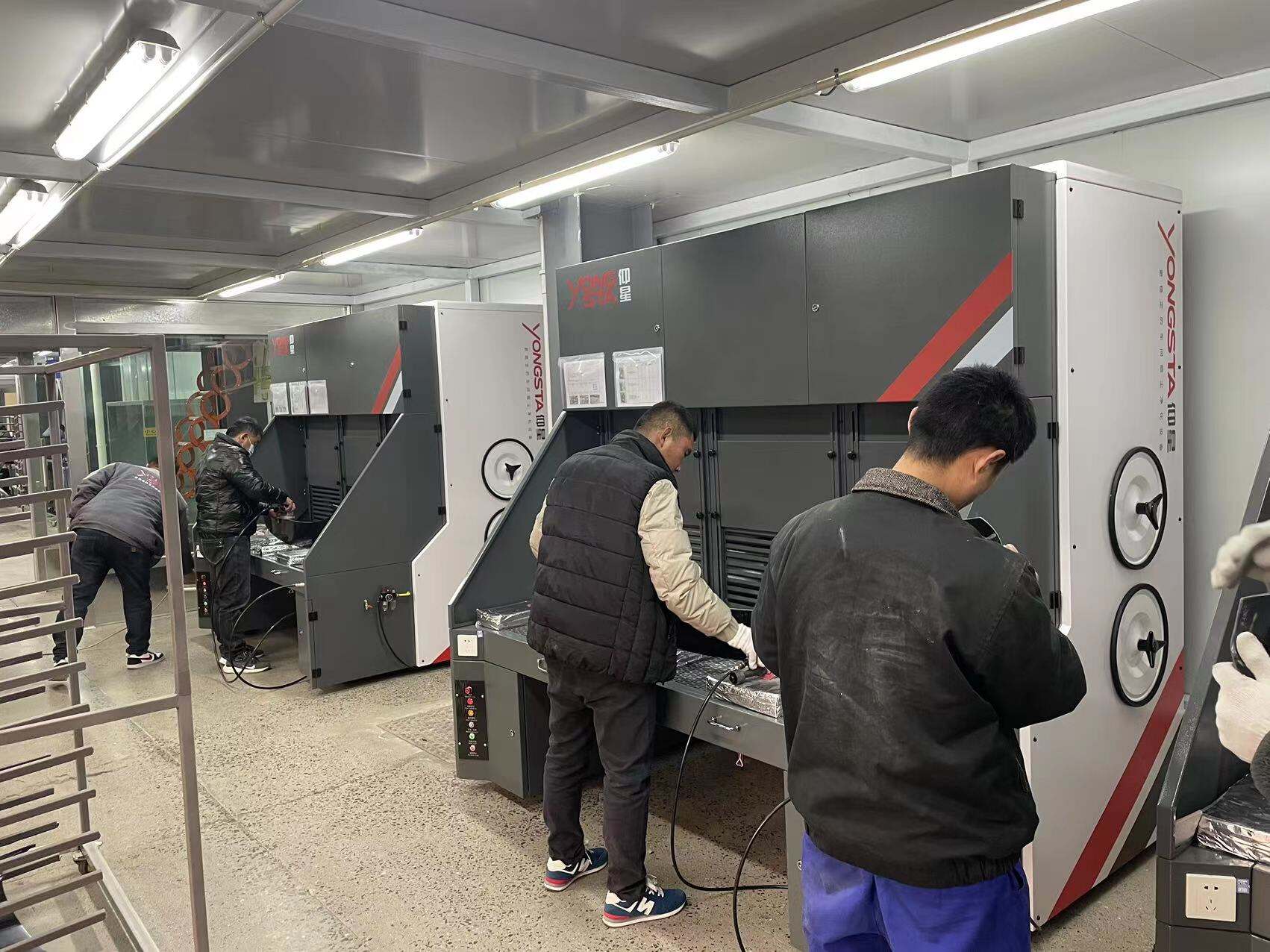
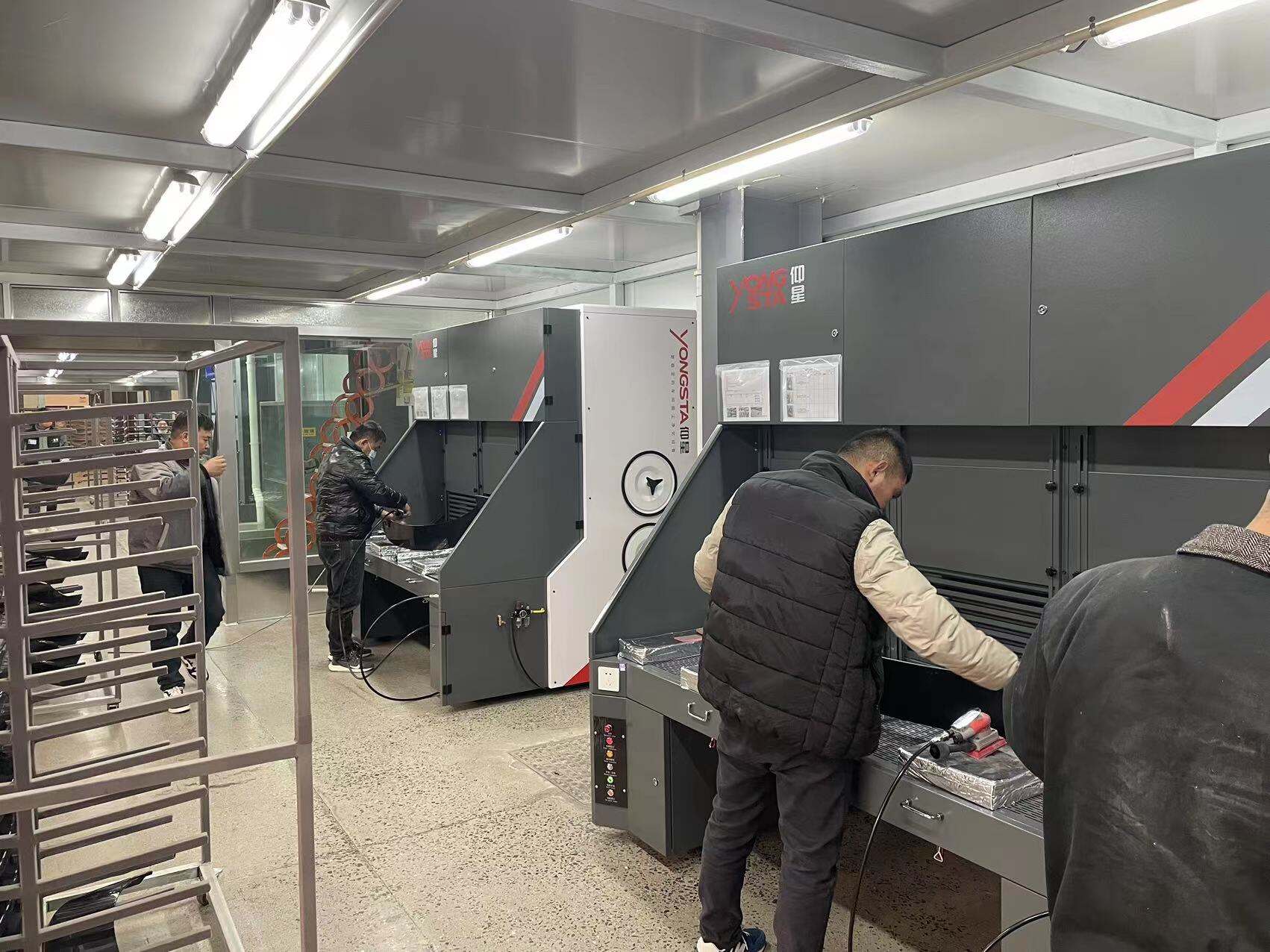
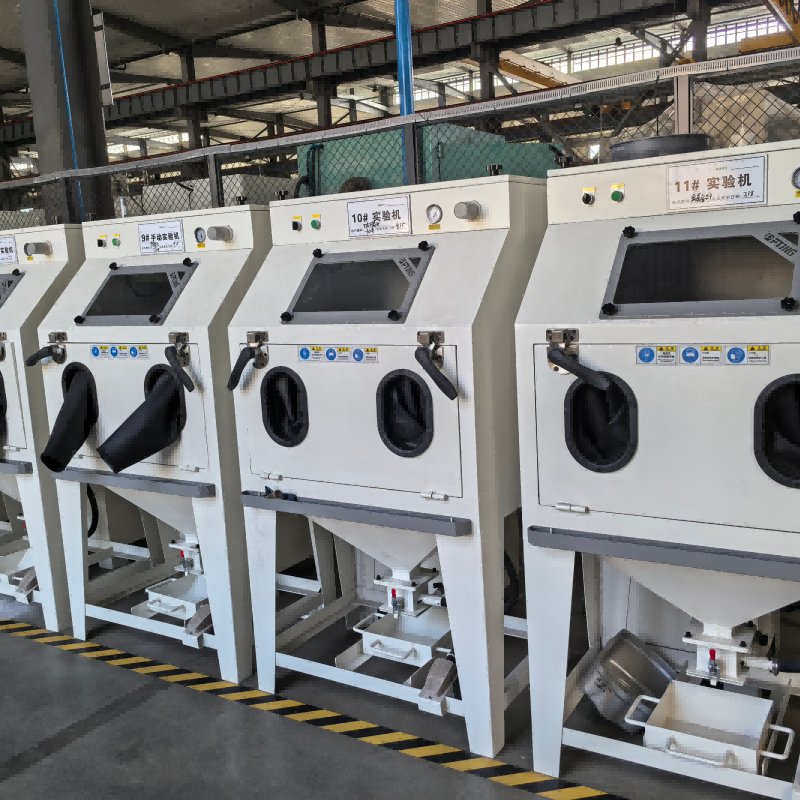
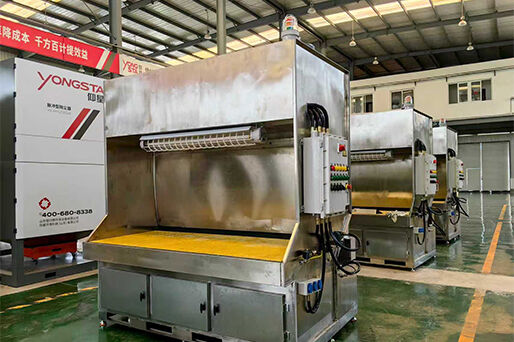
A dust control workbench represents an essential piece of equipment designed to maintain clean and safe working environments across various industrial and commercial settings. This specialized workstation integrates advanced filtration systems with ergonomic workspace design to capture airborne particles, contaminants, and hazardous dust at the source of generation. The dust control workbench functions as a self-contained unit that provides operators with a dedicated area to perform tasks that produce dust, fumes, or fine particulates while simultaneously protecting both the worker and the surrounding environment from harmful exposure. The primary mechanism involves a powerful extraction system that draws contaminated air through high-efficiency filters, removing particles before recirculating clean air back into the workspace or exhausting it safely outdoors. Modern dust control workbench units feature adjustable airflow controls, allowing operators to customize suction power based on the specific application and material being processed. The workbench surface typically consists of perforated or slotted materials that facilitate even air distribution across the entire work area, ensuring comprehensive particle capture regardless of where dust generation occurs. These systems prove invaluable in industries such as pharmaceutical manufacturing, electronics assembly, woodworking, metalworking, composite fabrication, and laboratory research where dust contamination poses risks to product quality, equipment functionality, or human health. The dust control workbench design incorporates features like adjustable height settings, integrated lighting, tool storage compartments, and static-dissipative surfaces to enhance productivity while maintaining contamination control. Advanced models include digital monitoring systems that track filter saturation levels, airflow rates, and maintenance schedules to ensure optimal performance. The versatility of the dust control workbench makes it suitable for applications ranging from delicate precision work with fine powders to more robust operations involving grinding, sanding, or polishing activities that generate substantial particulate matter.

New Products

Implementing a dust control workbench in your facility delivers immediate and measurable benefits that extend far beyond simple cleanliness. Workers experience significantly improved health outcomes when a dust control workbench removes harmful particles from their breathing zone, reducing respiratory issues, allergic reactions, and long-term health complications associated with dust exposure. The investment in a dust control workbench pays dividends through decreased absenteeism, lower workers compensation claims, and enhanced employee morale as staff appreciate working in cleaner, safer conditions. Product quality sees dramatic improvement when a dust control workbench eliminates contamination that could compromise manufacturing processes, particularly in sensitive industries where even microscopic particles cause defects or failures. Companies report substantial cost savings from reduced cleaning requirements, as the dust control workbench captures particles before they settle on equipment, floors, and surfaces throughout the facility. Maintenance expenses decrease when a dust control workbench prevents dust accumulation inside machinery and electronic components, extending equipment lifespan and reducing unexpected breakdowns. Regulatory compliance becomes straightforward with a dust control workbench that helps meet OSHA standards, EPA requirements, and industry-specific guidelines for air quality and worker protection. The dust control workbench creates a more professional appearance for facilities, impressing clients and auditors while demonstrating commitment to safety and quality standards. Energy efficiency improves because a dust control workbench with recirculation capabilities reduces heating and cooling costs by filtering and returning conditioned air rather than exhausting it outdoors. Flexibility represents another key advantage, as a dust control workbench can be relocated or reconfigured to accommodate changing production needs without extensive facility modifications. The contained workspace provided by a dust control workbench allows multiple operations to occur simultaneously in the same area without cross-contamination concerns. Productivity increases when workers spend less time on cleanup and more time on value-added activities, while the ergonomic design of a dust control workbench reduces fatigue and physical strain. Insurance premiums may decrease when companies demonstrate proactive dust control measures through dust control workbench installation, as insurers recognize reduced risk exposure. The dust control workbench also protects valuable inventory and raw materials from contamination, preventing waste and ensuring consistent quality throughout production runs.

Latest News

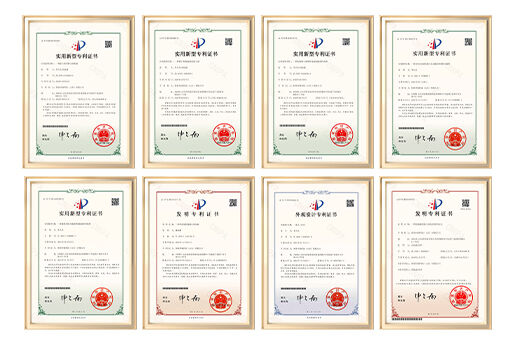
Yongsta R&D Team Wins 3 Dust Removal Technology Patents, Leading Industry Innovation

09

Apr

Yongsta R&D Team Wins 3 Dust Removal Technology Patents, Leading Industry Innovation

View More
Yongsta Cooperates with TUV for ATEX Explosion-Proof Certification, Explosion-Proof Dust Collector to Be Launched Soon

09

Apr

Yongsta Cooperates with TUV for ATEX Explosion-Proof Certification, Explosion-Proof Dust Collector to Be Launched Soon

View More
Empowering Benchmark Manufacturing! Yongsta Cartridge Dust Collector Aids Siemens Transformer China Factory's Dust Removal Renovation and Gains High Recognition

09

Apr

Empowering Benchmark Manufacturing! Yongsta Cartridge Dust Collector Aids Siemens Transformer China Factory's Dust Removal Renovation and Gains High Recognition

View More

Get a Free Quote

Our representative will contact you soon.
Email
Name
Company Name
Message
0/1000

dust control workbench

Advanced Filtration Technology for Maximum Particle Capture

Advanced Filtration Technology for Maximum Particle Capture

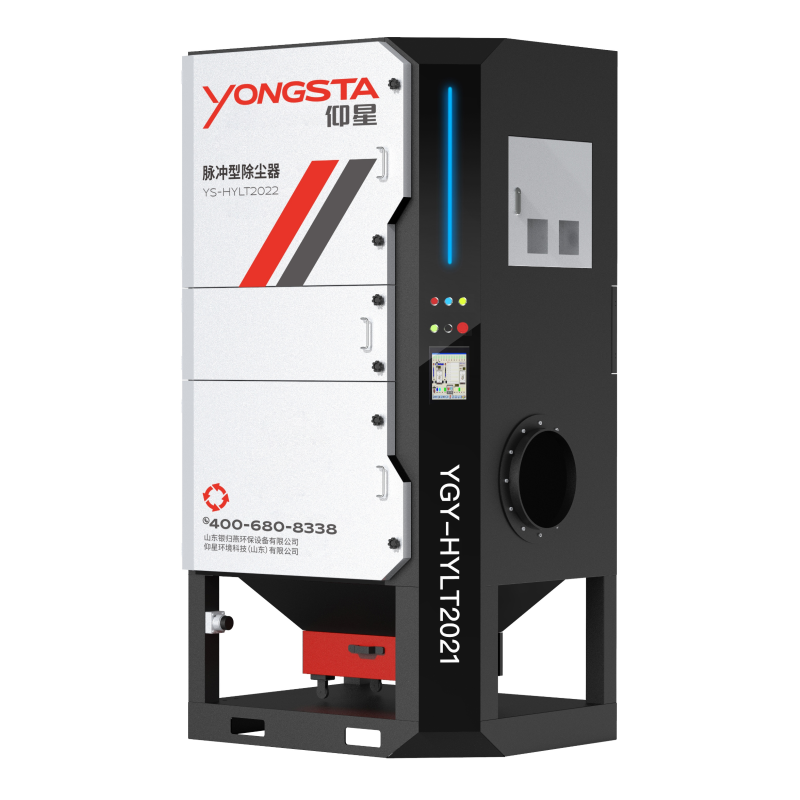
The filtration system integrated into a dust control workbench represents the cornerstone of its effectiveness, employing multi-stage filtration technology that captures particles across a wide spectrum of sizes with exceptional efficiency. A typical dust control workbench utilizes a primary pre-filter stage that removes larger particles and debris, protecting downstream filters from premature clogging and extending overall system life. The secondary filtration stage in a dust control workbench often incorporates HEPA filters capable of capturing 99.97 percent of particles as small as 0.3 microns, effectively removing fine dust, pollen, mold spores, and other microscopic contaminants that pose the greatest health risks. Some advanced dust control workbench models include activated carbon filters as a tertiary stage, addressing chemical fumes, odors, and volatile organic compounds that mechanical filtration alone cannot remove. The filter configuration in a dust control workbench can be customized based on specific application requirements, with options for different filter grades, materials, and replacement schedules to optimize performance and cost-effectiveness. Modern dust control workbench systems feature intelligent filter monitoring that alerts operators when filters approach saturation, preventing reduced performance and ensuring consistent protection. The airflow design within a dust control workbench creates uniform suction across the entire work surface, eliminating dead zones where particles might escape capture and ensuring comprehensive contamination control. Variable speed controls on a dust control workbench allow operators to adjust extraction power based on the dust generation rate of different tasks, conserving energy during light-duty operations while providing maximum capture during intensive processes. The sealed construction of a dust control workbench prevents filtered air from leaking back into the workspace, maintaining the integrity of the clean environment. Filter replacement in a dust control workbench has been engineered for simplicity, with tool-free access panels and clear visual indicators that minimize downtime and reduce maintenance complexity. The filtration efficiency of a dust control workbench directly translates to measurable improvements in workplace air quality, with many facilities documenting particle count reductions of 90 percent or more after installation.
Ergonomic Design That Enhances Worker Comfort and Productivity

Ergonomic Design That Enhances Worker Comfort and Productivity

The ergonomic considerations built into a dust control workbench design reflect a deep understanding of how workspace configuration impacts worker performance, comfort, and long-term health outcomes. A properly designed dust control workbench positions work surfaces at optimal heights that reduce neck strain, shoulder tension, and back discomfort during extended operations, with many models offering electric or pneumatic height adjustment to accommodate different operators and tasks. The work surface of a dust control workbench provides ample space for tools, materials, and equipment while maintaining easy access to all necessary items, reducing reaching and twisting motions that contribute to repetitive strain injuries. Integrated lighting systems in a dust control workbench eliminate shadows and provide consistent illumination across the work area, reducing eye strain and improving accuracy for detailed tasks. The perforated work surface of a dust control workbench is engineered to provide adequate airflow for particle capture while remaining comfortable for hand and arm contact during extended use. Storage solutions integrated into a dust control workbench keep frequently used tools and supplies within easy reach, minimizing unnecessary movement and allowing operators to maintain focus on their primary tasks. The noise level produced by a dust control workbench has been carefully controlled through acoustic engineering, with sound-dampening materials and optimized fan designs that maintain powerful extraction while keeping noise within comfortable limits. Anti-fatigue features in a dust control workbench design include rounded edges, smooth surfaces, and appropriate depth dimensions that allow operators to work comfortably whether standing or seated. The modular nature of many dust control workbench systems allows facilities to configure workstations that match specific workflow requirements, creating efficient layouts that minimize material handling and movement. Accessibility features in a dust control workbench design ensure that controls, filters, and maintenance points can be reached without awkward positions or excessive physical effort. The stability and robust construction of a dust control workbench prevent vibration and movement during operation, providing a solid platform for precision work. Climate control benefits from a dust control workbench extend beyond dust removal, as the airflow helps regulate temperature in the immediate work area, preventing heat buildup from equipment or processes.
Versatile Applications Across Multiple Industries and Processes

Versatile Applications Across Multiple Industries and Processes

The adaptability of a dust control workbench makes it an invaluable asset across an remarkably diverse range of industries, each benefiting from the core contamination control capabilities while leveraging specific features tailored to unique operational requirements. In pharmaceutical manufacturing, a dust control workbench provides the controlled environment necessary for powder handling, tablet coating, and compounding operations where cross-contamination could compromise product safety and regulatory compliance. Electronics assembly facilities rely on a dust control workbench to create particle-free zones for circuit board manufacturing, component installation, and quality inspection processes where even microscopic dust particles can cause short circuits or product failures. Woodworking shops utilize a dust control workbench for sanding, routing, and finishing operations, capturing sawdust and wood particles that pose fire hazards and respiratory risks while keeping work areas clean enough for precision joinery and assembly. Metal fabrication operations benefit from a dust control workbench during grinding, polishing, and deburring activities that generate metal particles and sparks, protecting workers from inhalation hazards while preventing metal dust from contaminating other work areas. Composite material fabrication requires a dust control workbench to manage carbon fiber dust, fiberglass particles, and resin fumes that are particularly hazardous to human health and can compromise the quality of finished products. Laboratory environments employ a dust control workbench for sample preparation, chemical handling, and analytical procedures where contamination control is essential for accurate results and researcher safety. Jewelry manufacturing and repair operations use a dust control workbench to capture precious metal dust during filing, polishing, and stone setting, recovering valuable materials while protecting artisans from exposure to metal particles and polishing compounds. Aerospace component manufacturing demands the contamination control provided by a dust control workbench for composite layup, surface preparation, and inspection processes where particle contamination could compromise structural integrity or performance. The dust control workbench adapts to emerging applications in additive manufacturing, where powder bed fusion and material jetting processes require careful dust management during machine loading, part removal, and post-processing operations. Educational institutions install dust control workbench units in vocational training programs, teaching students proper dust control practices while providing hands-on experience with industrial-grade equipment they will encounter in professional settings.

Get a Free Quote

Our representative will contact you soon.
Email
Name
Company Name
Message
0/1000
email goToTop