
 EN
EN



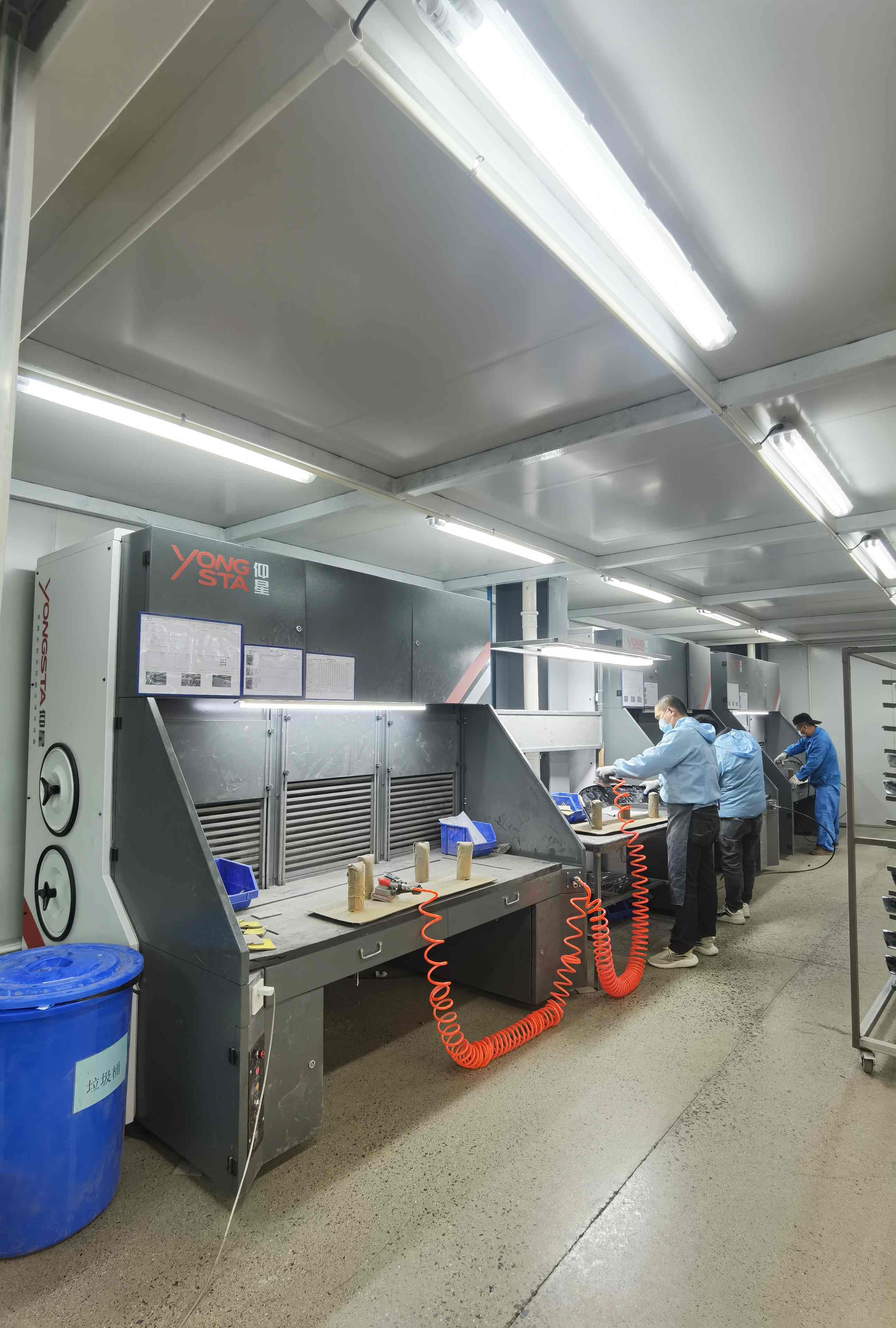
Precision grinding is one of the most demanding processes in modern manufacturing and fabrication. It generates fine metallic dust, abrasive particles, and airborne contaminants that can compromise both product quality and worker safety. A filter bench addresses these challenges directly by combining a stable work surface with an integrated air suction and filtration system, making it far more than a convenience — it is a foundational requirement for any serious precision grinding environment.
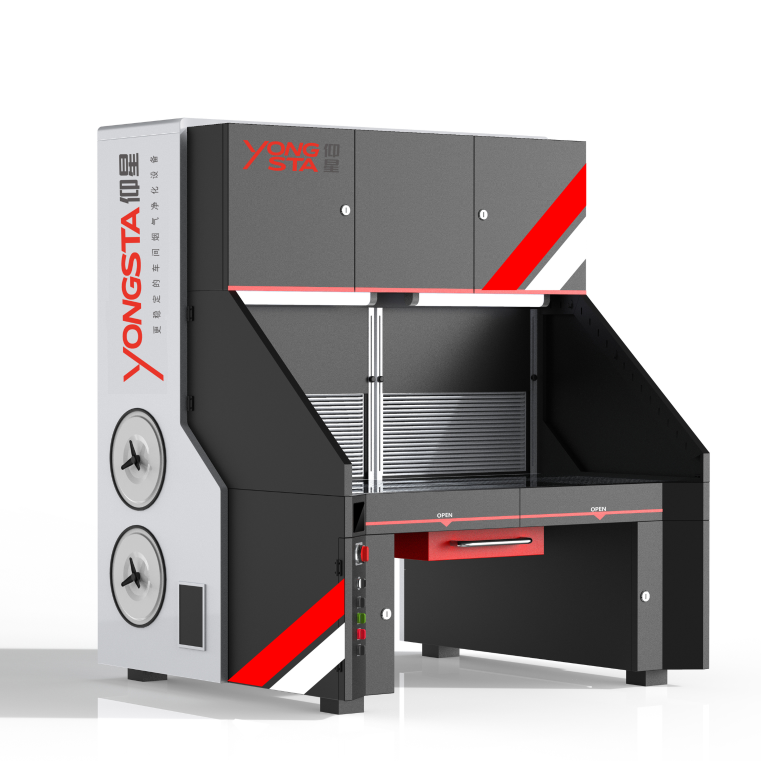
Understanding why a filter bench is essential starts with recognizing the unique demands of precision grinding. Unlike rough shaping or bulk material removal, precision grinding targets tight tolerances and smooth surface finishes. Any contamination on the work surface or in the surrounding air can directly affect the outcome. A filter bench creates a controlled environment where dust capture, surface stability, and operator protection work together seamlessly, giving manufacturers the conditions they need to achieve repeatable, high-quality results.
Air Quality Control in Precision Grinding
The Hidden Danger of Grinding Dust
Every precision grinding operation releases microscopic particles into the surrounding workspace. These particles are not only harmful to the lungs of operators but also settle on finished surfaces, contaminating parts and disrupting measurement accuracy. A filter bench captures these airborne particles at the source through its built-in suction system, preventing them from circulating through the shop floor. The filter bench draws contaminated air downward or inward, passing it through multi-stage filtration before releasing clean air back into the environment.
When a filter bench is used consistently, operators experience significantly lower exposure to hazardous grinding dust. This directly supports compliance with occupational health and safety standards that regulate airborne particulate levels in industrial workspaces. Without a filter bench, even well-ventilated facilities struggle to maintain acceptable air quality levels during active grinding cycles.
Filtration Efficiency and Particle Capture
A high-quality filter bench uses layered filtration media designed to capture both coarse debris and fine respirable particles. The first filter layer traps larger grinding swarf, while secondary and tertiary filter stages capture progressively smaller contaminants. This multi-stage approach means the filter bench maintains strong suction performance over longer operating cycles without frequent filter replacements. For production environments where the filter bench runs continuously, this translates into lower maintenance costs and more reliable dust containment.
Precision and Consistency Through a Stable Work Environment
How the Filter Bench Supports Dimensional Accuracy
Precision grinding demands absolute consistency between parts. Even minor vibrations or surface contamination can push a workpiece outside acceptable tolerance ranges. A filter bench provides a rigid, flat work surface that minimizes vibration transfer during grinding operations. This stability allows operators to apply consistent pressure and positioning, which is critical when working to tolerances measured in microns. The filter bench essentially becomes the foundation of dimensional accuracy in the grinding workflow.
Beyond physical stability, a filter bench prevents the accumulation of abrasive particles between the workpiece and the work surface. Loose grit trapped under a part acts like a shim, introducing angular errors and surface irregularities. The suction function of the filter bench continuously draws these particles away from the grinding zone, keeping the work area clean and dimensionally reliable throughout the entire machining session.
Reducing Rework and Scrap Rates
Manufacturers who invest in a filter bench typically see measurable reductions in rework rates. When grinding conditions are clean and stable, first-pass yield improves because operators are not fighting contamination-related inconsistencies. A filter bench removes a significant source of process variability, meaning each part benefits from the same controlled conditions. Over time, the filter bench pays for itself through reduced material waste and lower labor costs associated with correcting out-of-tolerance parts.
Operator Safety and Long-Term Productivity
Protecting Workers from Chronic Exposure Risks
Operators who grind metal or composite materials daily face cumulative health risks from prolonged dust exposure. Respiratory conditions linked to fine metallic and abrasive dust can develop gradually over years of unprotected work. A filter bench significantly reduces this occupational risk by capturing harmful particles before they reach the breathing zone. When a facility equips every grinding station with a filter bench, it demonstrates a tangible commitment to worker health that also reduces absenteeism and long-term liability.
Regulatory frameworks in many markets now require employers to implement engineering controls, such as a filter bench, before relying on personal protective equipment. A filter bench qualifies as a primary engineering control because it eliminates the hazard at the source rather than simply limiting exposure after the fact. This distinction matters for compliance audits and workplace safety certifications.
Ergonomics and Workflow Efficiency
A well-designed filter bench is not only a safety device — it is an ergonomic workstation. The integrated suction eliminates the need for operators to manually clean the work surface between parts, saving time and reducing repetitive-strain risks associated with manual wiping and brush cleaning. The filter bench keeps the workspace organized and clutter-free, which supports better operator focus and reduces the likelihood of handling errors during precision grinding tasks. When operators work at a filter bench designed for their workflow, fatigue decreases and throughput increases.
FAQ
What types of grinding applications benefit most from a filter bench?
A filter bench is especially valuable for surface grinding, tool sharpening, deburring, and fine finishing of metal, ceramic, or composite parts. Any application that generates fine dust or requires tight tolerances benefits directly from the clean, stable environment a filter bench provides.
How often should the filters in a filter bench be replaced?
Filter replacement frequency depends on the volume of grinding performed and the type of materials being processed. Most filter bench models include a pressure indicator or airflow sensor that signals when filtration efficiency drops below an acceptable level. In high-volume production settings, primary filters may require inspection weekly, while secondary filters often last several months with regular cleaning of the pre-filter stage.
Can a filter bench be used for non-metallic materials like composites or ceramics?
Yes. A filter bench is highly effective for grinding composites, ceramics, and other advanced materials that produce fine, hazardous dust. In fact, composite grinding dust is often considered more hazardous than metal grinding dust due to the presence of resin binders and fiber particles. A filter bench with appropriate HEPA-grade filtration is strongly recommended for these applications to ensure both operator safety and surface cleanliness.

