
 EN
EN



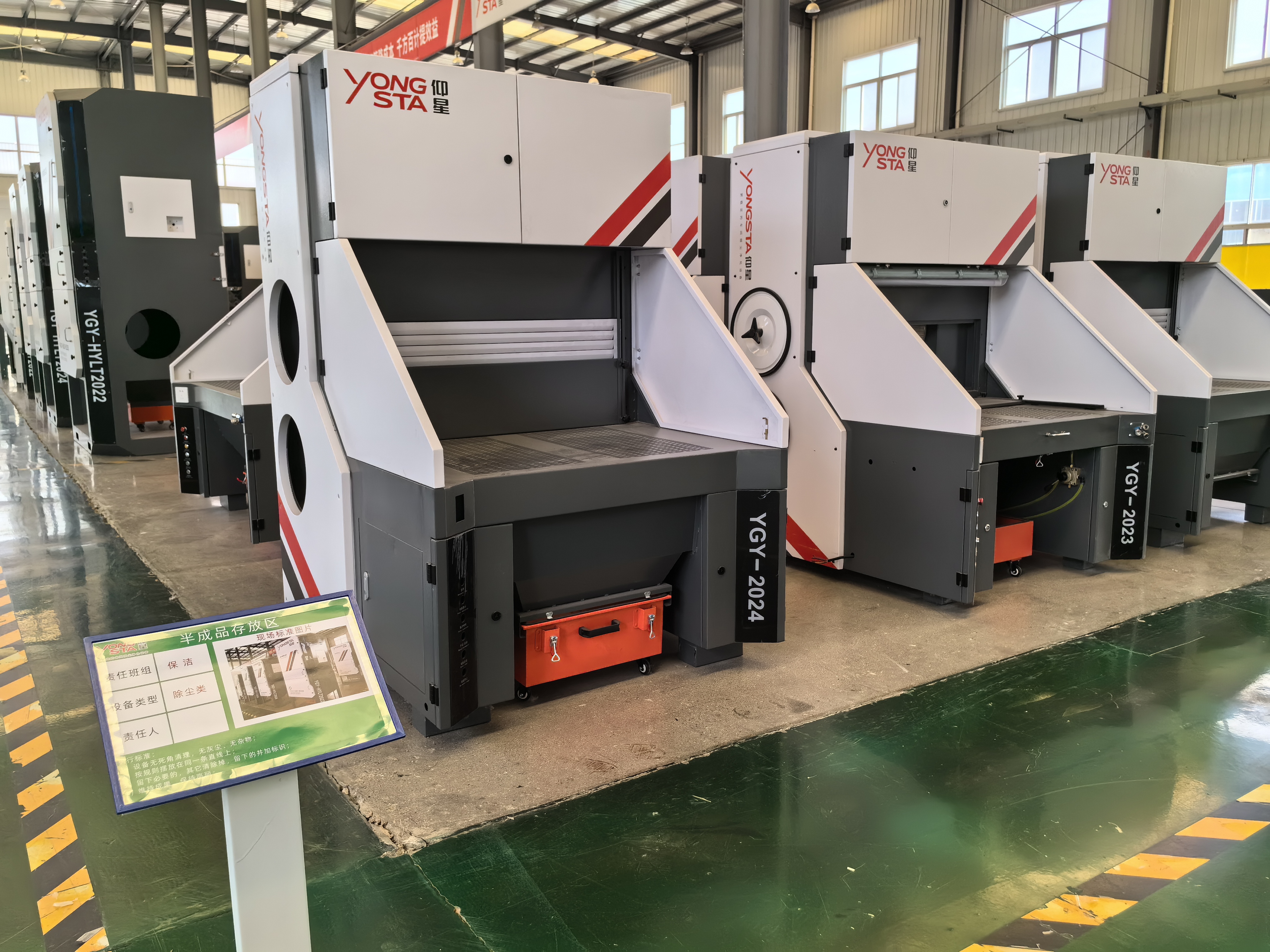
A grinding dust extraction workbench is a critical piece of equipment in any workshop or industrial facility where metal grinding, cutting, or finishing operations take place. Without proper dust control at the source, fine metallic particles and hazardous fumes accumulate rapidly, creating serious health risks and compliance issues. Understanding what safety features define a well-engineered grinding dust extraction workbench helps facility managers make informed procurement decisions and protect their workforce effectively.
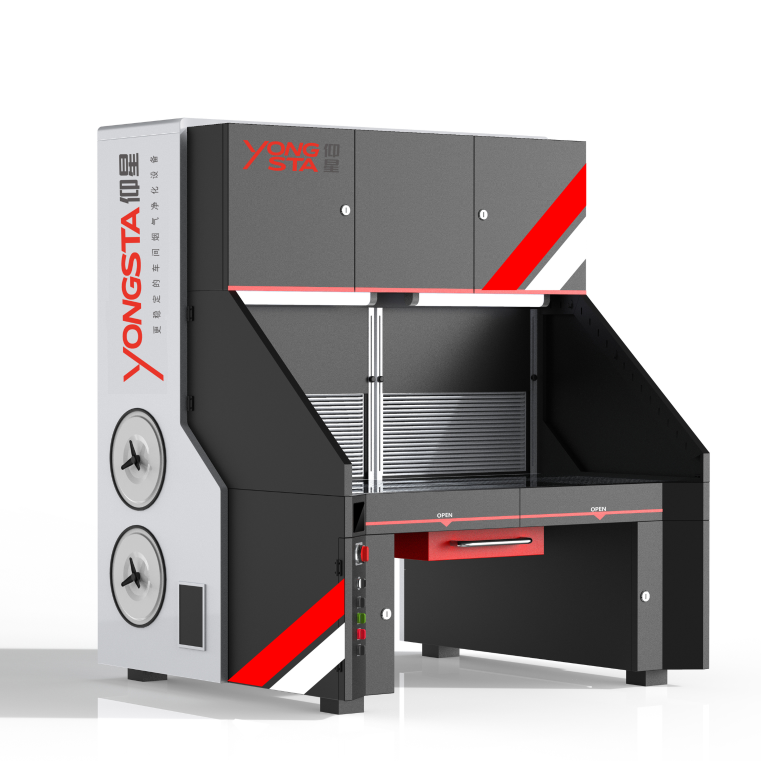
A properly designed grinding dust extraction workbench integrates multiple safety layers that work together, from the physical structure of the work surface to the filtration media inside the unit. Each safety feature on a grinding dust extraction workbench serves a specific protective function, whether for the operator, the surrounding environment, or the equipment itself. This article outlines the key safety features you should expect from a reliable grinding dust extraction workbench and explains why each one matters in a real industrial setting.
Structural and Surface Safety Design
Durable Work Surface Materials
The work surface of a grinding dust extraction workbench must withstand constant mechanical stress, heat, and abrasion. High-quality units feature heavy-gauge steel or coated metal surfaces that resist sparks and do not warp under repeated grinding loads. A grinding dust extraction workbench with a poorly designed surface creates uneven support, which can cause workpieces to shift unexpectedly during operation. Stability at the surface level is a foundational safety requirement for any grinding dust extraction workbench used in production environments.
Integrated Suction Inlet Placement
One of the most defining structural safety features of a grinding dust extraction workbench is the precise positioning of suction inlets. On an effective grinding dust extraction workbench, suction inlets are embedded directly into or immediately around the work surface, ensuring that airborne particles are captured at the point of generation before they can disperse into the breathing zone. Poor inlet placement on a grinding dust extraction workbench forces operators to work farther from the capture zone, significantly reducing extraction efficiency and increasing inhalation risk. The suction geometry of a grinding dust extraction workbench should match the typical range of motion involved in grinding tasks.
Filtration System Safety Features
Multi-Stage Filtration Architecture
A high-performance grinding dust extraction workbench relies on a multi-stage filtration system to handle the wide particle size range produced by grinding operations. The first stage of a grinding dust extraction workbench filtration system typically captures coarse metallic debris, preventing it from clogging the finer filter media downstream. Intermediate stages in a grinding dust extraction workbench system address medium-sized particles, including metal oxides and composite material fragments. The final stage of a grinding dust extraction workbench filtration assembly uses high-efficiency filter media, such as HEPA-grade cartridges, to capture fine respirable particles that pose the greatest health hazard. Without multi-stage filtration, a grinding dust extraction workbench cannot maintain safe ambient air quality over extended operating periods.
Spark Arrestor and Fire Prevention
Grinding operations generate sparks that travel with airflow into the body of a grinding dust extraction workbench. A spark arrestor is a non-negotiable safety feature on any grinding dust extraction workbench designed for metal work, as accumulated filter dust is highly combustible. The spark arrestor on a grinding dust extraction workbench intercepts glowing particles before they reach the filter media, eliminating the primary ignition pathway. Some advanced grinding dust extraction workbench models incorporate fire-retardant filter housings as an additional protective barrier. Facilities operating without a spark arrestor on their grinding dust extraction workbench expose themselves to serious fire and explosion hazards.
Filter Saturation Monitoring
A grinding dust extraction workbench equipped with filter saturation indicators or differential pressure gauges provides operators with real-time feedback on filter condition. When a filter in a grinding dust extraction workbench reaches its capacity, suction performance drops, and fine particles begin to bypass the filtration system. Monitoring saturation levels on a grinding dust extraction workbench ensures timely filter replacement, which directly maintains both extraction efficiency and worker safety. Without this feature, a grinding dust extraction workbench may appear to be functioning normally while actually releasing captured contaminants back into the workspace.
Operator Safety and Ergonomic Features
Enclosed Housing and Containment Design
The housing structure of a grinding dust extraction workbench should fully enclose the filtration and motor components to prevent secondary dust exposure during maintenance. An open or poorly sealed grinding dust extraction workbench allows fine particles to escape around panel edges, negating the capture efficiency of the suction system. High-quality grinding dust extraction workbench designs include sealed access panels and gasketed enclosures that contain dust even when the unit is powered down. This containment approach on a grinding dust extraction workbench protects maintenance personnel who need to access the filter compartment during servicing.
Noise and Vibration Reduction
Sustained exposure to high noise levels and vibration from a grinding dust extraction workbench contributes to operator fatigue and long-term health risks. A well-engineered grinding dust extraction workbench incorporates vibration-dampened motor mounts and aerodynamically optimized fan designs that reduce operational noise without sacrificing airflow capacity. Lower noise output from a grinding dust extraction workbench also supports better communication in the workshop, which is itself a safety advantage. Operators using a quieter grinding dust extraction workbench are less likely to experience the hearing-related fatigue that leads to errors and accidents over long shifts.
FAQ
What filtration standard should a grinding dust extraction workbench meet?
A grinding dust extraction workbench handling fine metallic dust should ideally meet or exceed HEPA H13 filtration standards. This ensures that the grinding dust extraction workbench captures at least 99.95% of particles at 0.3 microns, which covers the most hazardous respirable fraction produced during grinding operations.
How often should the filters on a grinding dust extraction workbench be replaced?
Filter replacement frequency on a grinding dust extraction workbench depends on usage intensity and the type of material being processed. As a general guideline, operators should monitor the differential pressure indicator on the grinding dust extraction workbench and replace filters when the pressure drop exceeds the manufacturer's recommended threshold, typically every three to six months under moderate use.
Can a grinding dust extraction workbench handle both dry and wet grinding applications?
Most standard grinding dust extraction workbench models are optimized for dry grinding operations. Using a standard grinding dust extraction workbench for wet grinding can saturate filter media rapidly and damage the motor or fan assembly. If wet grinding is required, operators should select a grinding dust extraction workbench specifically rated for wet applications, which includes a liquid-resistant housing and appropriate drainage provisions.

