
 EN
EN



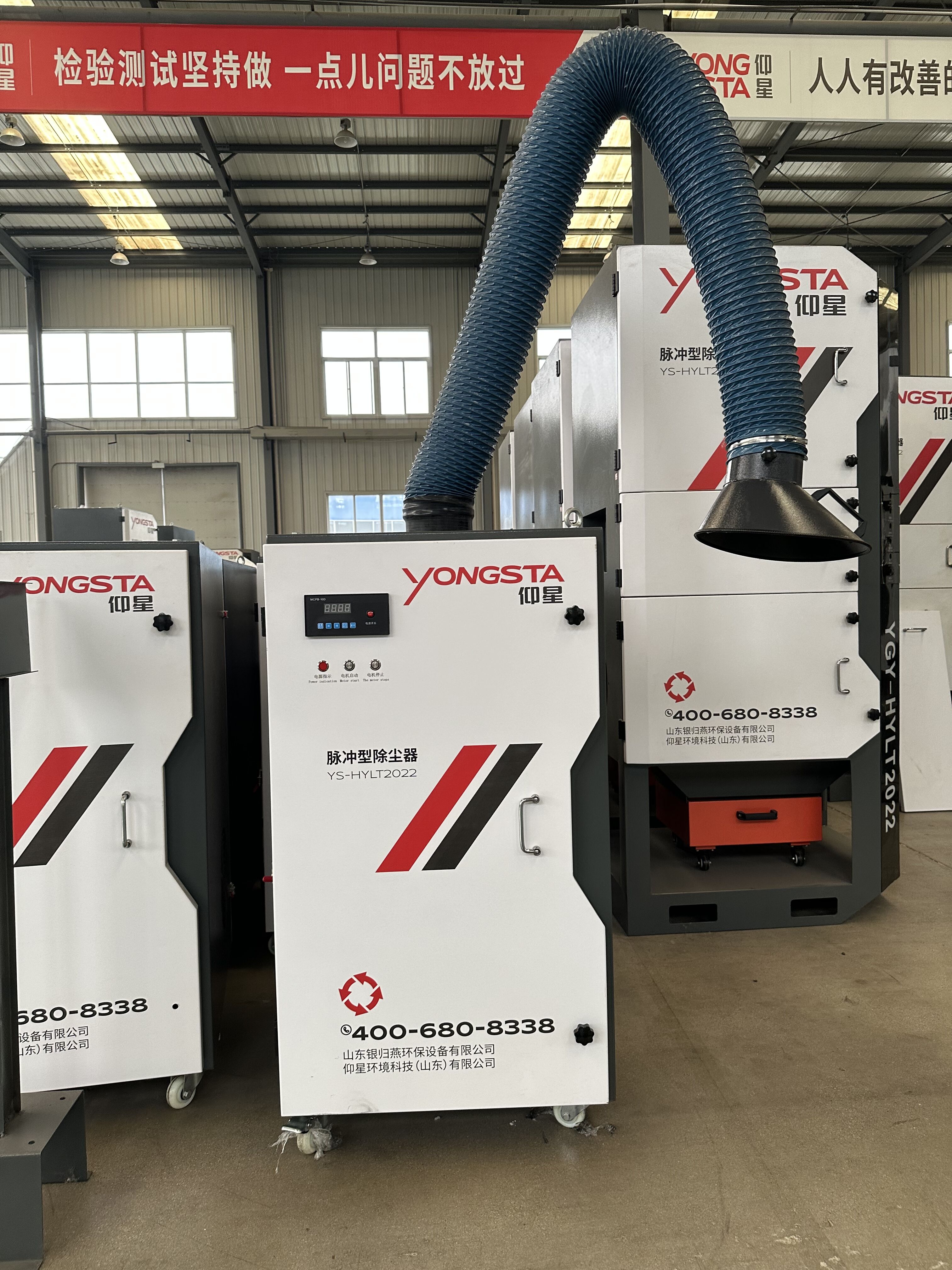
A welding fume extractor is not a commodity purchase — it is a critical investment in worker safety, regulatory compliance, and operational efficiency. Yet not every welding fume extractor delivers the same level of protection or reliability. When you are sourcing equipment for a fabrication shop, manufacturing facility, or industrial workspace, knowing what separates a high-quality welding fume extractor from a mediocre one can prevent costly mistakes and protect your workforce.
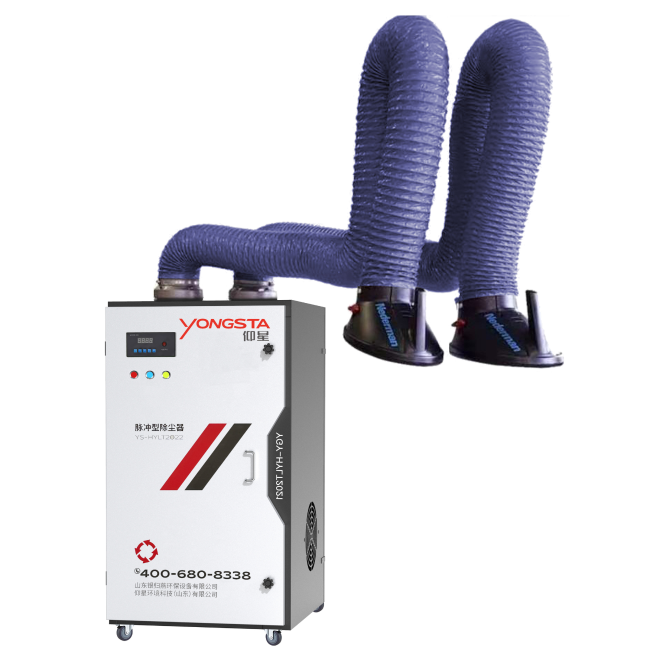
A truly outstanding welding fume extractor combines advanced filtration technology, robust airflow performance, durable construction, and user-friendly maintenance into a single reliable system. Understanding each of these qualities helps buyers make informed decisions and ensures the welding fume extractor selected will perform consistently under demanding industrial conditions. This article examines the defining characteristics that make a welding fume extractor genuinely stand out in a competitive market.
Filtration Performance and Capture Efficiency
Multi-Stage Filtration as a Core Standard
The primary purpose of any welding fume extractor is to capture and filter harmful airborne particles before they reach the breathing zone of workers. A high-quality welding fume extractor typically incorporates multi-stage filtration, beginning with a pre-filter that captures larger particles, followed by a main filter designed for fine metallic dust and fumes. The final stage often includes a HEPA-grade or equivalent filter capable of trapping ultrafine particles that are most hazardous to respiratory health. A welding fume extractor that relies on single-stage filtration alone is unlikely to meet modern occupational health standards in heavy industrial environments.
Filter efficiency ratings matter significantly when evaluating a welding fume extractor. A unit rated to capture particles at 0.3 microns with high efficiency is far more protective than one without a verified rating. Buyers should confirm that the welding fume extractor they select is tested and certified against recognized standards, ensuring real-world performance matches the manufacturer's claims.
Pulse-Cleaning Technology for Sustained Performance
Filter clogging is one of the most common reasons a welding fume extractor loses efficiency over time. High-quality models address this through automated pulse-cleaning systems that periodically blast compressed air through the filter cartridge to dislodge accumulated particles. This self-cleaning mechanism allows the welding fume extractor to maintain consistent suction power without requiring manual intervention every few hours. A welding fume extractor equipped with pulse-cleaning technology is especially valuable in high-volume welding operations where downtime for filter maintenance is not practical.
Airflow Design and Capture Velocity
Matching Airflow to Application Demands
A welding fume extractor must generate sufficient airflow to capture fumes at the point of generation before they disperse into the surrounding air. This requires careful engineering of the motor, fan, and intake design. A high-quality welding fume extractor provides variable airflow settings so operators can adjust capture velocity based on the welding process being used. MIG welding, TIG welding, plasma cutting, and grinding each generate different fume volumes and particle sizes, and a versatile welding fume extractor should handle these varying demands without losing effectiveness.
The positioning and flexibility of the extraction arm or nozzle also define how well a welding fume extractor performs in practice. A rigid, fixed-position unit may miss fumes generated at different angles or workpiece orientations. A welding fume extractor with a flexible extraction arm that can be repositioned quickly gives operators a clear advantage in dynamic workshop environments.
Motorized Efficiency and Energy Consumption
Industrial buyers increasingly evaluate a welding fume extractor based on its energy efficiency alongside raw performance. A motor that consumes excessive power while delivering only moderate airflow is not a sound investment over a multi-year operational period. A well-engineered welding fume extractor balances powerful suction with energy-efficient motor technology, reducing operating costs without compromising worker protection. Variable-speed motor controls found in premium welding fume extractor models allow facilities to reduce power consumption during lighter-duty periods.
Build Quality, Durability, and Ease of Maintenance
Industrial-Grade Construction Materials
A welding fume extractor operating in a fabrication shop faces exposure to heat, metal sparks, physical impact, and continuous vibration. Units constructed from lightweight or low-grade materials may perform adequately in laboratory conditions but deteriorate quickly on the shop floor. A standout welding fume extractor uses reinforced steel housing, heat-resistant components, and sealed electrical systems that withstand the harsh realities of industrial welding environments. The longevity of a welding fume extractor is directly tied to the quality of materials used in its construction, and cutting corners here leads to premature failure and replacement costs.
Wheel assemblies and mobility features are also worth examining. A welding fume extractor that is difficult to reposition slows down workflow. Heavy-duty caster wheels, ergonomic handles, and a stable low-center base all contribute to the usability of a welding fume extractor across different workstations and floor layouts.
Maintenance Access and Filter Replacement Design
Even the most efficient welding fume extractor requires periodic filter replacement and general servicing. A high-quality welding fume extractor is designed with maintenance access in mind, featuring tool-free or quick-release filter housings that simplify cartridge changes. When a welding fume extractor requires specialized tools or extensive disassembly for basic maintenance, service intervals are often skipped, leading to degraded performance and compliance risks. Clear indicator systems that alert operators when filter replacement is due are another sign of a thoughtfully engineered welding fume extractor.
Spare parts availability and manufacturer support are practical considerations that extend the effective life of any welding fume extractor. A welding fume extractor from a supplier that maintains readily available replacement filters, cartridges, and components gives operations managers greater confidence in long-term reliability. Before finalizing a purchase, confirming that the welding fume extractor is backed by responsive technical support and accessible consumables is a step that experienced buyers rarely overlook.
FAQ
How often should I replace filters in a welding fume extractor?
Filter replacement frequency for a welding fume extractor depends on the welding process, materials used, and hours of daily operation. In heavy-duty environments, a welding fume extractor may require filter changes every one to three months. Models with pulse-cleaning systems extend filter life significantly by removing accumulated dust during operation, but periodic full replacement remains necessary to maintain peak performance of the welding fume extractor.
Can a single welding fume extractor handle multiple workstations?
Some high-capacity welding fume extractor models are designed to serve multiple extraction points simultaneously, using duct networks connected to a centralized unit. However, the effectiveness of a shared welding fume extractor depends on airflow capacity and the number of active welding stations. For most workshops, a dedicated portable welding fume extractor at each workstation delivers more reliable fume capture than relying on one shared unit with split airflow.
What certifications should a quality welding fume extractor carry?
A reputable welding fume extractor should carry certifications relevant to the region and industry where it will be used. Common standards include CE marking for European markets, compliance with OSHA guidelines in North America, and filter efficiency ratings aligned with recognized testing protocols. Confirming that the welding fume extractor meets these standards before purchase ensures the unit will satisfy workplace safety audits and protect workers to the required level.

