
 EN
EN



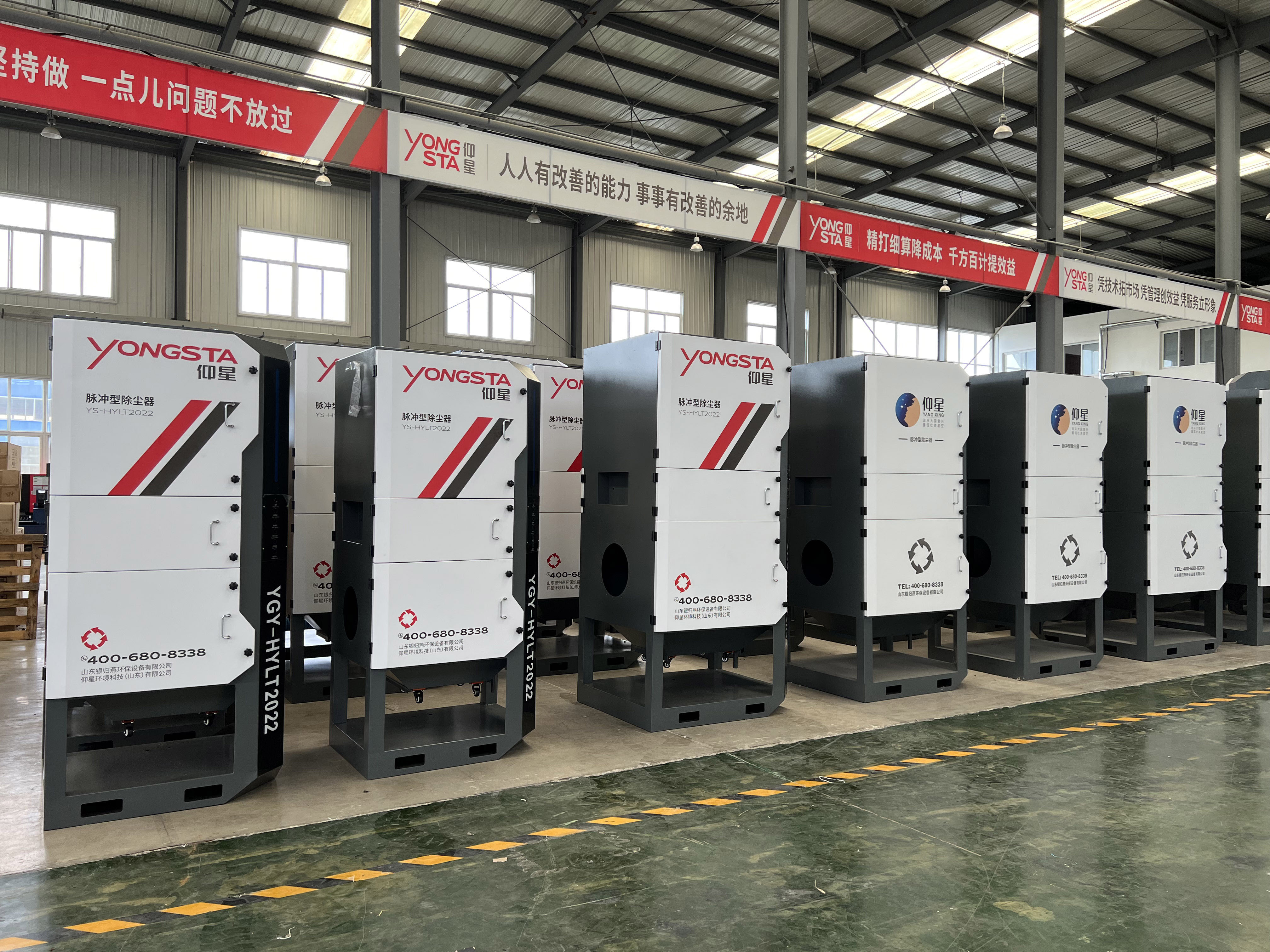
Modern industrial environments generate significant dust and particulate matter that poses risks to equipment longevity, product quality, and worker health. An advanced cartridge dust filtration system addresses these challenges through high-performance filter cartridges engineered to capture particles across a broad size range in a single, efficient pass. Understanding why a cartridge dust filtration system outperforms conventional bag filters and basic single-element alternatives is essential for facilities seeking reliable air quality control and operational efficiency.
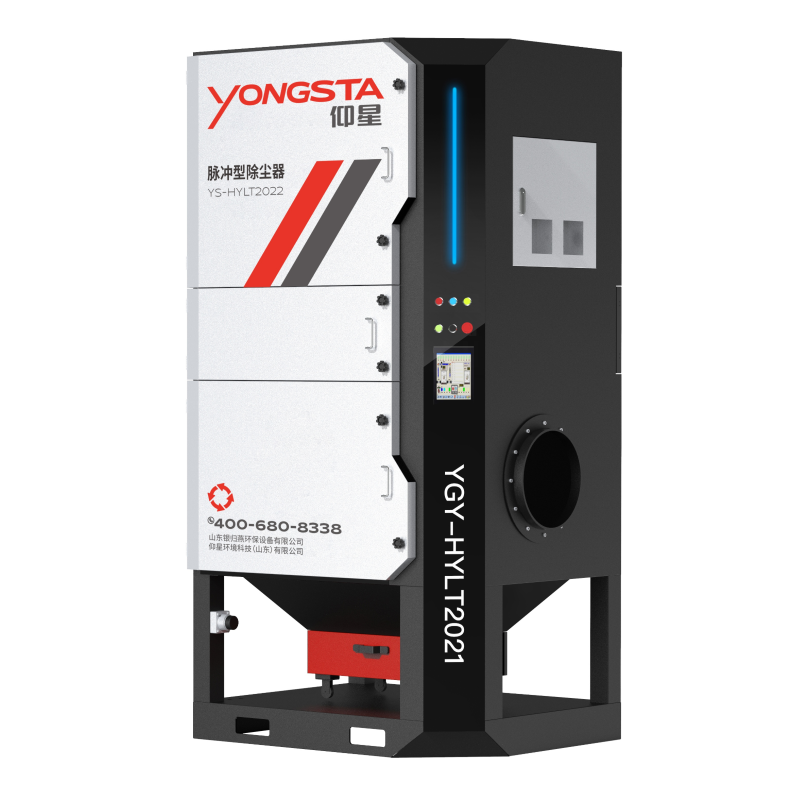
A cartridge dust filtration system leverages the precision-engineered structure of pleated filter media to maximize surface area within a compact footprint. This design allows the filtration system to intercept both coarse particulate and fine aerosol contaminants without requiring separate filtration stages. Facilities adopting a cartridge dust filtration system report measurable improvements in air quality, equipment protection, and maintenance cost savings.
How Cartridge Filtration Captures Particles More Effectively
High-Surface-Area Media Design
The filter cartridge at the core of a cartridge dust filtration system uses a deep-pleated configuration that dramatically increases the active filtration area compared to flat or bag-style media. This expanded surface allows the system to capture a wide spectrum of particle sizes — from coarse dust and debris down to fine metal fines and submicron aerosols — within a single filter element. Because the filtration load is distributed evenly across the entire pleat structure, no single zone of the cartridge becomes prematurely saturated, allowing the system to maintain consistent airflow and high capture efficiency throughout its service life.
The filter media itself is engineered for broad-spectrum particle retention. Premium cartridge dust filtration systems use PTFE membrane-coated polyester fiber media, which creates a surface filtration effect where dust cake forms on the outer layer rather than penetrating deep into the media. This surface-loading behavior is what enables the pulse-jet cleaning cycle to restore filter performance efficiently, as the loosely bonded dust layer is dislodged cleanly without damaging the underlying media structure.
Pulse-Jet Self-Cleaning for Sustained Performance
A defining advantage of a cartridge dust filtration system is the integrated pulse-jet cleaning mechanism, which automatically purges accumulated dust from the filter surface at programmed intervals. Compressed air is discharged in short, high-pressure bursts directed into the cartridge interior, creating a reverse-flow shock that flexes the pleated media and dislodges the dust cake into the collection hopper below. This self-regenerating cycle allows a cartridge dust filtration system to maintain near-original filtration efficiency without manual intervention, making it well suited to continuous industrial operations.
The pulse-jet cleaning system extends filter service life significantly compared to systems that rely solely on mechanical shaking or manual cleaning. Because the cartridge media is restored automatically between cleaning cycles, facilities can operate for extended periods before filter replacement is required, reducing consumables costs and minimizing unplanned maintenance stops.
Maintenance and Cost Benefits
Because a cartridge dust filtration system consolidates filtration into a single high-performance element, replacement is straightforward and labor-efficient. Technicians replace only the spent cartridge rather than disassembling complex multi-component assemblies, reducing service time and the risk of installation errors. A cartridge dust filtration system reduces unplanned downtime by providing clear pressure-drop indicators that signal when a cartridge approaches end of life, allowing maintenance teams to schedule replacements during planned windows.
The extended service life of quality filter cartridges translates directly to lower consumables spending and reduced maintenance labor. In high-dust industrial environments, a well-maintained cartridge dust filtration system equipped with PTFE membrane media can operate for months before requiring cartridge replacement, depending on dust load and airflow rate. This predictable performance profile simplifies maintenance budgeting and reduces the frequency of production interruptions caused by filter servicing.
Why Airflow and Pressure Drop Matter in Cartridge Filter Design
Maintaining Consistent Air Velocity
A critical advantage of a cartridge dust filtration system is its ability to maintain stable airflow even as dust accumulates on the filter surface. The large pleated surface area of the cartridge means that pressure drop builds slowly relative to the volume of dust captured, allowing the system to operate efficiently over a long service cycle before cleaning is required. The integrated pulse-jet cleaning cycle further stabilizes pressure drop by periodically restoring airflow resistance to near-baseline levels without interrupting system operation.
The consistently low pressure drop of a cartridge dust filtration system means fan motors run at lower power consumption throughout the filter's service life. This efficiency gain becomes particularly significant in facilities with continuous dust generation where systems with smaller or denser filter media would require energy-intensive fan operation to maintain airflow. By selecting a cartridge dust filtration system, operators can reduce electricity costs while maintaining compliance with air quality standards and protecting sensitive equipment from particulate contamination.
Extended Operating Cycles
The extended time between maintenance intervals for a cartridge dust filtration system directly impacts facility uptime and productivity. Rather than replacing or cleaning filter elements every few days, a well-designed cartridge dust filtration system equipped with automatic pulse-jet regeneration can operate for weeks or months before requiring cartridge replacement, depending on dust load and filter media specifications. This longer operating window reduces labor requirements and minimizes disruption to production schedules, making a cartridge dust filtration system more practical for demanding industrial applications.
For facilities processing high volumes of material or operating in dusty environments, the reliability advantage of a cartridge dust filtration system cannot be overstated. Production managers gain confidence that air quality will remain stable throughout each shift, reducing the risk of equipment damage or product contamination incidents. The predictable performance of a cartridge dust filtration system also simplifies maintenance scheduling and budgeting, as operators can anticipate filter replacement needs based on monitored pressure drop trends.
Industrial Applications and Suitability
Optimal Use Cases
Industries with stringent air quality requirements benefit significantly from deploying a cartridge dust filtration system. Pharmaceutical, food processing, metalworking, and electronics manufacturing environments all depend on reliable particle control to ensure product integrity and worker safety. A cartridge dust filtration system in these settings provides the high-efficiency filtration necessary to meet regulatory standards while minimizing operational disruptions caused by filter saturation or system failures.
Shops and facilities that operate cutting, grinding, or blasting equipment generate fine particulates that challenge conventional filtration equipment. Installing a cartridge dust filtration system in these environments ensures that fine metal dust, aerosol particles, and other contaminants are effectively captured before they escape into the workspace. The cartridge filtration approach proves particularly effective in grinding workbench installations where the combination of side-intake and bottom-suction airflow channels delivers captured dust directly to the filter cartridge inlet, maximizing collection efficiency at the point of generation.
Long-Term Value Proposition
While initial capital cost for a cartridge dust filtration system may exceed that of simpler bag-filter alternatives, the total cost of ownership over three to five years typically favors the cartridge design. Lower energy consumption, reduced filter replacement frequency, extended equipment life, and fewer maintenance emergencies combine to deliver substantial financial benefit. Facilities that have transitioned to a cartridge dust filtration system report improved air quality scores, fewer regulatory compliance issues, and measurable reductions in equipment maintenance caused by dust contamination.
Beyond financial metrics, a cartridge dust filtration system provides meaningful advantages including improved worker comfort, reduced absenteeism related to air quality concerns, and enhanced standing with environmental or occupational safety auditors. Facilities committed to operational excellence and long-term sustainability find that a cartridge dust filtration system represents a strategic investment rather than a discretionary expense. The reliability, efficiency, and performance consistency of a cartridge dust filtration system align well with modern manufacturing standards and continuous improvement philosophies.
FAQ
How does a cartridge dust filtration system capture particles without multiple stages?
A cartridge dust filtration system achieves broad-spectrum particle capture through the combination of deep-pleated high-surface-area media and a PTFE membrane coating. The pleated structure intercepts particles across a wide size range in a single pass, while the surface membrane prevents fine dust from embedding into the media depth. This design eliminates the need for separate coarse and fine filtration stages while delivering capture efficiency of 99% or higher for particles of 0.3μm and above.
How often should filter cartridges be replaced in a cartridge dust filtration system?
Replacement intervals vary based on dust load, filter media quality, and system airflow rate. In high-dust environments, cartridges in a cartridge dust filtration system equipped with pulse-jet cleaning typically last two to three months or longer before replacement is required. Regular monitoring of pressure drop across the system provides early warning when a cartridge approaches saturation, allowing operators to schedule replacements before air quality degrades or system efficiency declines.
Can a cartridge dust filtration system handle explosive dust?
Standard cartridge dust filtration system designs are not suitable for explosive dust environments without specialized modifications. However, manufacturers offer ATEX-certified versions with grounding systems, conductive filter media, and spark-detection equipment to safely handle combustible dust. If your facility processes flour, grain, metal powder, or other potentially explosive materials, verify that your cartridge dust filtration system meets all applicable explosive atmosphere certification standards before installation.

