
 EN
EN



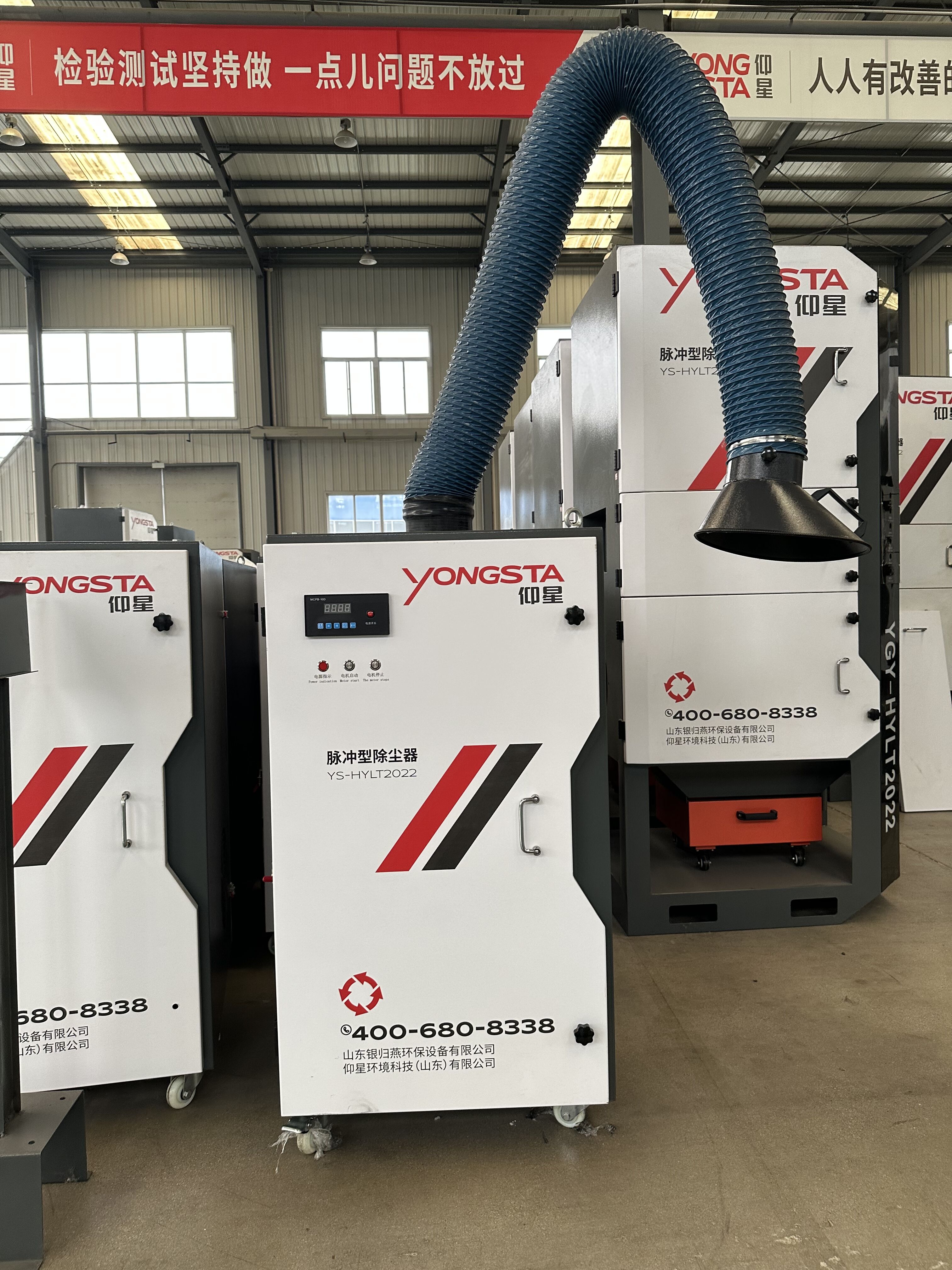
When soldering at high intensity, the volume and toxicity of smoke generated can be significant. Many operators and facility managers ask whether a portable fume extractor is truly capable of managing that level of airborne contamination. The short answer is yes — but only when the right specifications are matched to the demands of the application. A portable fume extractor designed for light bench work may struggle under continuous, high-volume soldering conditions, while an industrial-grade portable fume extractor built with multi-stage filtration and high airflow capacity can handle even the most demanding environments.
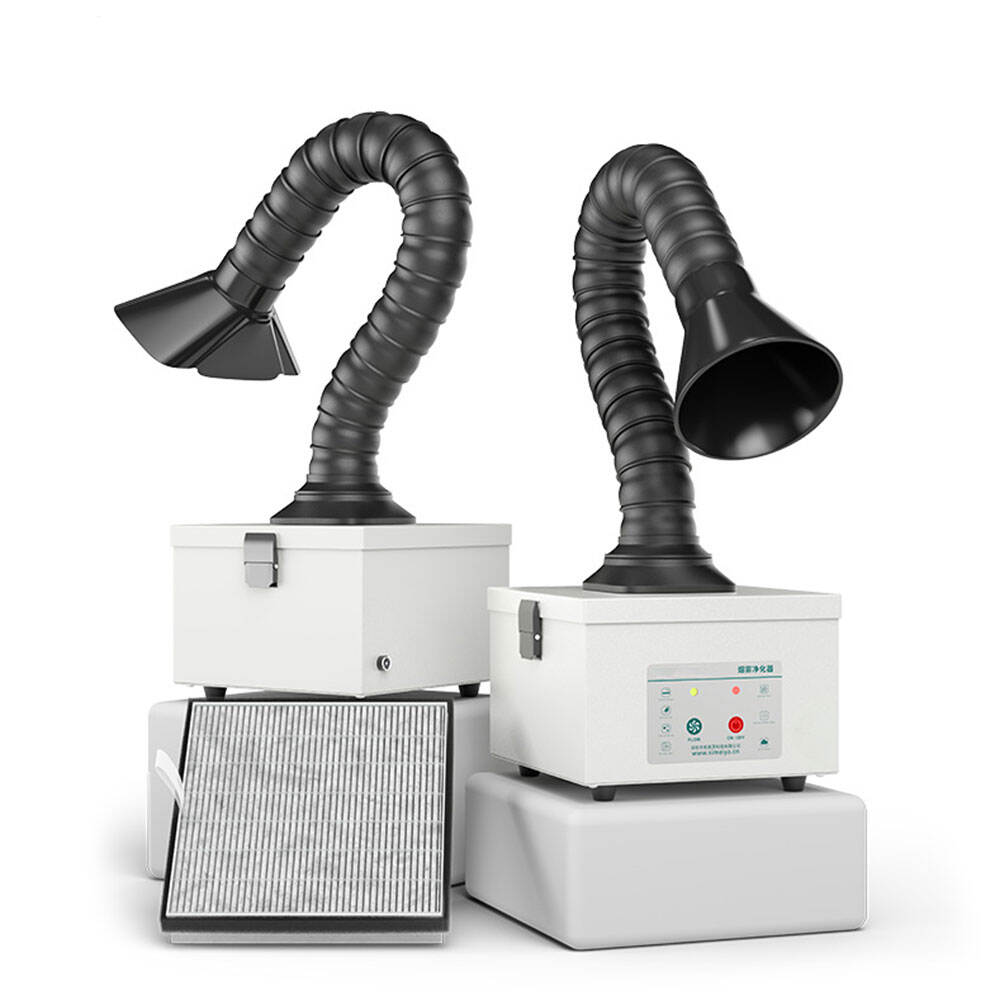
Understanding what separates a capable portable fume extractor from an insufficient one is critical for anyone working in electronics manufacturing, PCB assembly, or precision soldering. This article examines the conditions under which a portable fume extractor succeeds, the filtration and airflow requirements that matter most, and how to assess whether your current portable fume extractor is truly fit for high-intensity soldering smoke. Making the right decision protects workers and ensures compliance with air quality standards on the shop floor.
What High-Intensity Soldering Smoke Actually Demands
The Composition and Volume of Soldering Fumes
High-intensity soldering generates a dense mixture of particulates, volatile organic compounds, and flux-derived gases. A portable fume extractor must be capable of capturing submicron particles, which are the most hazardous components of soldering smoke. When soldering is continuous — such as in wave soldering lines or high-throughput hand soldering stations — the portable fume extractor must sustain high capture efficiency without filter saturation occurring too quickly. A portable fume extractor with insufficient filter capacity will lose effectiveness rapidly, allowing fine particles to recirculate back into the breathing zone.
The thermal plume generated by a hot soldering iron or reflow process moves upward quickly. A portable fume extractor positioned correctly can intercept this plume before it disperses. However, the portable fume extractor must deliver enough face velocity at the capture hood to draw fumes in against ambient air currents. This is why airflow capacity — measured in cubic meters per hour — is one of the most important specifications to evaluate when selecting a portable fume extractor for soldering applications.
Temperature and Chemical Resistance Requirements
Soldering fumes often include rosin, flux activators, and solder alloy byproducts that can degrade low-quality filter media over time. A portable fume extractor intended for high-intensity soldering must use filter materials rated for both fine particulate and chemical vapor capture. Activated carbon layers within the portable fume extractor help neutralize organic vapors, while HEPA-grade or equivalent filter stages handle fine particles. Without this multi-stage approach, a portable fume extractor may capture visible smoke while allowing invisible gas-phase contaminants to pass through — a risk that standard visual inspection cannot detect.
Key Specifications That Determine Performance
Airflow Rate and Capture Velocity
The airflow rate of a portable fume extractor is the primary performance driver in high-intensity soldering environments. A portable fume extractor with a low airflow rate may appear to function but will fail to capture fumes effectively when multiple soldering stations operate simultaneously. For high-intensity use, a portable fume extractor should deliver sufficient airflow to maintain a capture velocity of at least 0.5 meters per second at the intake nozzle. Facilities running continuous production lines should select a portable fume extractor rated for the total fume generation rate of all active stations combined.
Some portable fume extractor models offer variable speed motors, allowing operators to increase airflow during peak soldering activity and reduce noise during lighter workloads. This flexibility makes a variable-speed portable fume extractor particularly practical for environments where soldering intensity fluctuates throughout the shift. Choosing a portable fume extractor with this capability ensures both performance and energy efficiency without requiring a separate fixed extraction system.
Filtration Stages and Filter Longevity
A reliable portable fume extractor for high-intensity soldering should incorporate at least three filtration stages: a pre-filter for larger particles, a main HEPA-grade filter for fine particulates, and an activated carbon filter for chemical vapors. The pre-filter of a well-designed portable fume extractor extends the life of downstream filter stages by catching coarser debris before it reaches the more expensive primary filter. Filter replacement intervals for a portable fume extractor used in high-intensity soldering will be shorter than in light-duty applications, so choosing a portable fume extractor with accessible filter housing and clearly marked replacement indicators reduces maintenance downtime.
Long filter life in a portable fume extractor is not just a cost issue — it directly affects air quality. A clogged portable fume extractor filter reduces airflow, lowers capture efficiency, and creates back-pressure that can strain the motor. Monitoring filter condition regularly and replacing filters on schedule keeps a portable fume extractor performing at its rated specification throughout its service life.
Practical Deployment of a Portable Fume Extractor in Soldering Environments
Positioning and Workspace Integration
One of the key advantages of a portable fume extractor is its mobility. In a soldering environment with multiple workstations, a portable fume extractor can be repositioned to serve different areas depending on production priorities. For fixed soldering benches, a portable fume extractor should be placed so the intake nozzle is within 150 to 300 millimeters of the soldering point — close enough to capture the thermal plume before it rises beyond reach. A portable fume extractor mounted on castors allows quick relocation without disrupting other equipment, which is especially valuable during shift changes or layout reconfigurations.
Compliance and Worker Protection Considerations
Using a portable fume extractor is increasingly aligned with occupational health regulations in electronics and metal fabrication industries. A portable fume extractor that meets or exceeds local air quality standards provides documented evidence of duty-of-care compliance. Employers who deploy a portable fume extractor at every active soldering station reduce worker exposure to rosin fumes and flux activators, which are recognized respiratory hazards. The portable fume extractor serves not only as a filtration device but also as a practical demonstration of workplace safety commitment — an important consideration for audits and certification processes.
FAQ
Can one portable fume extractor cover multiple soldering stations at once?
A single portable fume extractor can cover multiple stations only if its airflow capacity matches the combined fume load. Most standard portable fume extractor units are designed for one to two workstations. For larger setups, using one portable fume extractor per station or selecting a high-capacity portable fume extractor model is the recommended approach to maintain capture efficiency.
How often should filters in a portable fume extractor be replaced during heavy soldering use?
During high-intensity soldering, filters in a portable fume extractor typically require replacement more frequently than the standard interval — often every one to three months depending on daily usage hours and solder volume. Always follow the filter life indicators on your portable fume extractor and perform visual checks regularly to prevent reduced airflow and filtration efficiency.
Is a portable fume extractor sufficient as the sole air quality control measure in soldering areas?
A portable fume extractor is an effective primary control measure when correctly sized and positioned. However, in very high-volume production environments, a portable fume extractor may be used alongside general ventilation systems for best results. Risk assessments should determine whether the portable fume extractor alone meets the required exposure limits for the specific soldering process in use.

