
 EN
EN



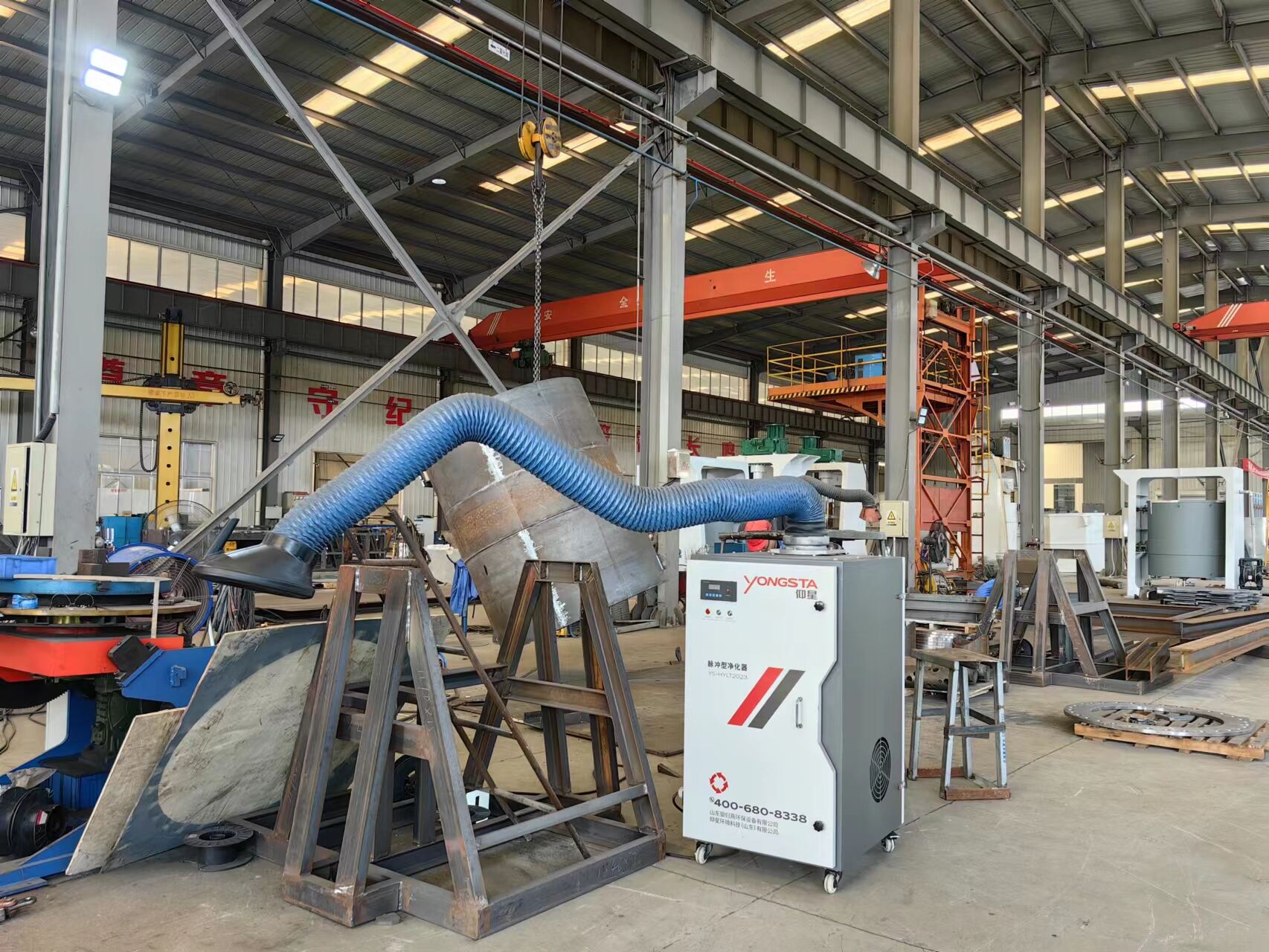
In large scale manufacturing environments, airborne contaminants are an unavoidable byproduct of daily operations. Welding fumes, laser cutting smoke, grinding dust, and chemical vapors accumulate rapidly in enclosed or semi-enclosed spaces. Without a reliable industrial fume collector, these pollutants pose serious threats to worker health, equipment longevity, and regulatory compliance. Understanding why this equipment is truly vital begins with recognizing the scale and intensity of contamination that large factories generate every single shift.
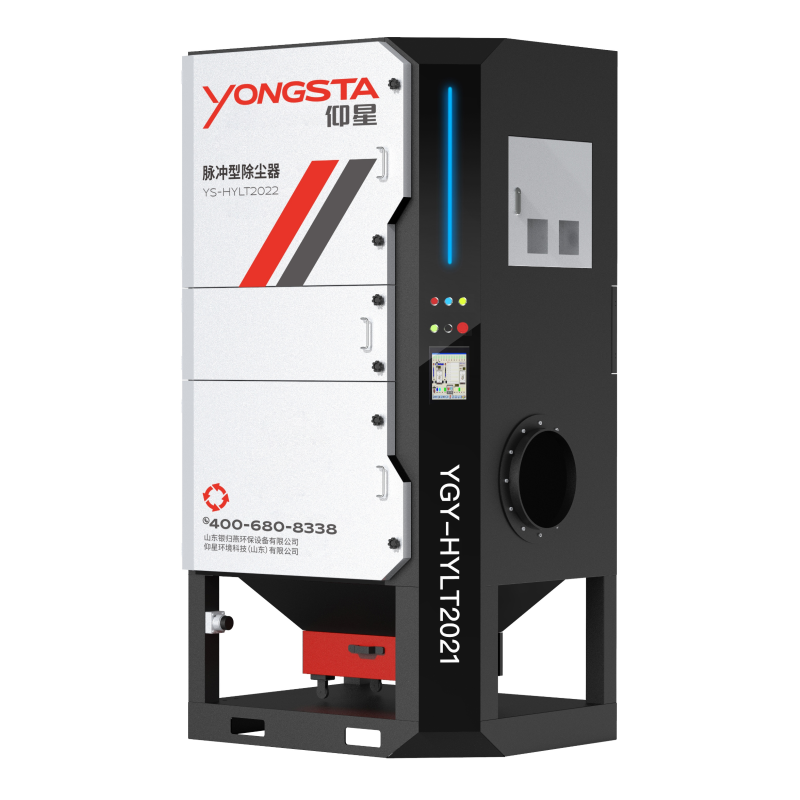
An industrial fume collector is not simply a ventilation fan or a basic filter. It is a purpose-engineered system designed to capture, filter, and safely discharge hazardous airborne particles and gases at the source. For large scale factories operating multiple production lines simultaneously, deploying a high-capacity industrial fume collector is a foundational investment in both operational safety and business continuity. The reasons behind its vital role span workforce protection, legal compliance, production efficiency, and asset preservation.
Worker Health and Safety in Large Scale Operations
The Hidden Danger of Accumulated Fumes
Large factories often run continuous or multi-shift operations, meaning workers are exposed to fumes and fine particulates for extended hours every day. An industrial fume collector actively removes these particles before they disperse across the work floor. Prolonged inhalation of welding smoke, metallic dust, and chemical aerosols is linked to serious respiratory conditions, including occupational asthma, bronchitis, and in severe cases, long-term lung damage. The industrial fume collector acts as the primary barrier between harmful airborne matter and the respiratory health of every worker in the facility.
Beyond respiratory risk, certain fumes carry carcinogenic compounds that accumulate in the body over time. A well-functioning industrial fume collector captures these compounds at the emission point, drastically reducing ambient concentration levels. In a large factory where dozens of welding stations or laser cutters operate simultaneously, the combined fume output without an industrial fume collector would overwhelm any passive ventilation system. Targeted extraction through a dedicated industrial fume collector is the only reliable method to maintain safe air quality at that scale.
Reducing Incident Risk and Absenteeism
Poor air quality in large factories is directly tied to higher rates of workplace incidents and sick leave. When workers experience eye irritation, headaches, or dizziness from fume exposure, their alertness and reaction time are compromised. Installing an industrial fume collector reduces these symptoms, keeping workers focused and reducing accident frequency. A healthier workforce also means lower absenteeism, fewer compensation claims, and a stronger overall safety culture — all of which have measurable financial value for any large scale factory operation.
Regulatory Compliance and Environmental Responsibility
Meeting Emission Standards with an Industrial Fume Collector
Regulatory agencies in most countries impose strict limits on airborne pollutant concentrations inside industrial workplaces. Large factories are particularly scrutinized because of their high emission volumes. An industrial fume collector enables factories to meet these mandatory thresholds consistently. Failure to comply can result in production shutdowns, significant financial penalties, and reputational damage. By integrating an industrial fume collector into the production infrastructure, factory managers demonstrate a proactive commitment to legal compliance rather than reacting to violations after the fact.
Environmental discharge standards are equally important. Many jurisdictions require that exhaust air released from factory buildings meets specific filtration efficiency standards. An industrial fume collector equipped with high-efficiency cartridge filters ensures that discharged air is clean enough to satisfy both indoor air quality regulations and external emission controls. For large scale factories seeking ISO certifications or green manufacturing credentials, a properly specified industrial fume collector is a non-negotiable component of the compliance framework.
Audit Readiness and Documentation
Modern industrial fume collector systems often include monitoring capabilities that log filter performance, airflow rates, and maintenance schedules. This data is invaluable during regulatory audits or third-party inspections. Large factories that can present documented evidence of continuous fume extraction performance are in a significantly stronger position during compliance reviews. An industrial fume collector with integrated monitoring transforms air quality management from a reactive task into a fully auditable, data-supported process.
Production Efficiency and Equipment Protection
How Fume Buildup Impacts Factory Performance
Fume and dust accumulation does not only harm workers — it actively degrades production quality and machinery performance. Fine metallic particles from grinding or laser cutting can settle on precision equipment, optical sensors, and control panels, causing premature wear and costly malfunctions. An industrial fume collector captures these particles at the source before they migrate across the production floor. Factories that invest in an industrial fume collector consistently report lower maintenance frequency and longer service intervals for critical equipment. This translates directly into higher uptime and reduced capital expenditure on replacement parts.
Product quality is also at stake. In industries such as electronics manufacturing, aerospace fabrication, or precision metal forming, airborne contaminants can cause surface defects, weld porosity, or dimensional inaccuracies. An industrial fume collector maintains a cleaner production atmosphere, helping factories achieve tighter quality tolerances and reducing rework rates. At large scale output volumes, even a marginal improvement in first-pass quality yield represents substantial cost savings driven by the consistent use of an industrial fume collector.
Long-Term Cost Justification
Some factory managers hesitate at the upfront cost of a high-capacity industrial fume collector. However, the long-term financial case is compelling. Reduced medical costs, lower equipment repair bills, fewer regulatory fines, and improved worker productivity collectively offset the initial investment within a predictable timeframe. An industrial fume collector is therefore not an overhead expense but a value-generating asset. For large scale factories with high throughput, the operational benefits of a properly sized industrial fume collector are realized continuously across every production shift.
FAQ
What types of processes require an industrial fume collector in a large factory?
Processes such as welding, laser cutting, plasma cutting, grinding, soldering, and chemical mixing all generate fumes and fine particulates that require capture by an industrial fume collector. In large scale factories where multiple such processes run simultaneously, a centralized or multi-station industrial fume collector system is typically recommended to manage the combined emission load effectively.
How often should an industrial fume collector be maintained in a high-volume factory?
Maintenance frequency for an industrial fume collector depends on production volume, fume type, and filter specifications. In high-volume environments, filter inspection every one to three months is common practice. Many modern industrial fume collector units include differential pressure indicators that signal when filter replacement is needed, allowing maintenance teams to act on actual performance data rather than fixed calendar schedules.
Can one industrial fume collector unit serve an entire large factory floor?
This depends on the factory layout, emission sources, and airflow requirements. A single large-capacity industrial fume collector can serve multiple workstations through a ducted extraction network. However, for very large facilities or those with widely distributed emission points, multiple industrial fume collector units or a combination of centralized and localized systems may be necessary to achieve uniform air quality across the entire production area.

