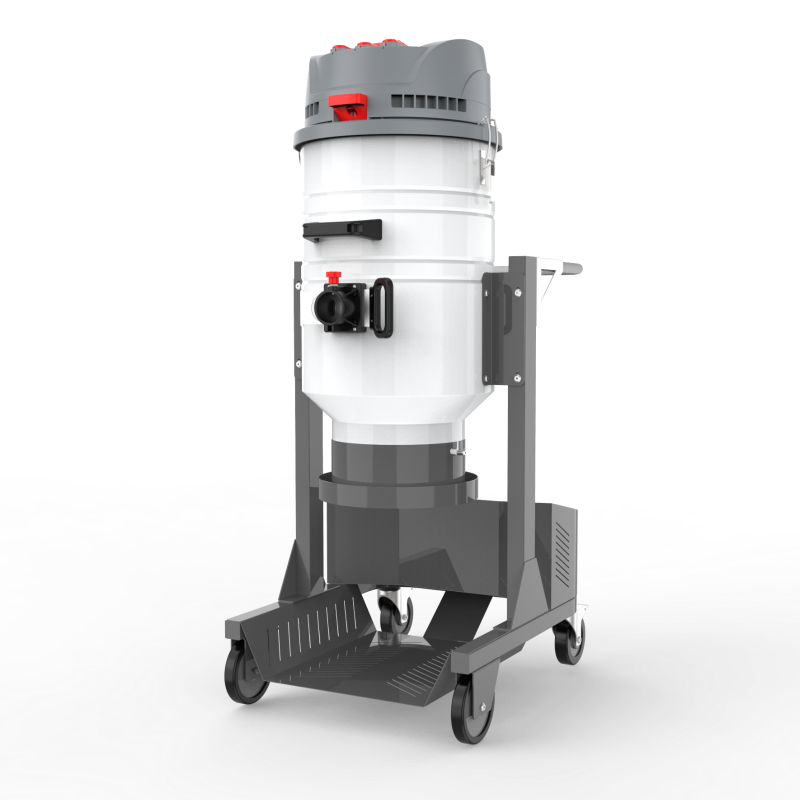
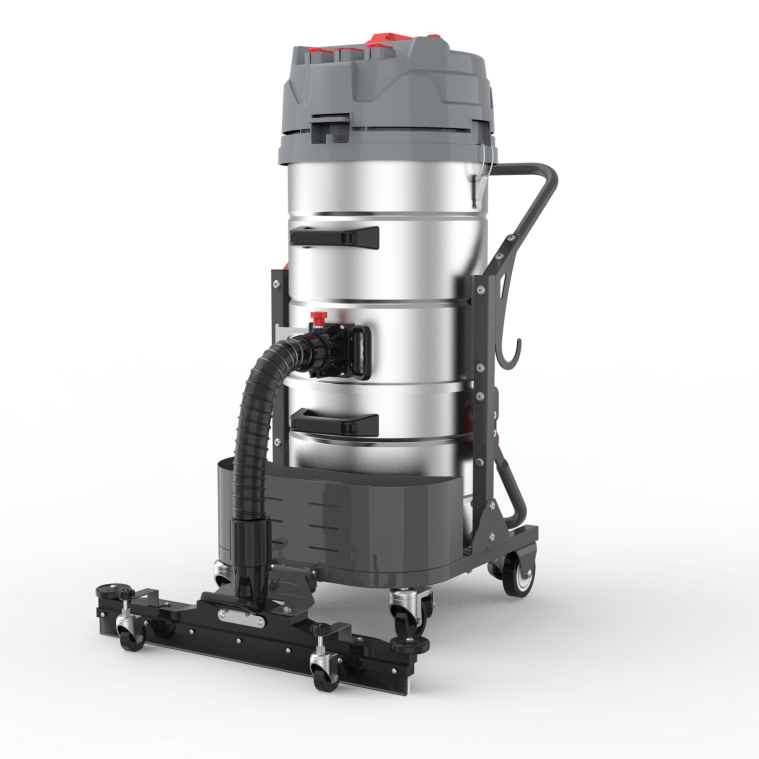
Professional Grinding Dust Collection Workbench - Industrial Dust Extraction System for Safe Grinding Operations

Get a Free Quote

Our representative will contact you soon.
Email
Name
Company Name
Message
0/1000

professional grinding dust collection workbench

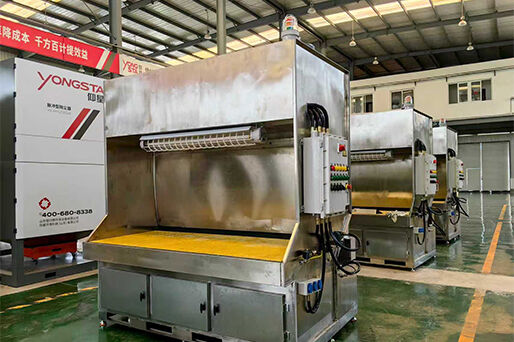
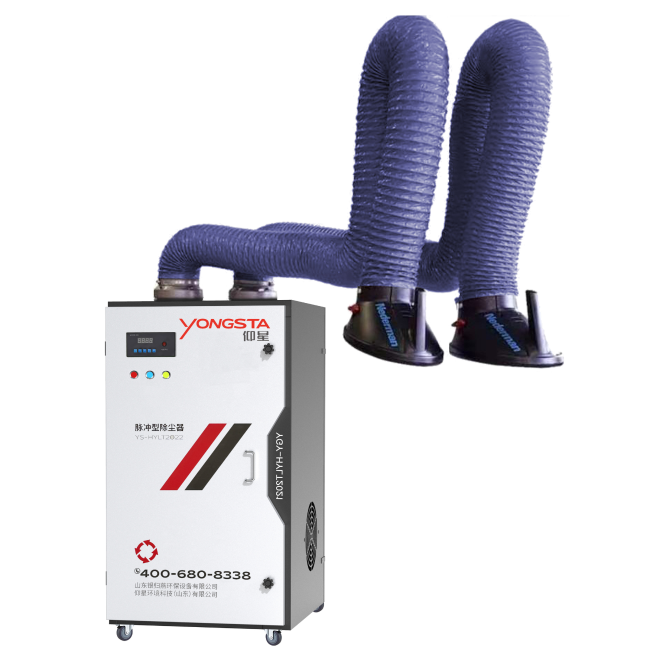
The professional grinding dust collection workbench represents a specialized industrial solution designed to address the critical challenge of airborne particulate matter generated during grinding, polishing, and surface finishing operations. This integrated system combines a robust work surface with an advanced filtration mechanism that captures dust and debris at the source, preventing contamination of the workspace and protecting operator health. The workbench features a strategically positioned suction system that creates negative pressure zones precisely where grinding activities occur, ensuring maximum capture efficiency before particles can disperse into the surrounding environment. Modern professional grinding dust collection workbenches incorporate multi-stage filtration technology, typically utilizing pre-filters to capture larger particles followed by high-efficiency particulate air filters that trap microscopic dust down to submicron levels. The work surface itself is engineered from durable materials capable of withstanding the mechanical stresses and abrasive conditions inherent to grinding operations, often featuring perforated or slotted designs that facilitate airflow while providing stable support for workpieces. Adjustable airflow controls allow operators to optimize suction power based on the specific grinding task, material type, and dust generation rate, ensuring energy-efficient operation without compromising collection performance. These workbenches find extensive application across metalworking facilities, woodworking shops, automotive repair centers, aerospace manufacturing plants, and any industrial setting where grinding processes generate hazardous or nuisance dust. The professional grinding dust collection workbench serves as both a productivity tool and a safety device, maintaining clean working conditions that improve visibility, reduce cleanup time, and minimize the risk of respiratory ailments associated with prolonged dust exposure. Installation flexibility allows these systems to function as standalone units or integrate into existing ventilation infrastructure, accommodating diverse facility layouts and operational requirements while maintaining consistent performance standards that meet or exceed occupational health and safety regulations.

New Product Recommendations

Investing in a professional grinding dust collection workbench delivers immediate and long-term benefits that transform your grinding operations. The most significant advantage is the dramatic improvement in air quality within your workspace. By capturing dust particles at their point of origin, the workbench prevents harmful contaminants from circulating through your facility, creating a healthier environment for everyone on site. Workers experience fewer respiratory issues, reduced eye irritation, and less skin contact with abrasive particles, which translates directly into improved morale and decreased absenteeism. The system also protects expensive machinery and equipment from dust accumulation that can cause premature wear, overheating, and mechanical failures, extending the operational lifespan of your capital investments. Productivity gains represent another compelling advantage. When dust is continuously removed from the work area, operators maintain clear visibility of their workpieces throughout the grinding process, enabling more precise work and reducing errors that require rework. The cleaner environment also means less time spent on housekeeping tasks, allowing your team to focus on value-adding activities rather than sweeping floors and wiping down surfaces. The professional grinding dust collection workbench helps you maintain compliance with increasingly stringent workplace safety regulations and environmental standards. Regulatory agencies impose strict limits on permissible exposure levels for various dust types, and failure to comply can result in substantial fines, work stoppages, and legal liabilities. This system provides documented evidence of your commitment to worker safety and environmental responsibility, which can be valuable during inspections and audits. Energy efficiency is another practical benefit. Modern workbenches use variable-speed motors and intelligent controls that adjust suction power based on actual demand, consuming electricity only when and where needed. This smart operation reduces utility costs compared to older, constantly-running extraction systems. The contained dust collection also simplifies waste management. Instead of dust spreading throughout your facility, it concentrates in replaceable filters or collection containers, making disposal more straightforward and often enabling recycling of valuable materials. The professional grinding dust collection workbench also enhances your company's reputation. Clients and partners increasingly evaluate suppliers based on their environmental and safety practices. Demonstrating that you use advanced dust control technology signals professionalism and quality consciousness that can differentiate your business in competitive markets. The workbench design typically includes ergonomic considerations that reduce operator fatigue during extended grinding sessions, with appropriate working heights and tool positioning that minimize awkward postures and repetitive strain injuries.

Latest News

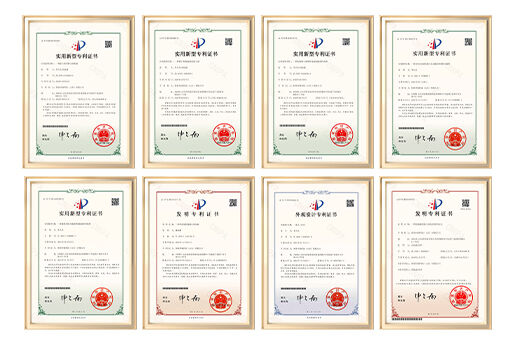
Yongsta R&D Team Wins 3 Dust Removal Technology Patents, Leading Industry Innovation

09

Apr

Yongsta R&D Team Wins 3 Dust Removal Technology Patents, Leading Industry Innovation

View More
Yongsta Cooperates with TUV for ATEX Explosion-Proof Certification, Explosion-Proof Dust Collector to Be Launched Soon

09

Apr

Yongsta Cooperates with TUV for ATEX Explosion-Proof Certification, Explosion-Proof Dust Collector to Be Launched Soon

View More
Empowering Benchmark Manufacturing! Yongsta Cartridge Dust Collector Aids Siemens Transformer China Factory's Dust Removal Renovation and Gains High Recognition

09

Apr

Empowering Benchmark Manufacturing! Yongsta Cartridge Dust Collector Aids Siemens Transformer China Factory's Dust Removal Renovation and Gains High Recognition

View More

Get a Free Quote

Our representative will contact you soon.
Email
Name
Company Name
Message
0/1000

professional grinding dust collection workbench

Advanced Multi-Stage Filtration Technology Ensures Maximum Dust Capture Efficiency

Advanced Multi-Stage Filtration Technology Ensures Maximum Dust Capture Efficiency

The professional grinding dust collection workbench incorporates sophisticated multi-stage filtration technology that sets it apart from basic extraction systems. This advanced approach begins with a pre-filtration stage that intercepts larger particles, metal shavings, and coarse debris before they can reach the primary filter elements. This initial capture extends the life of downstream filters and maintains consistent airflow throughout the system's operational cycle. The secondary filtration stage typically employs high-efficiency particulate air filters or equivalent media capable of trapping particles as small as 0.3 microns with efficiency ratings exceeding 99.97 percent. This level of filtration is essential when working with materials that generate particularly hazardous dust, such as certain metal alloys, composite materials, or treated woods that may contain toxic compounds. The filtration system is engineered to maintain high capture velocity even as filters accumulate collected material, using differential pressure monitoring to alert operators when filter replacement or cleaning is necessary. Many professional grinding dust collection workbenches feature tool-free filter access panels that simplify maintenance procedures, reducing downtime and ensuring that the system operates at peak efficiency. The filtration technology also addresses the challenge of spark and ember management, incorporating flame-resistant filter media and spark arrestor components that prevent fire hazards when grinding ferrous metals or other materials that generate hot particles. This safety feature is particularly valuable in facilities handling flammable materials or operating in environments where fire prevention is paramount. The multi-stage approach also enables selective filtration strategies based on the specific grinding application. Operators can configure the system with different filter grades depending on whether they are working with aluminum, steel, plastics, or wood, optimizing both capture efficiency and filter longevity. The professional grinding dust collection workbench filtration system is designed for easy disposal of collected material, with sealed collection chambers that prevent dust re-entrainment during filter changes and waste removal. This thoughtful engineering ensures that the benefits of dust collection extend through the entire operational cycle, from initial capture through final disposal, providing comprehensive protection and maintaining the clean working environment that makes these systems so valuable in professional grinding operations.
Ergonomic Workspace Design Optimizes Operator Comfort and Grinding Precision

Ergonomic Workspace Design Optimizes Operator Comfort and Grinding Precision

The professional grinding dust collection workbench distinguishes itself through thoughtful ergonomic design that recognizes the physical demands of grinding operations and the importance of operator comfort in achieving quality results. The work surface height is carefully calibrated to accommodate standing operators while minimizing shoulder strain and back stress during extended grinding sessions. Many models offer adjustable height mechanisms that allow customization for different operators or tasks, ensuring that each user can establish an optimal working position that reduces fatigue and enhances control. The work surface itself features strategic perforation patterns or slotted configurations that balance airflow requirements with workpiece stability. These openings are positioned to maximize dust capture while providing sufficient solid surface area to support grinding tools and materials securely. The perforations are sized to prevent small parts from falling through while maintaining the airflow velocity necessary for effective dust collection. Surface materials are selected for durability and resistance to the abrasive conditions inherent in grinding work, often incorporating hardened steel or specialized coatings that withstand years of intensive use without degrading. The professional grinding dust collection workbench typically includes integrated tool rests, adjustable work supports, and accessory mounting points that keep frequently used equipment within easy reach, reducing unnecessary movement and improving workflow efficiency. Lighting integration is another ergonomic consideration, with many workbenches featuring built-in task lighting or provisions for mounting adjustable lamps that illuminate the work area without creating glare or shadows that could compromise precision. The dust collection system operates quietly enough to permit normal conversation and reduce auditory fatigue, using sound-dampening materials and aerodynamically optimized airflow paths that minimize turbulence and associated noise. Vibration isolation is incorporated into the workbench structure to prevent the dust collection fan from transmitting disruptive oscillations to the work surface, which could affect grinding accuracy or operator comfort. The control interface is positioned for intuitive access, allowing operators to adjust suction power, activate the system, or respond to maintenance alerts without interrupting their workflow or adopting awkward postures. This ergonomic attention extends to maintenance procedures, with filter access panels, motor compartments, and collection chambers designed for easy reach and manipulation, reducing the physical burden of routine servicing and encouraging consistent upkeep that maintains system performance over time.
Versatile Application Compatibility Accommodates Diverse Grinding Operations and Materials

Versatile Application Compatibility Accommodates Diverse Grinding Operations and Materials

The professional grinding dust collection workbench excels in its ability to accommodate an exceptionally wide range of grinding applications, materials, and operational requirements, making it a versatile solution for facilities with diverse production needs. This adaptability begins with adjustable suction power that can be calibrated for different grinding intensities, from light deburring operations that generate minimal dust to aggressive stock removal that produces substantial particulate volumes. The airflow control system allows operators to match collection power to the specific task, ensuring adequate capture without excessive energy consumption or creating suction forces that could destabilize lightweight workpieces. The workbench design accommodates various grinding tool types, including angle grinders, bench grinders, die grinders, and specialized finishing equipment, with sufficient work surface area and clearance to maneuver tools effectively while maintaining proximity to suction zones. Material compatibility is another dimension of versatility, as the professional grinding dust collection workbench handles ferrous and non-ferrous metals, plastics, composites, wood, stone, and other materials commonly subjected to grinding processes. The filtration system can be configured with appropriate media for the specific dust characteristics of different materials, whether dealing with fine aluminum powder, stringy plastic particles, or fibrous wood dust. This material flexibility makes the workbench valuable in job shops and custom fabrication facilities where the work mix changes frequently and a single dust collection solution must serve multiple applications. The professional grinding dust collection workbench also adapts to different facility configurations and space constraints. Compact models suit smaller workshops with limited floor space, while larger industrial versions provide extensive work surfaces for high-volume production environments. Mobile configurations with integrated casters enable repositioning to support flexible manufacturing layouts or shared equipment arrangements. The system can operate as a standalone unit with self-contained filtration and collection, or connect to centralized dust collection infrastructure for facilities with existing ventilation systems. This integration flexibility allows businesses to implement the workbench in ways that complement their current operations without requiring extensive facility modifications. The professional grinding dust collection workbench also accommodates future expansion and changing requirements through modular design approaches that permit capacity upgrades, additional filtration stages, or enhanced control systems as operational needs evolve, protecting the initial investment and extending the useful life of the equipment.

Get a Free Quote

Our representative will contact you soon.
Email
Name
Company Name
Message
0/1000
email goToTop