metal grinding downdraft table
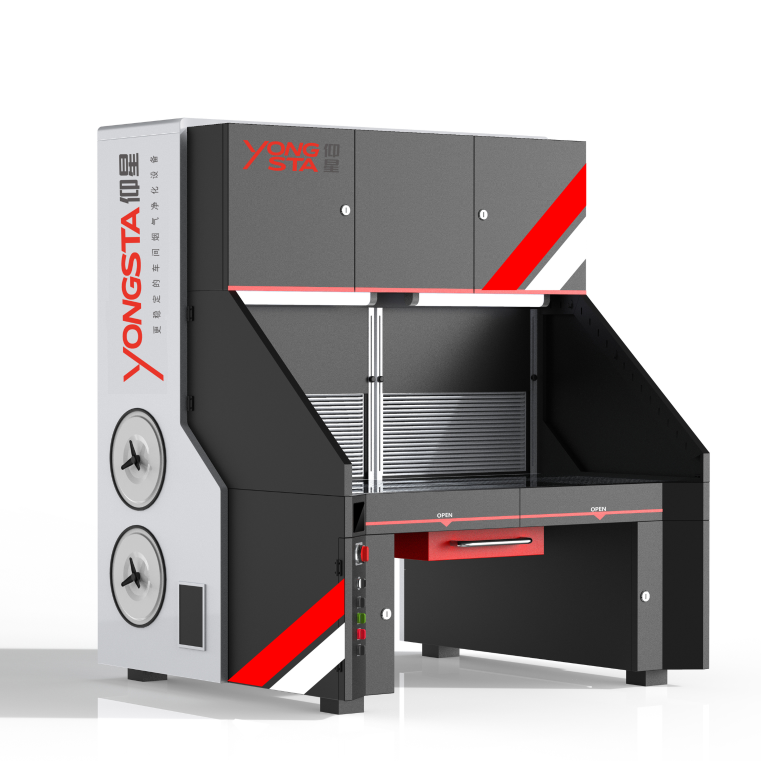
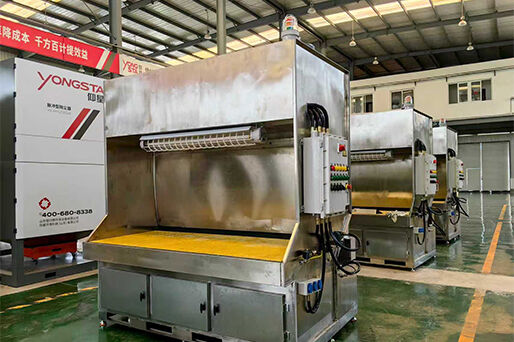
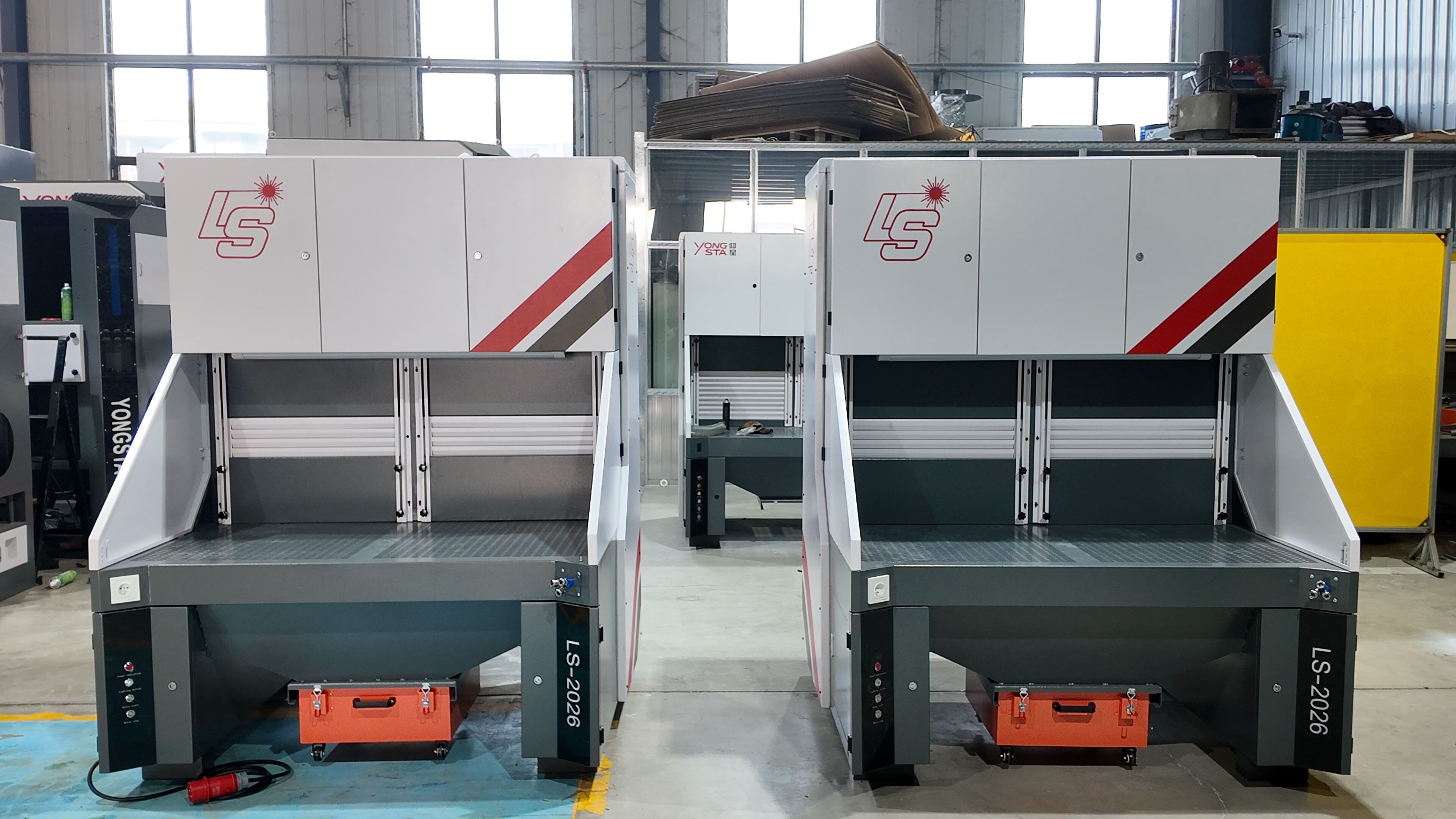
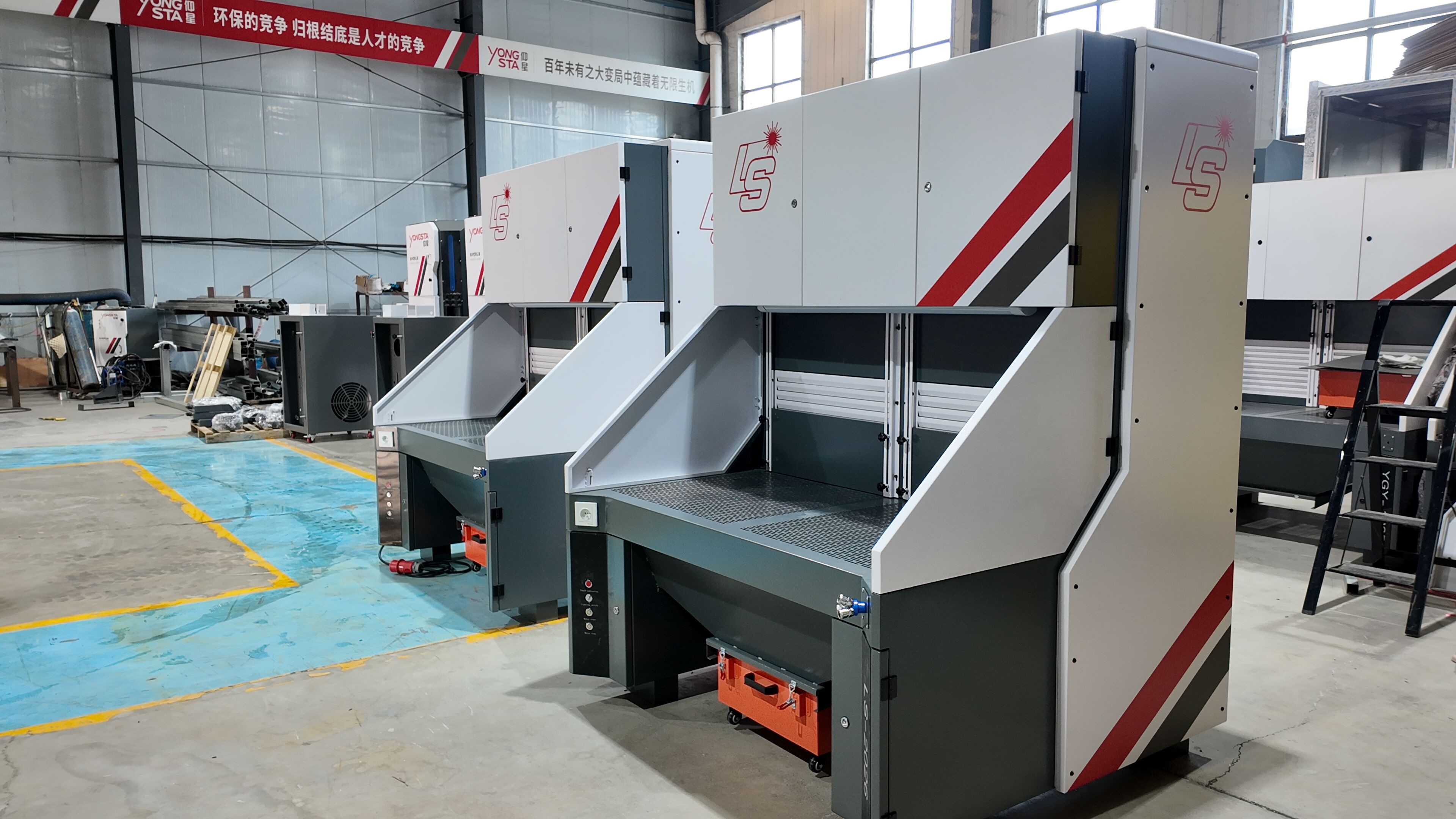
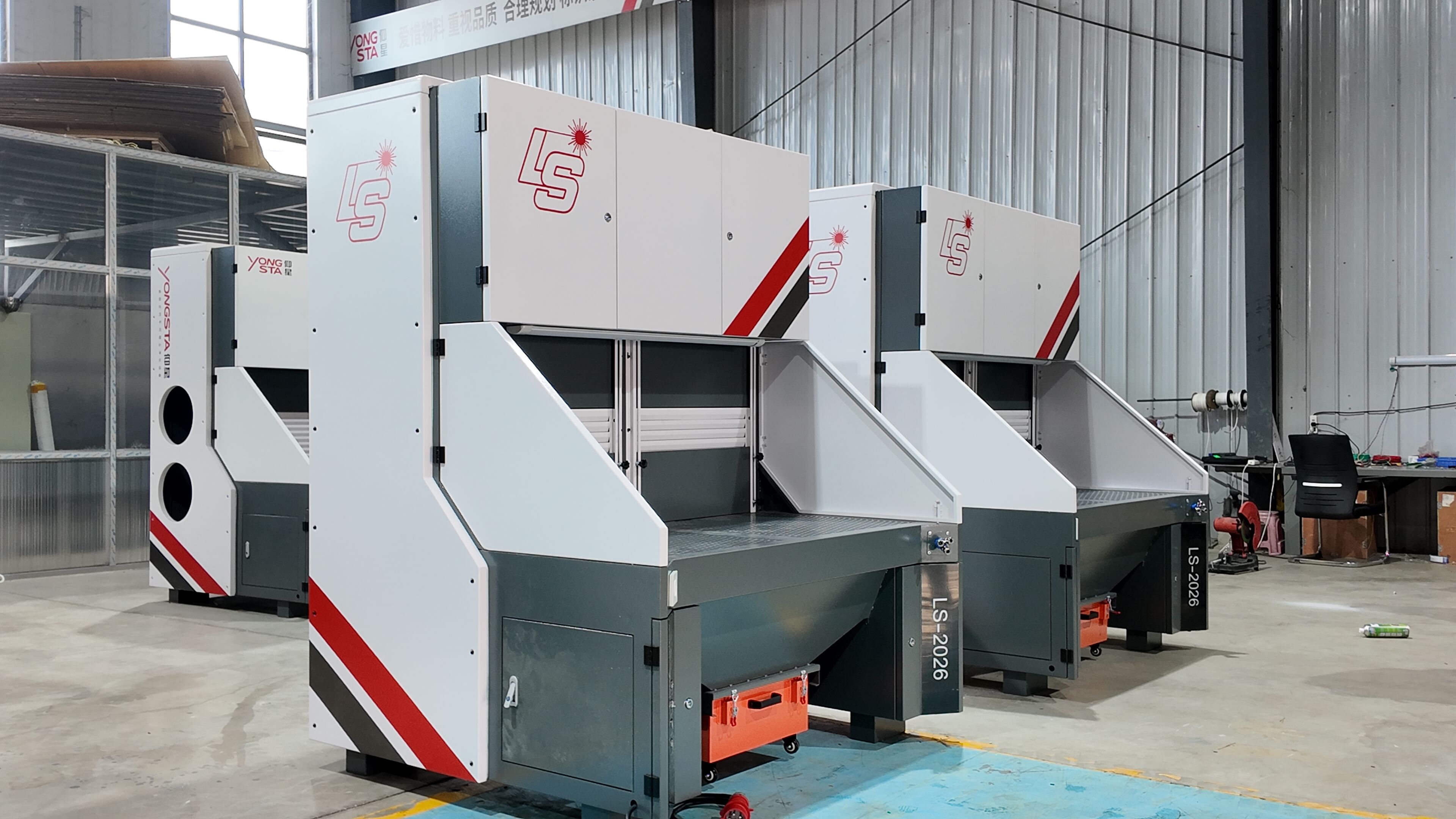
A metal grinding downdraft table represents an essential piece of industrial equipment designed to capture and filter harmful dust, sparks, and debris generated during metal grinding, cutting, welding, and finishing operations. This specialized workstation integrates a perforated work surface with a powerful ventilation system positioned beneath the table, creating a downward airflow that pulls contaminants away from the operator's breathing zone. The metal grinding downdraft table functions as both a sturdy work platform and an effective dust collection system, making it indispensable in fabrication shops, manufacturing facilities, and metalworking environments where worker safety and air quality are priorities. The table's construction typically features heavy-gauge steel to withstand the rigors of industrial grinding operations, while the perforated top allows airflow to pass through while supporting workpieces of various sizes. Modern metal grinding downdraft table systems incorporate high-efficiency filtration media that captures fine particulate matter, including metal dust, grinding residue, and other airborne contaminants that pose health risks when inhaled. The downdraft design principle ensures that hazardous particles are immediately drawn downward and away from workers, preventing accumulation in the workspace and reducing the risk of respiratory issues. These tables are engineered to handle demanding applications such as angle grinding, disc sanding, deburring, and polishing of ferrous and non-ferrous metals. The metal grinding downdraft table serves multiple industries including automotive repair, aerospace component manufacturing, structural steel fabrication, and general metalworking shops. By combining workspace functionality with integrated dust collection, this equipment eliminates the need for separate ventilation systems and reduces facility-wide contamination. The versatility of a metal grinding downdraft table makes it suitable for both small-scale operations and large production environments, with various sizes and configurations available to match specific workflow requirements and space constraints.
 ×
×



 EN
EN