Superior Filtration Systems for Healthier Work Environments
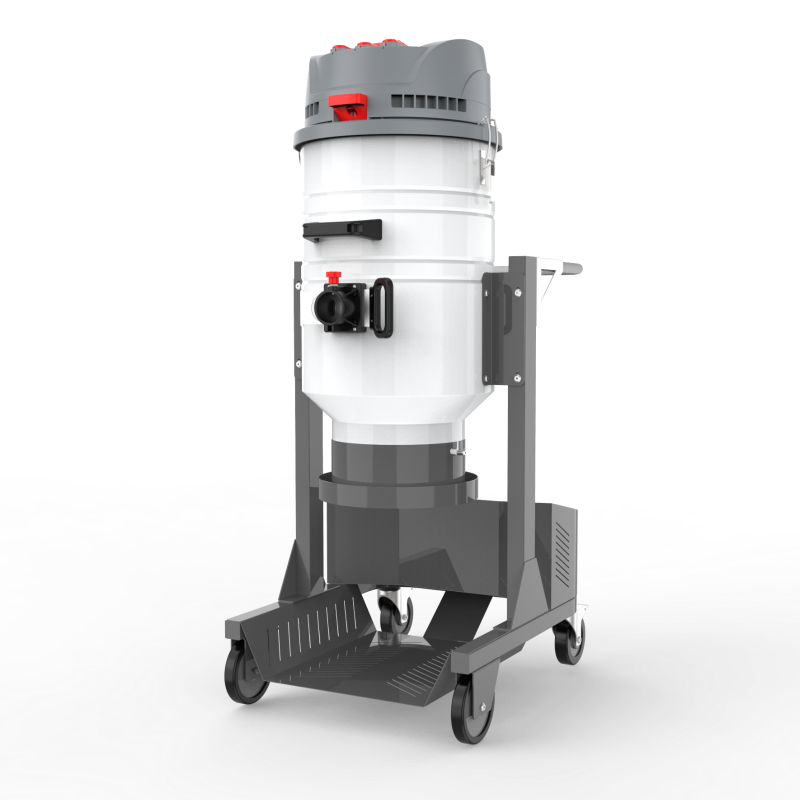
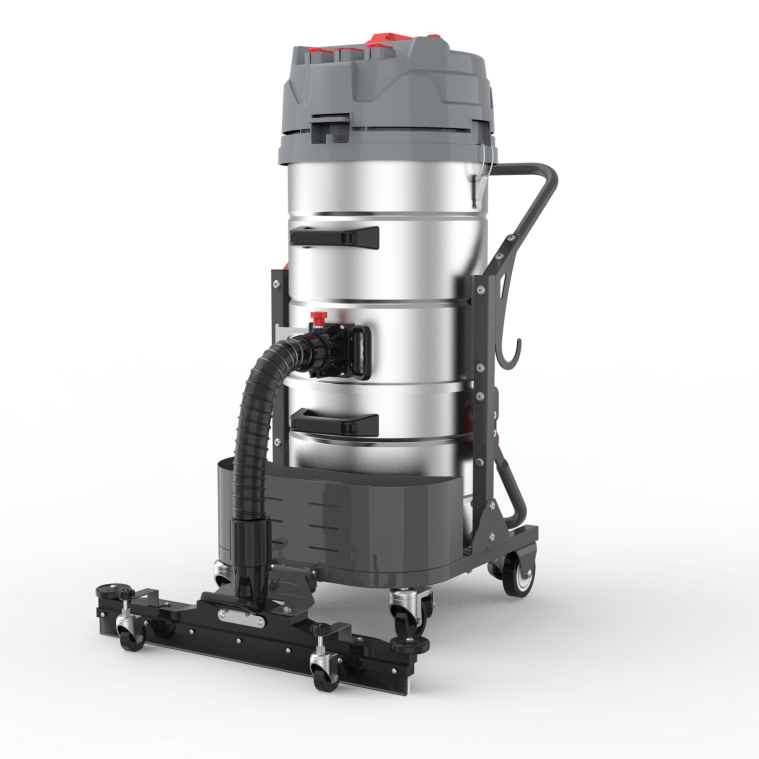
Modern industrial shop vacuum cleaners incorporate sophisticated filtration technology that transforms them from simple cleaning tools into essential health and safety equipment. The filtration systems in these machines typically feature multiple stages, beginning with primary filters that capture larger particles and debris, followed by secondary fine filters, and often culminating in HEPA filters that trap 99.97 percent of particles measuring 0.3 microns or larger. This comprehensive approach to air filtration addresses a critical concern in industrial settings where airborne contaminants pose serious health risks to workers. Fine dust from woodworking, metal grinding, concrete cutting, and chemical processes can cause respiratory problems, allergic reactions, and long-term health complications when workers breathe contaminated air repeatedly. Industrial shop vacuum cleaners equipped with advanced filtration systems actively improve air quality by capturing these harmful particles before they circulate throughout the workspace. The importance of superior filtration extends beyond immediate health benefits. Regulatory compliance represents a significant concern for many industries, with OSHA and other agencies establishing strict standards for workplace air quality and dust exposure limits. Using industrial shop vacuum cleaners with certified HEPA filtration helps businesses meet these requirements, avoiding costly fines and potential shutdowns. Additionally, cleaner air means less dust settling on equipment, inventory, and finished products, reducing quality control issues and product contamination. The value proposition for customers includes several compelling factors. First, protecting worker health reduces absenteeism, improves morale, and decreases healthcare costs associated with occupational illnesses. Second, many industrial shop vacuum cleaners feature filter cleaning systems that automatically shake or pulse filters during operation, maintaining suction power and extending filter life, which reduces maintenance costs and downtime. Third, the ability to capture fine particles prevents them from escaping back into the environment, unlike cheaper vacuums that simply redistribute dust through exhaust air. Fourth, specialized filters are available for specific applications, such as capturing hazardous materials, allergens, or chemical particles, making these systems adaptable to unique industry requirements. The construction of these filtration systems typically includes sealed housings that prevent bypass, ensuring all air passes through filters before exhaust. Some advanced industrial shop vacuum cleaners incorporate cyclonic separation technology that spins debris away from filters before air reaches them, dramatically extending filter life and maintaining consistent suction. This combination of health protection, regulatory compliance, cost savings through extended filter life, and adaptability to specific needs makes the superior filtration systems in industrial shop vacuum cleaners an investment in both worker wellbeing and operational excellence.
 ×
×



 EN
EN