Intelligent Airflow Management Optimizes Performance While Minimizing Energy Costs
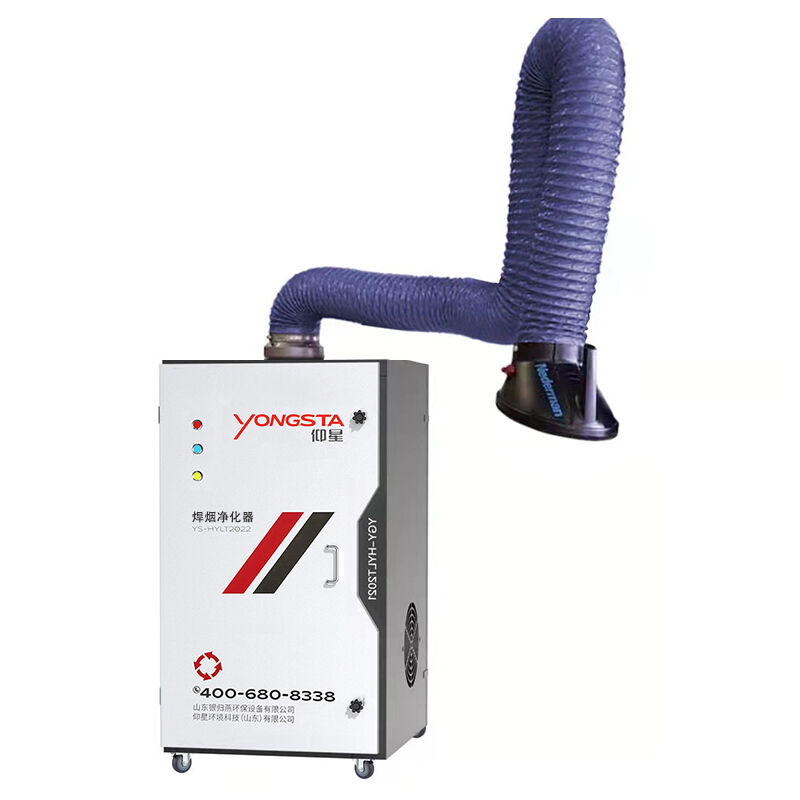
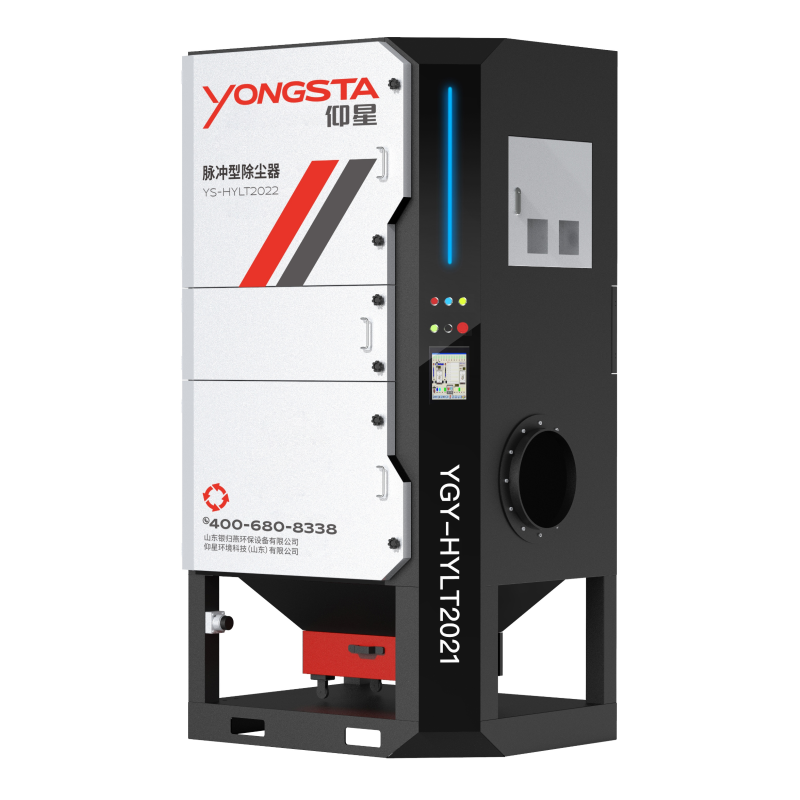
An industrial dust collector for laser cutter equipped with intelligent airflow management represents a quantum leap beyond simple exhaust fans, incorporating variable frequency drives, automated dampers, and sensor networks that continuously optimize collection efficiency while minimizing energy consumption. Traditional fixed-speed collectors run at maximum capacity regardless of actual demand, wasting electricity during light cutting operations and potentially creating excessive negative pressure that can interfere with laser beam stability or pull ambient air through machine seals, introducing temperature and humidity fluctuations that affect cutting precision. Modern systems employ variable speed motors controlled by sophisticated algorithms that monitor cutting activity, material type, and real-time particle concentration to adjust fan speed dynamically, providing exactly the suction needed for current conditions without excess. This intelligent approach in an industrial dust collector for laser cutter can reduce energy consumption by forty to sixty percent compared to constant-speed alternatives, translating to substantial savings over the equipment's operational lifetime while also reducing motor wear and extending component longevity. The airflow management system incorporates strategically positioned sensors throughout the ductwork that measure air velocity, particle density, and pressure differentials, feeding data to central controllers that make instantaneous adjustments maintaining optimal collection performance. When multiple laser cutters connect to a single collector, zone dampers automatically adjust to concentrate suction at active cutting stations while reducing flow to idle machines, maximizing efficiency across the entire facility. The industrial dust collector for laser cutter also features programmable operating modes that accommodate different production scenarios - a high-intensity mode for thick metal cutting that generates heavy smoke, a standard mode for routine operations, and an economy mode for light-duty work or extended idle periods that maintains minimum airflow to prevent particle settling without unnecessary energy expenditure. Soft-start capabilities gradually ramp motor speed during startup, eliminating the electrical demand spikes that trigger utility demand charges and stress electrical infrastructure, while also reducing mechanical shock that can loosen connections or damage components over time. The intelligent system learns facility usage patterns over time, anticipating production schedules and pre-conditioning filters before heavy cutting sessions to ensure optimal performance when needed most. Remote monitoring capabilities allow facility managers to track collector performance from anywhere, receiving alerts about maintenance needs, filter saturation, or performance anomalies before they impact production, enabling proactive rather than reactive maintenance strategies. This level of sophistication in an industrial dust collector for laser cutter transforms what was once a simple exhaust system into an intelligent facility asset that actively contributes to operational efficiency, cost control, and production quality.
 ×
×



 EN
EN