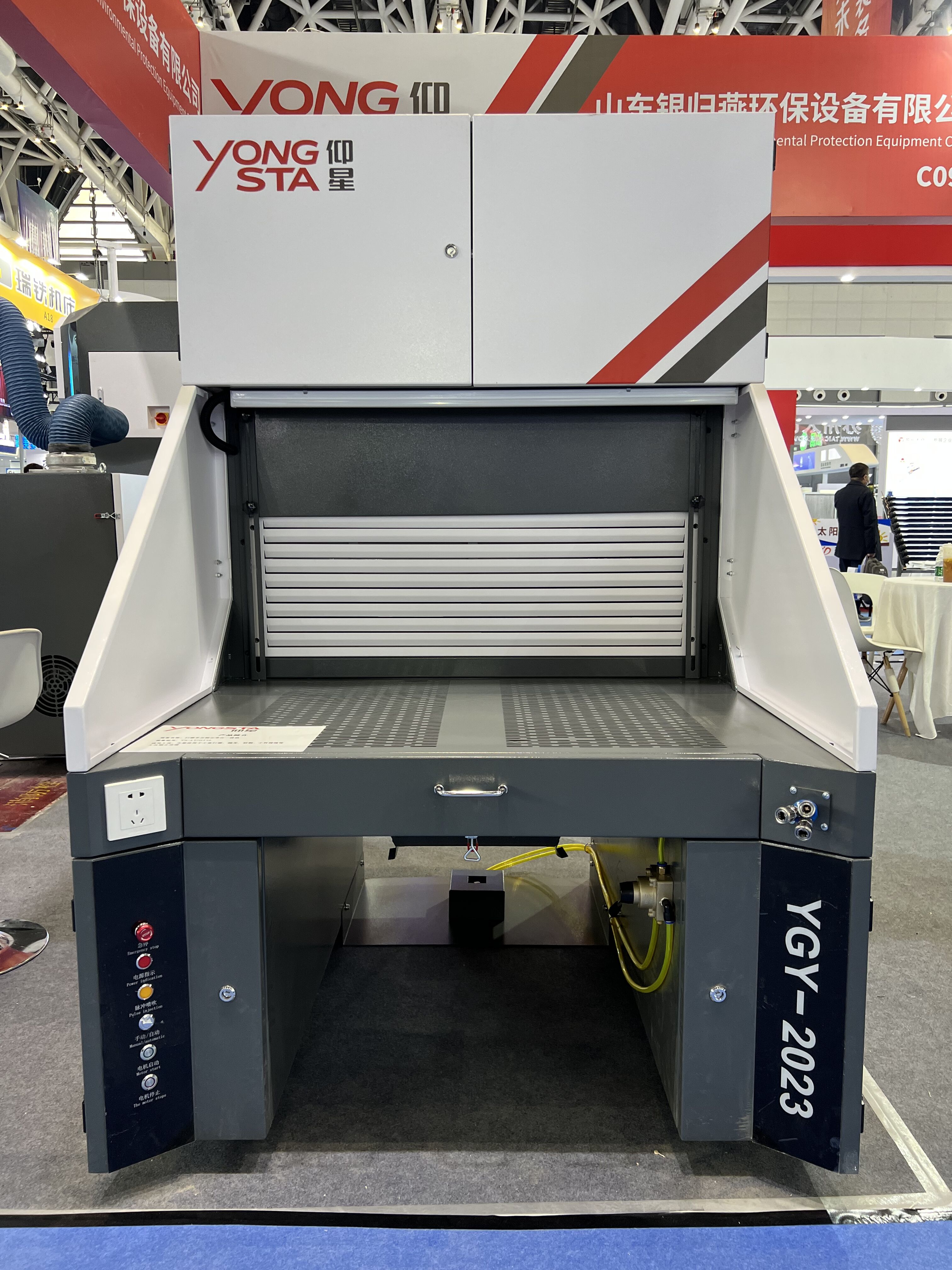
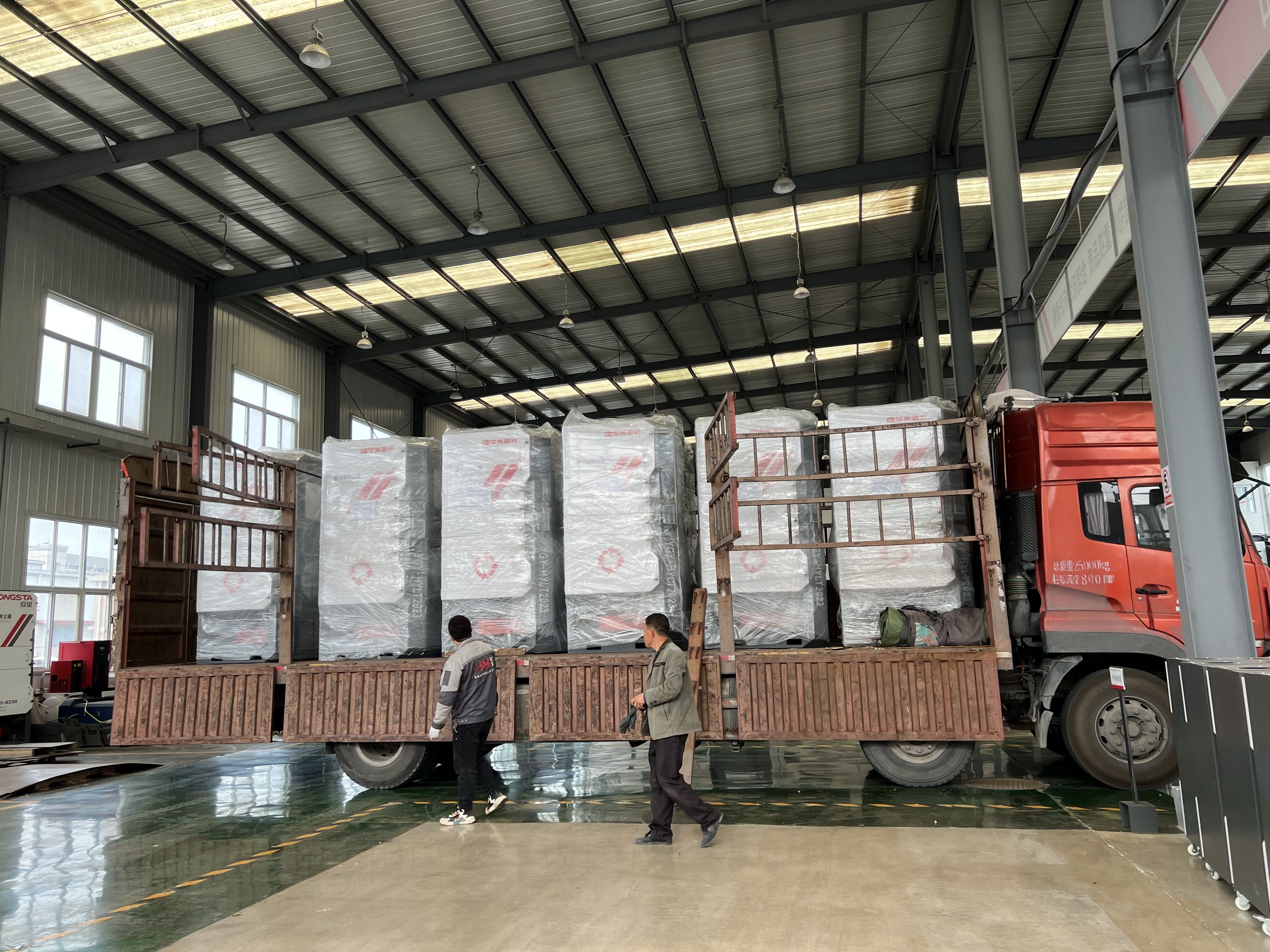
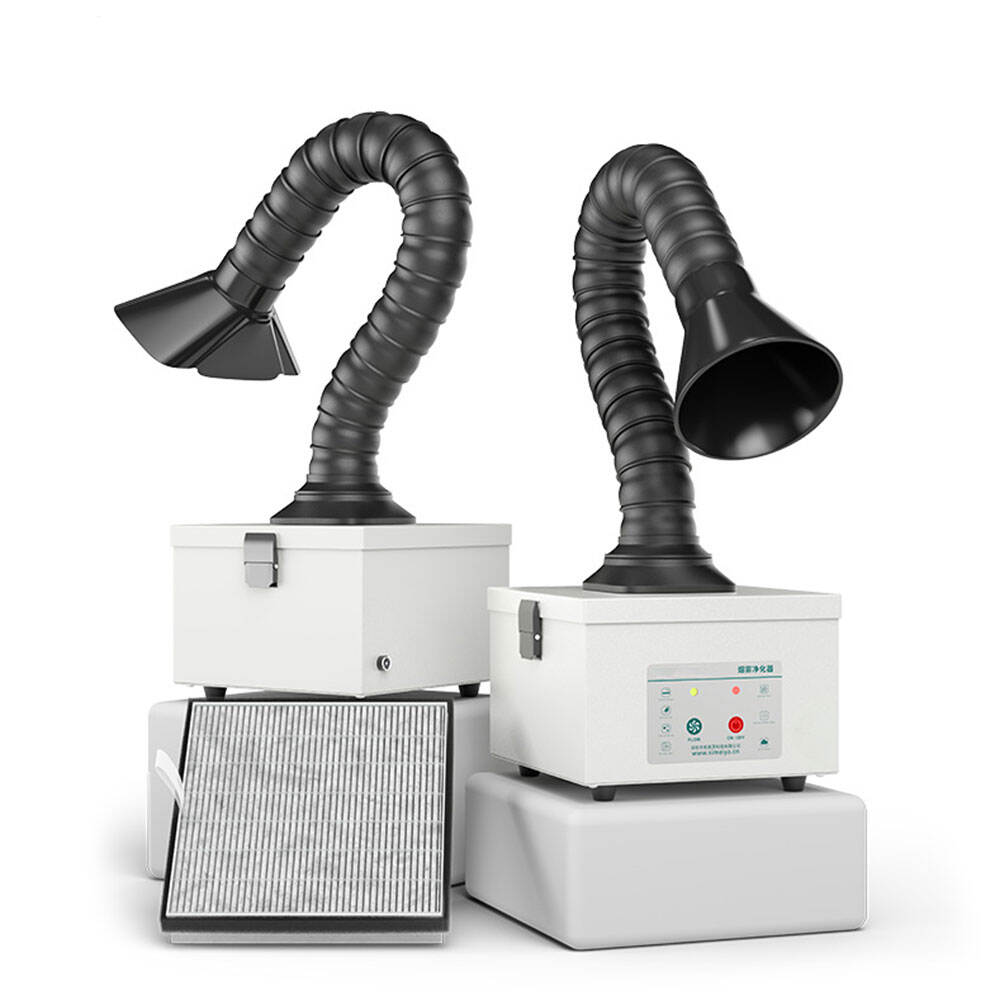
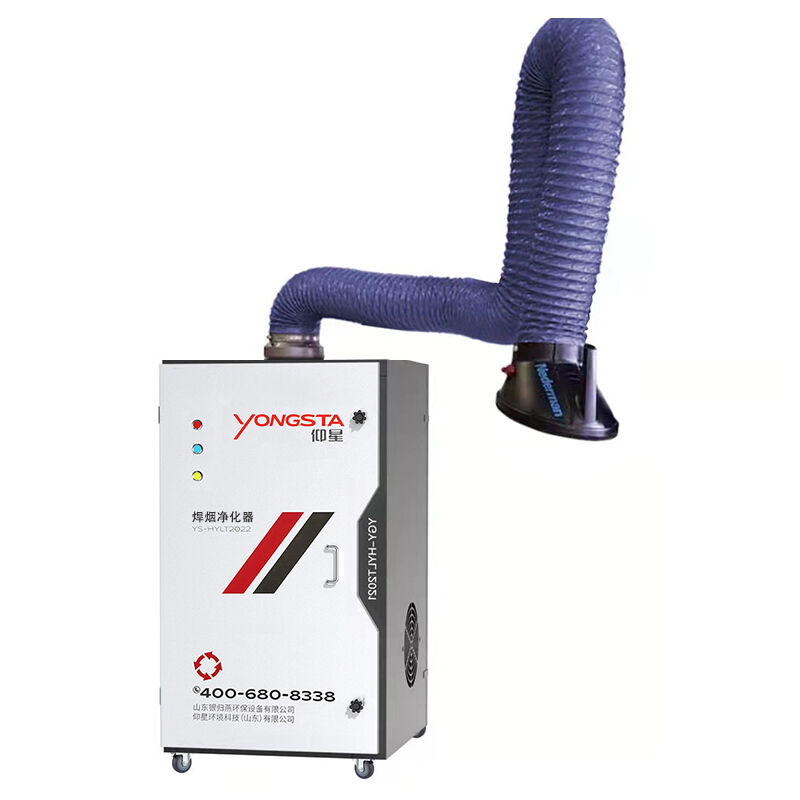
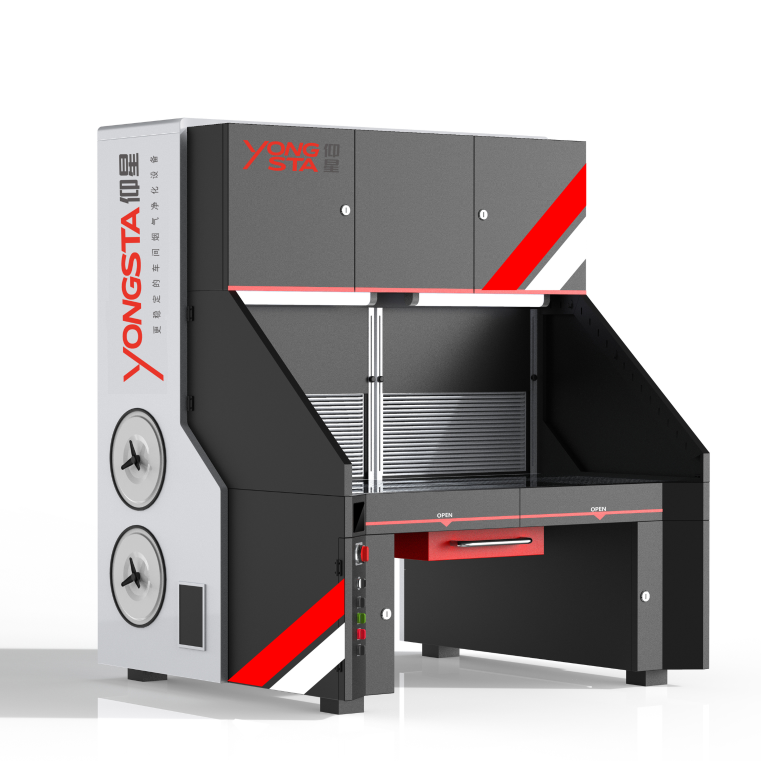
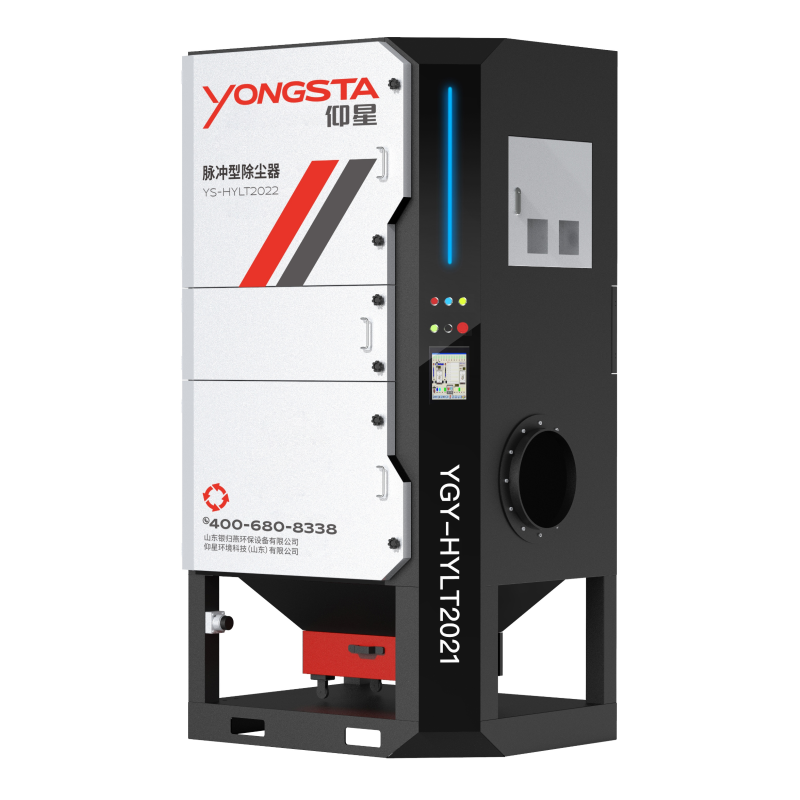
Industrial Electrostatic Precipitator - High-Efficiency Particulate Control for Manufacturing and Power Generation

Get a Free Quote

Our representative will contact you soon.
Email
Name
Company Name
Message
0/1000

industrial electrostatic precipitator

An industrial electrostatic precipitator represents a sophisticated air pollution control device engineered to remove particulate matter from exhaust gases in manufacturing facilities, power plants, and various industrial operations. This technology operates on the principle of electrostatic attraction, where particles suspended in gas streams receive an electrical charge and subsequently collect on oppositely charged plates or collection surfaces. The industrial electrostatic precipitator functions by creating a high-voltage electric field between discharge electrodes and grounded collection plates, typically generating voltages ranging from 20,000 to 100,000 volts. As contaminated air passes through this charged field, particles become ionized and migrate toward collection surfaces where they accumulate until periodic cleaning removes the buildup. The main functions of an industrial electrostatic precipitator include capturing fine particulates as small as 0.01 microns, reducing harmful emissions that would otherwise escape into the atmosphere, and ensuring compliance with environmental regulations governing air quality standards. Technological features distinguish modern industrial electrostatic precipitator systems from conventional filtration methods, including automated rapping mechanisms that dislodge collected particles, sophisticated control systems monitoring electrical parameters, and modular designs allowing customization for specific industrial applications. These systems handle enormous gas volumes, often processing hundreds of thousands of cubic meters per hour while maintaining collection efficiencies exceeding 99 percent for many particle types. Applications span diverse industries where particulate emissions pose environmental or health concerns, including cement manufacturing plants where dust generation is substantial, coal-fired power stations producing fly ash, steel mills generating metallic fumes, chemical processing facilities releasing various particulates, and waste incineration plants managing complex emission streams. The industrial electrostatic precipitator has become indispensable in heavy industries seeking sustainable operations while meeting stringent environmental standards, offering reliable performance across varying operational conditions and particle characteristics.

New Product Recommendations

The industrial electrostatic precipitator delivers substantial operational benefits that translate directly into cost savings and improved environmental performance for facilities across manufacturing sectors. Unlike fabric filters or wet scrubbers, this technology operates with minimal pressure drop across the system, typically maintaining pressure losses below one inch of water column, which significantly reduces fan power requirements and lowers ongoing energy expenses throughout the equipment lifespan. Facilities implementing an industrial electrostatic precipitator experience dramatic reductions in particulate emissions, often achieving removal efficiencies between 95 and 99.9 percent depending on particle characteristics and system design, ensuring compliance with increasingly strict air quality regulations while avoiding costly fines or operational shutdowns. The equipment handles high-temperature gas streams effectively, accommodating temperatures up to 700 degrees Fahrenheit in standard configurations and even higher in specialized designs, eliminating the need for expensive gas cooling systems that other pollution control technologies require. Maintenance demands remain relatively modest compared to alternative solutions, with primary upkeep involving periodic inspection of electrical components, occasional replacement of discharge electrodes, and routine cleaning of collection plates, activities that trained personnel complete during scheduled maintenance windows without extensive downtime. The industrial electrostatic precipitator processes enormous gas volumes efficiently, making it ideal for large-scale industrial operations where throughput capacity directly impacts production capabilities and profitability. Operational flexibility represents another significant advantage, as these systems adapt to varying process conditions, fluctuating particle loads, and different fuel types without requiring major modifications or performance compromises. The collected material often remains dry and suitable for recycling or disposal, avoiding the wet sludge problems associated with scrubber systems and potentially creating revenue opportunities when captured materials possess commercial value. Long service life characterizes properly maintained industrial electrostatic precipitator installations, with many systems operating reliably for decades when receiving appropriate care, spreading capital investment costs across extended periods and improving return on investment calculations. The technology operates continuously without consumable filter media replacement, eliminating recurring expenses for bags, cartridges, or other disposable components that burden alternative filtration approaches. Space efficiency benefits facilities with limited real estate, as modern industrial electrostatic precipitator designs optimize footprint while maintaining high collection performance, allowing integration into existing plant layouts without extensive structural modifications. These combined advantages position the industrial electrostatic precipitator as a economically sound and environmentally responsible choice for industries committed to sustainable operations and regulatory compliance.

Tips And Tricks

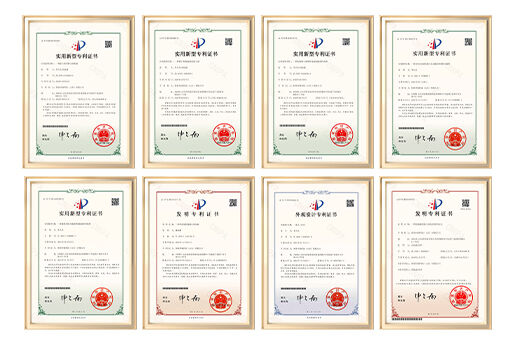
Yongsta R&D Team Wins 3 Dust Removal Technology Patents, Leading Industry Innovation

09

Apr

Yongsta R&D Team Wins 3 Dust Removal Technology Patents, Leading Industry Innovation

View More
Yongsta Cooperates with TUV for ATEX Explosion-Proof Certification, Explosion-Proof Dust Collector to Be Launched Soon

09

Apr

Yongsta Cooperates with TUV for ATEX Explosion-Proof Certification, Explosion-Proof Dust Collector to Be Launched Soon

View More
Empowering Benchmark Manufacturing! Yongsta Cartridge Dust Collector Aids Siemens Transformer China Factory's Dust Removal Renovation and Gains High Recognition

09

Apr

Empowering Benchmark Manufacturing! Yongsta Cartridge Dust Collector Aids Siemens Transformer China Factory's Dust Removal Renovation and Gains High Recognition

View More

Get a Free Quote

Our representative will contact you soon.
Email
Name
Company Name
Message
0/1000

industrial electrostatic precipitator

Superior Collection Efficiency Across Particle Size Ranges

Superior Collection Efficiency Across Particle Size Ranges

The industrial electrostatic precipitator demonstrates exceptional capability in capturing particulate matter across an extraordinarily wide size spectrum, from submicron particles measuring less than one micron to larger aggregates exceeding 100 microns in diameter. This comprehensive collection performance stems from the fundamental physics governing electrostatic precipitation, where charged particles respond to electric field forces regardless of their aerodynamic properties, unlike mechanical collectors that rely on inertia or gravitational settling. Fine particles pose the greatest health and environmental risks because they penetrate deep into respiratory systems and travel long distances in the atmosphere, yet these same particles prove most difficult for conventional filtration technologies to capture efficiently. The industrial electrostatic precipitator excels precisely where other technologies struggle, applying electrical charges to submicron particles and extracting them from gas streams with remarkable effectiveness. This capability proves particularly valuable in industries generating complex particle distributions, such as coal combustion producing fly ash with particles ranging from ultrafine condensed vapors to coarse unburned carbon fragments. The collection mechanism operates independently of gas velocity within design parameters, maintaining high efficiency even as throughput varies with production demands, providing operational flexibility that mechanical collectors cannot match. Modern industrial electrostatic precipitator designs incorporate multiple collection stages, each optimized for specific particle size ranges, ensuring comprehensive removal across the entire distribution. The first stage typically handles larger, easily charged particles, while subsequent stages focus on finer, more challenging materials, creating a cascading purification effect that maximizes overall system performance. Advanced electrode configurations, including discharge wires with optimized corona characteristics and collection plates with enhanced surface treatments, further improve particle capture, particularly for resistive materials that historically challenged electrostatic precipitation technology. Facilities benefit from this superior collection efficiency through reduced visible emissions, improved community relations, and confident regulatory compliance even as standards tighten over time. The industrial electrostatic precipitator transforms contaminated exhaust streams into clean air that meets or exceeds environmental requirements, protecting both public health and corporate reputation while supporting sustainable industrial operations for the long term.
Minimal Operating Costs and Energy Efficiency

Minimal Operating Costs and Energy Efficiency

The industrial electrostatic precipitator stands out among air pollution control technologies for its remarkably low operating costs, delivering substantial economic advantages that accumulate significantly over the equipment lifespan. Energy consumption represents the dominant ongoing expense for most pollution control systems, and here the industrial electrostatic precipitator excels by operating with minimal resistance to gas flow, typically creating pressure drops of only 0.5 to 1.0 inches of water column compared to 4 to 8 inches for fabric filters. This dramatic difference translates directly into reduced fan power requirements, with facilities often saving hundreds of kilowatts in continuous electrical demand, generating annual energy cost reductions measured in tens or hundreds of thousands of dollars depending on system size and local electricity rates. The electrical power consumed by the high-voltage system itself remains modest, usually representing only a small fraction of the fan power savings achieved through low pressure drop operation, creating a net energy advantage that improves with increasing gas volumes. Maintenance requirements contribute minimally to operating costs because the industrial electrostatic precipitator contains no consumable filter media requiring periodic replacement, no moving parts subject to wear in the gas stream, and no liquid circulation systems demanding chemical treatment or wastewater management. Routine maintenance activities focus on inspecting electrical components, cleaning collection surfaces during scheduled outages, and occasionally replacing discharge electrodes after years of service, tasks that trained maintenance personnel complete efficiently without specialized external contractors. The absence of filter bag replacements eliminates both the direct costs of purchasing expensive fabric elements and the indirect costs of disposal, which increasingly involve environmental fees as regulations governing industrial waste tighten. Collected material typically remains dry and concentrated, simplifying handling and disposal while potentially creating opportunities for material recovery or recycling that generate revenue rather than incur costs. The industrial electrostatic precipitator operates reliably across varying process conditions without performance degradation, maintaining consistent collection efficiency as particle loads fluctuate with production cycles, eliminating the efficiency losses that plague fabric filters as they load with dust between cleaning cycles. Automated control systems optimize electrical parameters continuously, adjusting voltage and current to match real-time conditions and maximize collection efficiency while minimizing power consumption, further enhancing economic performance. These combined factors establish the industrial electrostatic precipitator as the most cost-effective solution for large-scale particulate control applications, delivering superior environmental performance while supporting financial objectives and competitive positioning in global markets.
Robust Design for Demanding Industrial Environments

Robust Design for Demanding Industrial Environments

The industrial electrostatic precipitator features rugged construction engineered specifically to withstand the harsh conditions characteristic of heavy industrial operations, including high temperatures, corrosive gases, abrasive particles, and continuous duty cycles that challenge less robust pollution control technologies. Structural components utilize heavy-gauge steel with protective coatings or corrosion-resistant alloys selected based on specific process chemistry, ensuring long service life even when handling aggressive exhaust streams from chemical processing, waste incineration, or metallurgical operations. Collection plates and discharge electrodes withstand repeated thermal cycling and mechanical stress from rapping systems without warping, cracking, or losing electrical integrity, maintaining precise spacing critical for optimal electrostatic field distribution and collection performance. The industrial electrostatic precipitator accommodates gas temperatures up to 700 degrees Fahrenheit in standard configurations, eliminating the need for expensive gas cooling systems that consume energy, require maintenance, and introduce additional failure points into the pollution control system. High-temperature capability proves essential in applications like cement kilns, glass furnaces, and certain metallurgical processes where cooling exhaust gases before treatment would waste valuable thermal energy and increase operational complexity. Insulated housings minimize heat loss and protect external components from temperature extremes, while internal refractory linings in ultra-high-temperature applications provide additional thermal protection for structural elements. The modular design philosophy underlying modern industrial electrostatic precipitator construction facilitates maintenance and allows capacity expansion as production grows, with individual fields isolated for service while remaining sections continue operating, minimizing production disruptions and maintaining emission compliance during maintenance activities. Sophisticated monitoring systems track electrical parameters, temperature profiles, and operational status across all system components, providing early warning of developing issues before they escalate into failures, supporting predictive maintenance strategies that optimize equipment availability and minimize unplanned downtime. Redundant power supplies and control systems enhance reliability for critical applications where continuous operation is essential, ensuring the industrial electrostatic precipitator maintains emission control even during component failures or maintenance activities. Weather-resistant outdoor installations protect internal components from environmental exposure while providing convenient access for inspection and maintenance, with designs accommodating site-specific constraints including space limitations, structural loading restrictions, and integration with existing plant infrastructure. This robust engineering approach ensures the industrial electrostatic precipitator delivers reliable, long-term performance in the demanding environments where industrial air pollution control is most critical, protecting both environmental quality and operational continuity for facilities depending on consistent, compliant emissions management.

Get a Free Quote

Our representative will contact you soon.
Email
Name
Company Name
Message
0/1000
email goToTop