Industrial Dust Collector for Laser Cutting Machine - Advanced Filtration Systems for Clean, Safe Operations

Get a Free Quote

Our representative will contact you soon.
Email
Name
Company Name
Message
0/1000

dust collector for laser cutting machine

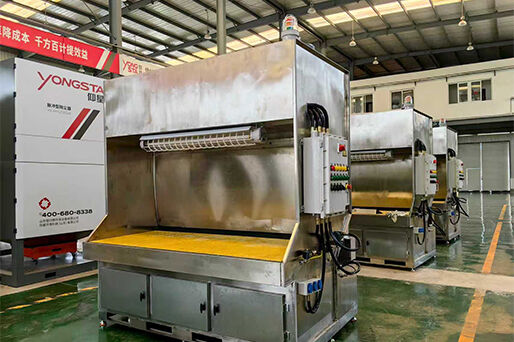
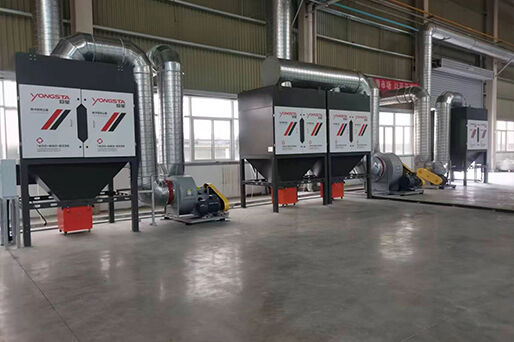
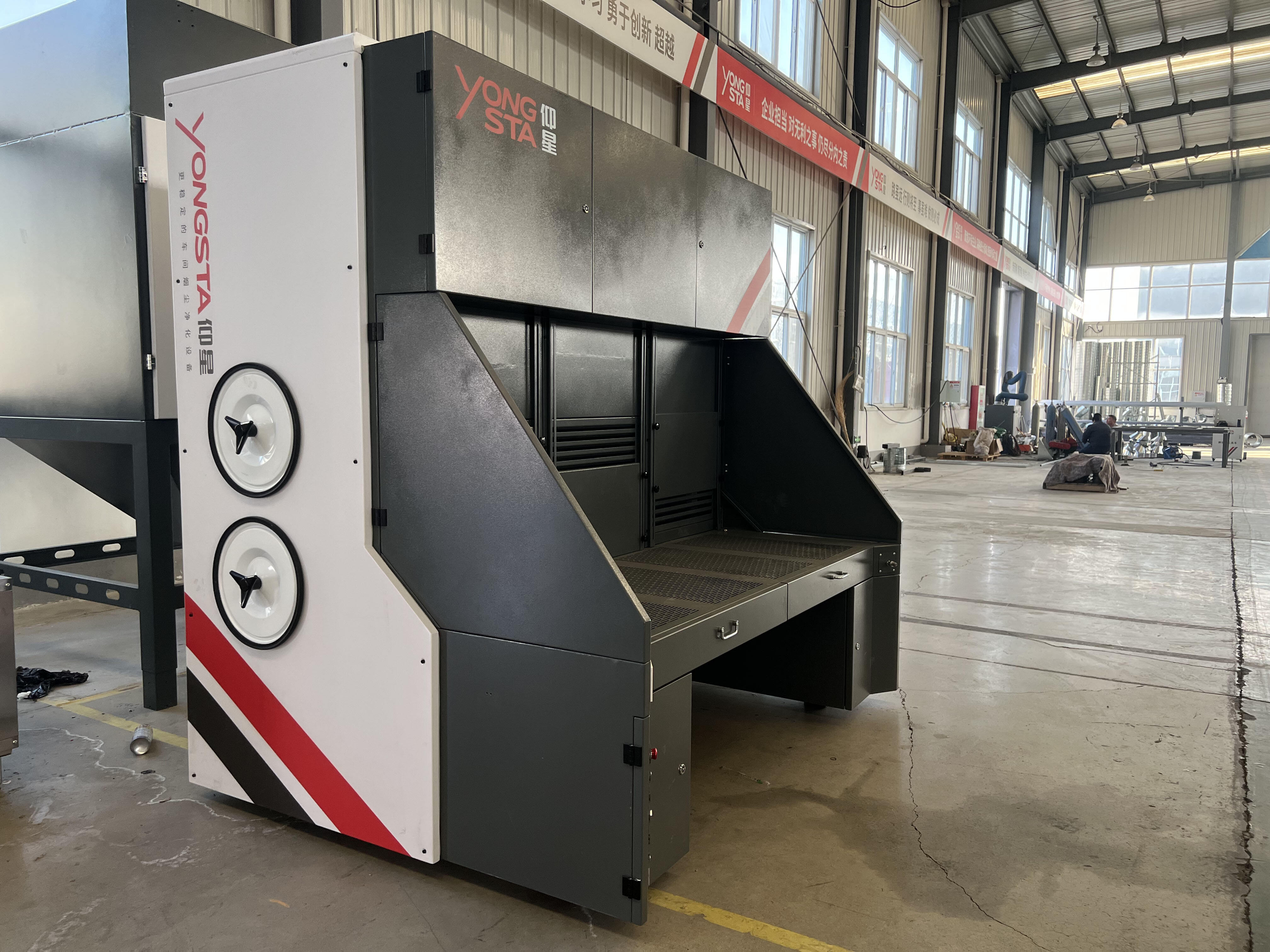
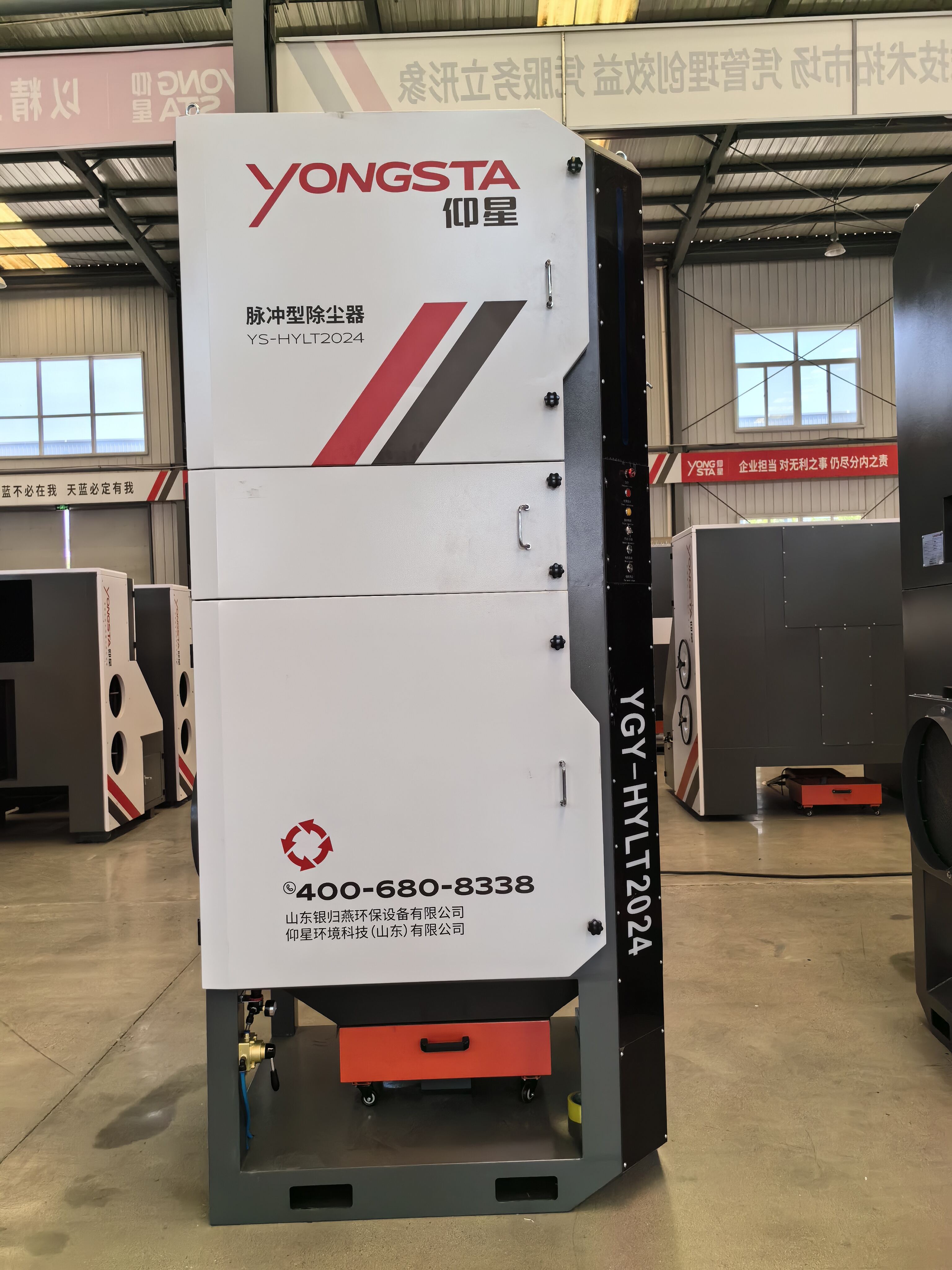
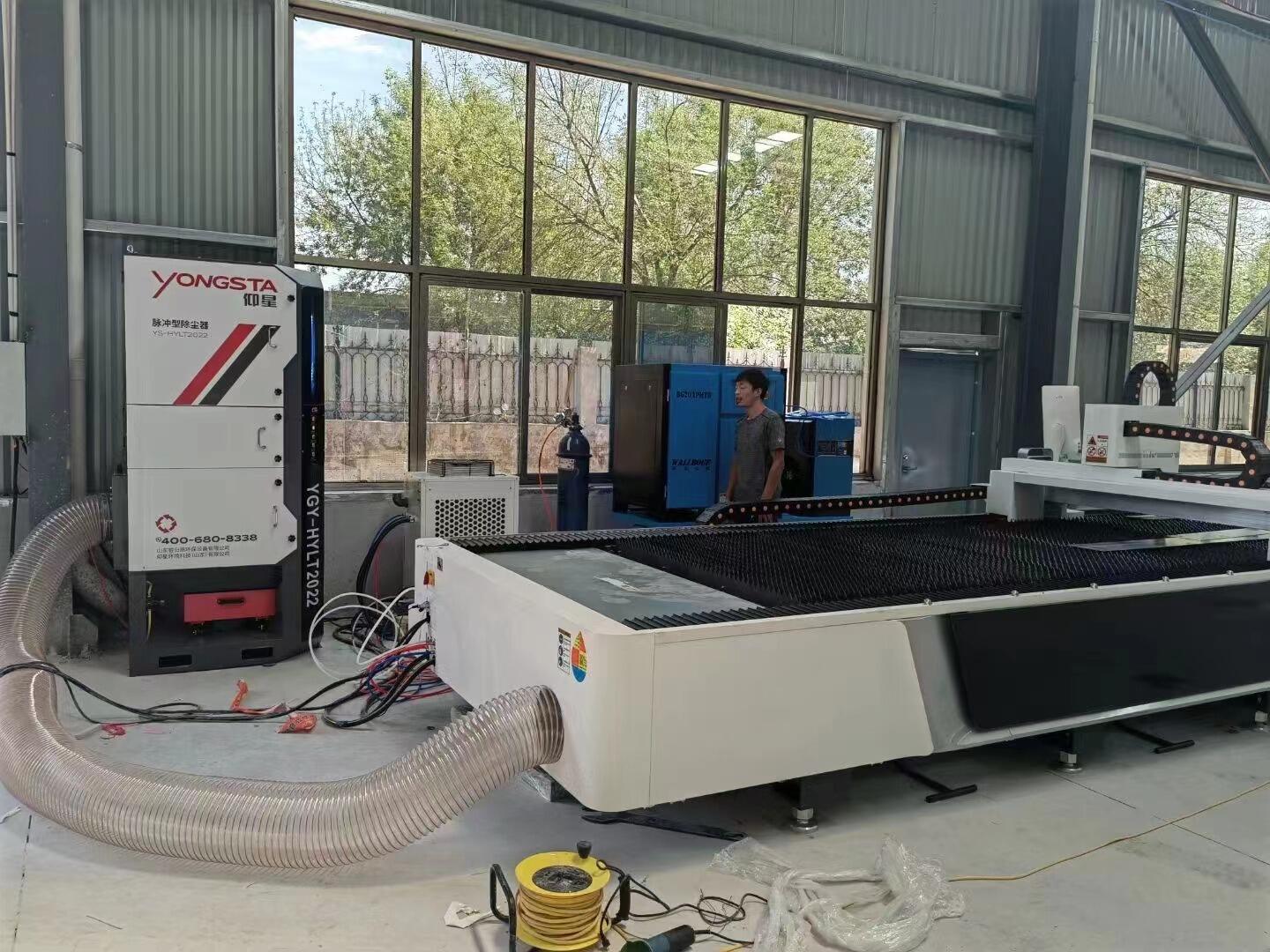
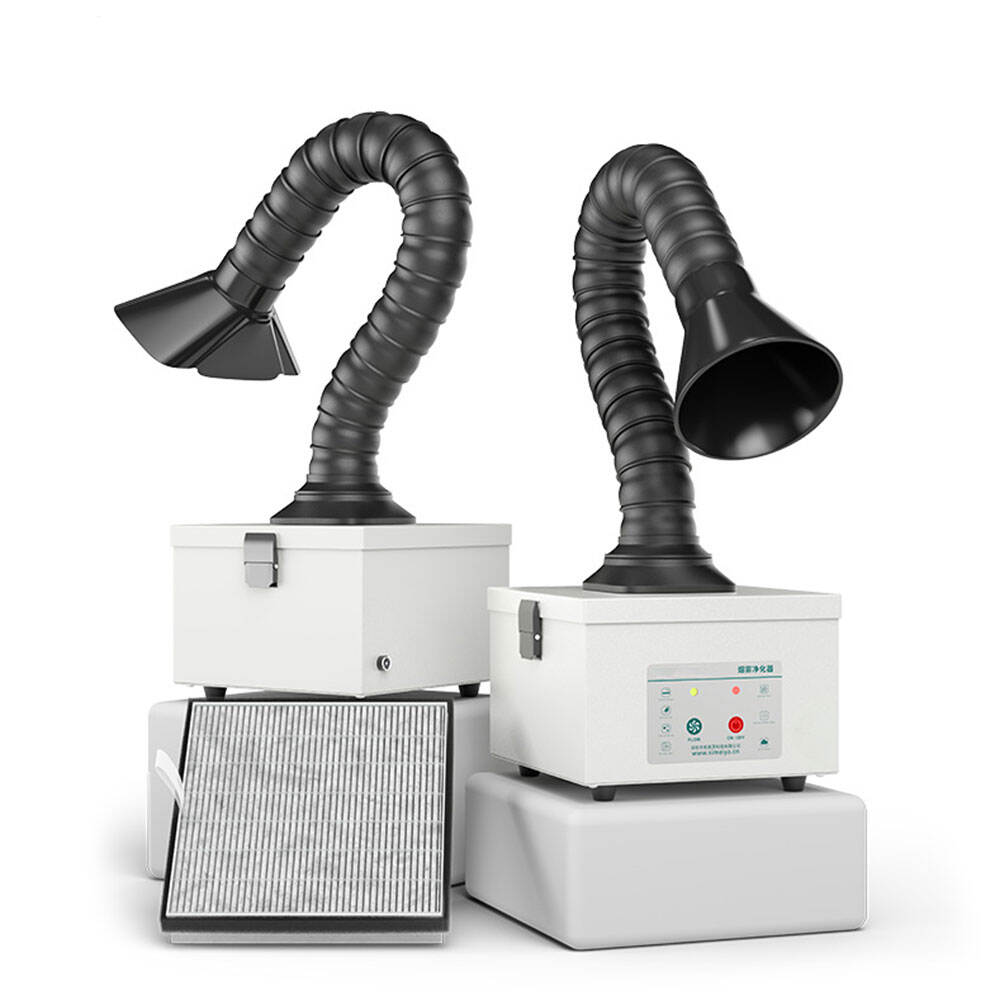
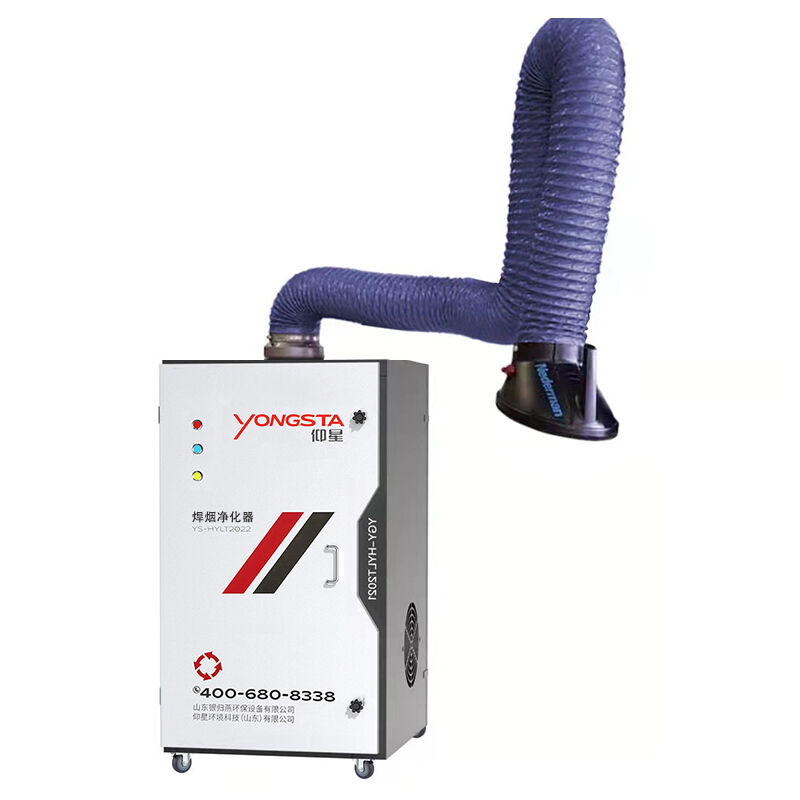
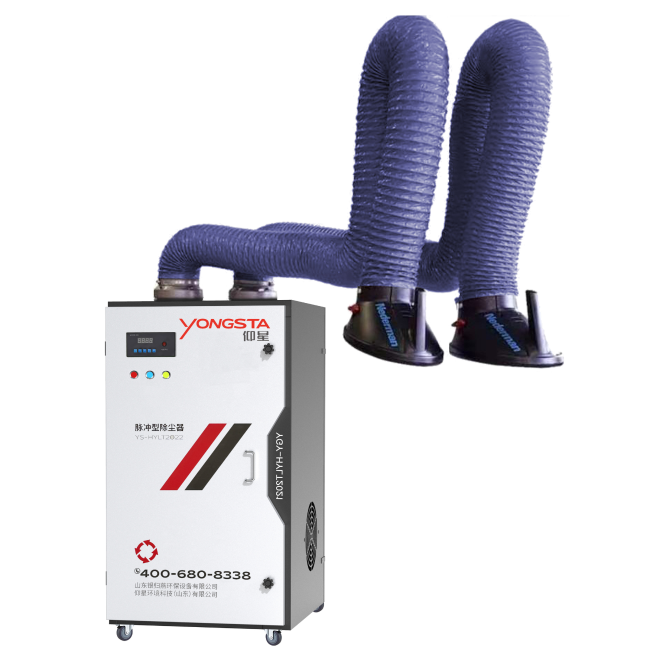
A dust collector for laser cutting machine represents an essential industrial filtration system designed to capture and remove hazardous particulates, fumes, and smoke generated during laser cutting operations. This specialized equipment protects both workers and machinery from the harmful byproducts created when laser beams vaporize materials such as metals, plastics, wood, and composites. The primary function of a dust collector for laser cutting machine involves drawing contaminated air away from the cutting zone through powerful suction, filtering out dangerous particles, and returning clean air to the workspace or exhausting it safely outdoors. Modern dust collector for laser cutting machine systems incorporate advanced filtration technologies including pre-filters, HEPA filters, and activated carbon filters that work in tandem to capture particles as small as 0.3 microns while neutralizing toxic gases and odors. These systems typically feature adjustable airflow controls that allow operators to match suction power to specific cutting applications and material types. The technological architecture of a dust collector for laser cutting machine includes a robust fan or blower unit that generates negative pressure, a series of filter chambers that trap contaminants at different stages, and a collection bin or disposal system for accumulated waste. Many contemporary models integrate smart monitoring systems that track filter saturation levels, airflow rates, and system performance metrics in real-time. The applications of dust collector for laser cutting machine span numerous industries including automotive manufacturing, aerospace component production, metal fabrication shops, signage creation, electronics manufacturing, and custom prototyping facilities. These systems prove particularly valuable in environments where precision cutting of materials like stainless steel, aluminum, acrylic, leather, and engineered woods occurs regularly. By maintaining clean air quality and preventing particle accumulation on sensitive laser optics, a dust collector for laser cutting machine extends equipment lifespan while ensuring consistent cutting quality and workplace safety compliance with occupational health regulations.

New Product Recommendations

Investing in a dust collector for laser cutting machine delivers immediate and long-term benefits that directly impact your bottom line and operational efficiency. First and foremost, these systems dramatically improve workplace air quality by removing up to 99.97 percent of airborne contaminants that would otherwise circulate throughout your facility. Workers breathe cleaner air, which reduces respiratory complaints, sick days, and potential long-term health issues associated with prolonged exposure to metal fumes and particulate matter. This protection translates into a healthier, more productive workforce and helps you avoid costly workers' compensation claims and regulatory fines. A dust collector for laser cutting machine also protects your expensive laser cutting equipment from premature wear and damage. Without proper filtration, fine particles settle on precision optics, mirrors, and lenses, degrading beam quality and requiring frequent cleaning or replacement of these costly components. The system pays for itself by extending the service life of your laser cutter and reducing maintenance expenses. Your cutting quality improves noticeably as well, since a dust collector for laser cutting machine prevents smoke and debris from interfering with the laser beam path, resulting in cleaner edges, more precise cuts, and fewer rejected parts. This consistency means less material waste and higher customer satisfaction. The environmental benefits cannot be overlooked either, as a dust collector for laser cutting machine allows you to operate responsibly by preventing pollutants from escaping into the atmosphere. Many regions now mandate proper filtration for industrial cutting operations, and having a compliant system installed keeps you ahead of regulatory requirements and avoids potential shutdowns or penalties. Energy efficiency represents another practical advantage, as modern dust collector for laser cutting machine units consume less power than older models while delivering superior performance. Variable speed controls let you adjust suction power based on actual needs, preventing energy waste during lighter operations. The noise reduction provided by a dust collector for laser cutting machine creates a more comfortable work environment, as these systems muffle the harsh sounds generated during cutting processes. Installation proves straightforward in most facilities, with flexible ducting options that adapt to various floor plans and machine configurations. Maintenance requirements remain minimal, typically involving periodic filter changes and basic inspections that your existing staff can handle without specialized training. The return on investment becomes evident within months as you notice reduced equipment downtime, lower maintenance costs, improved product quality, and enhanced worker morale in a cleaner, safer environment.

Tips And Tricks

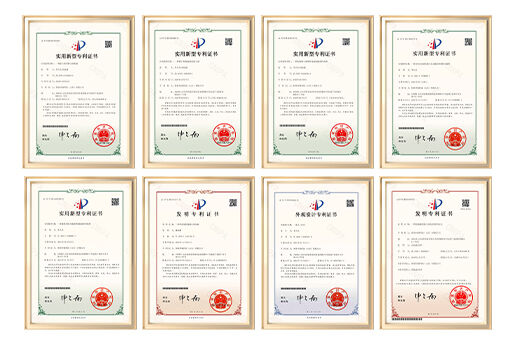
Yongsta R&D Team Wins 3 Dust Removal Technology Patents, Leading Industry Innovation

09

Apr

Yongsta R&D Team Wins 3 Dust Removal Technology Patents, Leading Industry Innovation

View More
Yongsta Cooperates with TUV for ATEX Explosion-Proof Certification, Explosion-Proof Dust Collector to Be Launched Soon

09

Apr

Yongsta Cooperates with TUV for ATEX Explosion-Proof Certification, Explosion-Proof Dust Collector to Be Launched Soon

View More
Empowering Benchmark Manufacturing! Yongsta Cartridge Dust Collector Aids Siemens Transformer China Factory's Dust Removal Renovation and Gains High Recognition

09

Apr

Empowering Benchmark Manufacturing! Yongsta Cartridge Dust Collector Aids Siemens Transformer China Factory's Dust Removal Renovation and Gains High Recognition

View More

Get a Free Quote

Our representative will contact you soon.
Email
Name
Company Name
Message
0/1000

dust collector for laser cutting machine

Advanced Multi-Stage Filtration Technology Ensures Maximum Contaminant Capture

Advanced Multi-Stage Filtration Technology Ensures Maximum Contaminant Capture

The cornerstone of any effective dust collector for laser cutting machine lies in its filtration system, and modern units employ sophisticated multi-stage filtration technology that captures contaminants with unprecedented efficiency. This layered approach begins with a pre-filter stage that removes larger particles and debris, preventing them from clogging the more delicate downstream filters. These pre-filters typically consist of washable or replaceable mesh screens that trap particles larger than 10 microns, including metal shavings, wood chips, and fabric fibers. By removing these larger contaminants first, the pre-filter extends the lifespan of the more expensive primary filters and maintains optimal airflow throughout the system. The second stage features high-efficiency particulate air filters, commonly known as HEPA filters, which represent the heart of the dust collector for laser cutting machine filtration process. These filters capture 99.97 percent of particles as small as 0.3 microns, including the ultra-fine particulates that pose the greatest health risks when inhaled. The HEPA filter media consists of randomly arranged fibers that create a complex maze through which contaminated air must pass, trapping particles through a combination of interception, impaction, and diffusion mechanisms. This stage proves particularly crucial when cutting materials that generate toxic fumes or carcinogenic particles, such as certain plastics, treated woods, or coated metals. The third filtration stage in a premium dust collector for laser cutting machine incorporates activated carbon filters that address gaseous contaminants and odors that particle filters cannot capture. When laser cutting vaporizes materials, it releases volatile organic compounds, chemical vapors, and noxious gases that create unpleasant odors and potential health hazards. The activated carbon contains millions of tiny pores that provide an enormous surface area for adsorbing these molecular contaminants through chemical bonding. This stage proves essential when cutting materials like acrylic, rubber, or any substance that produces strong odors during processing. The synergistic effect of these three filtration stages in a dust collector for laser cutting machine creates a comprehensive barrier against all forms of airborne contamination, ensuring that the air returned to your workspace or exhausted outdoors meets or exceeds environmental and occupational safety standards. The filter replacement indicators built into modern systems alert operators when filters approach saturation, preventing performance degradation and ensuring consistent protection.
Powerful Yet Energy-Efficient Airflow Systems Optimize Performance and Operating Costs

Powerful Yet Energy-Efficient Airflow Systems Optimize Performance and Operating Costs

The airflow generation system within a dust collector for laser cutting machine determines how effectively contaminants get captured at the source and transported through the filtration stages. Premium units feature high-performance centrifugal fans or regenerative blowers engineered specifically for industrial dust collection applications, delivering powerful suction that overcomes the resistance created by filters, ductwork, and distance from the cutting zone. These fans generate sufficient negative pressure to capture particles and fumes at their point of origin, before they can disperse into the surrounding workspace. The key to effective capture lies in maintaining adequate air velocity at the cutting head, typically requiring airflow rates between 400 and 1200 cubic feet per minute depending on the laser power, material type, and cutting speed. A properly sized dust collector for laser cutting machine creates a capture velocity that pulls contaminants directly into the collection hood or downdraft table without disrupting the laser cutting process itself. Variable frequency drives represent a game-changing feature in modern dust collector for laser cutting machine systems, allowing operators to adjust fan speed and airflow volume to match specific cutting requirements. When performing delicate cuts on thin materials, lower airflow prevents excessive suction that might warp or move the workpiece. Conversely, when cutting thick metals or materials that generate heavy smoke, operators can increase airflow to maximum capacity for aggressive capture. This adjustability not only optimizes performance but also reduces energy consumption significantly, as the system operates at lower speeds during less demanding applications rather than running at full power continuously. The energy savings accumulate substantially over time, with variable speed dust collector for laser cutting machine units consuming 30 to 50 percent less electricity compared to fixed-speed models. The fan housing and impeller design also contribute to efficiency, with aerodynamic profiles that minimize turbulence and maximize airflow per watt of power consumed. Noise reduction features including vibration dampening mounts, insulated housings, and acoustic baffles ensure that the dust collector for laser cutting machine operates quietly despite its powerful performance, creating a more pleasant work environment without the constant roar typical of older industrial ventilation equipment.
Intelligent Monitoring and Automated Maintenance Features Maximize Uptime and Reliability

Intelligent Monitoring and Automated Maintenance Features Maximize Uptime and Reliability

Modern dust collector for laser cutting machine systems incorporate sophisticated monitoring and control technologies that transform these units from passive filtration devices into intelligent systems that optimize their own performance and alert operators to maintenance needs before problems impact production. Digital pressure differential sensors continuously measure the pressure drop across each filter stage, providing real-time data on filter loading and system performance. As filters accumulate contaminants, airflow resistance increases and the pressure differential rises accordingly. The control system in an advanced dust collector for laser cutting machine tracks these measurements and displays filter saturation levels on an intuitive interface, allowing operators to schedule filter replacements during planned downtime rather than experiencing unexpected system failures during critical production runs. Some premium models feature automated filter cleaning systems that extend filter life and reduce maintenance frequency. Pulse-jet cleaning mechanisms deliver short bursts of compressed air in reverse direction through the filters, dislodging accumulated dust and dropping it into collection bins while the system continues operating. This automated cleaning in a dust collector for laser cutting machine can extend filter life by 300 to 500 percent compared to systems requiring manual filter replacement, dramatically reducing consumable costs and maintenance labor. Airflow monitoring provides another layer of intelligence, with sensors measuring actual cubic feet per minute at various points in the system. If airflow drops below optimal levels, the dust collector for laser cutting machine alerts operators to potential blockages, damaged ductwork, or fan problems before cutting quality suffers or contaminants escape into the workspace. Integration capabilities allow the dust collector for laser cutting machine to communicate with the laser cutter itself, automatically adjusting suction power based on cutting parameters, material type, and laser power settings. This coordination ensures optimal capture efficiency while preventing unnecessary energy consumption during idle periods or light-duty operations. Remote monitoring features enable facility managers to track dust collector for laser cutting machine performance across multiple units or locations through web-based dashboards, identifying trends, comparing efficiency between systems, and planning maintenance schedules based on actual usage data rather than arbitrary time intervals. Predictive maintenance algorithms analyze performance patterns and predict component failures before they occur, allowing proactive replacement of fans, motors, or other wear items during scheduled maintenance windows. The data logging capabilities of an intelligent dust collector for laser cutting machine create valuable records for regulatory compliance, documenting air quality maintenance and demonstrating due diligence in worker protection and environmental stewardship.

Get a Free Quote

Our representative will contact you soon.
Email
Name
Company Name
Message
0/1000
email goToTop