Workshop Downdraft Bench: Professional Air Quality Solutions for Industrial Workspaces

Get a Free Quote

Our representative will contact you soon.
Email
Name
Company Name
Message
0/1000

workshop downdraft bench

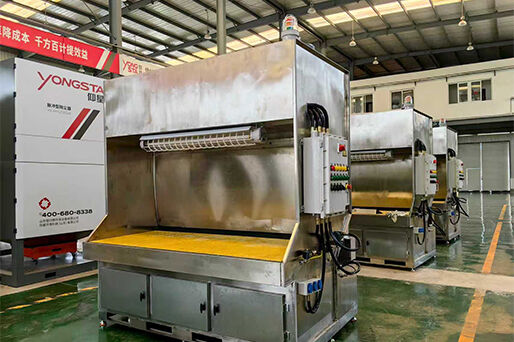
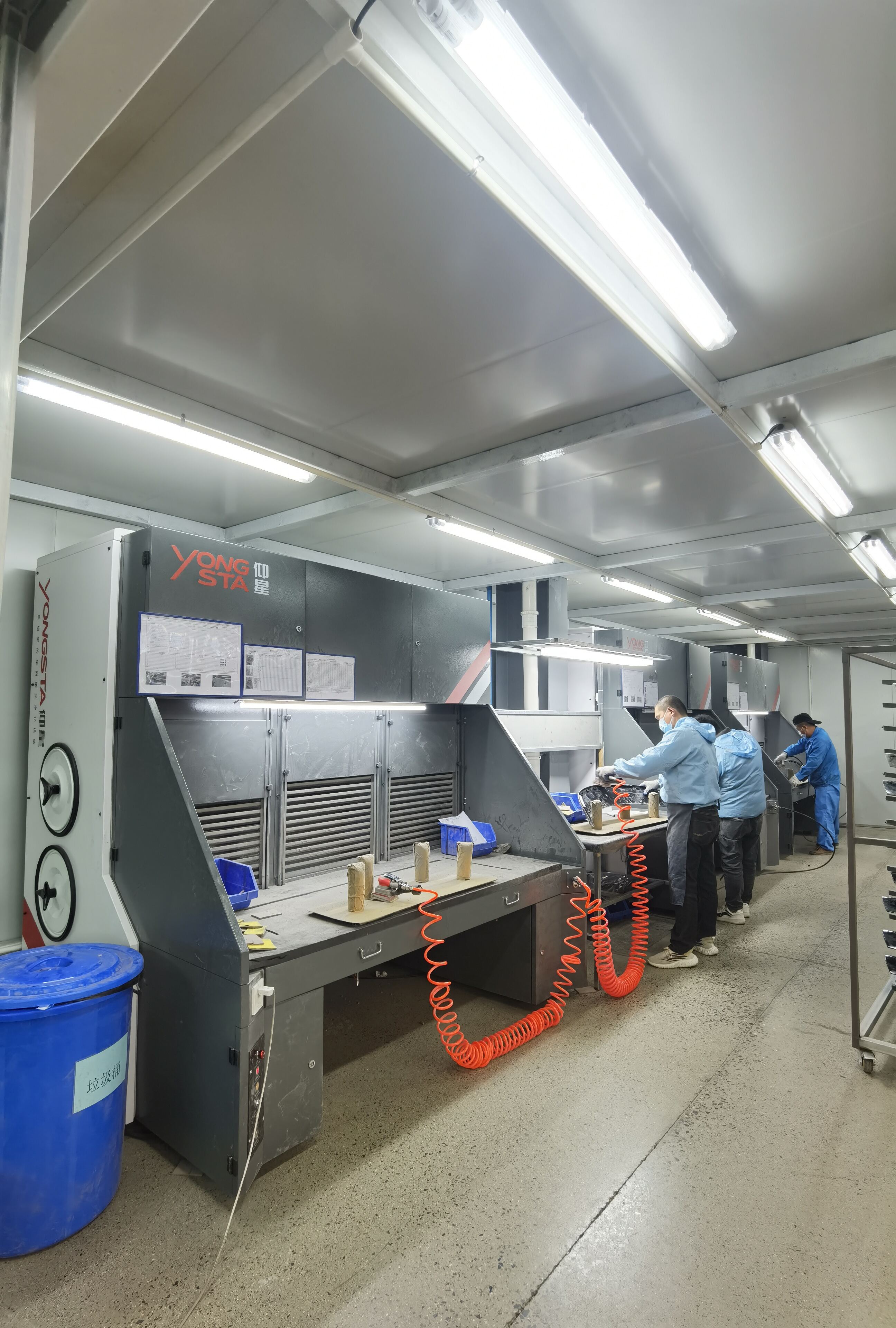
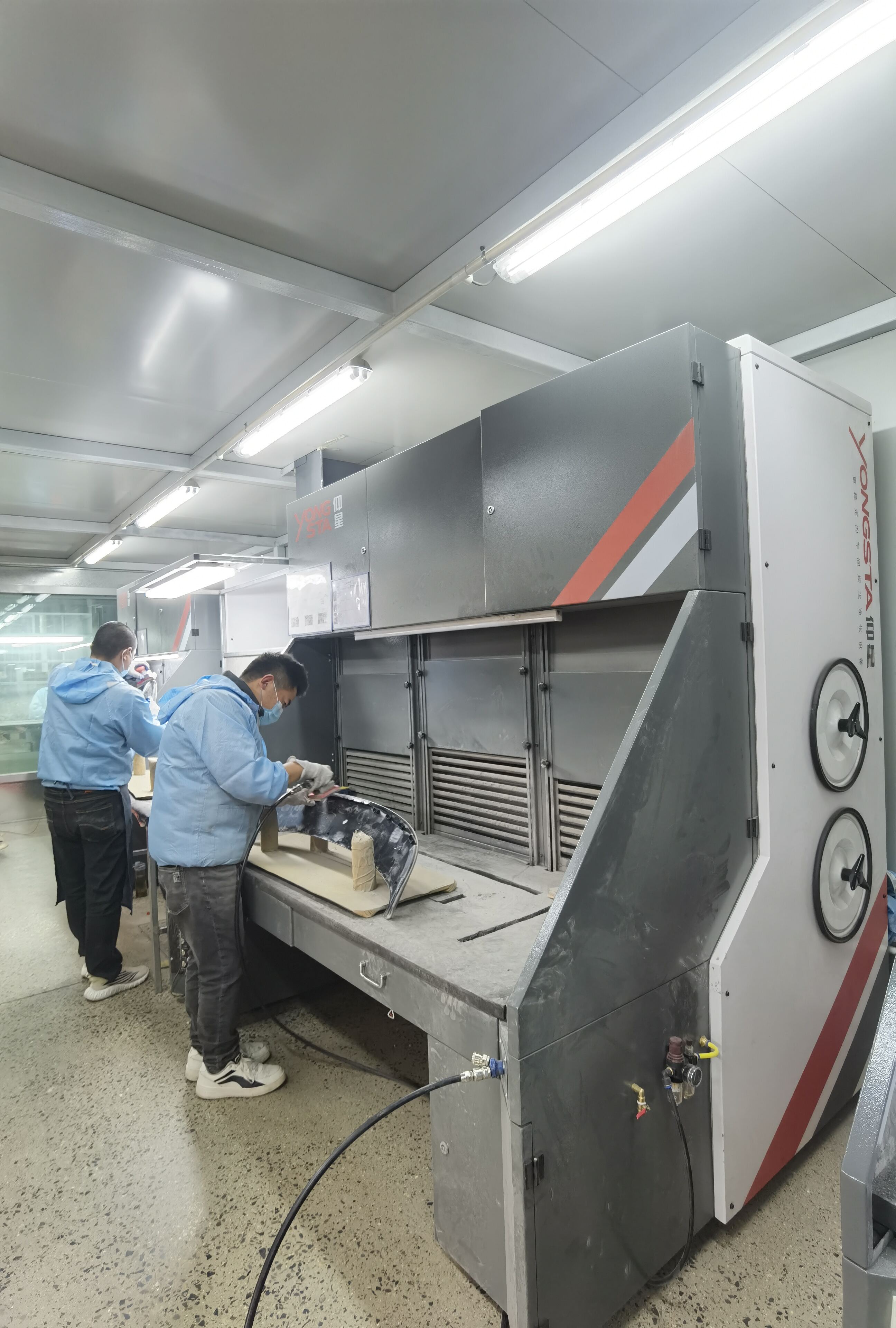
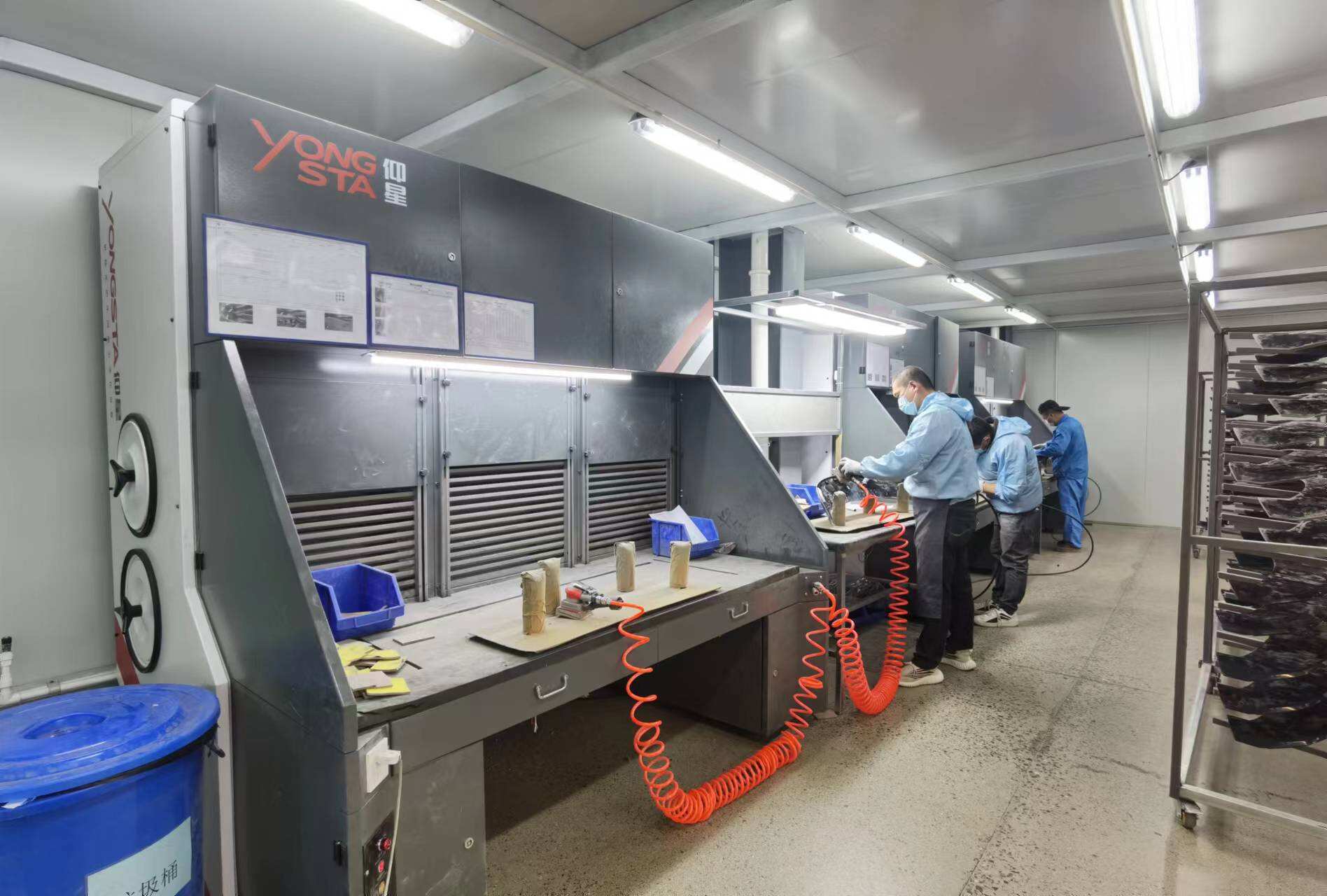
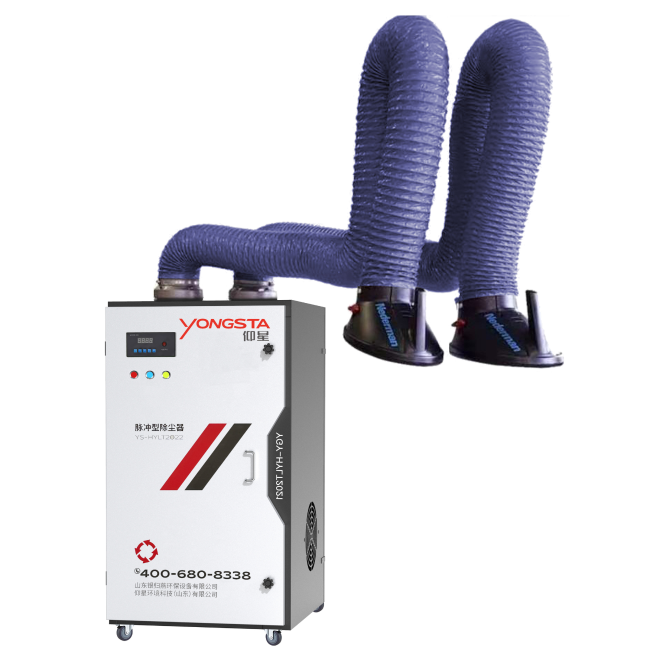
A workshop downdraft bench represents an essential piece of equipment designed to capture and filter airborne contaminants at their source during various industrial operations. This specialized workstation integrates a powerful ventilation system directly into the work surface, creating a controlled airflow that pulls dust, fumes, particles, and hazardous materials downward and away from the operator's breathing zone. The workshop downdraft bench operates on the principle of negative pressure, where strategically positioned fans draw contaminated air through a perforated or grated work surface, channeling it through a series of filtration stages before either recirculating clean air back into the workspace or exhausting it outside. These benches find widespread application across metalworking facilities, woodworking shops, automotive repair centers, pharmaceutical manufacturing plants, electronics assembly operations, and composite fabrication environments. The technological features of a workshop downdraft bench include variable speed controls that allow operators to adjust airflow rates based on the specific task requirements, multi-stage filtration systems incorporating pre-filters, HEPA filters, and activated carbon filters to address different contaminant types, and ergonomic design elements that promote comfortable working positions while maintaining optimal capture efficiency. Modern workshop downdraft bench units often incorporate digital monitoring systems that track filter saturation levels, airflow performance metrics, and maintenance schedules, ensuring consistent operation and regulatory compliance. The construction typically features heavy-duty steel frames with corrosion-resistant coatings, replaceable work surfaces suited to different applications, and modular designs that accommodate various workspace configurations. Safety interlocks prevent operation when access panels are removed, while integrated lighting systems illuminate the work area without creating shadows or glare. The workshop downdraft bench serves as a critical component in occupational health programs, helping facilities meet OSHA standards, EPA regulations, and industry-specific air quality requirements while protecting workers from respiratory hazards and maintaining clean production environments.

New Product Recommendations

Investing in a workshop downdraft bench delivers immediate and long-term benefits that directly impact your bottom line and workforce wellbeing. The primary advantage centers on worker health protection, as the system actively removes harmful particles before they reach breathing zones, reducing respiratory illness risks and associated healthcare costs while demonstrating your commitment to employee safety. This proactive approach to air quality management decreases absenteeism rates and improves overall productivity since workers perform better in clean environments free from irritating dust and fumes. The workshop downdraft bench eliminates the need for cumbersome personal protective equipment in many applications, allowing operators greater freedom of movement and comfort during extended work periods. Financial benefits extend beyond health considerations, as the contained capture system prevents contamination from spreading throughout your facility, reducing cleaning requirements and protecting sensitive equipment from particle damage. Product quality improves significantly when working on a workshop downdraft bench because airborne contaminants cannot settle on freshly painted surfaces, adhesive applications, or precision assemblies, decreasing rejection rates and rework expenses. The localized extraction approach proves more energy-efficient than whole-room ventilation systems, lowering utility costs while providing superior contaminant control exactly where needed. Regulatory compliance becomes straightforward with a properly maintained workshop downdraft bench, as the system helps you meet air quality standards without complex facility-wide modifications or expensive retrofits. Documentation features built into modern units simplify record-keeping for inspections and audits, providing verifiable proof of your environmental responsibility. The versatility of a workshop downdraft bench accommodates diverse operations within a single workstation, from grinding and sanding to spray finishing and solvent cleaning, maximizing your equipment investment across multiple processes. Space efficiency represents another practical advantage, as the compact footprint integrates ventilation directly into the work surface rather than requiring separate ductwork installations that consume valuable floor space. Noise reduction features in quality workshop downdraft bench designs create quieter working conditions compared to traditional exhaust systems, improving communication and reducing fatigue. The modular nature of these systems allows for future expansion or reconfiguration as your operational needs evolve, protecting your capital investment over time. Maintenance accessibility ensures minimal downtime, with tool-free filter changes and clearly marked service points that your team can manage without specialized technical support. The immediate visual feedback of a clean work surface and clear air confirms system effectiveness, building operator confidence and encouraging proper use. Environmental benefits extend beyond your facility walls, as efficient filtration reduces your operation's air pollution footprint and demonstrates corporate responsibility to customers and community stakeholders who increasingly value sustainable manufacturing practices.

Tips And Tricks

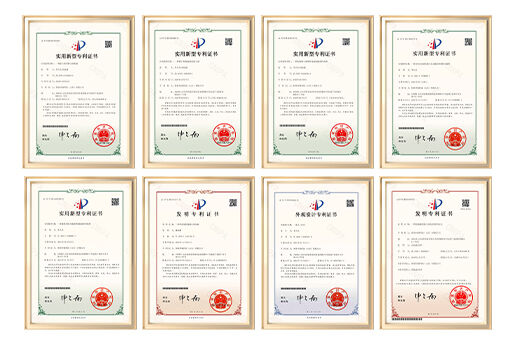
Yongsta R&D Team Wins 3 Dust Removal Technology Patents, Leading Industry Innovation

09

Apr

Yongsta R&D Team Wins 3 Dust Removal Technology Patents, Leading Industry Innovation

View More
Yongsta Cooperates with TUV for ATEX Explosion-Proof Certification, Explosion-Proof Dust Collector to Be Launched Soon

09

Apr

Yongsta Cooperates with TUV for ATEX Explosion-Proof Certification, Explosion-Proof Dust Collector to Be Launched Soon

View More
Empowering Benchmark Manufacturing! Yongsta Cartridge Dust Collector Aids Siemens Transformer China Factory's Dust Removal Renovation and Gains High Recognition

09

Apr

Empowering Benchmark Manufacturing! Yongsta Cartridge Dust Collector Aids Siemens Transformer China Factory's Dust Removal Renovation and Gains High Recognition

View More

Get a Free Quote

Our representative will contact you soon.
Email
Name
Company Name
Message
0/1000

workshop downdraft bench

Advanced Multi-Stage Filtration Technology Ensures Maximum Contaminant Capture

Advanced Multi-Stage Filtration Technology Ensures Maximum Contaminant Capture

The filtration system within a workshop downdraft bench represents the critical technology that transforms contaminated air into clean, breathable atmosphere. This sophisticated approach employs multiple filtration stages, each engineered to address specific particle sizes and contaminant types encountered in industrial operations. The first stage typically consists of a pre-filter or spark arrestor that captures larger particles, metal shavings, and wood chips while preventing hot sparks from reaching downstream filter media, thereby protecting the entire system from fire hazards. This initial barrier extends the life of more expensive secondary filters by handling the bulk of coarse material. The second stage incorporates high-efficiency particulate filters that trap fine dust particles down to submicron sizes, including the respirable fraction most dangerous to human health. These filters achieve capture efficiencies exceeding 99 percent for particles in the critical size range that penetrate deep into lung tissue. For operations involving volatile organic compounds, solvents, or odorous materials, a workshop downdraft bench includes activated carbon filtration as a third stage, chemically adsorbing gaseous contaminants that mechanical filters cannot capture. The carbon media selection can be customized based on specific chemicals present in your processes, ensuring optimal removal efficiency. Modern workshop downdraft bench designs incorporate filter monitoring technology that measures pressure differential across each stage, alerting operators when saturation levels require filter replacement. This intelligent monitoring prevents the common problem of operating with clogged filters that reduce capture efficiency and increase energy consumption. The filter housing design facilitates quick changeouts without tools, minimizing maintenance downtime and encouraging timely replacement rather than extended operation with compromised filters. Sealed filter compartments prevent bypass airflow that would allow unfiltered contaminants to escape, ensuring all captured material passes through the complete filtration train. The workshop downdraft bench filtration system can be configured for either recirculation or exhaust operation depending on contaminant types and facility requirements, providing flexibility for different regulatory environments. Recirculation models return filtered air to the workspace, reducing heating and cooling costs by retaining conditioned air, while exhaust configurations vent outside when dealing with contaminants unsuitable for recirculation. The substantial filter surface area incorporated into quality workshop downdraft bench units ensures extended service intervals and consistent airflow performance throughout the filter life cycle, reducing operational costs and maintenance burden.
Ergonomic Design Optimizes Operator Comfort and Capture Efficiency Simultaneously

Ergonomic Design Optimizes Operator Comfort and Capture Efficiency Simultaneously

The physical design of a workshop downdraft bench balances two critical objectives: creating comfortable working conditions for operators while maximizing the system's ability to capture contaminants at their source. The work surface height follows ergonomic principles that reduce strain during extended operations, positioning materials at optimal levels that minimize awkward postures and repetitive stress injuries. This attention to human factors directly translates to improved productivity and reduced workers' compensation claims. The perforated or grated work surface of a workshop downdraft bench provides stable support for workpieces while allowing unobstructed airflow to pull contaminants downward, with perforation patterns engineered to prevent small parts from falling through while maintaining maximum open area for air movement. The work surface materials resist damage from tools, chemicals, and heat, ensuring long service life even in demanding applications. Adjustable work surface options accommodate operators of different heights and various task requirements, with some workshop downdraft bench models offering powered height adjustment for seamless transitions between sitting and standing work positions. The capture zone design considers the natural movement patterns of different operations, positioning the highest velocity airflow in areas where contaminant generation concentrates. For grinding operations, this means stronger draw near the wheel contact point, while spray finishing applications benefit from uniform airflow across the entire surface. Side baffles and rear walls on a workshop downdraft bench contain the capture zone, preventing cross-drafts from disrupting the controlled airflow pattern and ensuring contaminants move toward the filtration system rather than escaping into the surrounding workspace. Integrated tool storage and accessory mounting points keep frequently used items within easy reach, reducing unnecessary movement and maintaining an organized work area. The lighting integration in a quality workshop downdraft bench eliminates shadows that obscure detail work, with LED fixtures positioned to provide even illumination without glare or heat buildup. The control interface placement allows operators to adjust airflow settings without interrupting their work rhythm, with intuitive controls that require minimal training. Noise dampening features in the cabinet construction and fan mounting reduce operational sound levels, creating a more pleasant work environment and facilitating communication between team members. The footprint optimization of a workshop downdraft bench maximizes usable work surface while minimizing floor space consumption, an important consideration in crowded facilities where every square foot carries value. Mobility options including locking casters enable repositioning for different projects or cleaning access, while maintaining stability during operation.
Versatile Application Range Delivers Value Across Multiple Industrial Processes

Versatile Application Range Delivers Value Across Multiple Industrial Processes

The adaptability of a workshop downdraft bench to handle diverse industrial processes represents a significant value proposition that justifies the investment across multiple operational scenarios. In metalworking environments, the workshop downdraft bench excels at capturing grinding dust, welding fumes, and metal particles generated during fabrication, finishing, and repair operations. The robust construction withstands the rigors of heavy industrial use, including occasional impacts from metal parts and exposure to cutting fluids. Woodworking applications benefit enormously from a workshop downdraft bench, as the system captures fine sawdust and sanding particles that pose both health hazards and fire risks, while the large work surface accommodates cabinet components, furniture parts, and decorative elements during finishing operations. The automotive sector utilizes workshop downdraft bench installations for paint preparation, body filler sanding, and parts cleaning, where the controlled environment prevents contamination of freshly prepared surfaces and protects technicians from hazardous material exposure. Electronics manufacturing and repair operations employ workshop downdraft bench systems to control solder fumes, flux vapors, and fine particulates that could damage sensitive components or create quality defects in precision assemblies. The pharmaceutical and laboratory sectors rely on workshop downdraft bench technology to contain powders, chemical vapors, and biological materials, with specialized filtration configurations meeting stringent regulatory requirements for these controlled environments. Composite fabrication processes involving fiberglass, carbon fiber, and resin systems generate particularly hazardous airborne materials that a workshop downdraft bench effectively captures, protecting workers from respiratory sensitization and long-term health effects. The jewelry and precious metals industry uses workshop downdraft bench installations to recover valuable dust and particles during grinding, polishing, and finishing operations, with collection systems that facilitate material recovery and recycling. Educational institutions incorporate workshop downdraft bench units in vocational training programs, teaching students proper safety practices while providing hands-on experience with professional-grade equipment they will encounter in their careers. The maintenance and repair sectors across various industries benefit from portable workshop downdraft bench configurations that bring contamination control to the work location rather than requiring parts transport to fixed ventilation stations. Aerospace applications demand the highest levels of cleanliness and worker protection, making the workshop downdraft bench an essential component in manufacturing and maintenance operations involving exotic materials and precision tolerances. The adaptability extends to seasonal or project-based work, where a workshop downdraft bench can be reconfigured or relocated to support changing operational requirements without permanent facility modifications.

Get a Free Quote

Our representative will contact you soon.
Email
Name
Company Name
Message
0/1000
email goToTop