Soluciones flexibles de extracción y captura
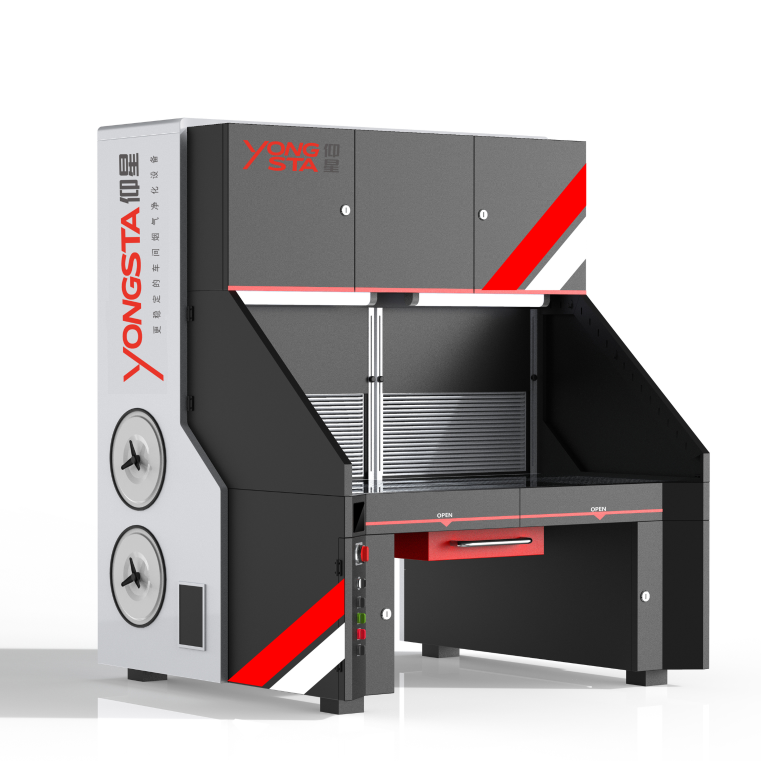
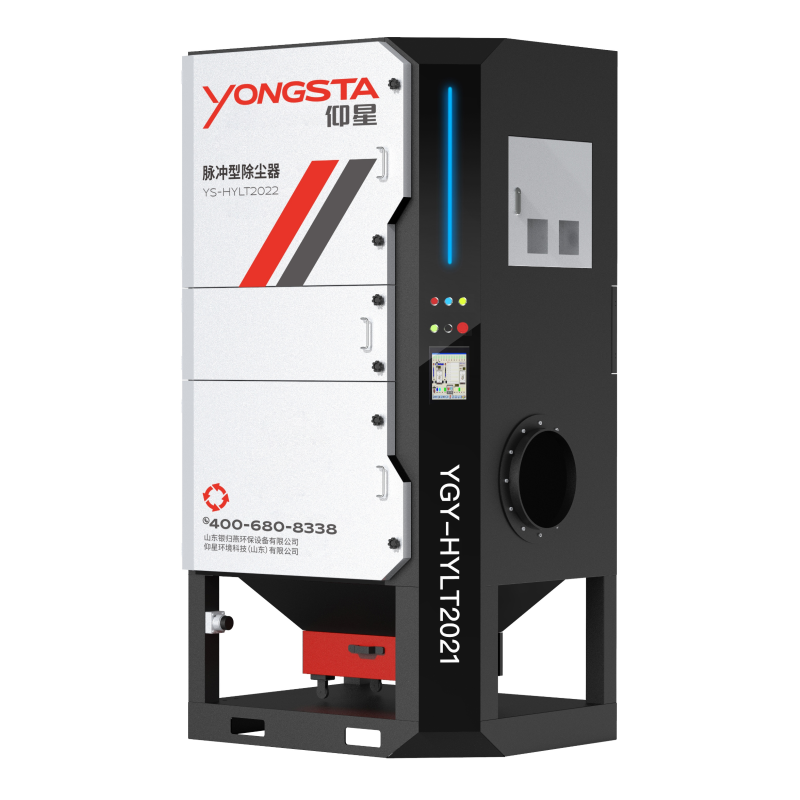
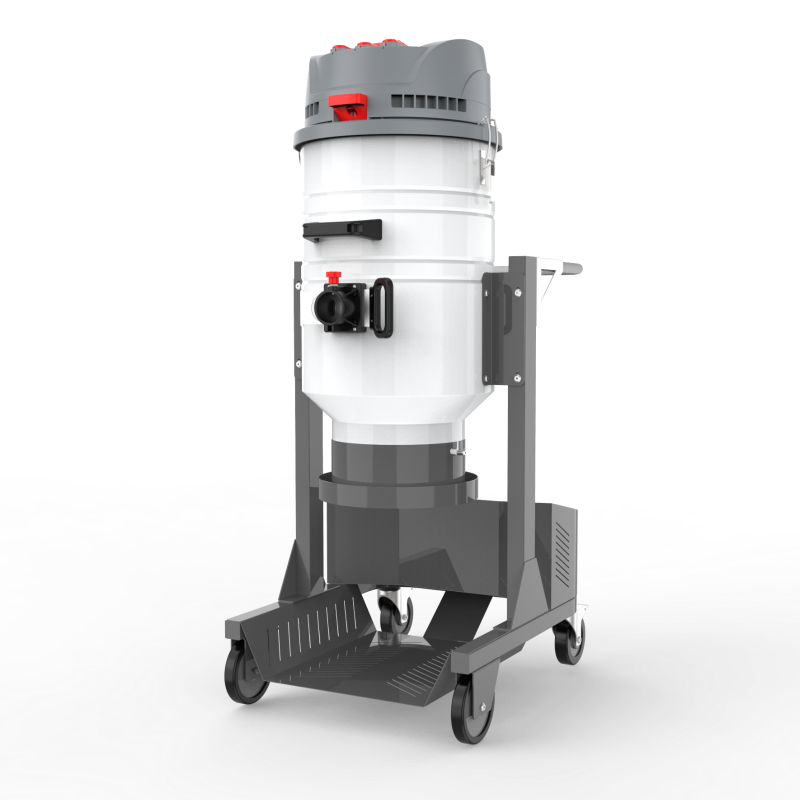
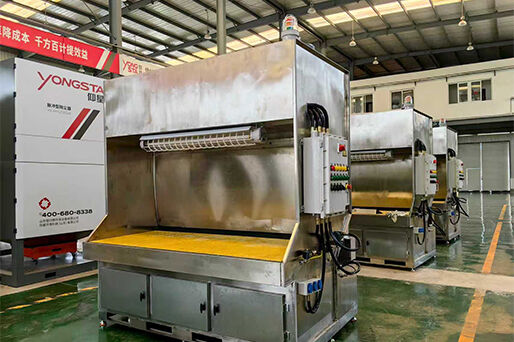
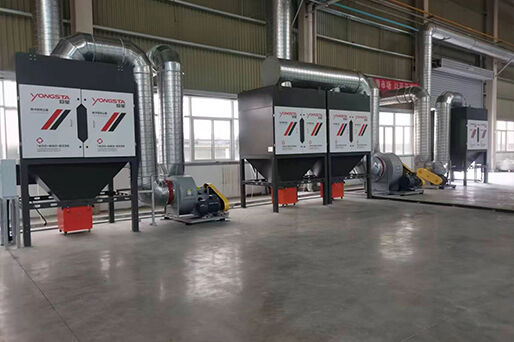
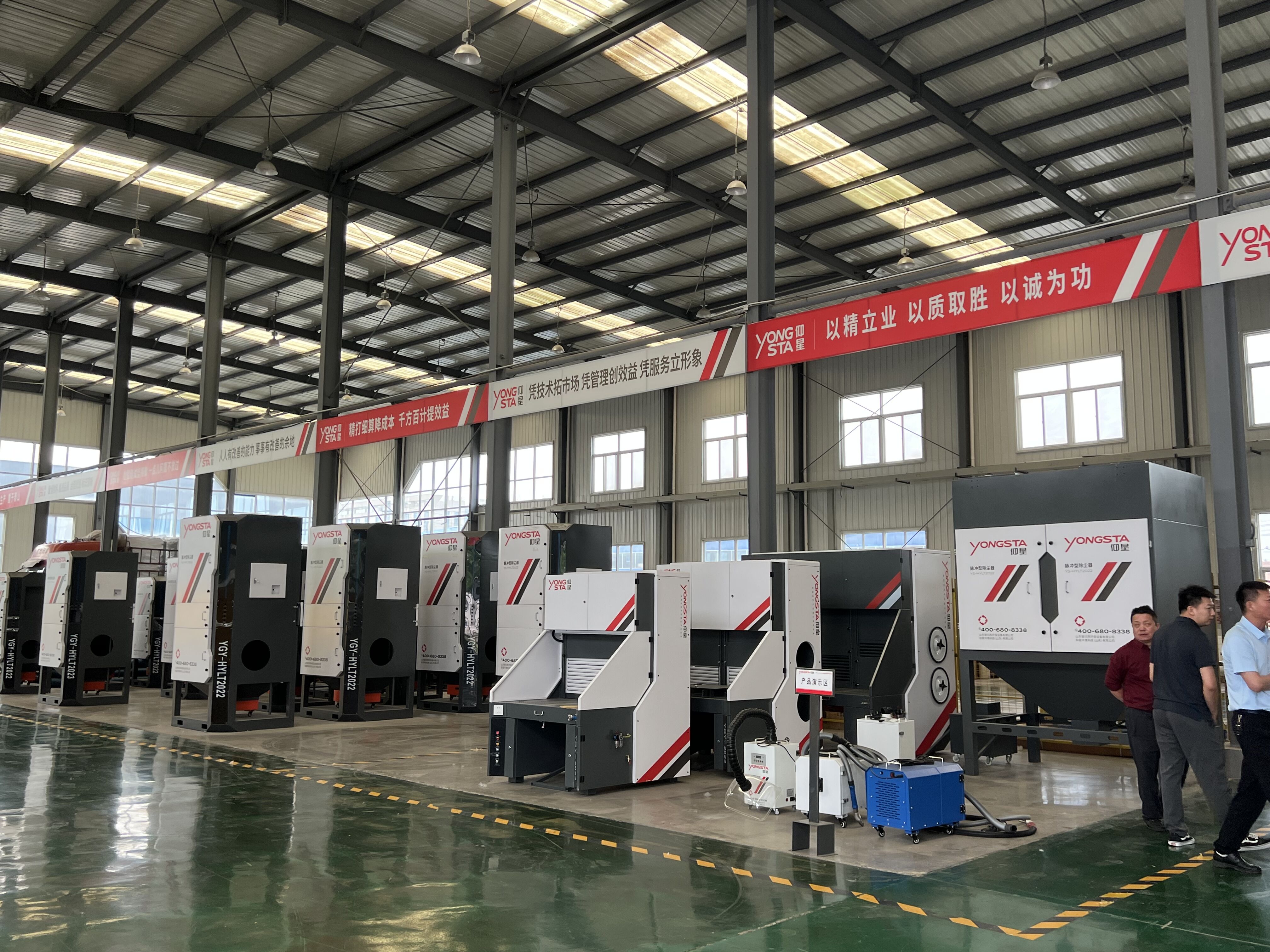
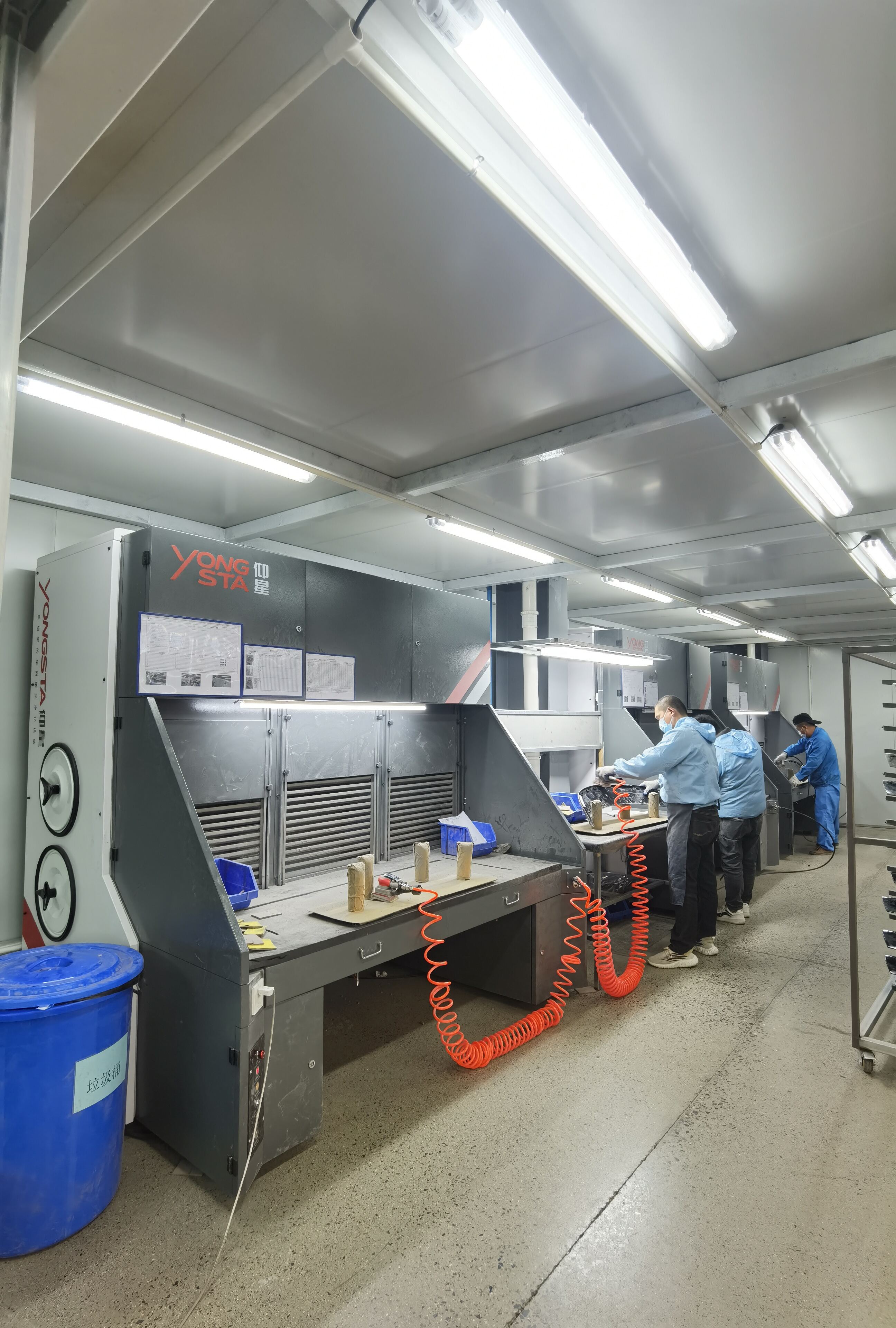
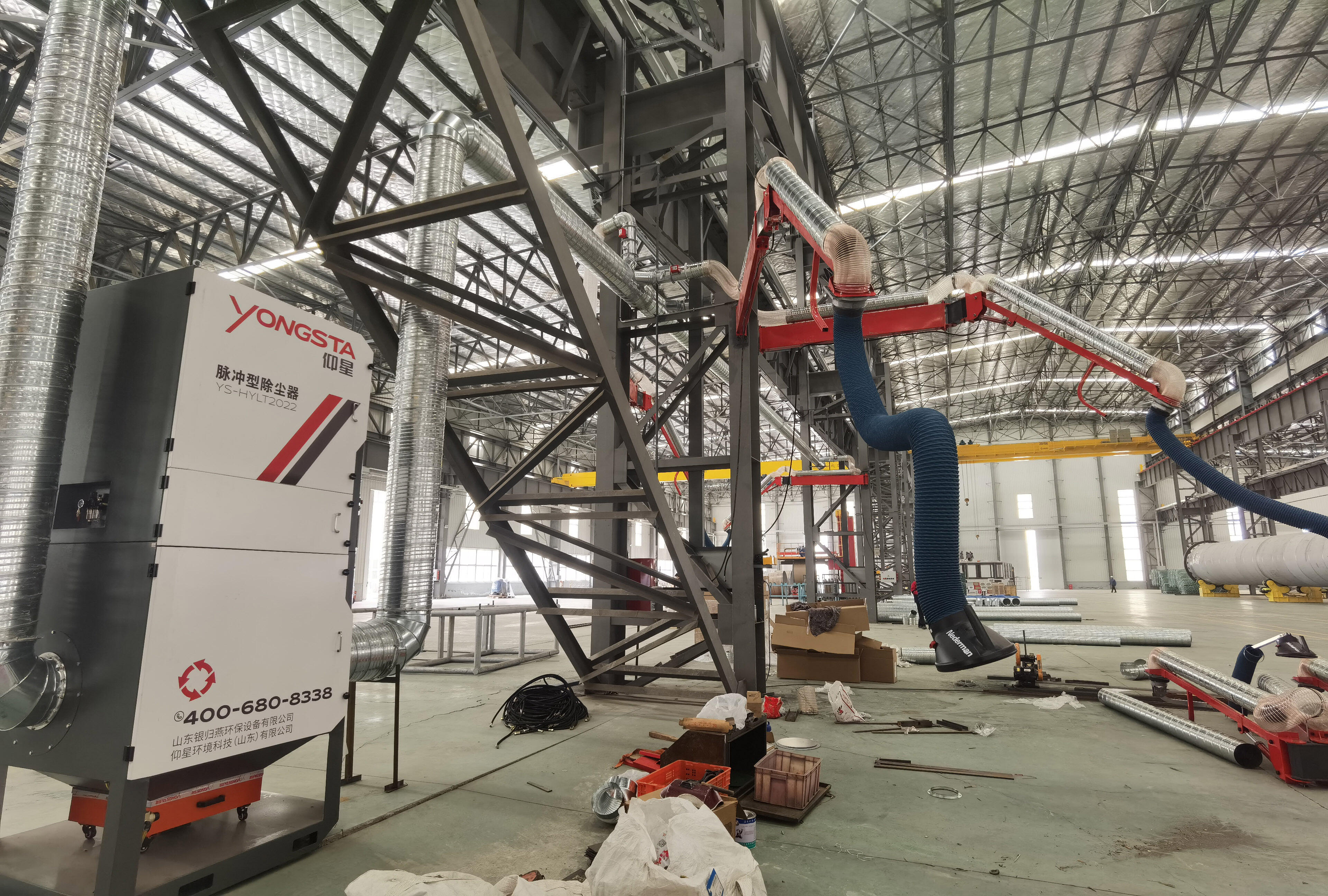
El sistema de captación de polvo de soldadura ofrece una flexibilidad notable en la forma en que capta los contaminantes, adaptándose a diversas configuraciones de espacio de trabajo y procesos de soldadura. Los brazos de extracción con articulaciones giratorias se posicionan con precisión en el punto de generación de humos, permitiendo a los soldadores ajustar las campanas de captación sin interrumpir su trabajo. Estos brazos incorporan compuertas internas que mantienen su posición una vez fijada, eliminando la frustración causada por equipos que se desplazan durante la operación. Las propias campanas están disponibles en diversos diseños optimizados para distintas aplicaciones, desde aberturas de boca ancha para fabricación general hasta ranuras estrechas para trabajos de precisión. Las bases magnéticas permiten reubicar rápidamente los puntos de extracción conforme avanza el trabajo por el taller, mientras que los sistemas de riel suspendido ofrecen cobertura en grandes áreas de trabajo sin ocupar espacio en el suelo. Para aplicaciones en las que los puntos fijos de extracción resultan poco prácticos, el sistema de captación de polvo de soldadura puede incorporar mesas de flujo descendente que extraen los humos hacia abajo a través de una superficie de trabajo perforada. Este enfoque funciona excepcionalmente bien en operaciones de esmerilado, corte y soldadura de componentes pequeños, creando una zona respiratoria limpia a la altura del operario. Dichas mesas cuentan con zonas de caudal de aire ajustables, lo que permite concentrar la succión donde sea necesario y reducir el consumo energético en áreas no utilizadas. Las unidades portátiles sobre ruedas llevan la capacidad de captación de polvo a ubicaciones remotas o sitios de obra temporales, con filtración autónoma que no requiere instalación de conductos. Estos sistemas móviles resultan invaluables para operaciones de mantenimiento, reparaciones en campo y instalaciones donde la soldadura se realiza en múltiples ubicaciones. El sistema de captación de polvo de soldadura también se adapta a celdas de soldadura robótica, integrando la extracción directamente en la secuencia de automatización. Sensores detectan el inicio de la soldadura y activan automáticamente la captación, garantizando una extracción constante sin intervención del operario. En instalaciones con múltiples puestos de soldadura, los sistemas centralizados distribuyen la succión mediante una red de conductos, controlando el caudal de aire hacia cada puesto individual mediante compuertas de descarga o compuertas automáticas. Este enfoque maximiza la eficiencia al compartir la capacidad del ventilador y del sistema de filtración en toda la instalación, al tiempo que permite la operación independiente de cada puesto. El diseño del sistema considera los requisitos de velocidad de captación para distintos procesos de soldadura, asegurando un caudal de aire adecuado para contener los humos generados en operaciones de alta temperatura, como la soldadura por arco con electrodo tubular, y evitando al mismo tiempo una succión excesiva que pudiera alterar el gas protector en procesos como la soldadura TIG. La flexibilidad de instalación abarca tanto opciones de montaje interior como exterior, con carcasas resistentes a la intemperie disponibles para colocación al aire libre, lo que libera valioso espacio interior.
 ×
×



 EN
EN