Downdraft Table Solutions: Industrial Air Quality and Workspace Efficiency

Get a Free Quote

Our representative will contact you soon.
Email
Name
Company Name
Message
0/1000

downdraft table

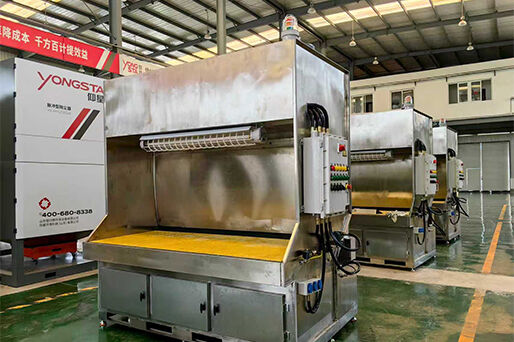
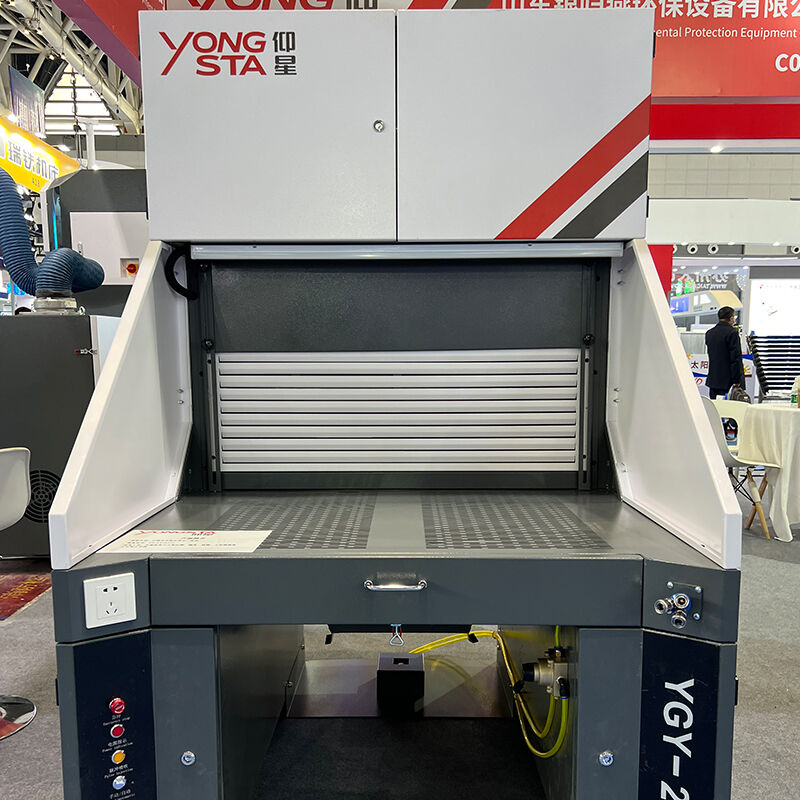
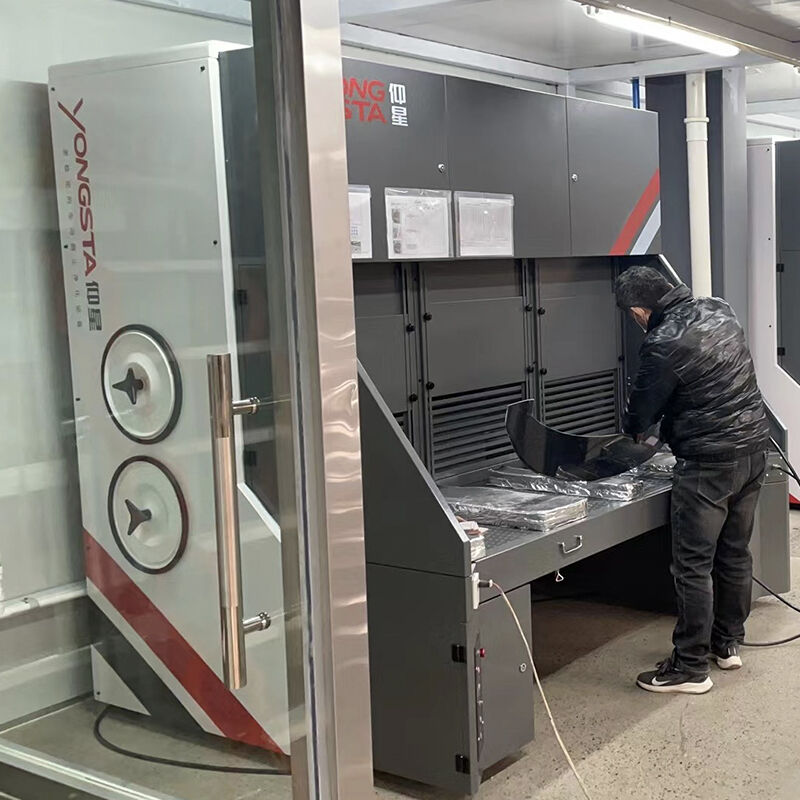
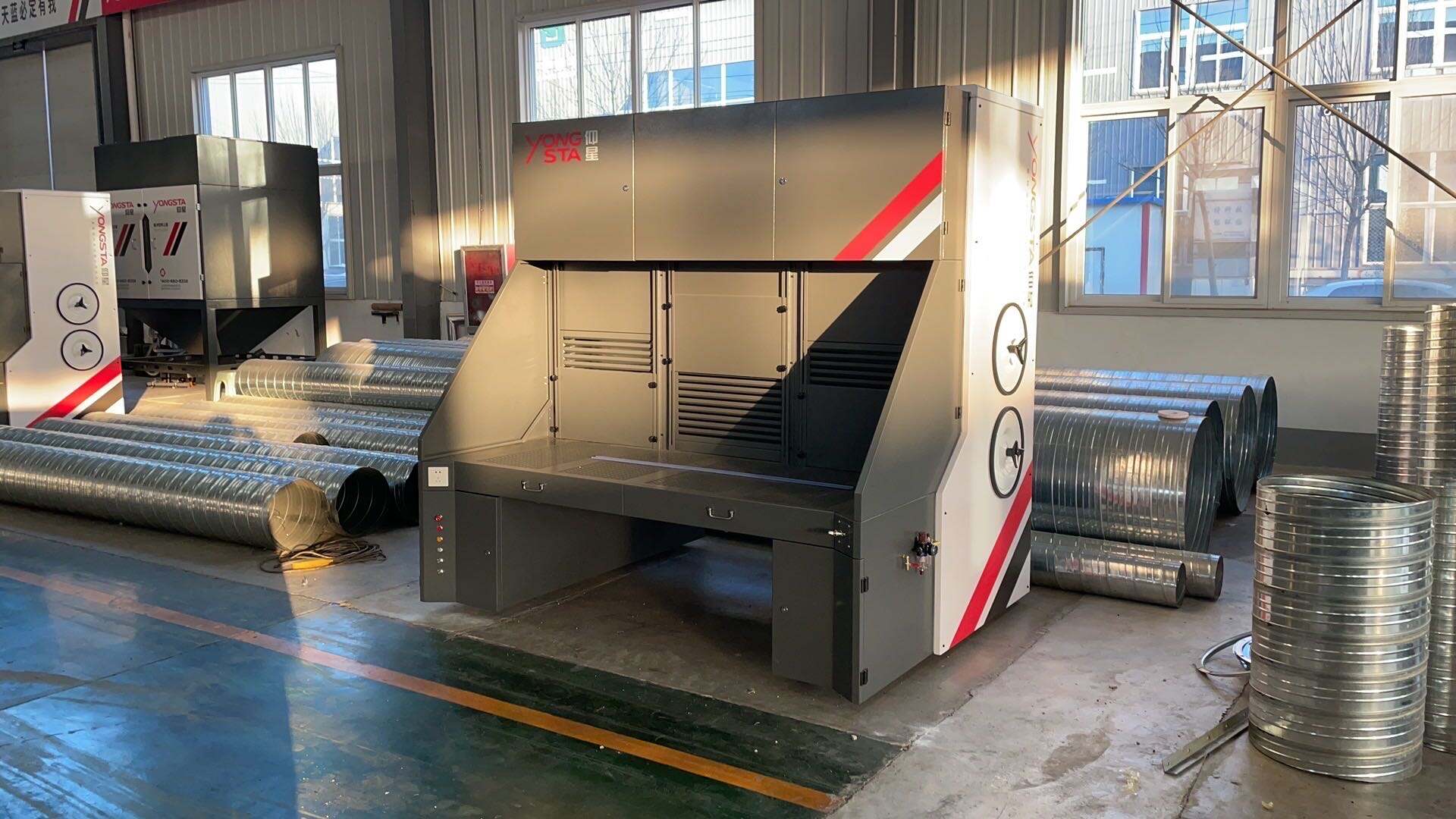
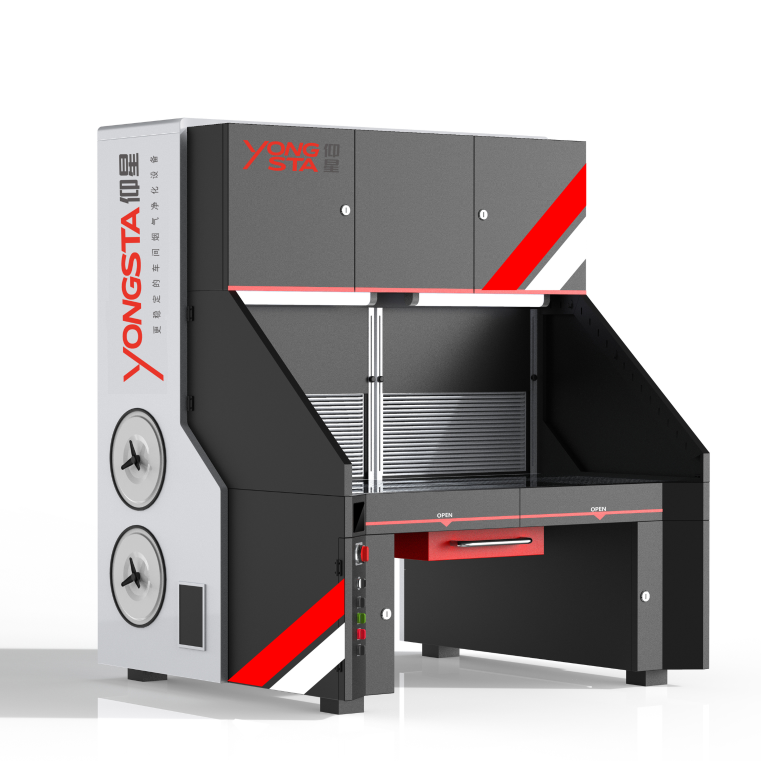
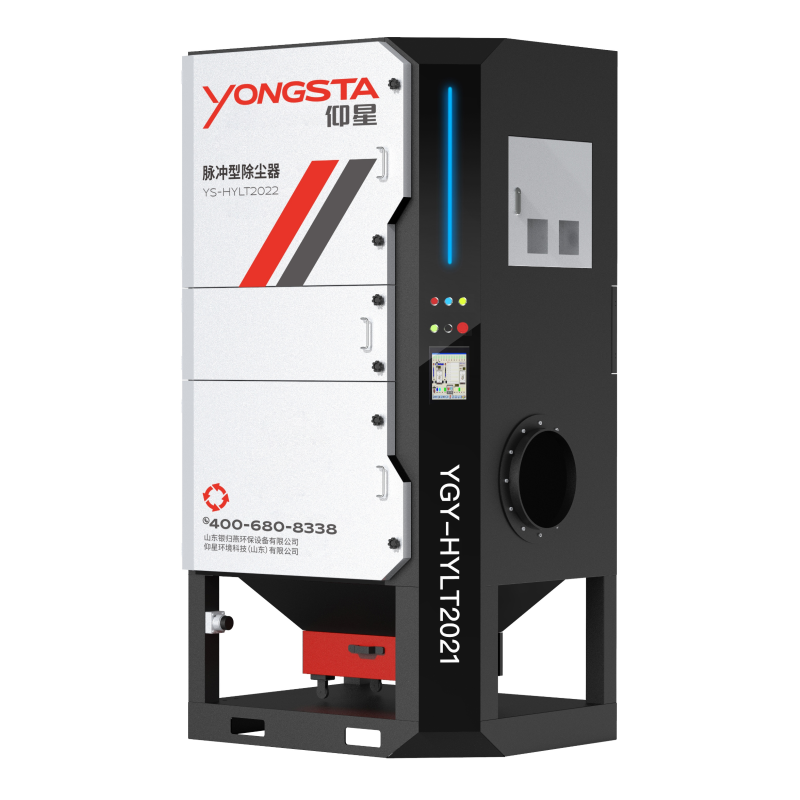
A downdraft table represents an essential piece of industrial equipment designed to capture and filter airborne contaminants at their source during various manufacturing and fabrication processes. This specialized workstation integrates a perforated work surface with a powerful ventilation system positioned beneath, creating a downward airflow that pulls dust, fumes, smoke, and particulate matter away from the operator's breathing zone. The downdraft table functions by drawing contaminated air through the work surface, passing it through a filtration system, and either recirculating cleaned air back into the workspace or exhausting it outside the facility. These tables find widespread application across metalworking shops, woodworking facilities, welding operations, grinding stations, and composite material fabrication environments. The technology behind a downdraft table combines principles of industrial ventilation with ergonomic workspace design, offering a comprehensive solution for maintaining air quality standards while supporting productive work. Modern downdraft table systems feature variable speed controls that allow operators to adjust suction power based on the specific task at hand, ensuring optimal capture efficiency without excessive energy consumption. The filtration components typically include pre-filters for larger particles and high-efficiency filters for fine dust and fumes, with some advanced models incorporating HEPA filtration or activated carbon stages for specialized applications. Installation flexibility makes the downdraft table suitable for both permanent workshop installations and mobile configurations that can be repositioned as production needs change. The work surface itself is engineered to withstand the rigors of industrial use, often constructed from heavy-gauge steel with replaceable grating sections that accommodate different workpiece sizes and shapes. Safety features integrated into downdraft table designs include filter monitoring systems that alert operators when maintenance is required, ensuring consistent performance and regulatory compliance throughout the equipment's operational life.

New Product Releases

Investing in a downdraft table delivers immediate improvements to workplace safety by removing harmful airborne particles before they can be inhaled by workers or settle on surrounding surfaces. This proactive approach to air quality management reduces the risk of respiratory issues, allergic reactions, and long-term health complications associated with prolonged exposure to industrial dust and fumes. The downdraft table creates a cleaner working environment that enhances visibility during precision tasks, allowing operators to maintain focus on quality without distraction from smoke or dust clouds obscuring their view. Productivity gains emerge naturally when workers operate in comfortable conditions with clean air, as they experience less fatigue and fewer interruptions for cleanup or ventilation adjustments. The contained capture zone of a downdraft table prevents contaminants from spreading throughout the facility, minimizing housekeeping requirements and reducing the frequency of deep cleaning operations across the entire workspace. Energy efficiency represents another significant advantage, as modern downdraft table systems consume less power than traditional overhead ventilation while delivering superior capture performance at the point of generation. The modular design of most downdraft table units simplifies maintenance procedures, with accessible filter compartments and straightforward replacement processes that minimize downtime and keep operational costs predictable. Compliance with occupational health and safety regulations becomes straightforward when using a downdraft table, as these systems are specifically engineered to meet or exceed air quality standards established by regulatory agencies. The versatility of a downdraft table accommodates multiple processes on a single platform, eliminating the need for separate ventilation solutions for different operations and maximizing the return on equipment investment. Noise reduction is an often-overlooked benefit, as the enclosed design of a downdraft table dampens operational sounds compared to open grinding or cutting processes, contributing to a more pleasant work environment. The professional appearance of a well-maintained downdraft table installation demonstrates a company's commitment to worker welfare and environmental responsibility, which can enhance reputation with clients, employees, and regulatory inspectors. Space optimization becomes possible with a downdraft table, as the integrated design combines work surface and ventilation in a compact footprint that leaves more floor area available for other equipment or workflow improvements. The immediate capture of contaminants at the source prevents material waste by keeping valuable dust and particles contained for potential recovery or proper disposal, rather than allowing them to scatter and become unrecoverable.

Practical Tips

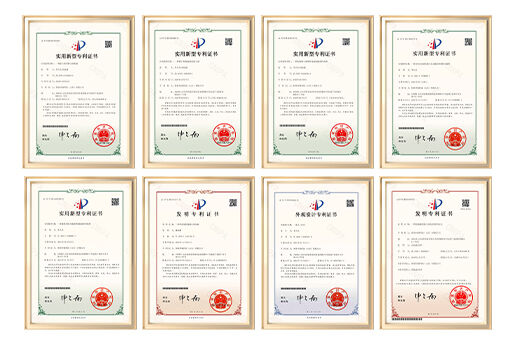
Yongsta R&D Team Wins 3 Dust Removal Technology Patents, Leading Industry Innovation

09

Apr

Yongsta R&D Team Wins 3 Dust Removal Technology Patents, Leading Industry Innovation

View More
Yongsta Cooperates with TUV for ATEX Explosion-Proof Certification, Explosion-Proof Dust Collector to Be Launched Soon

09

Apr

Yongsta Cooperates with TUV for ATEX Explosion-Proof Certification, Explosion-Proof Dust Collector to Be Launched Soon

View More
Empowering Benchmark Manufacturing! Yongsta Cartridge Dust Collector Aids Siemens Transformer China Factory's Dust Removal Renovation and Gains High Recognition

09

Apr

Empowering Benchmark Manufacturing! Yongsta Cartridge Dust Collector Aids Siemens Transformer China Factory's Dust Removal Renovation and Gains High Recognition

View More

Get a Free Quote

Our representative will contact you soon.
Email
Name
Company Name
Message
0/1000

downdraft table

Superior Contaminant Capture Technology

Superior Contaminant Capture Technology

The downdraft table employs advanced airflow engineering that fundamentally changes how industrial facilities manage airborne hazards during production operations. Unlike conventional overhead ventilation systems that attempt to capture contaminants after they have already dispersed into the workspace, a downdraft table intercepts particles at the exact moment of generation by creating a controlled downward air current directly at the work surface. This source capture methodology proves significantly more effective because it works with natural particle behavior rather than against it, as most grinding dust, welding fumes, and cutting debris initially travel downward or laterally before rising with ambient air currents. The perforated work surface of a downdraft table is strategically designed with specific hole patterns and sizing that optimize airflow distribution across the entire working area, ensuring consistent capture velocity regardless of where the operator positions their workpiece. This uniform performance eliminates dead zones where contaminants might escape, a common problem with poorly designed ventilation systems that create uneven air movement. The velocity profile beneath the work surface is carefully calibrated to generate sufficient capture force without creating turbulence that could actually disperse fine particles rather than collecting them. Advanced downdraft table models incorporate computational fluid dynamics in their design process, resulting in airflow patterns that maximize efficiency while minimizing energy consumption. The multi-stage filtration system integrated into a downdraft table provides comprehensive particle removal across a wide size range, from coarse grinding swarf measuring several millimeters down to submicron welding fumes that pose the greatest health risks. Pre-filtration stages extend the life of expensive final filters by removing bulk material before it can load primary filtration media, reducing operating costs and maintenance frequency. The sealed construction of a downdraft table plenum ensures that once captured, contaminants remain contained within the filtration system rather than leaking back into the workspace through gaps or poorly sealed access panels. Monitoring systems built into modern downdraft table designs provide real-time feedback on filter condition and system performance, alerting operators before capture efficiency degrades to unacceptable levels. This proactive maintenance approach prevents the gradual performance decline that often goes unnoticed with simpler ventilation equipment until air quality has already been compromised.
Ergonomic Workspace Integration

Ergonomic Workspace Integration

The downdraft table revolutionizes industrial workspace design by seamlessly combining essential ventilation functionality with an optimized work surface that supports efficient, comfortable operation throughout extended production shifts. Traditional approaches to industrial ventilation often treat air quality management as an afterthought, resulting in awkward hood placements, obstructed sight lines, and uncomfortable working positions that force operators to choose between proper ventilation and ergonomic positioning. A downdraft table eliminates these compromises by integrating the capture zone directly into the work surface itself, allowing operators to maintain natural, comfortable postures while benefiting from maximum contaminant removal. The open design above the work surface provides unrestricted access from all sides, accommodating various workpiece sizes and shapes without the spatial constraints imposed by enclosing hoods or overhead capture devices. This accessibility proves particularly valuable when handling large or awkwardly shaped components that require frequent repositioning during processing. The sturdy construction of a downdraft table work surface supports substantial workpiece weights while maintaining the structural integrity necessary for precision operations, with many models rated for loads exceeding several hundred pounds distributed across the grating. Height adjustability features available on premium downdraft table models allow customization to individual operator preferences or accommodation of different processes that benefit from specific working heights, enhancing comfort and reducing strain-related injuries. The work surface grating design considers not only airflow requirements but also practical concerns like tool stability, small part retention, and ease of cleaning, with removable sections that facilitate access to the plenum for maintenance without disrupting the entire work area. Integrated tool storage and accessory mounting options transform a downdraft table into a complete workstation rather than just a ventilation device, consolidating equipment and reducing the floor space required for a fully functional operation. Lighting integration capabilities allow positioning of task lighting that works in harmony with the downdraft table rather than creating shadows or glare, ensuring optimal visibility for detailed work. The mobility options available for certain downdraft table configurations enable repositioning to support changing production layouts or temporary project requirements, providing flexibility that fixed ventilation installations cannot match. Electrical integration features on advanced downdraft table models provide convenient power access for tools and equipment directly at the work surface, eliminating trip hazards from extension cords and streamlining the workspace.
Long-Term Cost Efficiency and Sustainability

Long-Term Cost Efficiency and Sustainability

Implementing a downdraft table delivers substantial financial benefits that extend far beyond the initial equipment investment, creating ongoing value through reduced operating expenses, improved productivity, and enhanced regulatory compliance. The energy efficiency of a downdraft table stems from its targeted capture approach, which requires significantly less airflow volume than general room ventilation or overhead hood systems to achieve equivalent or superior contaminant removal. This reduced airflow translates directly to lower fan power consumption, with many operations reporting energy savings of thirty to fifty percent compared to previous ventilation methods. The localized capture provided by a downdraft table also minimizes the impact on facility heating and cooling systems, as less conditioned air is exhausted from the building, reducing HVAC loads and associated energy costs throughout the year. Filter longevity in a properly designed downdraft table exceeds that of many alternative systems because the controlled airflow and effective pre-filtration stages prevent premature loading of expensive final filter elements. The modular filter design common to downdraft table systems allows staged replacement of filtration media based on actual condition rather than arbitrary schedules, optimizing filter utilization and minimizing waste. Maintenance simplicity reduces labor costs associated with filter changes and system servicing, as most downdraft table designs provide tool-free access to filter compartments and straightforward replacement procedures that can be completed by operators rather than requiring specialized technicians. The durability of industrial-grade downdraft table construction ensures decades of reliable service with minimal component replacement, protecting the initial investment and avoiding the recurring costs of replacing cheaper, less robust alternatives. Regulatory compliance costs decrease when using a downdraft table, as the documented performance and built-in monitoring capabilities simplify the demonstration of air quality management to inspectors and auditors. The reduction in facility-wide contamination achieved by a downdraft table lowers cleaning and maintenance costs for surrounding equipment, lighting fixtures, and building surfaces that would otherwise accumulate dust and require frequent attention. Worker health improvements attributable to the cleaner environment created by a downdraft table reduce costs associated with sick leave, workers compensation claims, and health insurance premiums over time. The professional image projected by a well-maintained downdraft table installation can contribute to business development success by demonstrating operational excellence to potential clients during facility tours. Resale value retention makes a downdraft table a liquid asset that maintains worth if business needs change, unlike custom-fabricated ventilation solutions that have little value beyond their original installation.

Get a Free Quote

Our representative will contact you soon.
Email
Name
Company Name
Message
0/1000
email goToTop