
 EN
EN



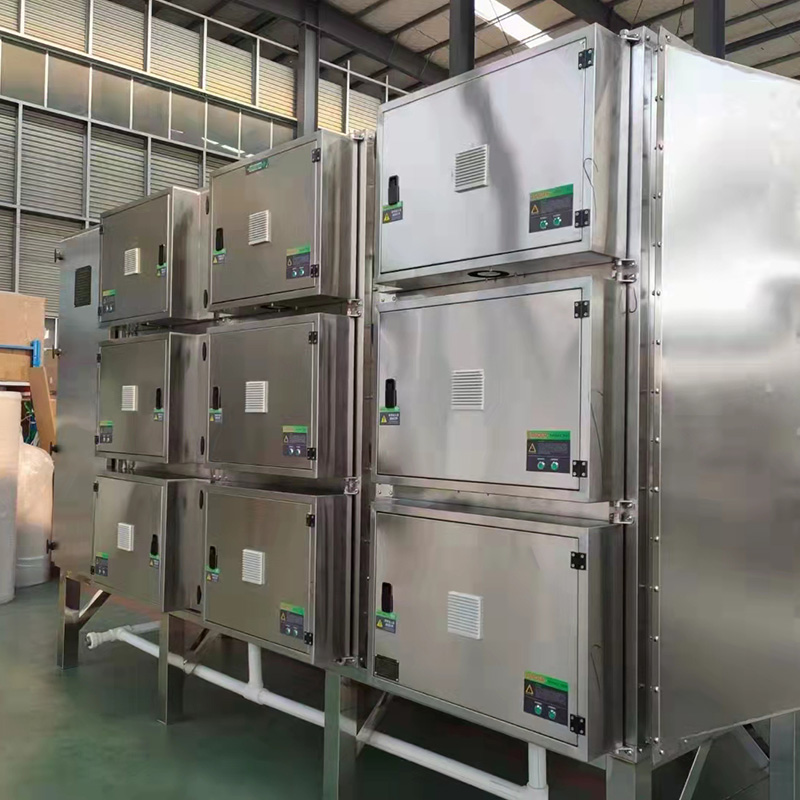
Choosing the right oil mist elimination system for your facility is a critical decision that directly impacts operational efficiency, equipment lifespan, and workplace safety. Industrial mechanical oil mist filters have emerged as a superior alternative to electrostatic precipitators (ESP) systems for many manufacturing environments, offering distinct advantages in performance, cost-effectiveness, and reliability. The industrial mechanical oil mist filter technology provides consistent, dependable air purification without the complications associated with ESP systems.
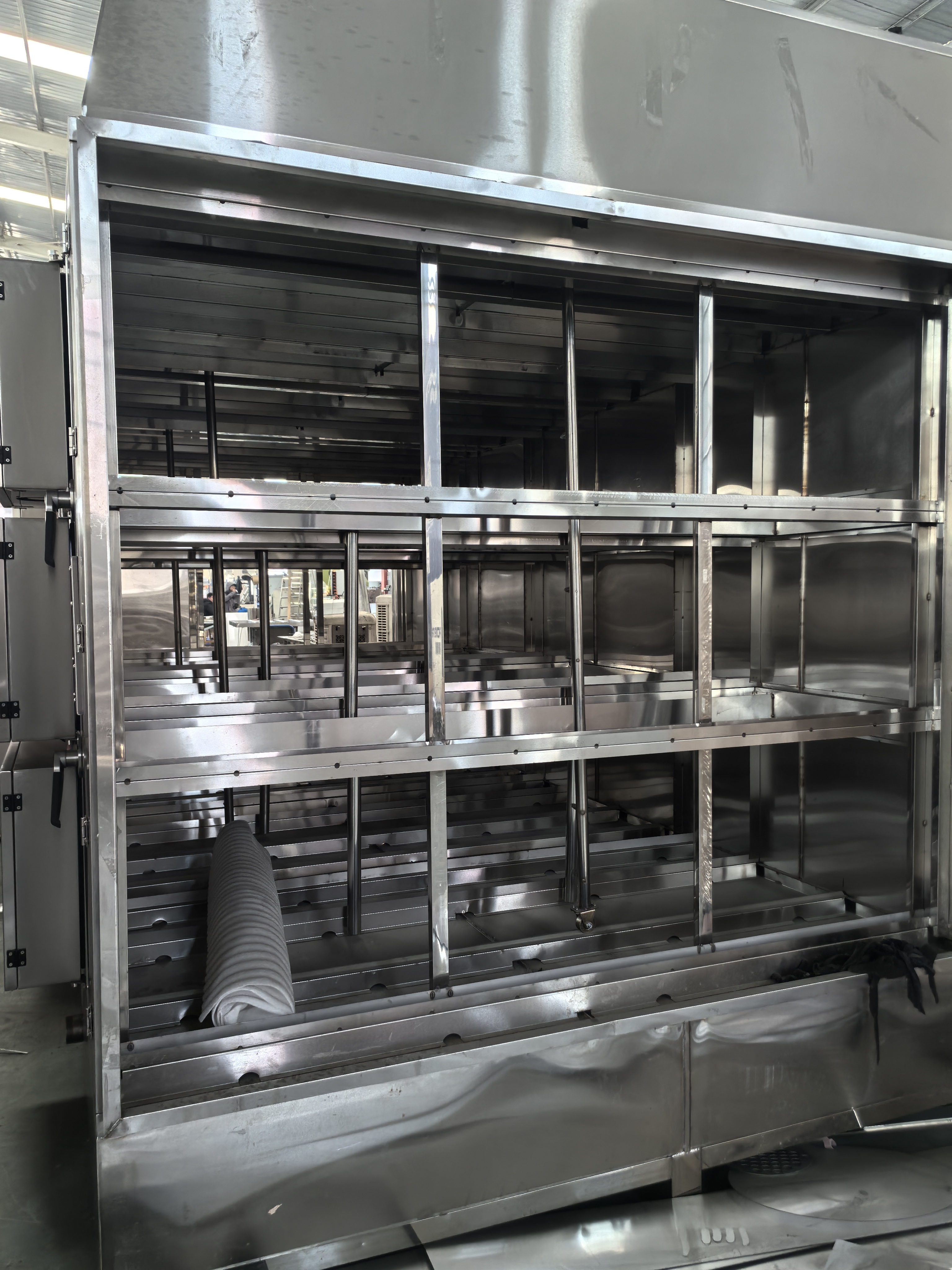
Understanding the fundamental differences between these two technologies is essential for making an informed investment. An industrial mechanical oil mist filter uses proven filtration media and physical separation mechanisms, whereas ESP systems rely on electrical charge and plate collection. For facilities processing machine tools, grinding equipment, or hydraulic systems, the industrial mechanical oil mist filter often delivers superior capture efficiency, lower operating costs, and minimal downtime compared to ESP alternatives.
How Industrial Mechanical Oil Mist Filters Outperform ESP Systems
Superior Capture Efficiency and Consistency
The industrial mechanical oil mist filter excels at capturing fine oil particles across a wide range of operating conditions. Unlike ESP systems that depend on consistent electrical potential and particle charging, an industrial mechanical oil mist filter maintains stable performance regardless of voltage fluctuations or humidity variations. The mechanical filtration design captures particles through direct contact and adhesion, ensuring that mist and aerosols never escape into the workshop air.
ESP systems frequently struggle with re-entrainment of collected particles, particularly when oil saturation increases on collection plates. In contrast, the industrial mechanical oil mist filter continuously absorbs and retains collected oils within the filter media structure, preventing secondary emissions and maintaining air quality throughout the shift. This fundamental mechanical advantage makes the industrial mechanical oil mist filter particularly valuable in high-volume machining environments.
Reduced Maintenance and Operational Complexity
Operating an industrial mechanical oil mist filter requires significantly fewer interventions than managing an ESP system. There are no high-voltage components to monitor, no electrode alignment to check, and no electrical safety protocols to enforce. The industrial mechanical oil mist filter relies on straightforward filter element replacement on a predictable schedule, typically every three to six months depending on airflow volume and mist density.
ESP systems demand regular electrode cleaning, power supply calibration, and troubleshooting of electrical faults that can halt production unexpectedly. When an industrial mechanical oil mist filter reaches its service interval, operators simply replace the cartridge and resume operations. This simplicity reduces training requirements, minimizes emergency maintenance calls, and eliminates the risk of electrical malfunctions interrupting your facility's workflow.
Cost Advantages of Mechanical Filtration Over Electrostatic Precipitation
Lower Capital and Installation Investment
The initial purchase price of an industrial mechanical oil mist filter is substantially lower than comparable ESP equipment, often by 30 to 50 percent. Installation is straightforward, requiring basic ductwork connection and electrical supply for the fan motor only. An industrial mechanical oil mist filter does not demand specialized electrical engineering, ionization chamber setup, or high-voltage certification, which reduces project complexity and speeds deployment into your facility.
ESP systems require expert installation, high-voltage electrical work, grounding verification, and often building modifications to accommodate the electrostatic chamber. The industrial mechanical oil mist filter's plug-and-play design means faster time to full air purification capability and lower total project cost, making budget-conscious operations strongly prefer mechanical filtration solutions.
Dramatic Savings in Operating and Consumable Costs
Running an industrial mechanical oil mist filter costs significantly less than operating an ESP system over a five-year period. Filter replacement cartridges for the industrial mechanical oil mist filter are affordable and widely available, typically costing between $150 and $400 per replacement depending on media type and airflow rating. Maintenance labor is minimal since changing an industrial mechanical oil mist filter element requires only basic training and takes less than 30 minutes.
ESP systems demand costly electrode cleaning services, periodic power supply inspection by certified technicians, and replacement of high-voltage components when they degrade. The industrial mechanical oil mist filter eliminates these recurring service charges entirely. Over a decade of operation, facilities report cumulative savings of $20,000 to $50,000 or more by choosing the industrial mechanical oil mist filter instead of ESP technology, representing a compelling financial argument for the mechanical approach.
Environmental and Workplace Safety Benefits of Mechanical Filtration
Compliance and Emissions Control
An industrial mechanical oil mist filter ensures continuous compliance with workplace air quality standards and environmental regulations. The captured oil is retained securely within the filter media, preventing fugitive emissions that can violate local air quality ordinances. ESP systems sometimes release re-entrained particles, creating emissions that exceed regulatory thresholds and exposing your facility to fines, remediation orders, or operational shutdowns.
The industrial mechanical oil mist filter technology provides documented, auditable performance that regulators and insurance companies recognize and accept. This certainty eliminates compliance uncertainty and protects your facility's operating license, reputation, and relationship with environmental authorities.
Worker Health and Production Environment Quality
Employees working in facilities with industrial mechanical oil mist filter systems experience cleaner air, reduced respiratory irritation, and lower exposure to airborne oils and metallic particulates. Oil mist inhalation causes chronic respiratory issues, skin irritation, and elevated absenteeism when left uncontrolled. The industrial mechanical oil mist filter removes these hazards completely, improving worker wellness and job satisfaction while reducing workers' compensation claims and healthcare costs.
Furthermore, an industrial mechanical oil mist filter enhances production quality by removing contaminants that otherwise settle on workpieces, tooling, and final products. ESP systems sometimes allow particles to escape and settle on expensive equipment or finished goods, creating quality rework, customer complaints, and production delays. The industrial mechanical oil mist filter provides the clean, contamination-free environment that precision manufacturers and high-value assembly operations demand.
FAQ
What is the typical lifespan of an industrial mechanical oil mist filter compared to an ESP system?
An industrial mechanical oil mist filter typically operates reliably for 5 to 10 years with routine cartridge replacement, while ESP systems require more frequent component replacement and eventually need rebuilding or replacement after 7 to 12 years. The industrial mechanical oil mist filter's simpler design means fewer failure modes and longer useful life per maintenance dollar spent.
Can an industrial mechanical oil mist filter handle high-volume oil mist in large manufacturing facilities?
Yes, an industrial mechanical oil mist filter scales effectively from small job shops to large facilities by using multiple units in parallel or selecting higher-capacity cartridge configurations. The industrial mechanical oil mist filter maintains consistent capture efficiency at all volume levels, making it suitable for high-production environments where reliability and uptime are non-negotiable.
How does disposal of collected oil differ between an industrial mechanical oil mist filter and an ESP system?
An industrial mechanical oil mist filter retains collected oil within replaceable cartridges, simplifying disposal as a single spent filter element rather than requiring periodic scraping of charged plates. The industrial mechanical oil mist filter approach reduces labor intensity, minimizes environmental spill risk, and often qualifies for more favorable recycling or waste handling rates compared to loose oil sludge from ESP systems.
Table of Contents
- How Industrial Mechanical Oil Mist Filters Outperform ESP Systems
- Cost Advantages of Mechanical Filtration Over Electrostatic Precipitation
- Environmental and Workplace Safety Benefits of Mechanical Filtration
-
FAQ
- What is the typical lifespan of an industrial mechanical oil mist filter compared to an ESP system?
- Can an industrial mechanical oil mist filter handle high-volume oil mist in large manufacturing facilities?
- How does disposal of collected oil differ between an industrial mechanical oil mist filter and an ESP system?

