
 EN



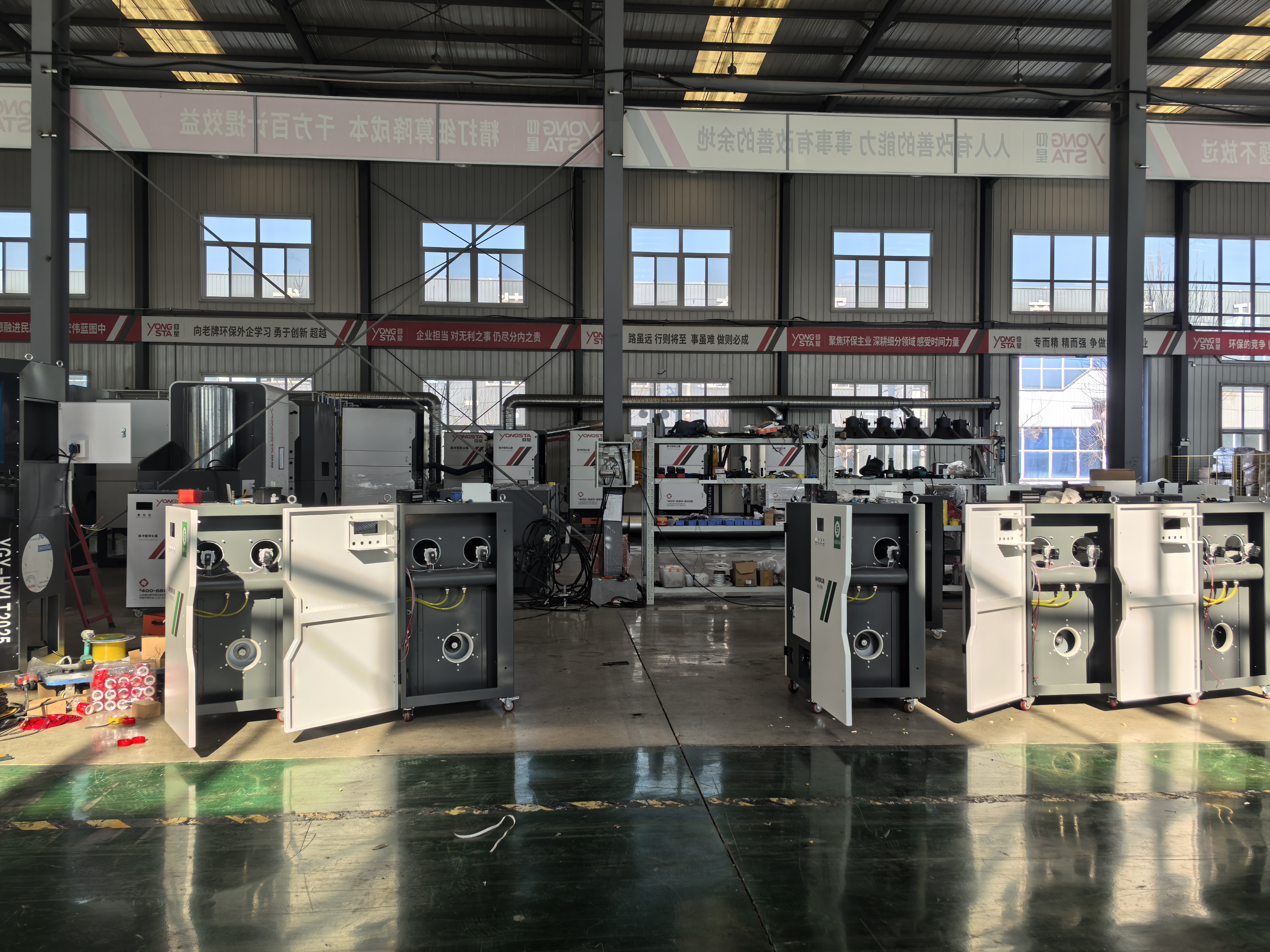
A filter bench stands as one of the most effective solutions for maintaining clean air and safe working conditions in industrial grinding operations. Whether you work in manufacturing, metal fabrication, or precision machining, integrating a filter bench into your workshop delivers immediate and long-term benefits that extend far beyond basic dust control. Understanding the advantages of a filter bench helps manufacturers, shop managers, and safety engineers make informed decisions about workplace equipment investments that truly impact operational efficiency and worker protection.
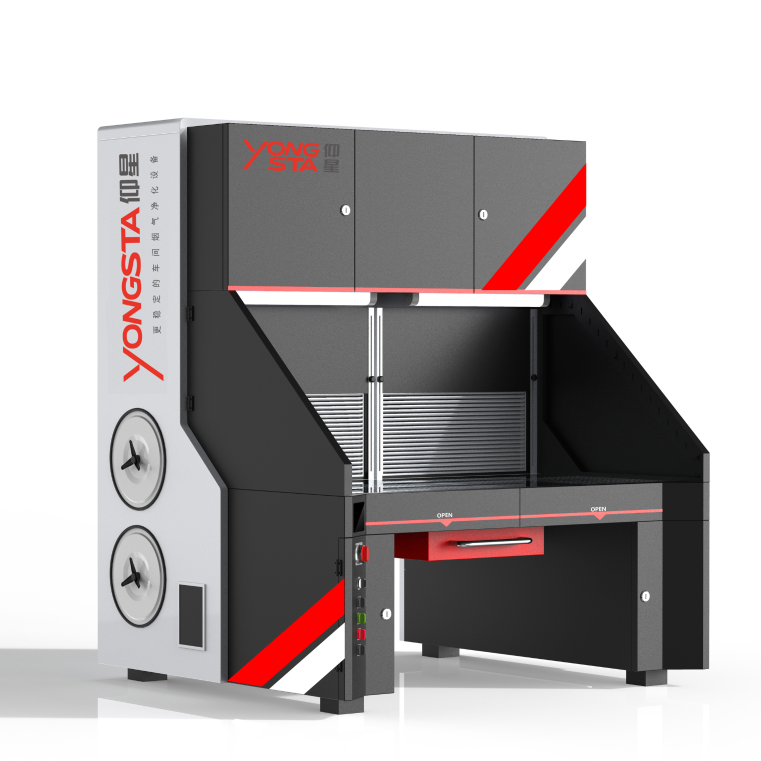
Modern manufacturing demands solutions that combine efficiency, safety, and environmental responsibility. A filter bench achieves all three by capturing grinding dust, metal particles, and airborne debris at the source where they originate. This targeted approach prevents contamination from spreading throughout your facility, reduces equipment maintenance costs, and creates a healthier workplace environment. The advantages of choosing a filter bench extend into compliance requirements, operational cost reduction, and employee satisfaction—making it a strategic investment for any grinding-intensive operation.
Enhanced Air Quality and Worker Safety
Dust Capture at the Source
The primary advantage of a filter bench lies in its ability to capture grinding dust immediately at the point of generation. When operators work on a filter bench, particles are drawn directly into the integrated filtration system rather than dispersing into the ambient air. This source-level capture prevents fine dust particles from becoming suspended in the breathing zone, significantly reducing inhalation exposure. A properly designed filter bench removes particles as small as microns, ensuring that workers inhale cleaner air and face substantially reduced health risks from prolonged dust exposure during their shifts.
Compliance with Occupational Safety Standards
Regulatory bodies worldwide have established strict occupational air quality standards to protect worker health. Using a filter bench helps your facility meet or exceed these compliance thresholds without requiring extensive facility modifications or expensive central ventilation upgrades. A filter bench operates independently, making it easier to deploy in existing workshops without major infrastructure changes. This compliance advantage translates directly into reduced liability exposure, fewer regulatory violations, and demonstration of your commitment to worker protection—all critical factors during inspections and audits that could impact your operating licenses and insurance premiums.
Productivity and Operational Efficiency
Consistent Grinding Performance
When dust accumulates on grinding wheels, work surfaces, and surrounding equipment, grinding efficiency declines and the quality of finished work suffers. A filter bench maintains a cleaner grinding environment by continuously removing dust, allowing wheels to maintain consistent abrasive characteristics and sharp cutting edges. This means operators achieve better surface finishes, more precise dimensional accuracy, and faster cycle times—all without replacing wheels as frequently as they would in dusty conditions. The operational advantage of a filter bench manifests as improved throughput and reduced material waste, directly improving profitability on every grinding job your facility completes.
Reduced Equipment Maintenance and Downtime
Dust infiltration into machinery creates accelerated wear, bearing failure, electrical component corrosion, and unexpected breakdowns that halt production. A filter bench dramatically reduces dust reaching secondary equipment by controlling it at the source, extending machinery lifespan and reducing maintenance frequency. When your facility operates a filter bench, you'll observe fewer unplanned maintenance calls, extended intervals between component replacements, and lower overall equipment lifecycle costs. This maintenance advantage compounds over years of operation, often justifying the filter bench investment through equipment preservation alone, independent of the health and safety benefits.
Cost Savings and Long-Term Value
Lower Operating Expenses
The economic advantage of a filter bench becomes evident when analyzing total cost of ownership across multiple years. A filter bench uses modular, replaceable filter cartridges that cost significantly less than full system replacements or facility-wide ventilation upgrades. Energy consumption remains relatively low compared to industrial dust collection systems, reducing monthly utility costs. Regular filter maintenance becomes a predictable line-item expense rather than an emergency invoice for equipment failure or replacement. This cost predictability enables accurate budgeting and eliminates the financial shock of unexpected breakdowns that halt production and require expensive repairs.
Workplace Insurance and Liability Reduction
Insurance providers increasingly offer premium reductions and improved coverage terms for facilities demonstrating proactive dust control and worker protection measures. Deploying a filter bench signals to insurers that your operation prioritizes occupational health, reducing risk classifications and resulting in lower premiums. Additionally, reduced dust-related worker injuries and respiratory issues translate into fewer workers' compensation claims and better incident history. Over a facility's operational lifetime, the insurance advantage of a filter bench can amount to thousands of dollars in cumulative savings, making it a financially prudent decision beyond the immediate dust collection benefits.
Flexibility and Easy Integration
Workstation Portability and Space Efficiency
A filter bench operates as a self-contained unit that can be positioned wherever grinding work occurs, offering unmatched flexibility compared to fixed ventilation infrastructure. Multiple filter bench stations can be deployed across different work areas without complex ductwork installation or facility restructuring. If your workshop layout evolves or you add new grinding stations, a filter bench can be relocated or duplicated to match your changing operational needs. This flexibility advantage means your facility remains adaptable to new customer demands, process modifications, or expanded production volumes without requiring expensive facility redesign or construction delays.
Straightforward Implementation and Training
Installing a filter bench requires minimal technical expertise compared to central dust collection systems that demand sophisticated engineering design and professional installation. Operators quickly learn filter bench operation through brief training sessions, and maintenance routines are simple and intuitive. This straightforward advantage means your team spends less time on system management and more time on productive grinding work. The accessibility of filter bench technology means even smaller facilities or those with limited maintenance staff can successfully implement and sustain this dust control solution without external specialist support.
FAQ
What specific grinding applications benefit most from a filter bench?
A filter bench delivers exceptional results for precision grinding, tool sharpening, bench grinder operations, and surface finishing applications where tight dust control directly impacts both worker safety and finished part quality. Any operation involving dry grinding of metals, alloys, composites, or ceramics benefits from the source-level dust capture that a filter bench provides. Even light grinding operations justify filter bench deployment because dust removal improves work quality and protects worker health across all grinding intensities.
How often should filter cartridges be replaced in a filter bench?
Replacement frequency depends on grinding volume, dust type, and cartridge surface area, but typically ranges from monthly to quarterly intervals for continuous production environments. A filter bench design signals when cartridges need replacement through visual indicators or pressure gauges, making maintenance timing straightforward. Keeping replacement cartridges in stock ensures you never experience downtime due to filter unavailability, and the low cost per cartridge makes regular replacement a standard operating expense rather than a budget concern.
Can a filter bench be used with different types of grinding wheels and equipment?
Yes, a filter bench accommodates various bench grinder sizes and configurations through adjustable work surface positioning and flexible dust capture hood designs. Whether you operate pedestal grinders, angle grinders, surface grinders, or combination units, a filter bench can be adapted to your specific equipment through universal adapter fittings. This equipment versatility means a single filter bench installation can serve multiple grinding applications simultaneously or sequentially, maximizing your investment's return across your entire grinding operation.

