
 EN
EN


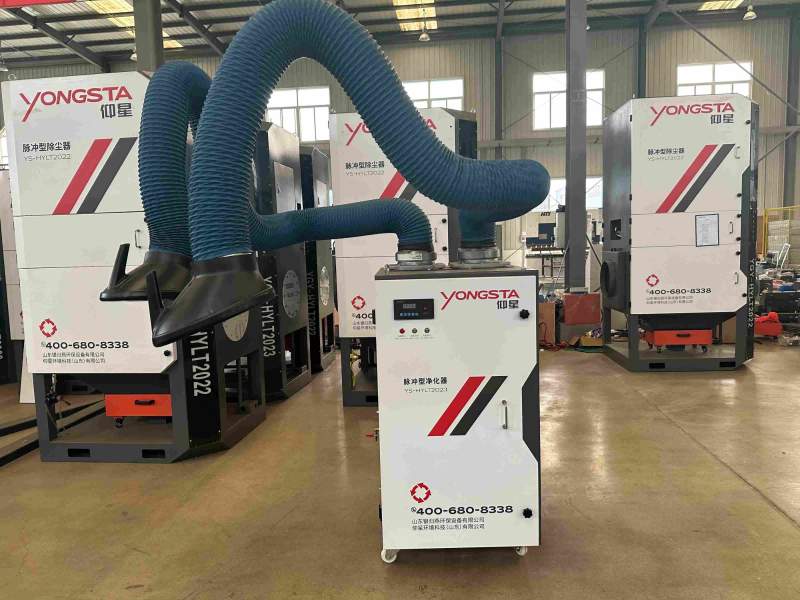
In any fabrication shop, manufacturing facility, or construction site where welding takes place, air quality is not a secondary concern — it is a core operational variable. A welding fume extractor does far more than meet regulatory requirements. It directly shapes how effectively workers can perform their tasks, how consistently they maintain output levels, and how long they can sustain high-quality work without fatigue or health interruptions. Understanding this connection is essential for any operation that depends on skilled welders delivering reliable results shift after shift.
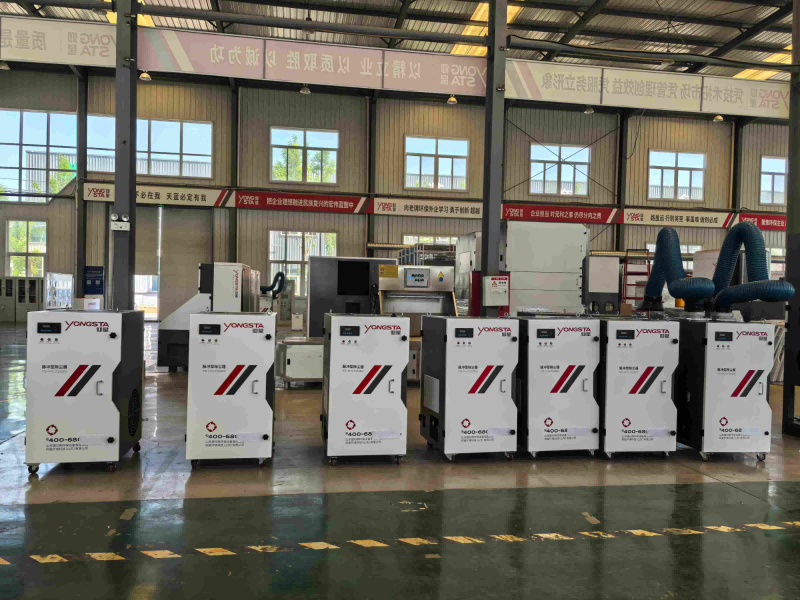
The relationship between a welding fume extractor and worker productivity is both direct and measurable. Welding fumes contain a complex mixture of metal oxides, silicates, and fluorides that impair respiratory function, reduce cognitive clarity, and cause cumulative physical stress when workers are exposed without adequate extraction. When a high-performance welding fume extractor is deployed correctly, workers breathe cleaner air, stay more alert, experience less fatigue, and maintain steadier output quality throughout the workday. This article explores exactly how that impact unfolds across five critical dimensions of workplace productivity.
The Link Between Air Quality and Sustained Work Output
How Fume Exposure Degrades Physical Performance
Welding generates fumes that are invisible in small concentrations but physiologically damaging over time. Manganese, hexavalent chromium, nickel compounds, and other metallic particulates enter the respiratory tract and begin affecting the body within minutes of sustained exposure. Workers operating without an effective welding fume extractor often report early-onset fatigue, throat irritation, headaches, and dizziness — all of which reduce their physical capacity to maintain steady work pace and precision.
When the body is under chemical stress, it diverts energy toward managing that stress rather than sustaining productive output. A welder experiencing respiratory discomfort will naturally slow down, take more frequent breaks, and make more positioning errors. Over the course of an eight-hour shift, this progressive degradation in physical performance can reduce effective output by a significant margin, even if the welder remains at their station the entire time.
A welding fume extractor removes these airborne contaminants at the source before they reach the welder's breathing zone. By maintaining air quality within safe thresholds, it eliminates the chemical burden that would otherwise compromise physical endurance. The result is a welder who maintains consistent energy, steadier hands, and higher-quality welds from the first hour to the last.
Cognitive Clarity and Decision-Making on the Shop Floor
Welding is not purely a physical task. It requires ongoing judgment — reading the weld pool, adjusting technique in real time, monitoring heat input, and recognizing when something is going wrong. These cognitive demands are highly sensitive to air quality. Research in occupational health consistently shows that exposure to metal fumes and fine particulates impairs concentration, shortens attention span, and slows reaction time.
A welder working in a poorly ventilated space without a welding fume extractor is essentially performing cognitively demanding work under conditions that chemically impair the brain's ability to focus. This leads to more inspection failures, more rework, and more near-miss safety incidents. The cost of these errors often far exceeds the visible cost of the fumes themselves.
When a welding fume extractor keeps the ambient environment clean, cognitive performance remains stable. Welders can sustain the mental sharpness required for consistent, code-compliant welds without the cognitive fog that fume exposure introduces. This is a productivity gain that does not always appear in output counts but shows up clearly in reject rates and rework hours.
Reducing Downtime Through Better Occupational Health Outcomes
Sick Days, Absenteeism, and Long-Term Health Costs
One of the most direct ways a welding fume extractor impacts productivity is by reducing the frequency of health-related absenteeism. Chronic exposure to welding fumes is associated with a range of serious conditions including occupational asthma, siderosis, metal fume fever, and neurological damage from manganese exposure. These are not hypothetical risks — they are documented outcomes in workforces where fume control has been inadequate.
Each sick day a welder takes represents lost production capacity, increased pressure on remaining team members, potential schedule delays, and the indirect cost of coordinating coverage. When these absences become chronic due to recurring respiratory illness, the productivity impact compounds significantly. A workforce that regularly loses skilled welders to preventable health conditions operates at a structural disadvantage.
Deploying a welding fume extractor as a standard part of the work environment reduces the cumulative fume burden that drives these health outcomes. Over a 12-month period, facilities that maintain effective fume extraction consistently report lower absenteeism rates among welding staff compared to facilities relying solely on general ventilation. The welding fume extractor essentially functions as a long-term investment in workforce availability.
Reducing Interruptions from Symptom Management
Beyond formal sick days, workers experiencing fume-related discomfort manage their symptoms informally during the shift — stepping outside for air, washing their eyes, coughing repeatedly, or reducing their work pace to alleviate chest tightness. These micro-interruptions are rarely tracked but collectively consume substantial productive time.
A welding fume extractor eliminates the environmental trigger for these symptoms. When workers are not fighting fume exposure, they do not need to interrupt their workflow to manage its effects. Fewer pauses, fewer complaints, and fewer informal breaks translate directly into more arc-on time and higher throughput per shift. This is a productivity improvement that compounds every day the extractor is in use.
Work Quality, Weld Consistency, and Inspection Pass Rates
How Fume Interference Affects Weld Quality
Fume accumulation in the welding zone does not just affect the welder's health — it affects the weld itself. Heavy fume concentrations can obscure the welder's view of the weld pool, leading to inconsistent technique, poor fusion, and defects that only become apparent during inspection. A welding fume extractor clears the immediate workspace of smoke and particulates, giving the welder an unobstructed view throughout the weld.
This visibility improvement is particularly significant in precision applications such as stainless steel TIG welding, pipe welding, and structural connections that require tight dimensional control. When a welder can clearly see what they are doing, they produce more consistent results. First-pass inspection rates improve, rework hours decline, and material waste decreases. All of these outcomes reflect directly in productivity metrics.
A welding fume extractor with a properly positioned extraction arm or hood captures fumes close to the source, preventing them from rising through the welder's line of sight. This functional benefit is separate from the health protection it provides — though both contribute to productivity in their own way. Together, they make the extractor one of the highest-leverage tools in a well-run welding operation.
Rework Rates and the Hidden Cost of Fume-Related Defects
Rework is one of the most expensive forms of productivity loss in welding environments. A defect that requires grinding, re-welding, and re-inspection can consume two to four times the time of the original operation. When fume-related visibility issues or worker fatigue contribute to a higher defect rate, the cumulative rework burden can overwhelm the gains from raw output speed.
Facilities that have upgraded to a dedicated welding fume extractor from relying on passive ventilation typically observe a measurable reduction in weld defect rates within the first few months. This is not coincidental — it reflects the combined effect of better welder health, clearer vision at the arc, and reduced cognitive impairment. The welding fume extractor addresses multiple root causes of defect generation simultaneously.
When rework hours decline, the workforce effectively gains capacity without adding headcount. Skilled welders spend more of their time producing new work rather than correcting old work. This reallocation of skilled labor is one of the clearest ways a welding fume extractor translates into measurable productivity improvement at the facility level.
Workforce Morale, Retention, and Training Cost Reduction
How the Work Environment Influences Welder Retention
Skilled welders are in high demand across nearly every industrial sector. When experienced welders leave a facility, the cost of replacing them — through recruitment, onboarding, and the extended period before a new hire reaches full productive capacity — is substantial. Work environment quality is consistently cited by skilled tradespeople as a significant factor in job satisfaction and retention decisions.
A facility that provides a welding fume extractor at every welding station signals to its workforce that worker health is a genuine operational priority. This is not a trivial perception. Welders who feel their employer takes their long-term health seriously are more likely to stay, more likely to engage fully with their work, and more likely to bring their full skill to each task rather than conserving energy in response to a difficult environment.
Lower turnover means more experienced welders on the floor, which means higher average output quality and faster throughput on complex jobs. The welding fume extractor contributes to this retention dynamic not just as a compliance tool but as a visible investment in the people who drive production.
Reducing the Productivity Gap During Onboarding
When a welder leaves and a replacement is hired, there is an unavoidable productivity gap during the onboarding and skill development period. New welders take time to learn facility procedures, equipment settings, material types, and quality standards. During this period, their output is lower, their defect rate is higher, and they require more supervision from experienced staff — reducing the productivity of those supervisors as well.
Every step that reduces turnover directly reduces the frequency and duration of this productivity gap. A welding fume extractor contributes to this by making the work environment more sustainable and less physically punishing over time. Welders who are not suffering from chronic fume exposure are more likely to remain with a facility for the long term, preserving the institutional knowledge and skill depth that high-volume operations depend on.
Compliance, Regulatory Risk, and Operational Continuity
How Regulatory Non-Compliance Disrupts Production
Occupational health regulations in most industrial markets set enforceable exposure limits for welding fumes and their constituent hazardous substances. Facilities that fail to meet these limits face inspection findings, improvement notices, and in serious cases, production shutdowns until compliance is achieved. A production shutdown — even a partial one — represents a direct and severe productivity loss that no efficiency measure can quickly offset.
A welding fume extractor is the most reliable technical control for bringing fume exposure below regulatory thresholds. Unlike administrative controls or reliance on respiratory protective equipment alone, a properly maintained welding fume extractor continuously removes contaminants from the environment rather than managing their impact after the fact. This proactive approach keeps the facility in a defensible compliance position and reduces the risk of regulatory disruption to production schedules.
The productivity value of regulatory compliance is not just about avoiding penalties. It is about operational certainty — knowing that production schedules will not be interrupted by enforcement actions, that insurance costs will remain manageable, and that the facility can pursue contracts that require documented health and safety standards. The welding fume extractor supports all of these continuity factors simultaneously.
Documentation, Audits, and Contract Eligibility
Many industrial procurement contracts — particularly in sectors such as aerospace, defense, energy, and automotive — require suppliers to demonstrate robust occupational health practices as part of their qualification criteria. A facility that can document the installation, maintenance, and performance of a welding fume extractor at each welding station is in a stronger position to pass these audits and retain high-value contracts.
This contract eligibility dimension of the welding fume extractor is often underappreciated. The ability to win and retain contracts worth substantially more than the cost of the extraction equipment represents a significant return on investment that does not appear in direct productivity metrics but materially affects the facility's revenue and growth trajectory. Treating the welding fume extractor as a strategic asset rather than a compliance cost changes the calculus of its value entirely.
FAQ
How quickly does a welding fume extractor improve productivity after installation?
Most facilities observe measurable improvements in worker comfort and focus within the first week of installing a welding fume extractor, as the immediate reduction in airborne irritants reduces symptom-driven interruptions. Longer-term productivity gains — such as reduced absenteeism and lower defect rates — typically become visible over one to three months as the cumulative health burden on the workforce decreases.
Does a welding fume extractor replace the need for personal protective equipment?
A welding fume extractor is an engineering control that removes fumes at or near the source, which is the most effective approach in the occupational health hierarchy of controls. However, it does not always fully replace the need for respiratory protective equipment, particularly in confined spaces or during operations that generate unusually high fume volumes. The two approaches are best understood as complementary layers rather than substitutes.
What maintenance does a welding fume extractor require to stay effective?
A welding fume extractor requires regular filter inspection and replacement, periodic cleaning of the extraction arm or hood, and routine checks of motor and airflow performance. Filters loaded beyond their capacity reduce extraction efficiency and allow fumes to bypass the filtration system, which undermines both health protection and the productivity benefits the unit is designed to deliver. Following the manufacturer's maintenance schedule is essential to sustained performance.
Can a single welding fume extractor serve multiple welding stations?
Some welding fume extractor models are designed for centralized or multi-arm configurations that can serve more than one station, while others are designed as dedicated single-station units. The appropriate configuration depends on the layout of the facility, the types of welding processes in use, and the fume volumes generated. A dedicated unit per station generally provides more reliable source capture and is the preferred approach for high-volume or hazardous welding operations.
Table of Contents
- The Link Between Air Quality and Sustained Work Output
- Reducing Downtime Through Better Occupational Health Outcomes
- Work Quality, Weld Consistency, and Inspection Pass Rates
- Workforce Morale, Retention, and Training Cost Reduction
- Compliance, Regulatory Risk, and Operational Continuity
-
FAQ
- How quickly does a welding fume extractor improve productivity after installation?
- Does a welding fume extractor replace the need for personal protective equipment?
- What maintenance does a welding fume extractor require to stay effective?
- Can a single welding fume extractor serve multiple welding stations?

