
 EN
EN



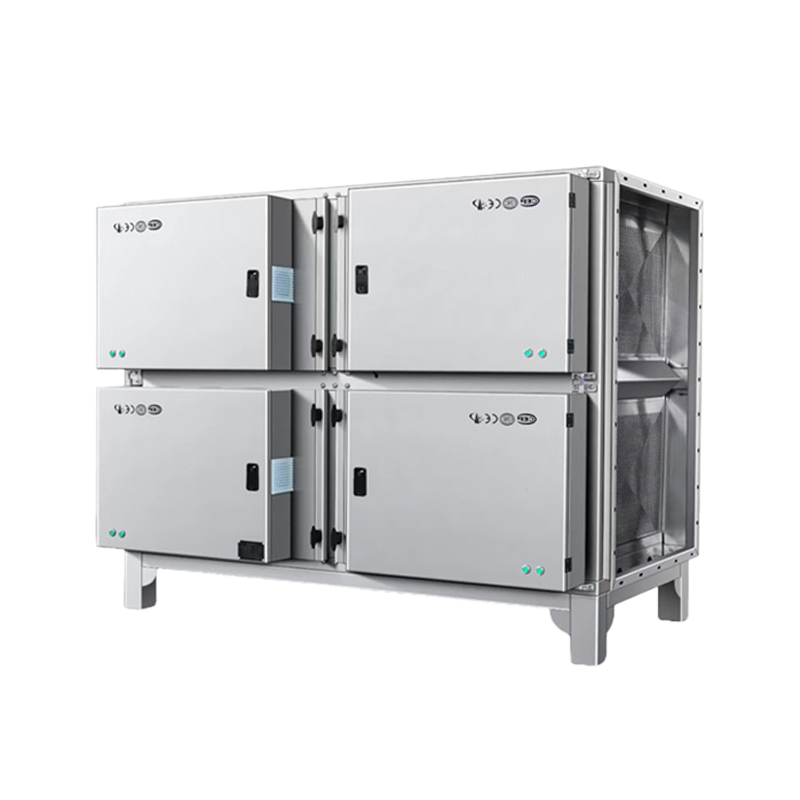
Industrial manufacturing environments generate continuous oil mist and vapor that demand reliable capture and filtration. An industrial mechanical oil mist filter is engineered to handle airborne oil particles, but the critical question remains: can an industrial mechanical oil mist filter truly manage heavy sprays under demanding operational conditions? Understanding the design limits and capabilities of an industrial mechanical oil mist filter is essential for facility managers and procurement professionals who need dependable air quality control without frequent maintenance disruptions.
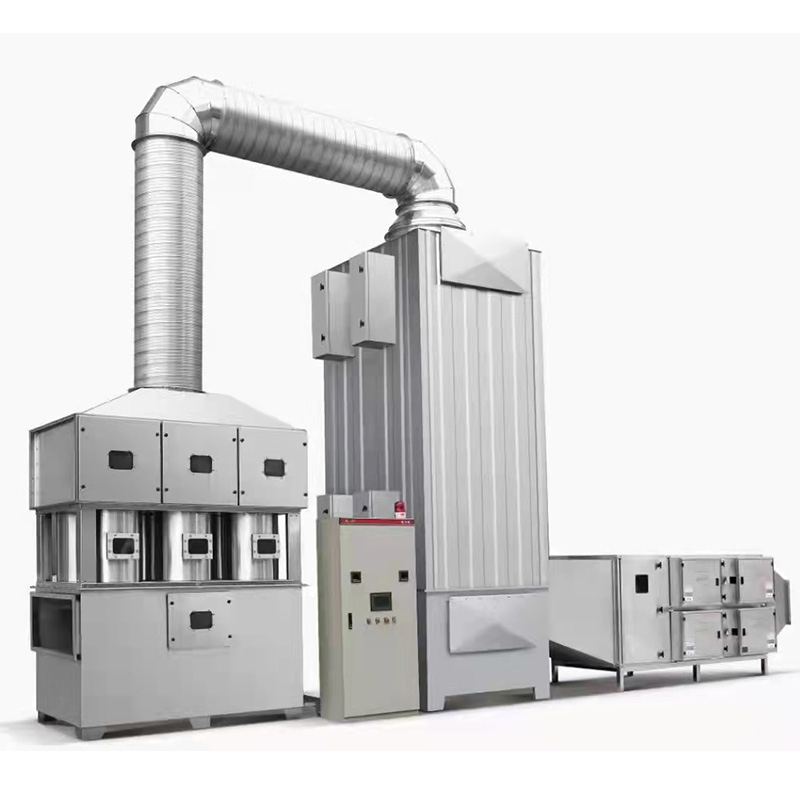
The answer depends on several interconnected factors including filter media design, airflow capacity, stage configuration, and maintenance protocols. An industrial mechanical oil mist filter operates through physical separation mechanisms rather than chemical absorption, which allows it to capture larger oil droplets and mist particles efficiently. However, when facility operations produce heavy spray volumes, the performance envelope of an industrial mechanical oil mist filter must be evaluated carefully against actual emission rates and filter media specifications.
Understanding Filter Capacity Against Heavy Spray Loads
Design Specifications for Heavy Spray Environments
An industrial mechanical oil mist filter is rated by volumetric airflow capacity, typically measured in cubic feet per minute or cubic meters per hour. Heavy spray conditions demand that an industrial mechanical oil mist filter operate within its designed velocity range to maintain separation efficiency. When oil spray emission rates exceed the filter's capture capacity, mist particles can break through the media, reducing overall air quality and creating compliance issues.
The construction of an industrial mechanical oil mist filter includes multiple stages designed to progressively remove larger particles first, then progressively finer mist. This staged approach means an industrial mechanical oil mist filter can handle variable spray intensity if properly matched to equipment output. Facilities operating high-speed machining, large-capacity coolant systems, or mist-generating processes must verify that the selected industrial mechanical oil mist filter provides sufficient stage count and media area for their specific spray volume.
Mist Capture Efficiency Under Pressure
An industrial mechanical oil mist filter relies on coalescing media that encourages oil particles to merge and drain back to the source or collection reservoir. Under heavy spray conditions, the oil mist aerosol concentration can overwhelm the coalescent stage if the industrial mechanical oil mist filter lacks adequate media surface area or stage redundancy. Testing data shows that an industrial mechanical oil mist filter performs optimally when mist generation rates remain within manufacturer specifications, typically ranging from light to moderate spray volumes.
When heavy sprays occur, an industrial mechanical oil mist filter can experience media saturation more rapidly than light mist scenarios. Saturation reduces the mechanical separation efficiency of the coalescent stage, forcing an industrial mechanical oil mist filter to rely on secondary filtration stages. Proper sizing of an industrial mechanical oil mist filter includes calculating peak spray volumes during simultaneous equipment operation, not only average steady-state conditions.
Practical Performance Limits and Real-World Applications
Heavy Spray Scenario Evaluation
Heavy sprays originate from multiple sources: high-volume chip-forming operations, coolant systems with marginal mist suppression, or facilities running multiple mist-generating machines simultaneously. An industrial mechanical oil mist filter cannot compensate for poor upstream mist control practices. If the spray source itself produces more oil droplet volume than the industrial mechanical oil mist filter is designed to handle, breakthrough occurs regardless of filter quality.
Industrial settings where an industrial mechanical oil mist filter excels include facilities with moderate mist generation, proper coolant management, and equipment maintained to minimize spray leakage. In these environments, an industrial mechanical oil mist filter provides consistent emission reduction and extends media life. However, facilities experiencing chronic heavy spray should first assess whether the spray volume itself can be reduced through coolant optimization, equipment sealing, or mist suppression nozzles before relying solely on an industrial mechanical oil mist filter to manage excessive loads.
Multi-Stage Filtration and Spray Management
An industrial mechanical oil mist filter with multiple filtration stages provides better heavy spray handling than single-stage designs. A four or five-stage industrial mechanical oil mist filter includes coarse separation, coalescent media, fine mist capture, and sometimes activated carbon or secondary coalescent stages. This redundancy allows an industrial mechanical oil mist filter to maintain acceptable outlet mist concentrations even during temporary spray surges.
The key advantage of multi-stage filtration is fault tolerance: if one stage experiences temporary overload during heavy spray periods, an industrial mechanical oil mist filter with additional stages can still provide reasonable protection. Facilities choosing an industrial mechanical oil mist filter for heavy spray environments should prioritize configurations with at least three or four active filtration stages. Additionally, an industrial mechanical oil mist filter should include pressure monitoring or differential pressure gauges to signal when maintenance is required before heavy spray episodes degrade air quality.
Maintenance Requirements and Operational Reliability
Service Intervals Under Heavy Spray Conditions
An industrial mechanical oil mist filter exposed to heavy sprays requires more frequent maintenance than units operating under light to moderate loads. The filter media in an industrial mechanical oil mist filter becomes saturated faster when spray volumes are high, reducing time between service intervals. Maintenance intervals for an industrial mechanical oil mist filter in heavy spray environments may occur every two to four weeks, compared to monthly or quarterly schedules for lighter duty applications.
Proper maintenance of an industrial mechanical oil mist filter includes regular media replacement, cleaned coalescent cartridges, and inspection of drain systems. An industrial mechanical oil mist filter cannot function reliably if oil drainage pathways become blocked, which happens more frequently under heavy spray loads. Maintenance budget and resource availability must be factored into the decision to deploy an industrial mechanical oil mist filter in heavy spray environments.
Operational Monitoring and Performance Tracking
Facilities relying on an industrial mechanical oil mist filter for heavy spray control must implement active performance monitoring. Pressure differential sensors indicate when an industrial mechanical oil mist filter media is approaching saturation, providing early warning before air quality degrades. Outlet air quality testing, such as sampling for aerosol mist concentration, confirms whether the industrial mechanical oil mist filter is maintaining acceptable emissions or whether heavy spray volumes exceed filter capacity.
Successful deployment of an industrial mechanical oil mist filter in challenging heavy spray environments requires integration with facility management practices. An industrial mechanical oil mist filter functions best within a comprehensive mist control strategy that includes source reduction, equipment maintenance, proper media selection, and documented service protocols. When these elements align, an industrial mechanical oil mist filter can successfully manage heavy sprays and maintain regulatory compliance.
FAQ
Can an industrial mechanical oil mist filter handle sudden heavy spray surges without media breakthrough?
An industrial mechanical oil mist filter with multiple coalescent and fine capture stages can tolerate temporary spray surges better than single-stage designs. However, sustained heavy spray beyond the filter's rated capacity will eventually cause breakthrough. Short-term surges are absorbed by the filter media, but continuous heavy spray requires either upgrading to a larger industrial mechanical oil mist filter or reducing spray generation at the source.
What happens to an industrial mechanical oil mist filter performance when media becomes saturated?
When filter media in an industrial mechanical oil mist filter becomes saturated, coalescence efficiency drops significantly, and oil particles begin passing through to the outlet air. Saturated media in an industrial mechanical oil mist filter increases pressure differential, reduces volumetric flow, and compromises air quality. Immediate media replacement becomes necessary when an industrial mechanical oil mist filter shows signs of saturation, which occurs more frequently under heavy spray loads than moderate conditions.
Is an industrial mechanical oil mist filter suitable for facilities with uncontrolled spray generation?
An industrial mechanical oil mist filter performs best in facilities where spray generation is controlled through proper equipment maintenance, coolant management, and mist suppression techniques. If heavy spray remains uncontrolled at the source, an industrial mechanical oil mist filter alone will require excessive maintenance and may not achieve compliance. Facilities with chronic heavy spray should first address root causes before expecting an industrial mechanical oil mist filter to provide reliable long-term filtration performance.
Table of Contents
- Understanding Filter Capacity Against Heavy Spray Loads
- Practical Performance Limits and Real-World Applications
- Maintenance Requirements and Operational Reliability
-
FAQ
- Can an industrial mechanical oil mist filter handle sudden heavy spray surges without media breakthrough?
- What happens to an industrial mechanical oil mist filter performance when media becomes saturated?
- Is an industrial mechanical oil mist filter suitable for facilities with uncontrolled spray generation?

